
The chilling gaze of Jack Nicholson through a splintered door, the unsettling tricycle ride down endless hallways, and the haunting solitude of a snowbound resort – these are indelible images from Stanley Kubrick‘s cinematic masterpiece, The Shining. Widely regarded as one of the greatest horror films of all time, its iconic setting, the fictional Overlook Hotel, plays as crucial a role as any character. For decades, fans and film enthusiasts have been fascinated by the imposing, isolated hotel that inspired such terror, leading many to ask: where exactly was The Shining filmed? The answer is more complex and intriguing than a single location, involving a blend of real-world inspirations and meticulously crafted sets that together birthed a legendary landmark in cinematic history.
Understanding the Overlook Hotel requires distinguishing between the inspiration for Stephen King’s original novel and the diverse locations used by Kubrick to bring that vision to the big screen. This exploration takes us on a journey across the United States and even into the heart of British film studios, revealing how distinct elements combined to create a cohesive and terrifying fictional accommodation that continues to captivate imaginations and drive specialized horror tourism.
The Haunting Muse: The Stanley Hotel and Stephen King’s Nightmare
For many, the name immediately associated with The Shining is the Stanley Hotel. While not the primary filming location for the movie, this historic hotel in Estes Park, Colorado, holds the profound distinction of being the inspiration for Stephen King’s terrifying novel. It was a fateful stay here that ignited the author’s imagination, leading to the creation of the Overlook Hotel and, subsequently, the film we know and love.
A Night That Changed Horror Fiction
In 1974, a then-relatively unknown Stephen King and his wife, Tabitha, found themselves checking into the Stanley Hotel just as it was closing for the winter season. They were the only guests. The eerie silence, the grand, empty hallways, and the hotel’s long history – including tales of paranormal activity – profoundly impacted King. Staying in Room 217, King reported having a vivid nightmare about his son being chased through the hotel by a fire hose. He awoke, went out for a cigarette, and by the time he finished it, the entire outline for The Shining had formed in his mind. The isolation, the grandeur, and the whispers of a haunted past perfectly mirrored the themes he wished to explore.

Built in 1909 by Freelan Oscar Stanley, the inventor of the Stanley Steamer automobile, the Stanley Hotel was designed as a luxurious mountain resort for wealthy Easterners seeking the health benefits of Colorado’s crisp air, nestled beautifully against the backdrop of the Rocky Mountains. Its majestic architecture and stunning views quickly established it as a premier destination, a legacy that continues to this day. This deep-rooted history and the subsequent association with King’s chilling narrative have cemented its place as a bucket-list item for many travelers seeking unique experiences.
Experiencing the Legend Today: Accommodation and Attractions
Today, the Stanley Hotel fully embraces its haunted reputation. It remains a luxurious hotel, offering a range of accommodation options from classic guest rooms to more elaborate suites and even apartments and villas for longer stays. However, its primary allure for many visitors is the opportunity to delve into the paranormal. The hotel offers daily ghost tours that explore its most reportedly active areas, including the famous Room 217, the concert hall, and the billiard room. These tours blend historical facts with spine-tingling tales, making for an unforgettable experience that appeals to both avid ghost hunters and casual visitors.
Beyond its ghostly reputation, the Stanley Hotel offers excellent amenities, fine dining, and is a popular venue for events and weddings. Its proximity to Rocky Mountain National Park also makes it an ideal base for outdoor activities like hiking, wildlife viewing, and scenic drives. Whether you’re drawn by the supernatural, the historical architecture, or the natural beauty of the Colorado mountains, the Stanley Hotel stands as a unique travel destination that blends comfort with a touch of the eerie, a testament to the power of a single author’s terrifying vision.

The Cinematic Reality: Filming Locations for Stanley Kubrick’s Masterpiece
While the Stanley Hotel provided the conceptual blueprint for Stephen King’s novel, Stanley Kubrick chose different locations to bring the Overlook Hotel to life on screen. His meticulous approach to filmmaking meant that no single existing hotel perfectly fit his vision for the exteriors, and the elaborate interiors required the complete control of a sound stage. This careful selection and construction created the terrifying isolation and suffocating grandeur that defines the film’s aesthetic.
The Exterior Majesty: Timberline Lodge in Oregon
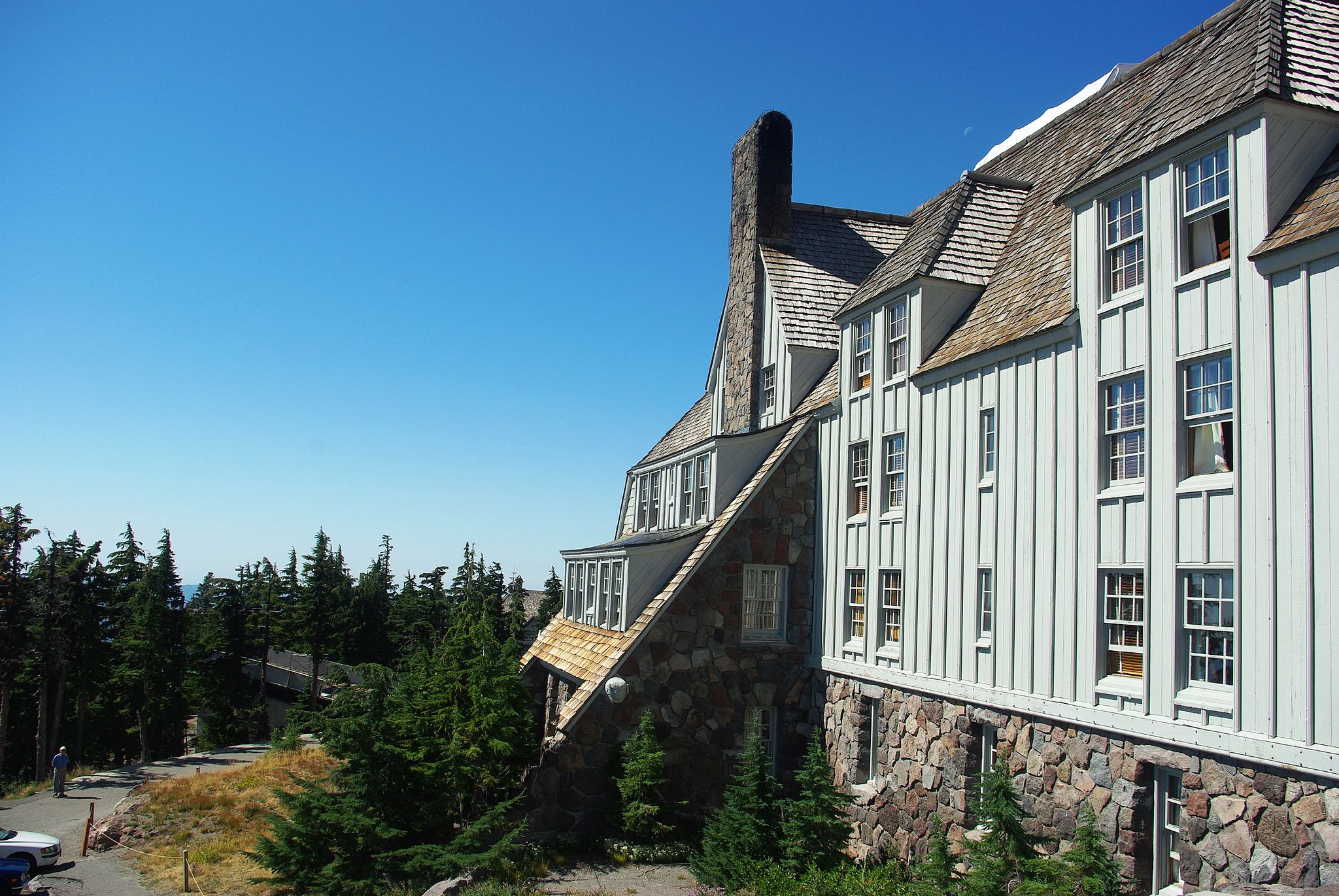
The instantly recognizable exterior shots of the Overlook Hotel, particularly the establishing shots of the sprawling building nestled amidst snow-capped peaks, were filmed at the Timberline Lodge in Oregon. This magnificent, historic lodge is situated on the south side of Mount Hood, an active volcano in the Cascade Range.
Built in the 1930s as a Works Progress Administration (WPA) project during the Great Depression, the Timberline Lodge is a stunning example of rustic architecture, constructed primarily from timber and stone sourced from the surrounding wilderness. Its impressive facade and dramatic mountain setting made it an ideal choice for the exterior of Kubrick’s fictional Overlook Hotel. However, to avoid any confusion or concerns from the actual lodge guests about its portrayal as a haunted and violent place, Kubrick made a subtle but important change: the hedge maze, a pivotal plot point in the book and film, does not exist at the Timberline Lodge. The maze was entirely a set piece built for the film. Additionally, the number of the famously haunted room in the film was changed from Room 217 (the actual room Stephen King stayed in at the Stanley Hotel) to Room 237 to avoid deterring future guests from booking the real room at the Timberline Lodge.
The Timberline Lodge is not just a cinematic landmark; it’s a vibrant, year-round mountain resort and attraction. It offers world-class skiing and snowboarding, even during the summer months due to Mount Hood’s elevation. Guests can enjoy comfortable accommodation with unparalleled views, fine dining, and a range of outdoor activities such as hiking, mountain biking, and scenic chairlift rides. For fans of The Shining, visiting the lodge provides a unique opportunity to stand where some of the film’s most memorable shots were captured, appreciating both its cinematic history and its natural beauty. It’s a prime example of how cinematic recognition can boost tourism for an already esteemed destination.
The Interior Labyrinth: Elstree Studios and Beyond
The vast majority of The Shining, particularly the intricate and unsettling interiors of the Overlook Hotel, were filmed entirely on sound stages at Elstree Studios in Borehamwood, Hertfordshire, England (near London). Stanley Kubrick, known for his meticulous control and demand for perfection, recreated the interiors of the Overlook Hotel as elaborate, purpose-built sets. This allowed him complete artistic freedom to design spaces that perfectly conveyed the film’s themes of claustrophobia, isolation, and psychological decay.
The sets for the Overlook Hotel were famously massive and detailed, including the iconic Gold Room ballroom, the lobby with its striking Native American motifs, the kitchen, and the infamous hexagonal-patterned carpeted hallways that Danny Torrance (Danny Lloyd) navigates on his tricycle. The intricate design of these sets, combined with Kubrick’s innovative use of the newly developed Steadicam, created the film’s signature long, tracking shots that draw viewers deeper into the hotel’s oppressive atmosphere.
The decision to film the interiors on sets rather than in an existing hotel was driven by practical and artistic considerations. It allowed Kubrick to achieve precise lighting, build specific dimensions for camera movements, and maintain absolute control over every detail of the environment. The production at Elstree Studios was extensive and famously lengthy, spanning nearly a year, a testament to Kubrick’s obsessive commitment to his craft. The result is a series of interconnected spaces that feel both grand and suffocating, creating a palpable sense of dread that permeates every frame. These sets, though no longer standing, live on in the collective memory of film fans, demonstrating the profound impact that masterful set design can have on a film’s lasting impression and its ability to become a landmark in its own right.
The Legacy of The Shining on Travel and Culture
The dual nature of the Overlook Hotel – inspired by one real hotel, its exteriors filmed at another, and its interiors brought to life on sound stages – has created a unique and enduring legacy that extends beyond cinema into the realms of travel and popular culture. The Shining has not only terrified generations but has also inadvertently created two distinct yet related travel destinations for fans worldwide.
Horror Tourism and Cinematic Landmarks
The enduring appeal of The Shining has fueled a niche but thriving segment of tourism often referred to as “horror tourism” or “set-jetting.” Enthusiasts embark on pilgrimages to film locations, not just to see the sites but to immerse themselves in the atmosphere that inspired or created their favorite cinematic moments. Both the Stanley Hotel and the Timberline Lodge have seen a significant increase in visitors directly attributable to their connection with the film.
The Stanley Hotel, in particular, has become a Mecca for those seeking paranormal experiences. Its well-marketed ghost tours, Halloween events, and even a dedicated horror film festival (the Stanley Film Festival, though now defunct in that format) are clear indicators of its embrace of its scary cinematic heritage. This has transformed it from a historical lodge into a cultural landmark that draws a diverse crowd, from intrepid ghost hunters to curious families on a themed family trip.
Similarly, the Timberline Lodge benefits from its visual association with the Overlook Hotel. While it maintains its identity as a premier ski resort, the subtle nods to The Shining – such as merchandise and anecdotes from staff – add an extra layer of intrigue for guests. Visiting these places is not just about accommodation; it’s about connecting with a story, experiencing a piece of history, and perhaps, feeling a shiver down the spine. This intersection of film, travel, and the paranormal highlights the multifaceted appeal of these cinematic destinations and their contribution to local culture and economy.
Planning Your Own Shining-Inspired Adventure
For those inspired to undertake their own journey into the world of The Shining, careful planning can enhance the experience. Whether your interest lies in the historical grandeur, the alleged hauntings, or the sheer beauty of the filming locations, both the Stanley Hotel and the Timberline Lodge offer unique opportunities.
If your focus is the supernatural and the literary inspiration, the Stanley Hotel in Estes Park, Colorado, should be your primary destination. Consider booking a guided ghost tour and, if available, try to reserve one of the rooms known for paranormal activity (like Room 217 or 401). Booking accommodation in advance is highly recommended, especially during peak seasons or around Halloween, when the demand for such unique stays is highest. Reviews often highlight the atmospheric charm and the engaging nature of the tours.
For those more intrigued by the cinematic visuals and the stunning natural scenery, a visit to the Timberline Lodge on Mount Hood, Oregon, is a must. Here, you can ski, hike, and simply soak in the breathtaking views that served as the backdrop for the Overlook Hotel. While the lodge doesn’t lean into the paranormal aspect as heavily as the Stanley, its historical significance and incredible mountain setting make it a memorable trip. Guests can compare photos from the film to the actual lodge exterior, finding the exact vantage points Kubrick used. Depending on your lifestyle and budget, you could opt for a luxury travel stay in one of their comfortable rooms or plan a budget travel option by visiting for a day and enjoying the public amenities and outdoor activities.
While the interior sets of The Shining at Elstree Studios no longer exist, film buffs interested in the making of the movie might consider a broader tour of British film history, which often includes information about Elstree’s significant contributions to Hollywood and international cinema. Consulting detailed guides and travel tips for both Colorado and Oregon can help optimize your journey, ensuring you experience the best of these iconic locations, regardless of whether you’re chasing ghosts, reliving cinematic moments, or simply enjoying the natural beauty these famous places offer.
In conclusion, the question “Where is the hotel where The Shining was filmed?” doesn’t have a single, straightforward answer. Instead, it unravels into a fascinating tale of inspiration, cinematic artistry, and enduring cultural impact. From Stephen King’s chilling night at the Stanley Hotel to Stanley Kubrick’s meticulous exterior shots at the Timberline Lodge and the masterful sets built at Elstree Studios, the Overlook Hotel is a composite, a testament to the power of imagination and the collaborative effort of filmmaking. These real-world counterparts continue to draw visitors, offering unique travel experiences that blend historical curiosity with a touch of the macabre, solidifying The Shining‘s place not just in film history, but also in the broader landscape of specialized tourism and cultural landmarks.