
Nestled to the east of the sprawling urban coastline of Los Angeles, the Inland Empire (often abbreviated as the IE) represents a vast and vibrant region of Southern California that offers a stark, yet complementary, contrast to its famous neighbors. While many travelers flock to the beaches of Santa Monica or the theme parks of Orange County, the Inland Empire unveils a diverse landscape of mountains, deserts, fertile valleys, and burgeoning urban centers, beckoning those who seek a different facet of the Golden State.
Far from being a mere suburban overflow, the Inland Empire is a significant economic and cultural hub in its own right, home to millions of residents and an increasing number of attractions that cater to every type of traveler. From luxury resorts and scenic wine regions to historic landmarks and adrenaline-pumping outdoor adventures, the IE presents a compelling destination that deserves a place on any California itinerary. This comprehensive guide will not only pinpoint the exact location of the Inland Empire but also delve into its unique character, top attractions, and essential travel tips for exploring this often-underestimated gem.

Geographic Overview: Defining the Inland Empire’s Footprint
To truly understand where the Inland Empire lies, one must grasp its sheer scale and the diverse topographies it encompasses. Unlike a single city, the IE is a massive, multi-county region that stretches for miles, offering a dynamic geographical tapestry.
The Counties that Form the IE
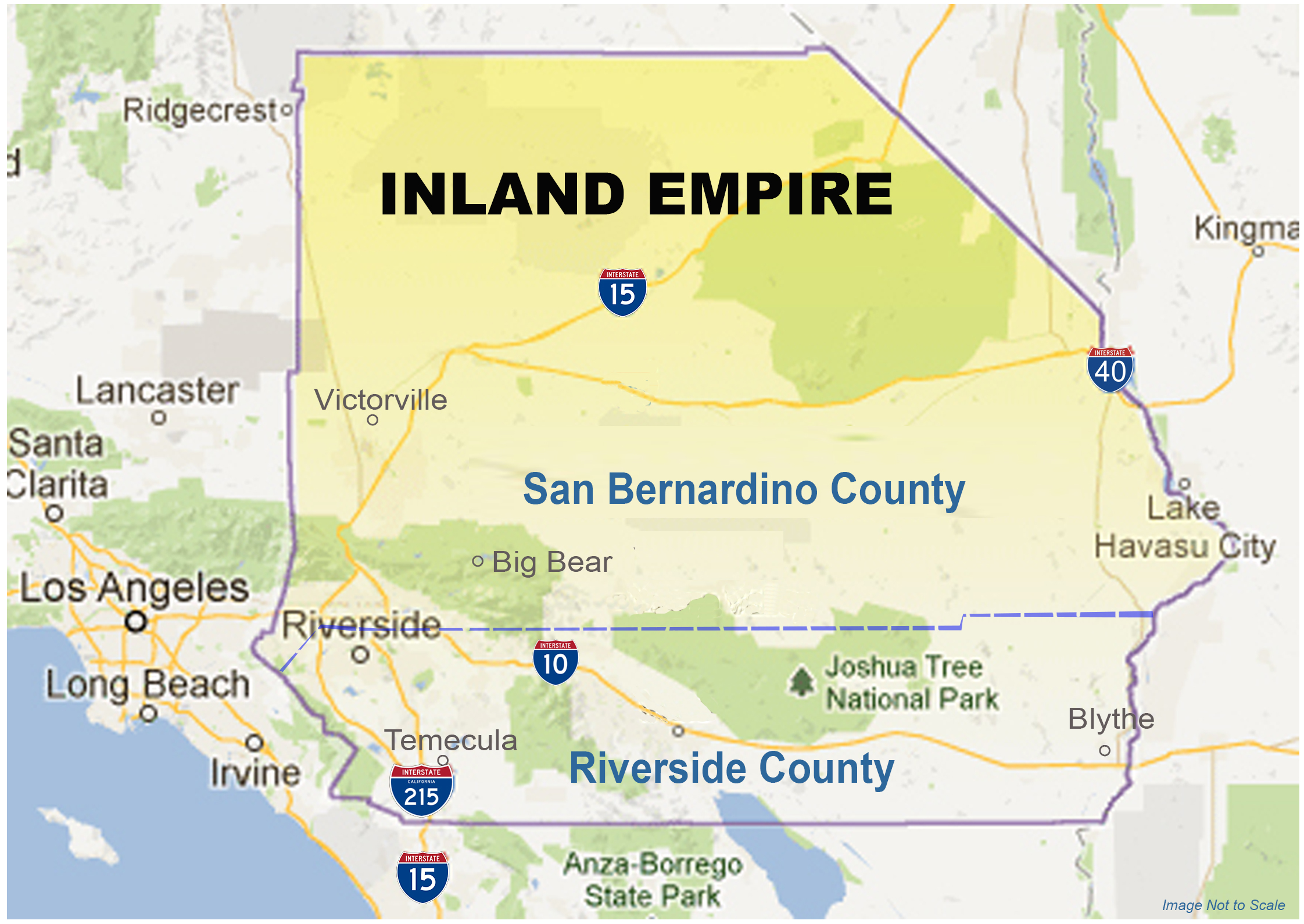
At its core, the Inland Empire is primarily defined by two vast counties: Riverside County and San Bernardino County. Together, these two counties cover more land area than many small states and are home to a myriad of distinct cities and communities, each contributing to the region’s unique identity.
- Riverside County: This county forms the southern half of the traditional Inland Empire. It extends from the bustling city of Riverside in the west, through the charming Temecula Valley Wine Country to the south, and all the way to the sun-drenched desert communities of Palm Springs and the broader Coachella Valley in the east. Key cities here include Riverside, Corona, Murrieta, Temecula, Indio, and Palm Desert.
- San Bernardino County: This county makes up the northern portion of the Inland Empire and is, in fact, the largest county by area in the contiguous United States. It stretches from the urban centers of San Bernardino and Ontario in the west, up into the majestic San Bernardino Mountains with their popular resort towns like Big Bear Lake and Lake Arrowhead, and then further east into vast expanses of the Mojave Desert. Other prominent cities include Fontana, Rancho Cucamonga, and Victorville.
A Region of Contrasts: Landscapes and Climate
The geographical diversity of the Inland Empire is one of its most defining characteristics. Travelers can experience dramatically different environments within just an hour or two of driving.
- Valleys and Foothills: The western and central portions of the IE are dominated by broad valleys, once fertile citrus groves, now largely developed into residential and commercial areas. These areas experience a Mediterranean climate with hot, dry summers and mild, wet winters, ideal for golf courses and outdoor recreation during the cooler months.
- Mountain Ranges: To the north and east, the towering San Bernardino Mountains and San Jacinto Mountains provide a dramatic backdrop and a welcome escape from the valley heat. These alpine environments offer stunning scenery, dense forests, and cooler temperatures, even snow in winter, making them popular for skiing, hiking, and camping.
- Desert Environments: Eastward, particularly in Riverside County, the landscape transitions into the stark beauty of the Sonoran Desert and parts of the Mojave Desert. Here, the climate is characterized by intense heat in summer and mild, sunny winters. This desert region is home to iconic destinations like Palm Springs and offers unique experiences such as exploring Joshua Tree National Park which sits just outside the IE’s eastern boundary but is easily accessible.
This geographical mosaic means that the Inland Empire offers an unparalleled variety of activities and experiences, from sunbathing by a desert pool to skiing down a mountain slope, all within relatively close proximity.
A Rich Tapestry of History and Culture
Beyond its impressive geography, the Inland Empire boasts a deep and fascinating history, shaped by indigenous peoples, Spanish missionaries, Mexican rancheros, and American pioneers. This rich past continues to influence its vibrant culture today, offering visitors a glimpse into the foundational stories of California.
From Citrus Groves to Modern Metropolis
The history of the Inland Empire is inextricably linked to agriculture, particularly the citrus industry. In the late 19th and early 20th centuries, vast orchards of oranges, lemons, and grapefruits covered the valleys, earning the region the moniker “Orange Empire.” The arrival of the railroads, like the Santa Fe Railway and the Southern Pacific Railroad, facilitated the rapid growth of the industry and brought waves of new settlers.
The city of Riverside, in particular, played a pivotal role as the birthplace of California’s citrus industry, thanks to the successful cultivation of the Washington Navel Orange. This era left an indelible mark on the landscape, visible in historical packing houses, charming bungalows, and the grand architecture of places like the Mission Inn Hotel & Spa.
Post-World War II, the Inland Empire transitioned dramatically from an agricultural heartland to a rapidly urbanizing area. Affordable land and proximity to Los Angeles fueled a population boom, leading to the development of master-planned communities, robust logistics and manufacturing industries, and a growing educational sector with institutions like the University of California, Riverside.
Cultural Highlights and Local Traditions
The cultural fabric of the Inland Empire is as diverse as its population. Visitors can explore a variety of artistic expressions, historical sites, and unique local traditions.
- Historic Landmarks: The aforementioned Mission Inn Hotel & Spa in Riverside is a National Historic Landmark and a breathtaking example of Mission Revival architecture. Its intricate design, courtyards, and museum-quality art collection make it a must-visit, especially during its famous Festival of Lights in winter. Other historical sites include Sycamore Canyon Wilderness Park, offering insights into the natural history, and remnants of the old Route 66 in San Bernardino County.
- Arts and Entertainment: The IE has a burgeoning arts scene, with venues like the Fox Performing Arts Center in Riverside hosting major concerts and Broadway shows. Smaller theaters, art galleries, and community events flourish throughout cities like Claremont and Redlands, offering a local flavor.
- Culinary Scene: Reflecting its diverse population, the Inland Empire’s culinary landscape is rich and varied. From authentic Mexican and Asian cuisine to farm-to-table restaurants in Temecula’s Wine Country, there’s something for every palate. Don’t miss trying local specialties like the famous Date Shakes when visiting the Coachella Valley area.
- Festivals and Events: The region hosts numerous festivals year-round, from the world-renowned Coachella Valley Music and Arts Festival and Stagecoach Festival in Indio to local wine and food festivals, county fairs, and seasonal celebrations in mountain towns. These events are fantastic opportunities to immerse oneself in local culture and traditions.
Exploring the IE: Destinations and Experiences

The sheer breadth of the Inland Empire means there’s an endless array of destinations and activities to suit all interests, from serene natural escapes to bustling urban adventures.
Mountain Retreats and Desert Oases
One of the IE’s greatest appeals is its ability to transport visitors between dramatically different natural settings within a short drive.
- The San Bernardino Mountains: For those craving alpine air and picturesque scenery, the mountain resorts of Big Bear Lake and Lake Arrowhead are ideal.
- Big Bear Lake: A year-round playground, Big Bear Lake is famous for its winter skiing and snowboarding at Snow Summit and Bear Mountain. In warmer months, the lake becomes a hub for boating, fishing, kayaking, and paddleboarding. Hiking and mountain biking trails abound, offering breathtaking views of the surrounding San Bernardino National Forest.
- Lake Arrowhead: Known as the “Alps of Southern California,” Lake Arrowhead boasts a charming village with boutique shops, restaurants, and a serene lake. It offers a more exclusive, tranquil atmosphere compared to Big Bear, with private lake access often associated with specific accommodations or rentals.
- The Coachella Valley and Palm Springs: At the opposite end of the spectrum lies the vibrant desert oasis of Palm Springs and its neighboring communities.
- Palm Springs: Renowned for its mid-century modern architecture, world-class golf courses, luxurious spas, and a thriving arts scene, Palm Springs is a stylish retreat. Visitors can ride the Palm Springs Aerial Tramway up Mount San Jacinto for panoramic views and hiking, explore the Palm Springs Art Museum, or simply relax by a pool in one of its many chic resorts.
- Beyond Palm Springs: The wider Coachella Valley includes cities like Palm Desert (known for its shopping on El Paseo) and La Quinta, offering additional golf courses, fine dining, and opportunities for hot air balloon rides over the desert landscape.
Urban Centers and Family Fun
The Inland Empire’s urban hubs provide a different kind of energy, with attractions ranging from major shopping destinations to historical sites and family-friendly entertainment.
- Ontario: Home to Ontario International Airport (ONT), making it a convenient gateway to the IE, Ontario is also a major retail destination. Ontario Mills is one of California’s largest outlet malls, offering a vast selection of stores and entertainment options. The Toyota Arena hosts concerts and sporting events.
- Riverside: The county seat of Riverside County, this city is rich in history and culture. Aside from the iconic Mission Inn Hotel & Spa, visitors can hike Mount Rubidoux for city views, explore the exhibits at the Riverside Metropolitan Museum, or enjoy a performance at the historic Fox Performing Arts Center.
- Temecula Valley: While known for its Wine Country, Temecula also boasts Old Town Temecula, a charming historic district with wooden boardwalks, unique shops, restaurants, and a vibrant nightlife. It’s a great spot for family outings, with local events and horse-drawn carriage rides.
- Family Attractions: For family-friendly entertainment, the IE offers options like Castle Park in Riverside, featuring amusement rides, miniature golf, and a water park. Scandia Fun Center in Ontario provides similar activities including batting cages and arcade games, ensuring fun for all ages.
Outdoor Adventures and Natural Beauty
The natural landscapes of the Inland Empire provide an abundance of opportunities for outdoor enthusiasts.
- Hiking and Biking: The region is crisscrossed with trails for all skill levels. In the mountains, popular trails can be found around Big Bear Lake and Lake Arrowhead, offering stunning views. In the valleys, urban green spaces like the Santa Ana River Trail provide miles of paved paths for cycling and walking. Desert areas near Palm Springs also offer unique hiking experiences, such as the trails in the Indian Canyons or the nearby Joshua Tree National Park for more rugged adventures.
- Water Sports: Beyond the obvious lakes of Big Bear and Arrowhead, smaller bodies of water like Lake Perris and Silverwood Lake offer opportunities for swimming, boating, jet skiing, and fishing.
- Equestrian Activities: The equestrian lifestyle thrives in many parts of the IE, particularly in communities like Norco (known as “Horsetown USA”). Visitors can find stables offering trail rides and lessons, connecting with the region’s rural heritage.
- Golf: With its generally sunny weather, the Inland Empire is a golfer’s paradise. Palm Springs and the Coachella Valley alone boast dozens of championship courses, while numerous other courses are scattered throughout the valleys and foothills, catering to all levels of play.
Planning Your Stay: Accommodation and Travel Tips
Exploring the expansive and varied Inland Empire requires a bit of planning, especially when it comes to choosing the right accommodation and understanding the best ways to get around.
Diverse Accommodation Options
The Inland Empire caters to all travel styles and budgets when it comes to places to stay. From luxurious resorts to cozy cabins and convenient budget hotels, you’ll find an option that fits your needs.
- Luxury Resorts and Boutique Hotels: For a lavish experience, Palm Springs and the Coachella Valley are home to numerous high-end resorts offering spas, golf, and exquisite dining. The Mission Inn Hotel & Spa in Riverside provides a historical and opulent stay. In Temecula Wine Country, boutique hotels and vineyard resorts offer intimate, romantic getaways.
- Mid-Range and Budget Hotels: Major cities like Ontario, Riverside, and Rancho Cucamonga feature a wide selection of chain hotels, providing comfortable and convenient options for business travelers, families, or those on a budget. These often come with amenities like pools, breakfast, and easy access to freeways.
- Vacation Rentals and Cabins: For a more home-like experience, vacation rentals are popular, especially in the mountain towns of Big Bear Lake and Lake Arrowhead, where charming cabins and larger homes are available for rent. In the desert, stylish mid-century modern homes with private pools are a common choice for groups or longer stays.
- Camping and RV Parks: Nature lovers will find numerous campgrounds in the San Bernardino National Forest and near lakes, offering a rustic experience. Dedicated RV parks with full hookups are also available throughout the region, particularly near popular attractions and desert areas.
Choosing your accommodation strategically based on your primary activities (e.g., a mountain cabin for skiing, a Palm Springs resort for relaxation, or a central city hotel for urban exploration) will significantly enhance your trip.
Getting Around the IE
Given the vastness of the Inland Empire, a personal vehicle is almost essential for exploring the region effectively.
- Car Rental: Renting a car upon arrival at Ontario International Airport (ONT) or one of Los Angeles’s larger airports (like LAX or John Wayne Airport in Orange County) is highly recommended. The IE is connected by a network of major freeways (I-10, I-15, CA-60, CA-91) that make driving relatively straightforward, though traffic can be heavy during peak commute hours, especially closer to Los Angeles.
- Public Transportation: While some cities offer local bus services (e.g., Riverside Transit Agency, Omnitrans in San Bernardino County), they are not as extensive as in major metropolitan areas and generally not suitable for navigating the entire region or reaching remote attractions. Metrolink commuter rail lines connect some IE cities to each other and to Los Angeles, offering an alternative for specific routes.
- Ride-Sharing and Taxis: Ride-sharing services like Uber and Lyft are available in the more populated areas, particularly around Ontario and Palm Springs, but can become scarce or expensive in less dense or remote areas.
Best Time to Visit
The best time to visit the Inland Empire largely depends on your desired activities and preferred climate.
- Spring (March to May) and Fall (September to November): These seasons generally offer the most pleasant weather across the entire region. Temperatures are mild to warm, making it ideal for hiking, exploring urban areas, and enjoying the Temecula Wine Country. Wildflowers bloom in spring in the deserts and foothills, creating stunning natural displays.
- Summer (June to August): Summers can be intensely hot, especially in the desert regions (Palm Springs often sees triple-digit temperatures). However, this is the perfect time to head to the mountains (e.g., Big Bear Lake) for cooler temperatures and water activities.
- Winter (December to February): Winters are mild in the valleys and deserts, making it a popular time for golf and outdoor activities in Palm Springs. The mountains, on the other hand, receive snow and become prime destinations for skiing and snowboarding. The Mission Inn Festival of Lights is a major draw during the holiday season.
In conclusion, the Inland Empire is not just a geographical location but a vibrant, multifaceted region of California that offers an incredible diversity of experiences. From the snow-capped peaks of the San Bernardino Mountains to the sun-baked sands of the Coachella Valley, and from historic city centers to sprawling vineyards, the IE promises an adventure for every traveler. It’s an accessible, often more affordable, and truly unique destination that provides a refreshing contrast to the coastal allure, inviting you to discover another incredible side of Southern California. So, pack your bags and prepare to explore the captivating breadth and depth of the Inland Empire – you might just find your new favorite California getaway.
LifeOutOfTheBox is a participant in the Amazon Services LLC Associates Program, an affiliate advertising program designed to provide a means for sites to earn advertising fees by advertising and linking to Amazon.com. Amazon, the Amazon logo, AmazonSupply, and the AmazonSupply logo are trademarks of Amazon.com, Inc. or its affiliates. As an Amazon Associate we earn affiliate commissions from qualifying purchases.