
The allure of standing beneath trees that have witnessed millennia, reaching skyward with an ancient grace, is an experience that draws travelers from across the globe to the legendary Redwood Forest. These majestic giants, the tallest living things on Earth, are a defining natural landmark of California, embodying the state’s wild beauty and incredible biodiversity. For anyone planning a journey to witness these awe-inspiring spectacles, understanding their location within the vast expanse of the Golden State is the first step toward an unforgettable adventure.
Predominantly, the vast majority of old-growth redwood forests, specifically the coastal redwoods (Sequoia sempervirens), thrive in the temperate, moist climate of Northern California. They stretch in a narrow, elongated band along the Pacific Coast, from just south of Monterey Bay up to the border with Oregon. This unique geographical distribution is dictated by their need for the dense fog that rolls in from the Pacific Ocean, providing essential moisture during the dry California summers. While coastal redwoods are the most famous, California is also home to their cousins, the Giant Sequoias (Sequoiadendron giganteum), which are found further inland in the Sierra Nevada mountains, presenting another distinct, yet equally breathtaking, natural wonder. This article focuses on the coastal redwoods, their primary locations, and how to plan an enriching visit.
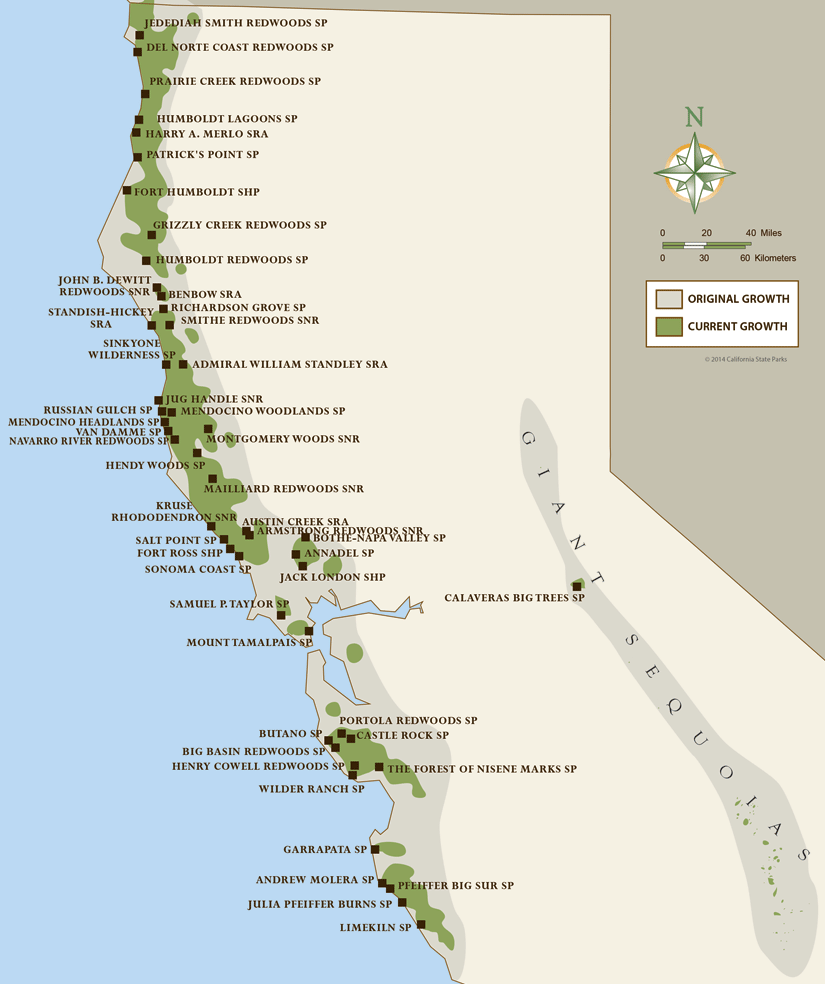
Discovering California’s Iconic Redwood Destinations
The redwood forests are not concentrated in a single, monolithic park but rather are preserved across a network of national and state parks, each offering unique perspectives and experiences. These protected areas are crucial for tourism, safeguarding these ancient ecosystems while inviting visitors to explore their grandeur.
The Crown Jewel: Redwood National and State Parks
The most iconic and extensive concentration of coastal redwoods can be found within the collective known as Redwood National and State Parks (RNSP). This UNESCO World Heritage Site and International Biosphere Reserve comprises four main parks: Redwood National Park, Jedediah Smith Redwoods State Park, Prairie Creek Redwoods State Park, and Del Norte Coast Redwoods State Park. This collaborative management ensures the protection of nearly half of all remaining old-growth redwood forests.
Located in the far northern reaches of California, primarily in Humboldt and Del Norte counties, this region is a haven for nature lovers. Visitors can explore a myriad of trails leading through dense groves, encounter diverse wildlife including elk, and enjoy scenic drives. Highlights within RNSP include the Tall Trees Grove, once home to the world’s tallest known tree, and the serene Lady Bird Johnson Grove, accessible via a gentle loop trail. For those seeking adventure, the Smith River and Klamath River offer opportunities for kayaking and rafting, enhancing the travel experience beyond just hiking.
Historic and Accessible Groves: Humboldt Redwoods State Park and Muir Woods
Further south, but still within Northern California’s redwood belt, lies Humboldt Redwoods State Park. This park is home to the famous Avenue of the Giants, a 31-mile scenic bypass of US Route 101 that winds through some of the most magnificent groves in the world. It boasts more old-growth redwoods than any other park, including the ethereal Founders Grove. This drive itself is a destination, allowing travelers to immerse themselves in the towering beauty from the comfort of their vehicle, with numerous pull-offs for hikes and photo opportunities. Small towns like Miranda and Weott offer quaint lodging and local eateries, adding a touch of authentic California charm.
Closer to the major metropolitan area of San Francisco in Marin County is Muir Woods National Monument. Named after the renowned naturalist John Muir, this park offers an accessible and well-maintained network of trails through ancient redwood groves. Its proximity to San Francisco makes it an ideal day trip for those visiting the city, providing a quick escape into nature’s grandeur. Due to its popularity, reservations are often required, highlighting the importance of planning for this particular landmark. While smaller in scale than the northern parks, Muir Woods still delivers an impactful experience of the towering trees.
Southern Wonders: Henry Cowell and Armstrong Redwoods
Moving further south, toward Central California, the redwood belt continues to offer impressive groves. Henry Cowell Redwoods State Park, located near Santa Cruz, provides easy access to spectacular coastal redwoods. A 0.8-mile loop trail takes visitors past some of the tallest trees in the park, including a redwood estimated to be over 1,500 years old. Its proximity to the vibrant city of Santa Cruz means visitors can combine a redwood forest experience with beach activities, surfing, and exploring the famous Santa Cruz Beach Boardwalk, blending natural beauty with classic California tourism.
In Sonoma County, nestled along the Russian River, is Armstrong Redwoods State Natural Reserve. This reserve, a living monument to the primeval redwood forest, features majestic trees such as the 310-foot tall Colonel Armstrong tree and the Parson Jones tree, estimated to be over 1,300 years old. It offers a quieter, more intimate experience compared to some of the larger or more popular parks, making it an excellent choice for a peaceful retreat. The surrounding Sonoma County wine country also offers a luxurious lifestyle aspect, allowing visitors to combine redwood exploration with world-class wine tasting and fine dining.
Planning Your Journey to the Redwood Empire
A trip to the Redwood Forest requires thoughtful planning to maximize the experience, covering everything from accommodation to the best time to visit. This journey is more than just a destination; it’s an immersive travel experience.
Where to Stay: Accommodation Options Amidst the Giants
The variety of accommodation options caters to every traveler’s lifestyle and budget. For those exploring Redwood National and State Parks and Humboldt Redwoods State Park, nearby towns like Arcata, Eureka, Garberville, and Klamath offer a range of hotels, motels, and charming bed-and-breakfasts. These provide comfortable lodging after a day of hiking. For a more immersive nature experience, numerous campgrounds within the parks and surrounding national forests offer tent and RV sites, allowing visitors to sleep under the canopy of the redwoods. Booking accommodations, especially during peak season, is highly recommended to secure your preferred stay. Websites offering comparison and reviews can be invaluable tools.

Near Muir Woods National Monument, travelers can find upscale resorts and boutique hotels in picturesque towns like Mill Valley, Sausalito, and Stinson Beach, or opt for city hotels in nearby San Francisco for a blend of urban and natural exploration. For Henry Cowell Redwoods State Park and Armstrong Redwoods State Natural Reserve, the cities of Santa Cruz and Guerneville respectively offer diverse lodging, from budget-friendly inns to luxurious vacation rentals. Many accommodations here highlight local culture and proximity to attractions like the Russian River wine region.
Getting There and Around: Navigating the Redwood Coast
The primary access route to the northern redwood parks is US Route 101, often dubbed the “Redwood Highway.” This scenic highway runs directly through many of the major redwood groves, including portions of Redwood National and State Parks and the entire Avenue of the Giants. Renting a car is almost essential for flexibility and to fully explore the various attractions at your own pace. While some areas offer limited public transportation or shuttle services (like at Muir Woods National Monument), a personal vehicle provides the freedom to discover hidden gems and embark on spontaneous detours. The journey itself, winding through the majestic landscape, becomes part of the overall travel experience.
For those flying in, regional airports like Arcata-Eureka Airport (ACV) provide closer access to the northern parks, while larger international airports in San Francisco (SFO) or Oakland (OAK) serve as gateways for trips to Muir Woods and the central coast redwoods.
Best Time to Visit: Embracing the Redwood Climate
The redwood forests are a year-round destination, but each season offers a distinct charm. Summer (June to August) is the most popular time, with warmer temperatures and typically clear skies, ideal for hiking and camping. However, this is also when the famous coastal fog is most prevalent, often blanketing the forest in a mystical shroud, providing the vital moisture the trees need. This can make for stunning, atmospheric photographs and a cooler hiking experience.
Spring (April to May) brings lush greenery, wildflowers, and fewer crowds, making it an excellent time for photography and wildlife viewing. Fall (September to October) also offers fewer visitors and often pleasant weather, with the added beauty of changing foliage in the deciduous trees interspersed among the redwoods. Winter (November to March) is the quietest season, characterized by rain and mist, which enhances the forest’s ancient, primeval feel. While some trails might be muddy, the solitude and dramatic atmosphere are unparalleled for those seeking a tranquil and reflective experience. Checking weather conditions and park alerts before visiting is always a wise tip, especially during the wetter months.
Experiences Beyond the Towering Trees
While the redwoods themselves are the main draw, the regions surrounding these forests offer a wealth of activities and cultural experiences that enrich any travel itinerary, blending natural exploration with local tourism.
Must-Do Activities Amidst the Giants
Beyond simple admiration, the redwood forests offer a plethora of activities for every type of lifestyle traveler. Hiking is paramount, with trails ranging from easy, paved loops suitable for families to strenuous backcountry treks for avid adventurers. Biking trails are also popular, particularly the Newton B. Drury Parkway in Prairie Creek Redwoods State Park. For a unique perspective, visitors can drive through the famous “drive-thru” trees like the Shrine Drive-Thru Tree in Myers Flat or the Chandelier Drive-Thru Tree in Leggett, offering a quirky photo opportunity.
Wildlife viewing is another major attraction. Keep an eye out for Roosevelt elk, especially in Prairie Creek Redwoods State Park, along with various bird species and marine life along the coastline. The rugged coastline itself, part of Redwood National and State Parks, offers dramatic cliffs, secluded beaches, and opportunities for tide pooling. Photography enthusiasts will find endless inspiration, from the misty forest floors to the sun-dappled canopies. For those interested in a more structured learning experience, ranger-led programs and visitor centers offer valuable insights into the ecology and history of the redwoods.
Embracing Local Charm and Culture
The communities surrounding the redwood forests add another layer to the travel experience. In Northern California, towns like Arcata and Eureka offer vibrant local culture, featuring art galleries, craft breweries, and farm-to-table restaurants that showcase local produce. Eureka’s Old Town district, with its preserved Victorian architecture, is a landmark in itself, providing a glimpse into California’s past.
Along the Avenue of the Giants, small towns offer quirky roadside attractions and local artisan shops. Near Santa Cruz, the relaxed surf culture blends seamlessly with the natural beauty, offering fresh seafood and bohemian vibes. In Sonoma County, the wine industry provides a luxurious counterpoint to the rustic beauty of the redwoods, with opportunities for vineyard tours, tastings, and gourmet dining experiences. These local touches turn a nature trip into a holistic exploration of California’s diverse offerings, catering to a wide range of lifestyle preferences, from budget-friendly exploration to opulent retreats.

Preserving the Legacy: Responsible Tourism in Redwood Forests
The redwoods are not just a travel destination; they are irreplaceable natural landmarks, vital to the planet’s ecosystem and a testament to nature’s resilience. Many of these forests faced severe logging in the past, making their preservation a critical ongoing effort. Engaging in responsible tourism is paramount to ensuring future generations can also marvel at these giants. This means staying on marked trails, not disturbing wildlife, carrying out all trash, and respecting park regulations.
Conservation efforts are ongoing, supported by park fees and donations. Visitors are encouraged to learn about the history of redwood conservation and the unique challenges these trees face, such as climate change. By choosing to visit and support these parks, travelers contribute directly to their upkeep and protection, allowing these ancient sentinels to continue to stand tall for centuries to come. The experience of walking among these colossal trees is a humbling reminder of our place in the natural world and the importance of preserving such magnificent landscapes.
In conclusion, the Redwood Forest is predominantly located along the northern California coast, stretching from just south of San Francisco up to the Oregon border. From the expansive wilderness of Redwood National and State Parks to the accessible groves of Muir Woods National Monument and the tranquil beauty of Henry Cowell Redwoods State Park and Armstrong Redwoods State Natural Reserve, each location offers a unique opportunity to connect with these ancient wonders. Planning your accommodation, understanding transportation options, and choosing the right time to visit will enhance your journey into the heart of California’s redwood empire. It’s a trip that promises not just sightseeing, but a profound connection with nature, making it a highlight for any traveler seeking awe-inspiring natural landmarks.