
Nestled within the vast, sun-baked expanses of Southern California’s Colorado Desert, the Salton Sea stands as a testament to both human ambition and nature’s unpredictable power. Far from being a traditional tourist destination teeming with vibrant resorts and bustling boardwalks, this immense, saline lake presents a uniquely poignant and captivating landscape, attracting adventurers, photographers, and those with a keen interest in environmental history. Its very existence, a marvel of accidental creation, challenges conventional notions of travel and invites a deeper exploration of its complex story.
The Salton Sea is the largest lake in California by surface area, covering approximately 350 square miles. Geographically, it occupies the lowest elevations of the Salton Sink, a geological depression that is part of the larger San Andreas Fault system. This makes it an endorheic basin, meaning it has no outlet to the ocean, much like the Great Salt Lake in Utah. To pinpoint its location more precisely, it lies roughly 150 miles southeast of Los Angeles and about 85 miles northeast of San Diego. It straddles the boundaries of Riverside County and Imperial County, with its northern shores skirting the edges of the popular Coachella Valley and its southern reaches extending into the agricultural heartland of the Imperial Valley, just north of the U.S.-Mexico border. This singular location, combining stark desert beauty with a dramatic, often unsettling, man-made history, makes the Salton Sea an unparalleled experience for those seeking travel beyond the ordinary.

The Salton Sea: A Glimpse into its Troubled History and Unique Geography
The story of the Salton Sea is one of dramatic shifts, from a vibrant oasis to an environmental quandary, all within the span of little over a century. Understanding its origins and evolution is key to appreciating its current state and the complex challenges it faces. For travelers, this historical context adds layers of meaning to every abandoned marina and receding shoreline.
Unveiling the Accidental Oasis: Formation and Early Boom
The current iteration of the Salton Sea is a relatively young phenomenon, born from a colossal engineering blunder. Historically, the Salton Sink has been home to various ephemeral lakes over millennia, filled and dried by the meandering path of the Colorado River. The most recent and significant formation occurred between 1905 and 1907. During this period, an irrigation project designed to divert water from the Colorado River into the burgeoning Imperial Valley farmlands suffered a catastrophic breach. For two years, the entire volume of the Colorado River flowed unchecked into the dry basin, carving out new channels and creating the immense lake we know today.
Initially, this accidental lake was seen as a miracle. Its vast waters transformed the arid desert landscape, fostering a burgeoning ecosystem and attracting an array of wildlife. By the 1950s and 1960s, the Salton Sea had become a thriving resort destination, often dubbed the “California Riviera“. Postcards depicted families water skiing, fishing, and enjoying the sun at communities like Salton City, Bombay Beach, and Desert Shores. Lavish hotels, vibrant marinas, and celebrity visitors flocked to its shores, drawn by the promise of desert recreation and a unique desert-by-the-sea lifestyle. This era truly embodied a distinctive type of Southern California dream, offering luxurious escapes and unparalleled leisure activities in an otherwise harsh environment. For those interested in historical landmarks and the evolution of destinations, the remnants of this boom period are fascinating to discover.
The Environmental Crossroads: Decline and Desolation
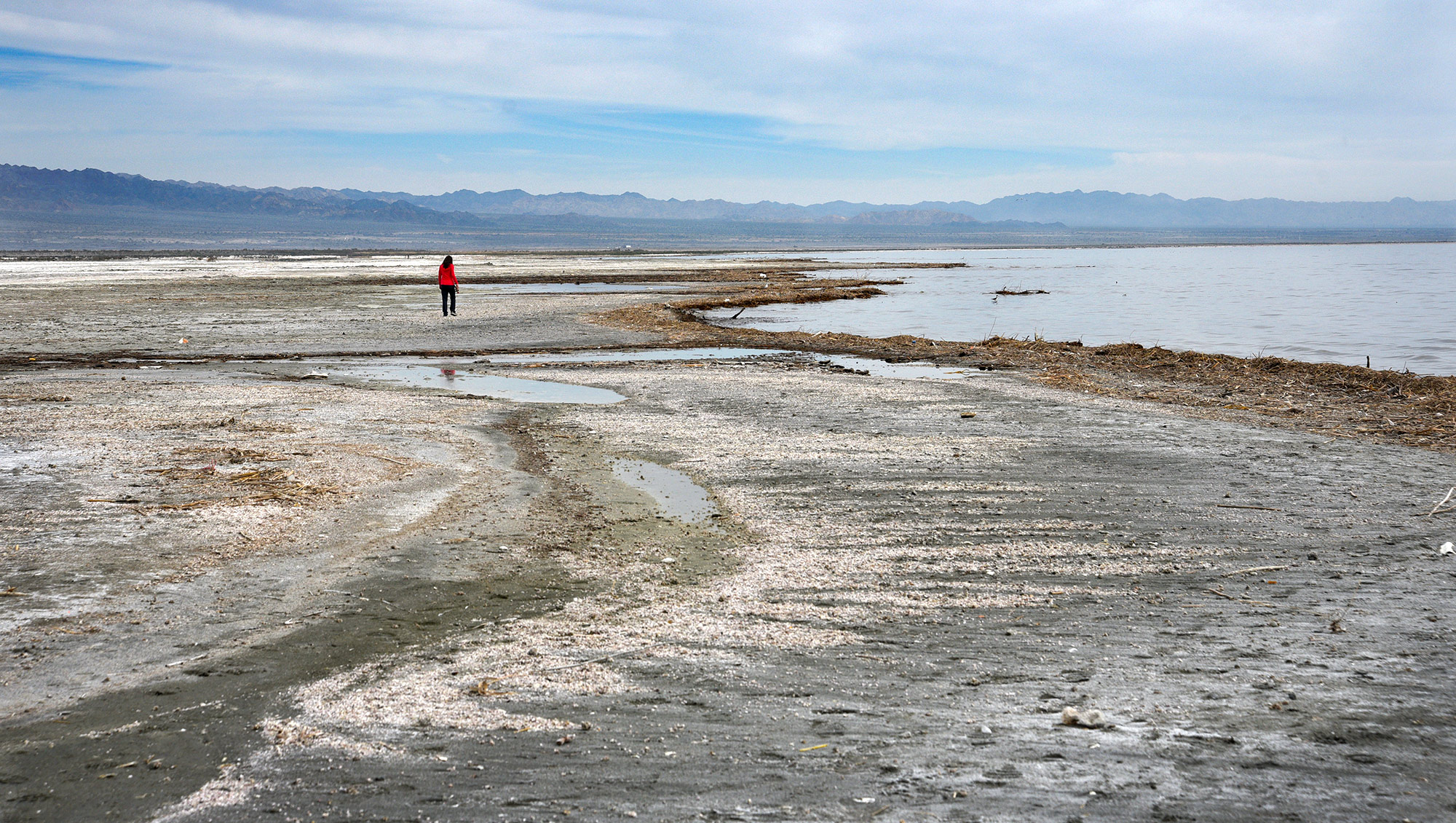
The glory days of the Salton Sea were, unfortunately, short-lived. The very characteristics that made it unique also sealed its fate. As an endorheic basin, the lake had no natural outlet, meaning that agricultural runoff from the surrounding Imperial and Coachella Valleys, laden with pesticides and fertilizers, continuously flowed into its waters. Compounding this, the intense desert sun caused rapid evaporation, leaving behind concentrated salts and pollutants. Over decades, the lake’s salinity surpassed that of the Pacific Ocean, becoming too saline for most fish species, leading to massive fish die-offs. The decomposition of these fish, combined with agricultural chemicals and high temperatures, resulted in a pungent, often overwhelming odor and recurring toxic dust storms from the exposed lakebed.
The environmental decline triggered a swift and dramatic exodus. Resorts emptied, businesses shuttered, and homes were abandoned, leaving behind ghost towns and eerie relics of a bygone era. Today, the once-bustling marinas stand empty, boats slowly decaying in the exposed mudflats, and resorts are crumbling monuments to a lost dream. This transformation from vibrant tourist hub to an ecological crisis zone makes the Salton Sea a powerful study in the delicate balance between human intervention and natural processes. For the discerning traveler interested in the raw, untamed aspects of nature and the poignant narrative of human endeavors, the desolate beauty of the Salton Sea offers a profound and unforgettable experience.
Navigating the Salton Sea Region: A Guide to Its Environs
While the Salton Sea itself is the undeniable focal point, the surrounding region offers a mosaic of experiences that range from the deeply artistic to the starkly natural. Exploring these environs allows visitors to fully grasp the unique character of this California landmark. For those planning a trip, understanding the local context enriches the entire travel experience, offering diverse activities and insights into a distinct Southern California lifestyle.
Exploring Nearby Towns and Attractions
The communities dotted along the shores of the Salton Sea provide a fascinating, if sometimes melancholic, glimpse into its past and present.
- Bombay Beach: Perhaps the most iconic and frequently photographed of the Salton Sea towns, Bombay Beach is a surreal blend of a living community and an art installation. What was once a bustling resort town is now partially submerged, with decaying piers and abandoned trailers creating an apocalyptic tableau. However, in recent years, artists have transformed parts of the town into an open-air gallery, with installations often called the “Bombay Beach Biennale.” This blend of desolation and unexpected creativity makes Bombay Beach a must-visit for those interested in alternative tourism and unique cultural expressions. The remaining residents, a resilient and often artistic community, contribute to its unique, offbeat atmosphere.
- Salton City and Desert Shores: These communities, while not as visually striking as Bombay Beach, also bear the scars of the Salton Sea’s decline. They offer a more direct view of the abandoned infrastructure – empty subdivisions, crumbling yacht clubs, and derelict buildings that once promised lavish lifestyles. For those fascinated by urban exploration or the history of failed developments, these towns provide a haunting landscape for contemplation.
- Niland: Just a short drive from the southeastern shore, Niland is a small town that serves as the gateway to some of the region’s most famous artistic landmarks. It’s less about traditional attractions and more about the unique, independent spirit found here.
- Salvation Mountain: Near Niland lies this vibrant, colorful, and utterly unique folk art environment created by Leonard Knight. Made of adobe, straw, and thousands of gallons of paint, Salvation Mountain is a testament to faith and unwavering dedication, declaring “God Is Love.” It’s an unforgettable landmark that draws visitors from around the globe and is an absolute highlight for anyone exploring the area, providing a stark contrast to the surrounding desolation.
- Slab City: Adjacent to Salvation Mountain is “The Last Free Place in America,” an off-grid community of squatters, snowbirds, and artists. Slab City is a fascinating, if challenging, example of alternative living, boasting its own library, internet cafe (powered by solar), and even an outdoor music venue called “The Range.” It’s a raw, unfiltered experience that embodies a defiant spirit of independence and anti-establishment lifestyle, offering a glimpse into a truly unconventional way of life.
Beyond the Shoreline: Natural Wonders and Cultural Curiosities
The broader region around the Salton Sea is rich in geological marvels and unique natural phenomena.
- Geothermal Fields: The southern end of the Salton Sea is one of California’s most active geothermal areas, with steam vents, bubbling mud pots, and hot springs hinting at the immense tectonic activity beneath the surface. This geological dynamism is directly related to the San Andreas Fault system that runs through the area, creating a landscape that is both beautiful and scientifically significant.
- Birdwatching: Despite its environmental challenges, the Salton Sea remains a critical stopover point for migratory birds along the Pacific Flyway. Millions of birds, including various species of ducks, geese, pelicans, and shorebirds, use the lake as a vital resting and feeding ground. Birdwatching is still a popular activity, especially in designated wildlife refuges along the lake’s shores, making it an important destination for eco-tourism and nature enthusiasts.
- Anza-Borrego Desert State Park: A short drive west of the Salton Sea, California’s largest state park offers stunning desert landscapes, slot canyons, palm oases, and badlands. It’s a fantastic extension for those seeking hiking, camping, and stargazing opportunities, showcasing the incredible biodiversity and rugged beauty of the Sonoran Desert.

Experiencing the Salton Sea Today: Tourism, Challenges, and Future Prospects
Visiting the Salton Sea today is an experience unlike any other, demanding a certain mindset from travelers. It’s a journey into a landscape of stark beauty, environmental struggle, and unexpected artistic expression. For those drawn to unique destinations and meaningful travel, it offers profound insights.
A Unique Travel Experience: What to Expect
A trip to the Salton Sea is an immersive experience in what might be termed “dark tourism” or “environmental tourism.” It’s less about traditional relaxation and more about contemplation and discovery.
- Photographic Opportunities: The raw, desolate beauty of the Salton Sea is a magnet for photographers. The decaying infrastructure, the surreal salt formations along the shore, the ghostly remains of fish, and the vibrant artistic expressions of places like Bombay Beach and Salvation Mountain create unparalleled visual narratives. Sunrise and sunset cast particularly dramatic light over the stark landscape, offering breathtaking, albeit haunting, vistas.
- Birdwatching and Nature: Despite the challenges, the Salton Sea remains a crucial stop for migratory birds. Visitors can still witness a remarkable array of species, especially during migration seasons. Dedicated birding spots and lookouts provide opportunities to observe wildlife, highlighting the enduring resilience of nature in adverse conditions.
- Exploring Ghost Towns and Art Installations: Walking through the semi-abandoned towns and discovering the vibrant, often thought-provoking art installations is a deeply engaging experience. It prompts reflection on human ambition, environmental impact, and the enduring human spirit to create and adapt. These sites serve as unique landmarks, not just for their physical presence but for the stories they tell.
- A Sense of History and Reflection: The Salton Sea tells a powerful story of boom and bust, of environmental consequence, and the complex relationship between humans and nature. A visit here is an opportunity for quiet reflection on these themes, offering a travel experience that goes beyond mere sightseeing.
It is important to manage expectations regarding amenities. The infrastructure that once supported tourism is largely gone. Expect limited services directly around the lake, though the nearby Coachella Valley cities offer more comprehensive options. Prepare for potential odors, especially on warm, stagnant days, and be aware of the harsh desert environment – sun protection, ample water, and appropriate clothing are essential.
The Future of the Salton Sea: Conservation and Revitalization Efforts
The dire environmental conditions of the Salton Sea have not gone unnoticed. For decades, various state and federal agencies, environmental groups, and local communities have grappled with the complex challenges of its restoration. The stakes are high, not only for the ecosystem but also for public health, as the exposed lakebed contributes to dust storms carrying toxins into surrounding agricultural areas and communities.
Current efforts primarily focus on dust suppression, habitat restoration, and water quality improvement. Large-scale projects aim to create shallow ponds and wetlands on the exposed playa, stabilizing the sediment and providing critical habitat for birds. There are also ongoing discussions and pilot projects exploring different methods to bring in freshwater, manage salinity, and address the ecological crisis. The scale of the problem is immense, requiring significant investment and long-term commitment. For visitors, understanding these ongoing efforts adds another layer of appreciation for the destination, showcasing human resilience and the global imperative for environmental stewardship. It transforms the site from merely a desolate landscape into a living laboratory and a testament to the challenges of modern conservation.
Planning Your Visit: Accommodation, Lifestyle, and Responsible Travel
For those intrigued by the unique allure of the Salton Sea, careful planning is essential to ensure a rewarding and responsible trip. While direct accommodation on the lake’s shores is extremely limited and not recommended for most travelers, nearby towns offer a range of options suitable for various lifestyles and budgets.
Where to Stay: Hotels and Resorts in the Region
Given the current state of the Salton Sea, traditional luxury resorts or family-friendly hotels are not found directly on its shores. Most visitors opt to stay in the more developed areas surrounding the lake.
- Palm Springs and the Coachella Valley: Located about an hour north of the Salton Sea, this area is the most popular choice for accommodation. Palm Springs offers a wide array of hotels, from boutique hotels like The Ace Hotel and Swim Club to high-end resorts such as The Ritz-Carlton, Rancho Mirage. Here, you can find luxurious suites, family-friendly resorts with extensive amenities, and even private villas or apartments for a more extended or private stay. This allows travelers to experience the vibrant desert lifestyle of Palm Springs while making day trips to the Salton Sea.
- Indio and La Quinta: These cities within the Coachella Valley offer more moderately priced hotel options and are slightly closer to the northern end of the Salton Sea. They are great for budget-conscious travelers or those looking for a base with easy access to both the lake and other desert attractions.
- El Centro and Brawley: Located in the Imperial Valley to the south, these agricultural cities offer more basic hotel chains and motels. They are closer to the southern end of the Salton Sea, Salvation Mountain, and Slab City. While lacking the resort amenities of Palm Springs, they provide convenient and affordable accommodation for exploring the southern reaches of the lake and its unique artistic communities.
- Camping: For the adventurous and self-sufficient, several primitive camping options are available in the surrounding desert areas, including designated spots within the Salton Sea State Recreation Area or nearby BLM land. This offers a truly immersive lifestyle experience for those who appreciate raw nature and stargazing. Always check current regulations and conditions before planning a camping trip.
Booking accommodations in advance, especially during peak season in the Coachella Valley, is always recommended. Utilizing comparison websites and checking reviews can help you find the best suites or apartments to suit your travel needs.
Embracing the Unique Lifestyle: Tips for Travelers
Visiting the Salton Sea is more than just a destination; it’s an encounter with a particular kind of lifestyle and an experience that challenges typical tourism.
- Responsible Tourism: Approach the Salton Sea with respect. Be mindful of the environment, avoid disturbing wildlife, and take out everything you bring in. If exploring abandoned structures, exercise extreme caution and respect private property. The site, while often visually striking, is also an environmental cautionary tale, and visitors should be sensitive to its complexities.
- Prepare for the Desert Climate: The Salton Sea region is part of the Sonoran Desert, meaning extreme temperatures are common, especially in summer. Bring plenty of water, wear sun protection (hats, sunscreen, sunglasses), and dress in layers. Strong winds can kick up dust, so eyewear and bandanas can be helpful.
- Embrace the Unconventional: This is not a pristine beach resort. Come with an open mind, ready to engage with a landscape that is both beautiful and melancholic, artistic and challenging. It’s an ideal trip for those seeking off-the-beaten-path experiences, photography adventures, or a deeper understanding of California’s diverse environmental and social landscapes.
- Safety First: Cell service can be spotty in some remote areas. Inform someone of your itinerary, especially if venturing off main roads. Be aware of your surroundings and avoid risky behaviors like climbing unstable structures.
- Combine with Other Destinations: The Salton Sea is easily combined with a trip to Palm Springs for a blend of desert luxury and raw exploration. Alternatively, it serves as an interesting stop on a longer Southern California road trip, perhaps connecting to Anza-Borrego Desert State Park or even a journey towards Joshua Tree National Park.
The Salton Sea offers a profound and singular travel experience. Its story, deeply woven into the fabric of California’s history and environmental challenges, makes it a compelling landmark. While it may not offer the typical amenities of a bustling tourist hub, for those who seek to understand the intricate dance between nature and human endeavor, and who appreciate beauty in unexpected places, the Salton Sea stands as an unforgettable destination. It is a place to reflect, to photograph, and to bear witness to a unique chapter in North America’s environmental narrative.