
Colorado, a state renowned for its majestic Rocky Mountains, pristine alpine lakes, and vibrant cities like Denver and Boulder, occasionally finds its iconic clear skies obscured by a tell-tale haze. This pervasive smoke, often a cause for concern for residents and a puzzle for first-time visitors, prompts a fundamental question: where exactly is it coming from? Understanding the sources of this smoke is crucial, not just for air quality awareness but also for appreciating the complex interplay of natural phenomena, human activity, and the profound impact on travel, tourism, and the very lifestyle of the Centennial State.
For those planning a memorable Colorado adventure, whether it’s a ski trip to Vail, a hiking expedition in Rocky Mountain National Park, or a cultural exploration in Aspen, the presence of smoke can significantly alter the experience. It affects everything from the clarity of scenic views to the comfort of outdoor activities and even the appeal of luxury accommodation choices that promise fresh mountain air. This article delves into the origins of Colorado’s smoke, explores its ramifications for the state’s thriving tourism sector, and offers insights for travelers looking to make the most of their visit, haze or no haze.
Unraveling the Mystery: Pinpointing Colorado’s Smoke Sources
The air quality in Colorado is influenced by a dynamic range of factors, but when smoke becomes noticeable, its origin can usually be traced to a few primary culprits, both local and distant. These sources often interact, creating a complex atmospheric mosaic that can shift with weather patterns and seasonal changes.
Wildfires: A Predominant Cause
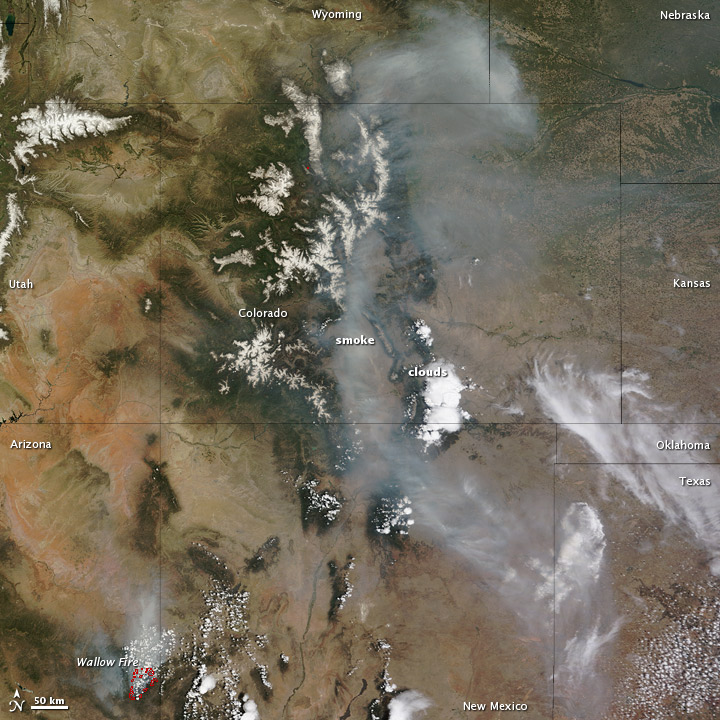
Undoubtedly, the most significant and often most dramatic source of smoke in Colorado is wildfires. The state’s arid climate, abundant forests, and increasing incidence of extreme weather conditions make it particularly susceptible to these natural disasters. Wildfires can erupt from a variety of causes, including lightning strikes, unattended campfires, discarded cigarettes, or even sparks from equipment. Once started, they can spread rapidly through dry underbrush and dense tree cover, especially during periods of drought and high winds.
When a major wildfire ignites within Colorado’s borders, such as those that have historically impacted areas near Colorado Springs, the Front Range, or the Western Slope, the smoke plume can be massive and far-reaching. These fires release tons of particulate matter, gases, and aerosols into the atmosphere, which are then carried by prevailing winds across vast distances. The sheer volume of smoke generated can significantly reduce visibility, taint the air with a distinct odor, and pose health risks to sensitive populations. Communities like Estes Park, a gateway to Rocky Mountain National Park, or those nestled deep within the San Juan National Forest, are particularly vulnerable to the direct impacts of nearby fires.
Prescribed Burns: A Management Tool
Not all smoke visible in Colorado is indicative of uncontrolled disaster. A significant portion comes from prescribed or controlled burns, which are intentionally set fires used as a land management tool by agencies like the U.S. Forest Service and local fire departments. These burns are carefully planned and executed under specific weather conditions to reduce fuel loads (dead trees, brush, and other vegetation) that could otherwise feed larger, more destructive wildfires.
While essential for forest health and wildfire prevention, prescribed burns do produce smoke. The timing of these burns is often strategic, typically occurring during cooler, wetter seasons when conditions are safer. However, depending on wind direction and atmospheric stability, the smoke from even a controlled burn can travel considerable distances, contributing to regional haze. Visitors might encounter smoke from these managed fires near popular hiking trails or scenic overlooks, particularly in areas like Pike National Forest or the Arapaho National Forest, without necessarily realizing its beneficial purpose.
Distant Echoes: Smoke from Neighboring Regions
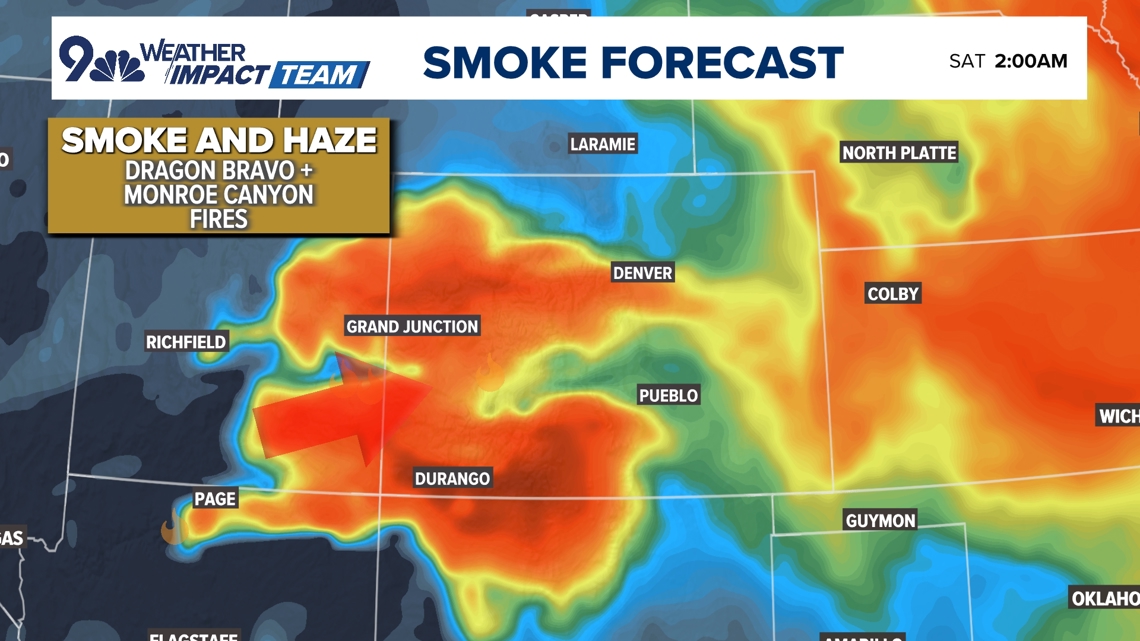
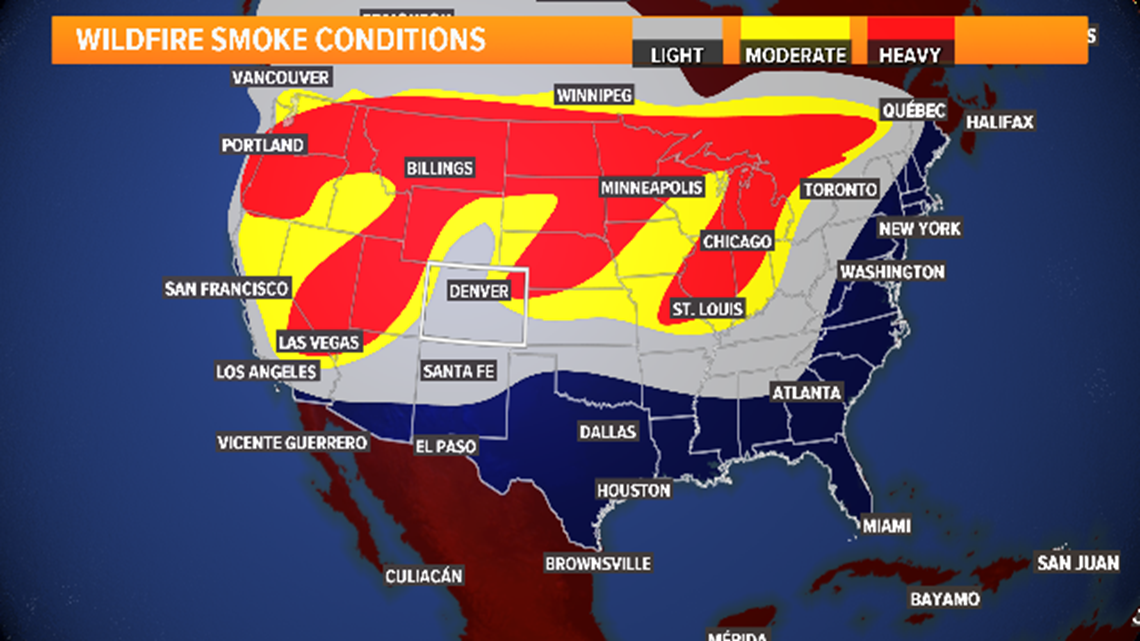
Perhaps the most common source of widespread smoke in Colorado that isn’t from a local fire is “imported” smoke from other states or even countries. Due to atmospheric circulation patterns, smoke plumes from large wildfires in states such as California, Oregon, Washington, Arizona, Utah, New Mexico, or even Canada can travel thousands of miles. The jet stream and prevailing westerly winds are particularly adept at transporting this smoke across the Western United States, often blanketing Colorado in a noticeable haze even when the state itself is fire-free.
This phenomenon is why Colorado residents might wake up to hazy skies and the smell of smoke despite no fires burning nearby. The smoke particles, suspended high in the atmosphere, scatter sunlight, leading to vibrant red and orange sunrises and sunsets but also contributing to an overall muted, hazy appearance during the day. This distant smoke can also impact air quality, particularly for sensitive groups, and is a significant factor that the Colorado Department of Public Health and Environment (CDPHE) continuously monitors.
Navigating the Haze: Impact on Colorado’s Tourism and Travel
The presence of smoke, regardless of its origin, has tangible effects on Colorado’s vital tourism industry, influencing everything from flight visibility to the enjoyment of outdoor activities and the perception of luxury travel.
Air Quality Concerns and Health Advisories
The most immediate impact of smoke is on air quality. Fine particulate matter (PM2.5) can penetrate deep into the lungs, exacerbating respiratory conditions, causing irritation, and posing risks, especially for children, the elderly, and individuals with heart or lung diseases. When smoke is prevalent, the CDPHE issues air quality alerts and advisories, recommending that sensitive groups limit outdoor activity.
For travelers, this means a potential disruption to plans centered around Colorado’s pristine natural environment. A planned hike up Pikes Peak, a scenic drive along the Mount Evans Scenic Byway, or a day exploring Garden of the Gods might become less appealing or even ill-advised if air quality is poor. Hotels and resorts, from the opulent The Broadmoor in Colorado Springs to the boutique offerings in Telluride, often adapt by enhancing indoor air filtration systems and promoting indoor activities.
Impact on Outdoor Attractions and Activities
Colorado’s allure largely stems from its vast outdoor playground. Skiing, snowboarding, hiking, mountain biking, fishing in the Colorado River, and exploring national parks like Mesa Verde National Park or Great Sand Dunes National Park and Preserve are peak experiences. Smoke can diminish these experiences by obscuring breathtaking vistas, irritating eyes and throats, and raising concerns about physical exertion in compromised air. The iconic view of the Maroon Bells near Aspen loses some of its magic when veiled in haze, and a concert at Red Rocks Amphitheatre might feel less exhilarating under smoky skies.
This impact can lead to a shift in traveler behavior, with some opting to postpone or cancel trips, while others seek out indoor attractions or areas less affected by smoke. The Colorado Tourism Office provides resources and updates to help visitors make informed decisions, emphasizing flexibility and safety.
Accommodation Considerations: From Luxury Resorts to Cozy Stays
The accommodation sector is also affected. While hotels and resorts cannot control external air quality, they can mitigate its impact. Luxury establishments, such as The Little Nell in Aspen or Hotel Jerome, might invest in advanced HVAC systems with HEPA filters to ensure pristine indoor air quality, maintaining their premium experience. Many properties in popular destinations like Breckenridge, Glenwood Springs, or Ouray also focus on promoting indoor amenities like spas, fine dining, or entertainment options as alternatives to outdoor activities.
For budget travelers or those opting for vacation rentals via services like Airbnb or VRBO, checking reviews and contacting hosts about air filtration or proximity to less smoky areas becomes important. Accommodation providers across Colorado have become more adept at communicating air quality conditions and offering flexible booking options, understanding that visitor health and satisfaction are paramount.
Traveler’s Guide: Planning Your Colorado Adventure Amidst Smoke
While smoke can be an unpredictable element of a Colorado visit, it doesn’t have to ruin your trip. With a proactive approach and a flexible mindset, travelers can still enjoy the state’s myriad attractions and experiences.
Monitoring Air Quality: Essential Resources
The first step for any traveler concerned about smoke is to monitor air quality conditions. Several reliable resources provide real-time data:
- AirNow: A national partnership of federal, state, and local agencies, providing a visual map of air quality across the U.S.
- Colorado Department of Public Health and Environment (CDPHE): Offers specific air quality forecasts and advisories for various regions within Colorado.
- Fire tracking maps: Websites like InciWeb (for wildfires) or local news outlets often provide information on active fires, which can indicate the source and trajectory of smoke.
Checking these resources regularly, especially in the days leading up to and during your trip, allows for informed decision-making and itinerary adjustments.
Adapting Your Itinerary: Indoor Alternatives and Scenic Drives
Flexibility is key. If outdoor activities are hampered by smoke, pivot to Colorado’s excellent indoor attractions. Explore museums in Denver like the Denver Art Museum or the Denver Museum of Nature & Science. Visit historic sites like the U.S. Air Force Academy near Colorado Springs or the mining heritage museums in towns like Leadville and Silverton.
Consider scenic drives that offer breathtaking views even through a light haze, or plan routes that take you to areas with better air quality. The Royal Gorge Bridge and Park, for example, offers stunning views and a chance to experience the canyon from various vantage points. Many towns, such as Fort Collins or Durango, boast vibrant downtown areas with unique shops, breweries, and restaurants, perfect for a day out of the smoky air.
Choosing Accommodations Wisely
When booking hotels or other accommodations, consider their features for air quality. Properties with modern HVAC systems, air purifiers, or those that specifically advertise enhanced indoor air quality measures can provide a more comfortable stay. For extended stays, look for apartments or villas that allow you to control your indoor environment. Many resorts, such as a Hyatt Regency or Ritz-Carlton property, are equipped with sophisticated climate control that minimizes outdoor air intrusion. It’s always a good idea to inquire directly with your chosen accommodation about their provisions for air quality during smoky periods.
Beyond the Haze: Colorado’s Resilience and Future of Sustainable Tourism
While smoke can be an unwelcome guest, it also highlights the urgent need for sustainable practices and conservation efforts to protect Colorado’s invaluable natural resources.
Conservation Efforts and Forest Management
The frequent presence of smoke underscores the importance of effective forest management, including prescribed burns, forest thinning, and responsible land use. These efforts, supported by government agencies and non-profits, are critical for reducing the intensity and frequency of severe wildfires, thereby minimizing smoke impacts in the long term. Travelers can support these initiatives by adhering to fire bans, practicing Leave No Trace principles, and supporting organizations dedicated to Colorado’s environmental health.
Supporting Local Communities
When smoke affects tourist destinations, local businesses, from small boutiques to large resorts, often bear the brunt of reduced visitor numbers. Travelers who choose to continue their plans, even with modifications, play a crucial role in supporting these communities. Opting for local restaurants, shopping at independent stores in towns like Grand Junction, or booking tours with local guides helps ensure the economic resilience of Colorado’s many charming towns.
The Enduring Appeal of Colorado
Despite the occasional haze, Colorado’s appeal remains undimmed. Its diverse landscapes, from the plains to the towering peaks, offer unparalleled beauty and adventure. The state’s vibrant culture, rich history, and commitment to preserving its natural heritage ensure that it continues to be a top destination for travelers worldwide. With informed planning and a flexible spirit, a trip to Colorado can still deliver unforgettable experiences, even when the air carries a whisper of smoke from distant lands or necessary local management. The temporary presence of smoke becomes a reminder of the wild, untamed beauty of the west and the ongoing efforts required to maintain its splendor for generations to come.