
Nestled in the heart of the American South, the University of Alabama stands as a beacon of academic excellence, rich history, and vibrant culture. For travelers, prospective students, and sports enthusiasts alike, pinpointing its exact location and understanding the surrounding area is the first step toward an unforgettable visit. This comprehensive guide will not only answer the fundamental question of “Where is The University of Alabama?” but also delve into the myriad attractions, accommodation options, and unique experiences that await in Tuscaloosa, Alabama, making it an essential read for anyone planning a trip to this iconic institution.
The University of Alabama, often affectionately known as “Bama” or “UA,” is much more than just a place of learning; it’s a destination that blends collegiate charm with Southern hospitality, historical significance, and a thriving local scene. Whether your visit is motivated by academic pursuits, a passion for collegiate football, or simply a desire to explore a captivating Southern city, this article will guide you through everything you need to know to maximize your travel experience.

Pinpointing the Heart of Crimson Tide Country
To truly understand where the University of Alabama is, one must first locate its home city: Tuscaloosa, Alabama. This vibrant city serves as the university’s backdrop, offering a unique blend of urban amenities and small-town charm, all steeped in deep Southern traditions.
The City of Tuscaloosa: A Southern Gem
Tuscaloosa is strategically positioned in the west-central part of Alabama, approximately 60 miles southwest of Birmingham, the state’s largest city. It sits gracefully along the banks of the Black Warrior River, a picturesque waterway that has historically played a crucial role in the city’s development and continues to offer recreational opportunities today. The city’s geographic location places it firmly within the humid subtropical climate zone, meaning visitors can expect warm, often humid, summers and mild winters, with pleasant spring and autumn seasons making for ideal travel times.
As the fifth-largest city in Alabama, Tuscaloosa boasts a population that swells significantly during the academic year with the influx of students, faculty, and university staff. This creates a dynamic and youthful energy that permeates the city, particularly around the downtown and campus areas. Founded in 1819, Tuscaloosa even served as the state capital of Alabama from 1826 to 1846, leaving behind a legacy of historic architecture and a rich cultural narrative that can be explored throughout its charming streets. Its past is intertwined with significant events in American history, including the Civil Rights Movement, adding layers of depth to any visit.
Navigating the University Campus
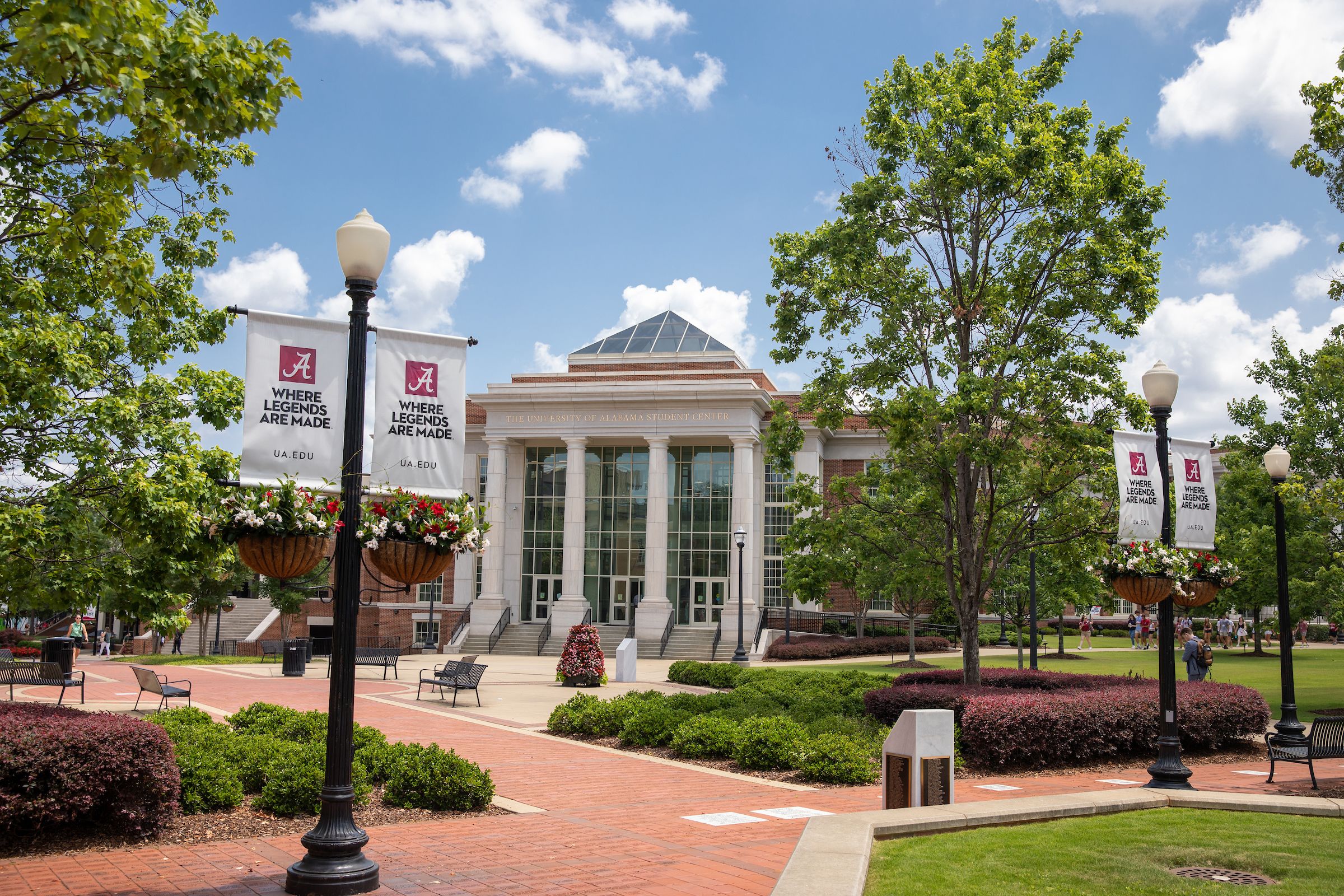
The University of Alabama’s main campus is a sprawling, beautifully landscaped expanse that seamlessly integrates with the city of Tuscaloosa. It’s not just a collection of buildings; it’s a carefully planned environment designed for learning, research, and community engagement. The campus occupies a significant footprint, primarily to the west of downtown Tuscaloosa, making it easily accessible from various parts of the city.
Visitors arriving on campus will be struck by its blend of historic Southern architecture and modern facilities. Iconic landmarks dot the landscape, offering visual anchors and points of interest. One of the most recognizable is Denny Chimes, a majestic campanile that stands proudly in the Quad, serving as a central meeting point and a symbol of the university. Nearby, the Gorgas House is the oldest building on campus, a testament to the university’s enduring legacy and architectural heritage. Of course, no mention of the University of Alabama campus would be complete without highlighting Bryant-Denny Stadium, the colossal home of the Crimson Tide football team. This legendary stadium is a pilgrimage site for college football fans, transforming into a vibrant sea of crimson and white on game days.
Beyond these landmarks, the campus is designed for walkability, with tree-lined avenues, green spaces, and distinct academic and residential districts. Navigating the campus is made easy with clear signage, and for those who prefer not to walk, the university operates a comprehensive transit system. For first-time visitors, starting at the Ferguson Center or the University Supply Store can be a good way to orient oneself and gather information about campus tours or specific departmental locations. The blend of historic charm and modern amenities across the campus creates an inviting atmosphere, encouraging exploration and appreciation of its academic and cultural significance.
Beyond the Bell Tower: Exploring Tuscaloosa’s Attractions
While the University of Alabama is undoubtedly the star attraction, Tuscaloosa offers a wealth of experiences that extend far beyond the campus borders. For visitors looking to immerse themselves in local culture, history, and recreation, the city presents a diverse array of options.
Cultural Immersion and Historical Significance
Tuscaloosa’s rich history and vibrant cultural scene provide ample opportunities for exploration. The city has done an admirable job of preserving its past while fostering a dynamic present.
History buffs will find themselves drawn to the Paul W. Bryant Museum, located on campus, which celebrates the legendary coach Bear Bryant and the illustrious history of Crimson Tide football. It’s a must-visit for any sports fan. For a broader historical perspective, the Alabama Museum of Natural History, also on campus, houses an extensive collection of fossils, minerals, and artifacts documenting Alabama’s natural heritage. Delving deeper into art and culture, the Westervelt Warner Museum of American Art showcases an impressive collection of American paintings and sculptures, providing a quiet retreat for art enthusiasts.
The city itself is a living museum. A stroll through downtown Tuscaloosa reveals beautifully preserved buildings from its time as the state capital. Historic churches, antebellum homes, and monuments tell tales of bygone eras. Furthermore, Tuscaloosa played a poignant role in the Civil Rights Movement, and sites across the city offer opportunities for reflection and learning about this critical period in American history. These cultural and historical landmarks offer visitors a profound insight into the fabric of the South.
Outdoor Adventures and Local Flavor
Tuscaloosa’s natural setting along the Black Warrior River provides a scenic backdrop for various outdoor activities. Manderson Landing, a beautiful park and riverwalk, is perfect for a leisurely stroll, a picnic, or simply enjoying the river views. It’s a popular spot for jogging, cycling, and kayaking, offering a serene escape within the city limits. Capitol Park, the former site of Alabama’s statehouse, now features ruins and historical markers amidst lush green spaces, providing a picturesque and educational outdoor experience.
The culinary scene in Tuscaloosa is another highlight, offering a true taste of the South. From classic barbecue joints and soulful Southern comfort food to modern farm-to-table restaurants and international cuisine, there’s something to satisfy every palate. Exploring the local eateries is an experience in itself, with many establishments reflecting the city’s unique charm and hospitality. Don’t miss out on trying local specialties or visiting the farmers’ market for fresh, regional produce. The thriving restaurant and bar scene, particularly in the downtown area, provides ample options for dining out and experiencing the local nightlife.
Accommodation and Hospitality in Tuscaloosa
Whether you’re visiting for a football game, a campus tour, a business trip, or an extended stay, Tuscaloosa offers a wide range of accommodation options to suit every preference and budget. The hospitality sector here is well-developed, ensuring visitors can find comfortable and convenient lodging.
On-Campus and Near-Campus Stays
For those who wish to be as close to the university action as possible, several hotels are strategically located within walking distance or a very short drive from the main campus. These options are particularly popular during major university events like graduation or football weekends, so booking well in advance is highly recommended. Hotels such as the Hotel Capstone, often associated with the university, offer convenient access to campus facilities and often host university-related events. Staying in this area provides unparalleled convenience, allowing visitors to easily immerse themselves in the campus atmosphere without the hassle of long commutes. Many of these properties cater specifically to university visitors, often offering shuttle services or special packages.
Diverse Hotel Options for Every Traveler
Tuscaloosa’s hotel landscape is varied, providing choices from luxurious boutique hotels to comfortable, budget-friendly establishments. For travelers seeking upscale amenities and sophisticated design, options like The Alamite, a Tribute Portfolio Hotel or Hotel Indigo Tuscaloosa Downtown provide a chic experience, often featuring on-site restaurants, fitness centers, and stylishly appointed suites. These properties are often located in the revitalized downtown area, putting guests within easy reach of dining, entertainment, and the riverfront.
Mid-range and family-friendly options abound, with reputable chains like Embassy Suites by Hilton Tuscaloosa Downtown offering spacious suites, complimentary breakfasts, and amenities suitable for longer stays or family trips. For budget-conscious travelers who still prioritize comfort and cleanliness, hotels such as Comfort Inn & Suites Downtown Tuscaloosa offer excellent value without compromising on essential amenities. Many hotels provide free Wi-Fi, parking, and a welcoming atmosphere, ensuring a pleasant stay for all guests.
Alternative Lodging and Long-Term Stays
Beyond traditional hotels, Tuscaloosa also offers a growing selection of alternative accommodation options. Vacation rentals, including apartments and entire homes listed on platforms like Airbnb or VRBO, are popular choices for families, groups, or those seeking a more localized experience. These rentals often come with fully equipped kitchens, multiple bedrooms, and living areas, offering a “home away from home” feel. For visitors planning an extended stay, perhaps for a semester, a long-term project, or a prolonged family visit, serviced apartments or extended-stay hotels like Homewood Suites by Hilton Tuscaloosa provide ideal solutions with amenities such as kitchenettes and laundry facilities. These options are perfect for those who desire more space and self-sufficiency than a standard hotel room offers, making them an excellent choice for business travelers, academics, or anyone enjoying a more leisurely exploration of the area.
Planning Your Visit: Tips for an Unforgettable Alabama Experience
A trip to the University of Alabama and Tuscaloosa can be incredibly rewarding with a little planning. Considering the best time to visit, understanding transportation, and embracing local lifestyle tips will enhance your overall experience.
Best Time to Visit and Event Highlights
The atmosphere in Tuscaloosa varies dramatically depending on the time of year. Fall (September to November) is arguably the most popular, thanks to the thrilling college football season. Game days are electric, with the entire city draped in crimson and white. However, this also means higher accommodation prices and crowds, so booking well in advance is crucial. Spring (March to May) offers pleasant weather, beautiful blooming azaleas, and various academic events, including graduation ceremonies, which also draw significant crowds. Summer (June to August) can be hot and humid, but the campus is quieter, making it ideal for relaxed campus tours or exploring the city without the hustle and bustle. Winter (December to February) is mild and offers a more subdued experience, though holiday decorations can add a festive touch.
Beyond football, Tuscaloosa hosts numerous events throughout the year, from arts and music festivals to local markets and cultural celebrations. Checking the official Tuscaloosa and University of Alabama calendars before your trip can help you align your visit with an event that piques your interest.

Transportation and Accessibility
Most visitors to Tuscaloosa arrive by car, as it offers the most flexibility for exploring the city and surrounding areas. Tuscaloosa is well-connected by major interstates, including I-20/59. For those flying in, Birmingham-Shuttlesworth International Airport (BHM) is the closest major airport, about an hour’s drive northeast. Car rental services are readily available at BHM, and shuttle services can also be arranged. While on campus, the university’s bus system is efficient, and walking is a great way to experience the picturesque grounds. For getting around Tuscaloosa, ride-sharing services and local taxis are available, though having your own vehicle provides the most freedom.
Lifestyle and Budgeting Your Trip
Tuscaloosa caters to a range of lifestyles and budgets. For luxury travelers, boutique hotels and upscale dining experiences offer refined comforts. Families will find ample kid-friendly attractions, parks, and restaurants, with many hotels offering suites or connecting rooms. Business travelers can leverage modern conference facilities and hotels with business centers, enjoying efficient services during their stay. Budget travelers can take advantage of affordable hotel options, free attractions like parks and riverwalks, and numerous casual dining spots that offer great value.
Embracing the local lifestyle means being open to Southern hospitality, savoring hearty Southern cuisine, and perhaps even engaging in some friendly banter about college football. Tipping etiquette is standard, and a friendly “hello” goes a long way. Overall, Tuscaloosa offers a welcoming atmosphere, combining academic prestige with a laid-back Southern charm that makes every visit memorable. From cheering on the Crimson Tide to exploring historic landmarks and enjoying the vibrant downtown, the University of Alabama and its home city provide a rich tapestry of experiences for every type of traveler.