
As the sun-drenched state of Arizona conjures images of arid deserts and towering saguaros, many visitors are surprised to learn that it’s also a destination that experiences winter wonderlands. While the southern regions may bask in mild temperatures, the higher elevations of Arizona transform into snow-laden landscapes, offering a unique and unexpected winter escape. For those seeking a white Christmas or a thrilling snow-filled adventure, the question of “Where is there snow in Arizona right now?” becomes paramount. This guide aims to answer that very question, delving into the prime snow destinations within the state, the activities they offer, and how you can best plan your snowy sojourn.
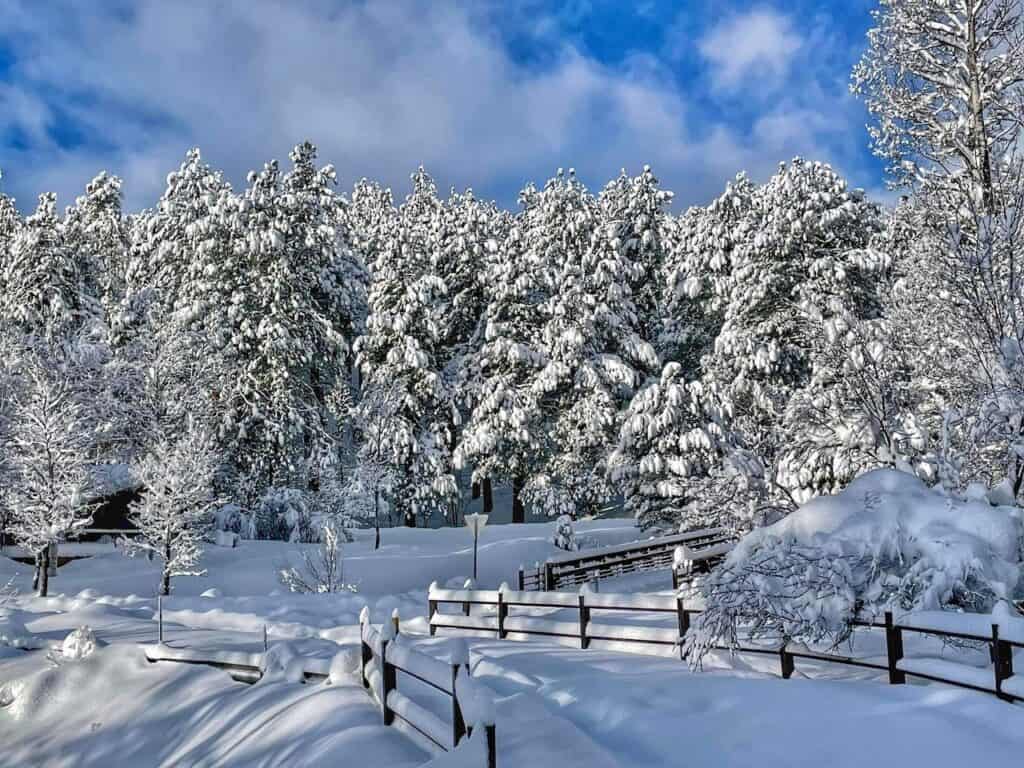
From the majestic peaks of the White Mountains to the charming alpine villages, Arizona boasts several locales where winter truly makes its mark. These areas provide a stark contrast to the typical desert narrative, inviting travelers to experience a different facet of the Grand Canyon State. Whether you’re an avid skier, a curious nature lover, or simply someone looking to build a snowman under a clear blue Arizona sky, understanding where to find the snow is the first step to an unforgettable winter experience.
Embracing Winter in Arizona’s High Country
The magic of snow in Arizona is largely confined to its higher elevations. The diverse topography of the state, ranging from desert plains to mountainous ranges, creates distinct climate zones. It is in these cooler, elevated regions that winter precipitation manifests as snow, blanketing the landscape in a pristine white. The White Mountains, a significant mountain range in eastern Arizona, is the undisputed king of snow in the state. Here, elevations frequently exceed 7,000 feet, creating conditions ripe for regular snowfall during the winter months.
Beyond the White Mountains, other high-elevation areas in northern and central Arizona can also receive significant snowfall. This includes regions surrounding cities like Flagstaff and the San Francisco Peaks, which are often dusted with snow, sometimes even before the official start of winter. The cooler climate in these areas, a direct result of their altitude, means that even if the desert floor remains warm, the mountaintops are busy accumulating snow.
The Crown Jewel: The White Mountains
The White Mountains of eastern Arizona are the most reliable and extensive snow destination in the state. This mountain range is a winter wonderland, particularly from late November through March, and sometimes even into April. The higher peaks, such as Mount Baldy and Escudilla Mountain, consistently receive the most snow, making them prime spots for winter sports and scenic enjoyment.
Exploring Sunrise Park Resort: Arizona’s Premier Ski Destination
For those seeking downhill thrills, Sunrise Park Resort is Arizona‘s premier ski destination, located within the White Mountains. This resort offers a variety of slopes catering to all skill levels, from gentle beginner runs to challenging expert trails. With multiple peaks and a substantial vertical drop, Sunrise Park Resort provides a genuine mountain skiing experience. The resort typically opens for the season as soon as snow conditions are favorable, often by Thanksgiving weekend.
When visiting Sunrise Park Resort, it’s essential to check their snow report for the most up-to-date information on conditions, lift operations, and trail openings. The resort also offers equipment rentals and ski lessons, making it accessible for beginners. Beyond skiing and snowboarding, the White Mountains in winter present opportunities for snowshoeing, cross-country skiing, and simply enjoying the breathtaking snowy vistas. The crisp mountain air and the serene beauty of the snow-covered Ponderosa pines create an idyllic escape.
Beyond the Slopes: Other White Mountains Winter Activities
While Sunrise Park Resort is a major draw, the White Mountains offer a plethora of other winter activities for those who prefer a more relaxed or nature-focused experience. Snowshoeing trails crisscross the region, allowing visitors to explore the silent, snow-laden forests at their own pace. Many of these trails are well-maintained and offer stunning views. For a more immersive experience, consider cross-country skiing through the picturesque landscapes.
The towns within the White Mountains, such as Pinetop-Lake, Show Low, and Eagar, embrace their winter roles. These charming communities offer cozy lodging options, from rustic cabins to comfortable inns. They also provide local dining experiences, where you can warm up with hearty meals after a day in the snow. Visitors can enjoy activities like ice skating, sledding in designated areas, or simply taking a leisurely drive through the snow-covered scenery. The Apache-Sitgreaves National Forest provides a vast playground for winter exploration, with many scenic drives and pull-offs offering unparalleled views of the snow-draped wilderness.
Flagstaff and the San Francisco Peaks: A Northern Snow Hub

North of the sprawling desert of central Arizona, the landscape dramatically shifts as you ascend towards the San Francisco Peaks. This volcanic mountain range, the highest in Arizona, is home to Flagstaff, a city that frequently experiences winter snow. While not as extensive as the White Mountains, Flagstaff offers a vibrant mountain city experience coupled with reliable snow, making it a popular destination for both locals and tourists seeking a winter getaway.
Arizona Snowbowl: High-Altitude Thrills
Dominating the skyline near Flagstaff are the majestic San Francisco Peaks, and it is here that Arizona Snowbowl is situated. This ski resort is renowned for its high elevation, which often means it receives abundant snowfall. With a base elevation significantly higher than most other ski resorts in the Southwest, Arizona Snowbowl boasts one of the longest ski seasons in the region. The resort offers challenging terrain, breathtaking panoramic views of the surrounding desert and plateau, and modern lift systems.
Arizona Snowbowl is a must-visit for skiers and snowboarders who appreciate steep runs and incredible scenery. The resort’s consistent snowfall makes it a reliable spot for winter sports enthusiasts. It’s advisable to check the Arizona Snowbowl website for current snow conditions, operating hours, and any special events. Even if you’re not a skier, a drive up towards the resort can offer stunning winter vistas and the chance to experience snow in a dramatic desert-mountain setting.
Exploring Flagstaff in Winter
Flagstaff itself transforms into a charming winter town when snow falls. The historic downtown area, with its brick buildings and quaint shops, takes on a picturesque quality under a blanket of white. Visitors can enjoy browsing the boutiques, art galleries, and bookstores, or savoring a hot beverage at one of the many cozy cafes. The city offers a wide range of accommodation options, from boutique hotels to well-known chains, catering to various budgets and preferences.
Beyond the urban charm, Flagstaff serves as an excellent base for exploring the surrounding snowy landscapes. Activities like snowshoeing and cross-country skiing are popular in areas like the Fatman’s Loop Trail or the trails around the Arizona Snowbowl Nordic Center. Visitors can also enjoy scenic drives through the snow-covered ponderosa pine forests. For families, Flagstaff often offers sledding hills and opportunities for building snowmen. The city’s proximity to Grand Canyon National Park also means that even if the South Rim isn’t covered in snow, the journey through the winter landscape can be a memorable part of the trip.
Planning Your Arizona Snow Adventure
As the allure of snow in Arizona beckons, careful planning will ensure your winter experience is as seamless and enjoyable as possible. Understanding the seasonality of snow in these regions and preparing for winter driving conditions are crucial elements.
When to Find Snow: Seasonality and Snow Reports
The snow season in Arizona‘s high country typically runs from late November or early December through March, with occasional snow persisting into April in the highest elevations. The White Mountains generally receive more consistent and deeper snowfall compared to the San Francisco Peaks.
Crucially, checking snow reports before your trip is essential. Websites for Sunrise Park Resort and Arizona Snowbowl provide real-time updates on snowfall, trail conditions, and lift operations. Local tourism websites for areas like Flagstaff and the White Mountains can also offer valuable insights into current weather conditions and winter activity recommendations. Remember that weather can be unpredictable, and early or late season snow can vary significantly year to year.

Essential Preparations: Driving and Packing
Navigating Arizona‘s snowy roads requires preparation. If you plan to drive to the mountain regions, especially during winter months, ensure your vehicle is equipped for snow. This includes having good tires, carrying a full tank of gas, and packing an emergency kit with blankets, water, snacks, a first-aid kit, and a flashlight. Many mountain roads in Arizona can become treacherous during and after snowfall, and chains might be required. Always check road conditions with the Arizona Department of Transportation (ADOT) before you set off.
When it comes to packing, layering is key. Even on a sunny winter day, temperatures in the mountains can be significantly colder than in the desert. Pack warm clothing, including waterproof outer layers, thermal base layers, gloves, hats, and sturdy, waterproof footwear. Sunscreen and sunglasses are also important, as snow can intensify the sun’s rays. For those planning on outdoor activities, consider specialized gear for skiing, snowboarding, or snowshoeing.
In conclusion, Arizona offers a surprising and delightful winter escape for those willing to venture beyond the desert’s familiar embrace. From the extensive snowfields of the White Mountains to the high-altitude excitement of Flagstaff and the San Francisco Peaks, the Grand Canyon State provides diverse opportunities for winter adventure and serene snowy beauty. By understanding where the snow falls and preparing accordingly, you can unlock a truly unique and memorable Arizona experience.
LifeOutOfTheBox is a participant in the Amazon Services LLC Associates Program, an affiliate advertising program designed to provide a means for sites to earn advertising fees by advertising and linking to Amazon.com. Amazon, the Amazon logo, AmazonSupply, and the AmazonSupply logo are trademarks of Amazon.com, Inc. or its affiliates. As an Amazon Associate we earn affiliate commissions from qualifying purchases.