
The University of Arizona (often simply referred to as “UA” or “UofA”) is prominently located in the vibrant city of Tucson, Arizona, nestled in the heart of the awe-inspiring Sonoran Desert. Far more than just an academic institution, the university and its surrounding city present a dynamic destination for travelers, prospective students, alumni, and families alike, offering a rich tapestry of educational pursuits, cultural experiences, outdoor adventures, and exceptional accommodation options. For anyone planning a visit, understanding the university’s precise location and the myriad of attractions Tucson has to offer is key to crafting an unforgettable journey. This comprehensive guide delves into everything you need to know about visiting the University of Arizona and exploring its captivating desert home.
Tucson: The Heart of the Sonoran Desert Oasis
The city of Tucson itself is a major draw, boasting a unique blend of Native American, Spanish, Mexican, and Anglo-American influences that have shaped its distinctive character. Situated in the southern part of Arizona, approximately 110 miles south of Phoenix and 60 miles north of the U.S.-Mexico border, Tucson serves as the county seat of Pima County. Its geographical position provides a stunning backdrop of rugged mountains, including the Santa Catalina Mountains to the north, the Rincon Mountains to the east, the Santa Rita Mountains to the south, and the Tucson Mountains to the west. This dramatic setting is not just picturesque; it offers a diverse range of ecosystems within the larger Sonoran Desert, renowned for its unique flora and fauna, most notably the iconic saguaro cactus.
A Desert Gem with a Rich History
Tucson’s history stretches back over 4,000 years, making it one of the longest continuously inhabited areas in North America. Originally home to the Tohono O’odham and Pima tribes, the area later became a Spanish presidio in the late 18th century. This layered past is evident throughout the city, from the historic Barrio Viejo neighborhood with its colorful adobe homes to the mission architecture that dots the landscape. This profound history deeply enriches the tourism experience, offering visitors a chance to connect with centuries of cultural evolution. The city’s recognition as a UNESCO City of Gastronomy further underscores its rich heritage, blending indigenous ingredients with Mexican and Spanish culinary traditions to create a vibrant food scene that is a destination in itself.
Navigating to the University of Arizona
Reaching the University of Arizona and Tucson is straightforward, whether you’re traveling by air or by road. The primary gateway is Tucson International Airport (TUS), located just 8 miles south of Downtown Tucson and the university campus. TUS offers direct flights to several major U.S. cities, making access convenient. For those flying internationally or looking for more flight options, Phoenix Sky Harbor International Airport (PHX) is a larger hub located about a 1.5-hour drive north. From Phoenix, visitors can rent a car, take a shuttle service, or use intercity buses to reach Tucson.
Once in Tucson, getting to the University of Arizona campus is simple. The university is centrally located, just east of Downtown Tucson. The Sun Link streetcar conveniently connects the university area with Downtown, Fourth Avenue, and the Mercado San Agustin district, offering an easy and scenic way to explore. Ride-sharing services, taxis, and public buses are also readily available, and for those who prefer to drive, parking garages are located throughout the campus and surrounding areas.

The University of Arizona: A Hub of Education and Culture
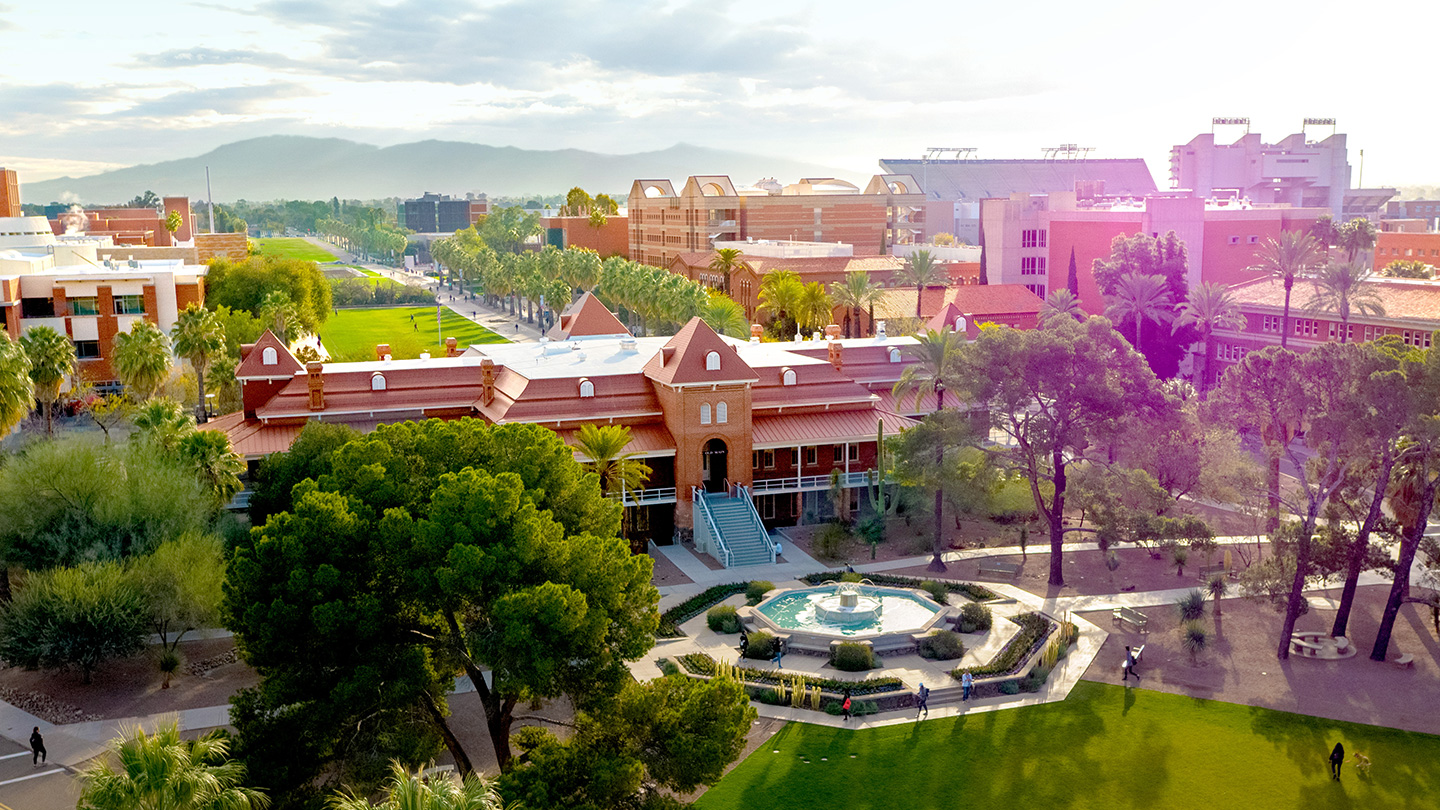
The University of Arizona campus itself is a significant landmark and a captivating destination for visitors. Established in 1885, it is the state’s first university and a leading public research institution. Its sprawling campus covers over 380 acres, characterized by its distinctive red-brick architecture, lush green spaces, and a palpable sense of academic energy. The university’s presence significantly influences Tucson’s cultural and social fabric, offering a vibrant atmosphere that extends beyond its academic mission.
Campus Life and Architectural Wonders
A stroll through the University of Arizona campus reveals an impressive array of architectural styles, from the historic Old Main building, a quintessential example of Territorial architecture, to modern, state-of-the-art facilities. The campus is designed for walking, with tree-lined malls and open quads that invite exploration. Visitors can admire the iconic Centennial Hall, a performing arts venue, or explore the Main Library and its impressive collections. For sports enthusiasts, the Arizona Stadium and the McKale Center are pilgrimage sites, home to the beloved Arizona Wildcats sports teams, where the energy of game days is truly infectious. Experiencing a university event, whether it’s a lecture, a concert, or a sporting event, provides a unique glimpse into the local lifestyle and community spirit.
Beyond Academics: University-Related Attractions
The University of Arizona is home to several public attractions that are must-sees for any visitor. The Arizona State Museum, the oldest and largest anthropological research museum in the Southwest, showcases the rich cultural heritage of the region’s indigenous peoples. Adjacent to it, the Center for Creative Photography houses an internationally renowned collection of 20th-century North American photography. For those interested in natural sciences, the Flandrau Science Center & Planetarium offers engaging exhibits and celestial shows that are perfect for families. These university-affiliated attractions not only enrich the academic environment but also provide valuable experiences for tourists, blending education with entertainment seamlessly.
Discovering Tucson’s Wider Appeal: Attractions and Experiences
Beyond the campus, Tucson unfolds as a treasure trove of travel experiences. Its unique blend of desert beauty, rich history, and vibrant culture makes it an ideal destination for various types of travelers, from adventure seekers to history buffs and foodies.
Natural Wonders and Outdoor Adventures
The breathtaking Sonoran Desert provides an unparalleled playground for outdoor enthusiasts. Saguaro National Park, divided into two districts flanking Tucson, is famous for its dense forests of giant saguaro cacti, offering stunning hiking trails, scenic drives, and incredible opportunities for wildlife viewing. A drive up Mount Lemmon, the highest point in the Santa Catalina Mountains, transforms the desert landscape into a pine forest, complete with cooler temperatures, hiking trails, and even a ski resort in winter. The Arizona-Sonora Desert Museum is another unique attraction, functioning as a zoo, botanical garden, art gallery, and natural history museum, all focused on the natural environment of the Sonoran Desert. These natural landmarks provide endless opportunities for adventure travel and connecting with nature.
Culinary Journeys and Local Flavors
Tucson’s designation as a UNESCO City of Gastronomy is a testament to its exceptional food scene. The city’s culinary landscape is deeply rooted in its multicultural heritage, with a strong emphasis on Sonoran Mexican cuisine and traditional Native American ingredients. Iconic eateries like El Charro Café, America’s oldest family-run Mexican restaurant, offer classic dishes that have been perfected over generations. Fourth Avenue and the Downtown area are bustling with diverse restaurants, cafes, and breweries, providing everything from upscale dining to casual street food. Exploring Tucson’s food scene is an integral part of understanding its local culture and an absolute highlight for any visitor.
Arts, History, and Heritage
For those interested in history and culture, Tucson offers a wealth of sites. The historic Mission San Xavier del Bac, known as the “White Dove of the Desert,” is a stunning example of Spanish Colonial architecture and a functioning church with a rich history. Old Tucson Studios, originally built as a movie set, now offers a glimpse into the Old West with live entertainment and historical exhibits. The Pima Air and Space Museum is one of the world’s largest non-government funded aerospace museums, housing an impressive collection of aircraft. Art lovers will appreciate the numerous galleries in Downtown and Historic Fourth Avenue, showcasing local, national, and international artists.
Where to Stay: Accommodation Options in Tucson
Tucson provides a wide range of accommodation options to suit every budget and travel style, from luxurious resorts nestled in the foothills to boutique hotels downtown and convenient stays near the University of Arizona campus.
Luxury Resorts and Boutique Hotels
For those seeking a lavish retreat, Tucson boasts several world-class resorts, many offering breathtaking desert views, championship golf courses, and rejuvenating spa services. The Loews Ventana Canyon Resort, nestled in the Catalina Foothills, provides an upscale experience with mountain vistas and a natural waterfall. The JW Marriott Tucson Starr Pass Resort & Spa offers an immersive Sonoran Desert experience with luxurious suites and extensive amenities. For a truly exclusive stay, The Ritz-Carlton, Dove Mountain in Marana provides unparalleled service and desert tranquility. In Downtown Tucson, boutique hotels like the historic Hotel Congress offer unique charm and a vibrant nightlife scene.
Budget-Friendly and Extended Stay Solutions
Travelers on a budget will find numerous comfortable and affordable hotels and motels throughout Tucson, particularly along major thoroughfares. Brands like La Quinta Inn & Suites, Comfort Inn, and Holiday Inn Express offer reliable service and value. For those planning a longer stay, or desiring more space and independence, serviced apartments and extended-stay hotels such as Embassy Suites or Homewood Suites provide kitchenette facilities and additional living areas. Vacation rentals and villas are also popular options, especially for families or groups, offering a home-away-from-home experience with local flavor.
Booking Tips for a Seamless Stay
When booking your accommodation, consider its proximity to the University of Arizona if that’s your primary focus. Hotels like the Graduate Tucson are specifically designed with university visitors in mind, offering a convenient location and collegiate-inspired decor. Always read reviews and use comparison sites to find the best deals. Peak seasons, such as university graduation, major sporting events, or popular spring travel times, can lead to higher prices and limited availability, so booking in advance is highly recommended. Many resorts and hotels offer special packages that might include dining credits, spa treatments, or activity discounts, enhancing your overall experience.
Tailoring Your Tucson Lifestyle Experience
Visiting Tucson and the University of Arizona can be customized to suit any traveler’s preferences, from luxury travel to a budget-conscious trip. Understanding your personal lifestyle and priorities will help shape your ideal itinerary.
Family Fun and Student Visits
For family trips, Tucson offers numerous kid-friendly attractions like the Children’s Museum Tucson, Reid Park Zoo, and the interactive exhibits at Flandrau Science Center & Planetarium. Visiting prospective students and their families will find campus tours invaluable, along with exploring the nearby Fourth Avenue for student-friendly eateries and shops. The university area often hosts events and festivals that can add extra excitement to a family visit.
Business Trips and Solo Exploration
Tucson also serves as a hub for business stays, particularly in fields related to aerospace, optics, and technology, often attracting conferences and corporate visitors. Many hotels cater to business travelers with amenities such as meeting rooms, high-speed internet, and executive suites. Solo travelers will appreciate Tucson’s safe and welcoming atmosphere, with plenty of opportunities for independent exploration, from hiking in the desert to delving into the city’s unique cultural offerings at their own pace.
Budget vs. Luxury: Crafting Your Ideal Trip
Whether you’re planning a luxury escape or a more budget-conscious adventure, Tucson accommodates all preferences. A luxury trip might involve staying at a five-star resort, indulging in gourmet dining, and enjoying guided private tours of the desert. Conversely, a budget trip could focus on affordable accommodation, exploring free landmarks like Saguaro National Park’s scenic drives, and sampling delicious, inexpensive Mexican street food. The key is to leverage travel guides and local tips to maximize your experience while adhering to your desired spending level.
In conclusion, the University of Arizona is located in Tucson, Arizona, a city that offers much more than just a prestigious academic institution. It is a destination rich in history, natural beauty, and cultural vibrancy, providing a diverse array of attractions and experiences for every type of traveler. From exploring the iconic Sonoran Desert landscapes and significant landmarks to savoring its unique culinary scene and enjoying comfortable accommodation, Tucson promises a rewarding and memorable journey for all who visit.
LifeOutOfTheBox is a participant in the Amazon Services LLC Associates Program, an affiliate advertising program designed to provide a means for sites to earn advertising fees by advertising and linking to Amazon.com. Amazon, the Amazon logo, AmazonSupply, and the AmazonSupply logo are trademarks of Amazon.com, Inc. or its affiliates. As an Amazon Associate we earn affiliate commissions from qualifying purchases.