
The question “Where Is the University of Miami?” might seem straightforward, but for many, it opens a gateway to exploring the vibrant city of Miami itself, a destination brimming with culture, sunshine, and endless possibilities. While the university is a prominent institution, understanding its location is intrinsically tied to appreciating the broader Miami experience, from its captivating beaches and bustling arts scenes to its rich history and diverse culinary landscape. This guide delves into the geographical heart of the University of Miami, while simultaneously painting a picture of the surrounding region as a prime travel destination.

The Geographic Heart: Coral Gables and Its Surroundings
The University of Miami, affectionately known as UM, is not a singular entity but rather a multi-campus institution. However, its primary and most iconic campus, the Coral Gables campus, serves as the focal point for many inquiries. Nestled within the picturesque city of Coral Gables, often referred to as “The City Beautiful,” the university enjoys a setting that is as aesthetically pleasing as it is strategically located.
The Coral Gables Campus: A Hub of Academia and Beauty
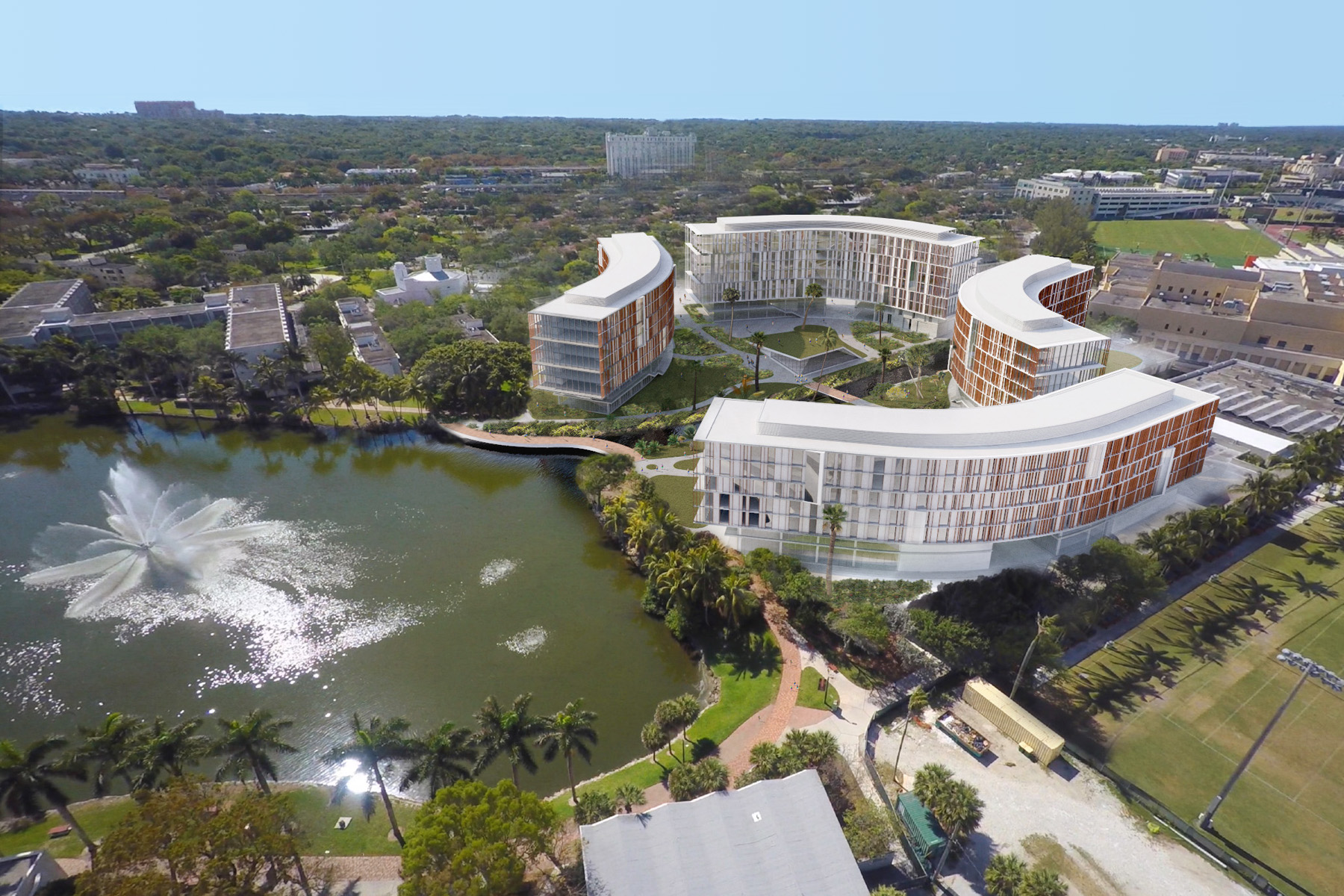
The Coral Gables campus is a sprawling testament to thoughtful urban planning and architectural beauty. Designed with Mediterranean Revival influences, its buildings are characterized by red-tiled roofs, stucco exteriors, and charming courtyards, seamlessly blending academic rigor with an inviting atmosphere. This architectural style is not merely aesthetic; it’s a deliberate choice that reflects the historical and cultural leanings of Coral Gables itself.
When considering “Where Is the University of Miami?”, it’s essential to understand that this campus is more than just lecture halls and laboratories. It’s an integral part of the Coral Gables community. The university’s presence significantly shapes the local lifestyle, bringing a dynamic energy to the area. Students, faculty, and visitors alike can explore the tree-lined streets, discover hidden cafes, and immerse themselves in the sophisticated ambiance that defines this affluent suburb.
For travelers, the Coral Gables campus offers a unique starting point for exploration. Beyond the university grounds, Coral Gables boasts attractions like the Venetian Pool, a historic aquatic facility carved out of a coral rock quarry, and the Biltmore Hotel, a majestic landmark that whispers tales of old Florida. These sites, alongside the university, form a cluster of points of interest that are easily accessible and offer a diverse range of experiences.
Navigating the Campus and Its Amenities
The Coral Gables campus is a destination in itself. It houses not only academic departments but also world-class facilities that are often open to the public or offer opportunities for engagement. The Lowe Art Museum, for instance, provides a cultural immersion with its diverse collection spanning centuries and continents. For sports enthusiasts, the ** trường đấu** are iconic, drawing crowds for Hurricanes games and other sporting events.
When planning a visit to the University of Miami, understanding the layout of the Coral Gables campus is key. The university provides maps and transportation information, making it easy for visitors to navigate from one point to another. Whether you’re attending a graduation, visiting a prospective student, or simply exploring the area, the campus is designed to be welcoming and accessible.
Proximity to Other Miami Attractions
The strategic location of the University of Miami in Coral Gables places it in close proximity to many other key Miami attractions. This adjacency is a significant factor for anyone asking “Where Is the University of Miami?” because it highlights the multifaceted nature of visiting or living in the area.
Just a short drive away lies the vibrant heart of Miami. The world-renowned beaches of Miami Beach, with their Art Deco architecture and lively atmosphere, are easily reachable. For those seeking a taste of international flair, the colorful streets and rich culture of Little Havana offer an unforgettable experience. The burgeoning arts district of Wynwood, with its captivating street art and galleries, is another must-visit that’s a stone’s throw from the university.
For travelers interested in luxury accommodations or fine dining, the upscale shops and restaurants of Brickell and the exclusive boutiques of Bal Harbour are also within convenient reach. The ease of access to these diverse areas transforms the University of Miami from just an academic institution into a gateway to the multifaceted Miami experience.
Experiences for Every Traveler
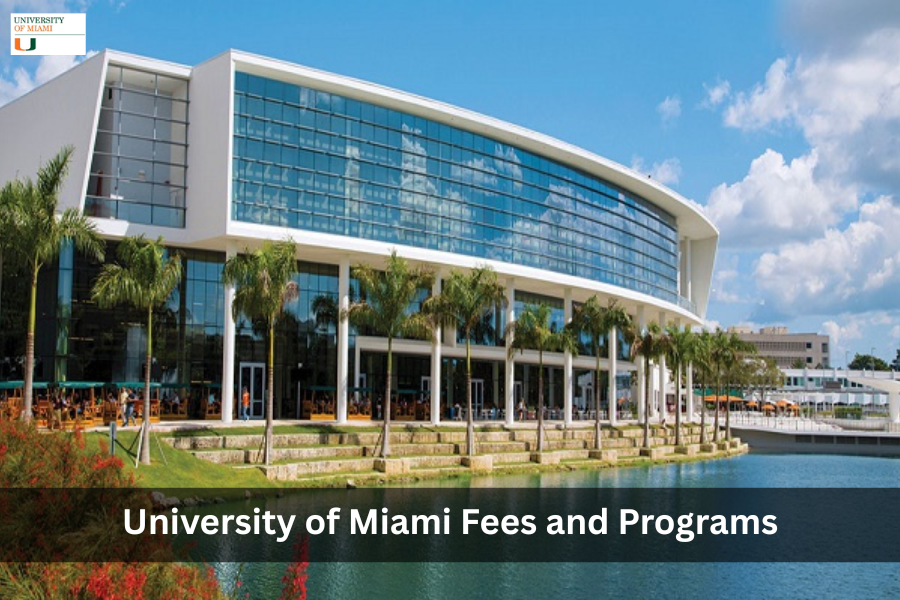
Whether you are a tourist looking for a central base to explore the city, a potential student scouting out the campus and its surroundings, or a family visiting loved ones, the area around the University of Miami offers a wealth of experiences.
Travelers can find a wide range of accommodations in and around Coral Gables, from luxurious hotels like the Biltmore Hotel to charming boutique inns. The availability of diverse resorts and apartments ensures that there’s an option to suit every budget and preference. Many hotels offer amenities that cater to both leisure and business travelers, including swimming pools, fitness centers, and on-site dining.
Tourism in this part of Miami extends beyond the typical beach vacation. The local culture is a rich tapestry woven from Latin American and Caribbean influences, evident in the music, art, and especially the food. Exploring Little Havana for authentic Cuban cuisine or discovering innovative fusion dishes in Wynwood are essential activities.
Landmarks abound, from the aforementioned Venetian Pool and Biltmore Hotel to the natural beauty of the nearby Everglades National Park, a UNESCO World Heritage Site, offering a stark contrast to the urban energy of Miami. The architecture of Coral Gables itself, with its Mediterranean Revival style, is a landmark worthy of admiration.
The lifestyle surrounding the University of Miami is as varied as the city it inhabits. You can indulge in luxury travel with stays at high-end resorts and fine dining, or opt for budget travel by exploring affordable eateries and utilizing public transport. Family trips can be enhanced by visits to the Miami Zoo or Jungle Island, while business stays benefit from the proximity to the business districts and convention centers.
Beyond the Main Campus: Other University of Miami Locations
While the Coral Gables campus is the most widely recognized, the University of Miami also operates other significant locations that contribute to its overall footprint in South Florida. Understanding these locations further broadens the answer to “Where Is the University of Miami?” and highlights the institution’s extensive reach.
The Miller School of Medicine and Medical Campus
A crucial component of the University of Miami is its Leonard M. Miller School of Medicine, which has its own dedicated campus in Miami. This Medical Campus is a hub for advanced medical research, patient care, and the training of future healthcare professionals. It’s located in the heart of Miami, specifically in the Civic Center district, placing it amidst other important medical and governmental institutions.
For individuals visiting for medical appointments, attending conferences, or working within the healthcare sector, knowing the Medical Campus location is paramount. This campus is distinct from Coral Gables and offers a different atmosphere, focused on cutting-edge medical science and patient services. The surrounding area of the Civic Center provides various accommodations and dining options, catering to the specific needs of those visiting this part of the University of Miami.
The Marine and Atmospheric Science Campus
The Rosenstiel School of Marine and Atmospheric Science (RSMAS), another vital part of the University of Miami, is situated on Virginia Key, an island located between Miami and Miami Beach. This unique location provides direct access to the marine environment, facilitating groundbreaking research in oceanography, marine biology, and atmospheric sciences.
The Virginia Key campus offers a breathtaking setting, with panoramic views of the Atlantic Ocean. It’s a place where scientific discovery meets the natural world. For visitors interested in marine life, environmental science, or simply enjoying the coastal scenery, a trip to the Rosenstiel School can be a rewarding experience. The campus itself is a landmark, representing the University of Miami‘s commitment to understanding and protecting our planet’s vital systems.
Bringing It All Together: A Comprehensive Understanding
When we ask “Where Is the University of Miami?”, the answer is not a single point on a map but a network of campuses and associated locations, each contributing to the university’s mission and its impact on the South Florida region. From the picturesque Coral Gables campus to the bustling Medical Campus in the Civic Center and the ocean-facing Rosenstiel School on Virginia Key, the University of Miami is interwoven into the fabric of Miami and its surrounding communities.
For anyone planning a visit, whether for academic pursuits, leisure, or business, understanding these different locations is essential. Each campus offers its own unique environment and contributes to the diverse experiences available in Miami. The University of Miami is more than just an educational institution; it is a vibrant part of the travel, tourism, and lifestyle landscape of one of America‘s most dynamic cities. Exploring its campuses is an invitation to explore Miami itself, discovering its attractions, its culture, and its unforgettable charm.