
While the digital age has revolutionized how we consume news, there remains a distinct charm and a tangible connection to the world of information that comes with holding a physical copy of a reputable newspaper. For those seeking the in-depth reporting and global perspective offered by The New York Times, the question of where to acquire it persists. This guide aims to bridge that gap, not just for the discerning reader but also for the traveler eager to stay informed while exploring new horizons, or for the local seeking to deepen their understanding of the places they inhabit.
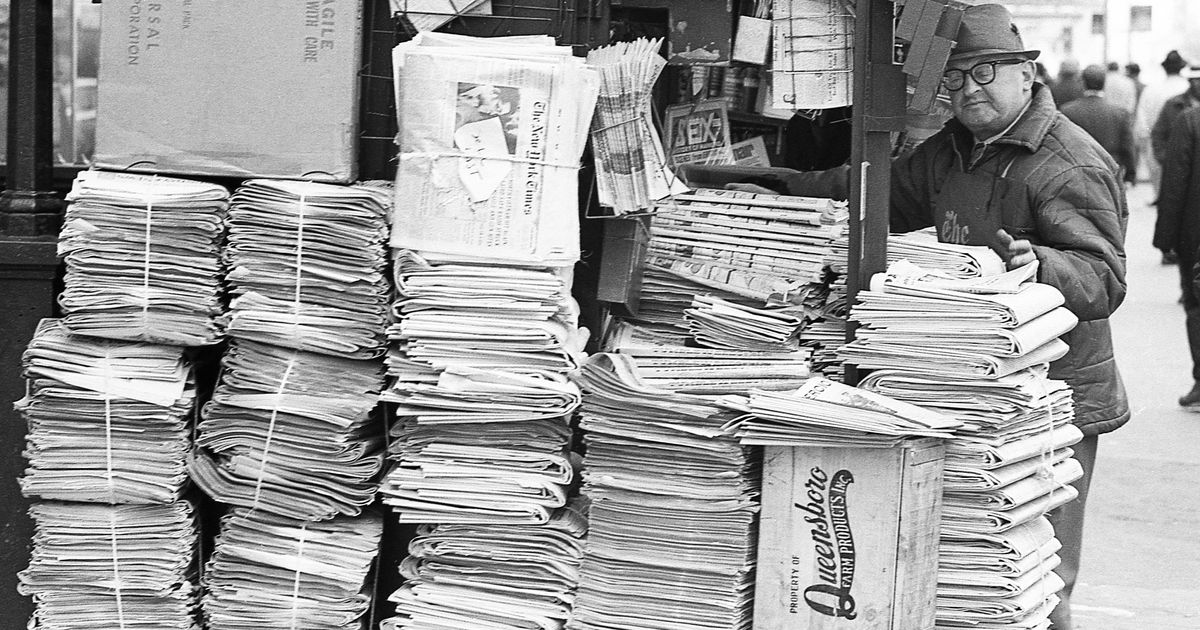
The New York Times is more than just a newspaper; it’s a cultural touchstone, a chronicle of events, and a window into diverse perspectives. Whether you’re a seasoned globetrotter planning your next adventure, a business traveler needing to stay abreast of market trends, or a curious soul wanting to delve into the intricacies of local culture, the physical paper offers a unique reading experience. This article will navigate the various avenues through which you can obtain your copy of The New York Times, with a particular focus on how this endeavor intersects with travel, tourism, and lifestyle choices.
Accessing The New York Times: A Traveler’s Perspective
For travelers, the New York Times can be an invaluable companion. It offers not only a connection to current events but also a wealth of information that can enrich your journey. From exploring cultural nuances to discovering hidden gems, the newspaper can serve as an extended guide. Understanding where to find a copy becomes a crucial part of the travel planning process for many.
International Airports and Major Transit Hubs
One of the most reliable places to find international newspapers, including The New York Times, is within the bustling confines of major international airports. Terminals in cities like London, Paris, Tokyo, and of course, New York City itself, often house newsstands and bookstores that stock a wide array of publications from around the globe. These locations are strategically chosen to cater to a transient population, making them prime spots for travelers to pick up their preferred reading material before or after a flight.
Beyond airports, large train stations and bus terminals in major urban centers also frequently carry The New York Times. Think of hubs like Grand Central Terminal in New York, St Pancras International in London, or Gare du Nord in Paris. These transit points are not just about getting from point A to point B; they are often vibrant centers of commerce and information, with shops that understand the needs of their diverse clientele. For the business traveler heading to a conference or a tourist embarking on a multi-city European tour, these stations can be a convenient first stop.
Hotels and Accommodation Facilities
Many upscale hotels and resorts recognize the importance of providing guests with access to reputable news sources. When you book a stay at a luxury hotel, especially one catering to an international clientele, you are likely to find copies of the New York Times available in the lobby, business centers, or even delivered to your room. For instance, establishments like the Ritz-Carlton, Four Seasons Hotels and Resorts, and boutique luxury properties often pride themselves on offering such amenities.
Even mid-range hotels and serviced apartments may offer this service, particularly those located in prominent business districts or tourist hotspots. When considering accommodation, especially if staying informed is a priority, it’s worth checking the hotel’s website or contacting them directly to inquire about the availability of the New York Times. This can be a small but significant factor in ensuring a comfortable and well-informed stay, whether you’re at the Plaza Hotel in New York or a similar establishment in Hong Kong.
Tourist Information Centers and Cultural Institutions
While less common for daily news, tourist information centers and cultural institutions can sometimes be a source for special editions or weekend supplements of major newspapers. These organizations often aim to provide visitors with a comprehensive understanding of the destination, which can include local news and national perspectives. Think of centers in cities like Rome or Sydney. Additionally, some museums or galleries might have gift shops that stock a curated selection of publications related to art, history, and current affairs.
Leveraging Local Knowledge for a Physical Copy
Beyond the obvious tourist hubs, the true adventure of finding a physical copy of the New York Times can lie in exploring local bookstores and independent newsstands. These establishments often cater to a discerning readership and are more likely to stock a wider variety of international publications. In large cities, particularly those with a strong literary or expatriate community, you might discover hidden gems that serve as the perfect place to not only buy your newspaper but also to soak in the local atmosphere. These could be found in neighborhoods known for their intellectual or artistic flair, adding another layer to your exploration.
Beyond the Physical Paper: Digital Access and Subscription Options
While this article focuses on acquiring a physical copy, it’s important to acknowledge the evolving landscape of news consumption. The New York Times offers robust digital subscription options that provide unparalleled access to its vast archive and real-time reporting.

Digital Subscriptions for Continuous Engagement
For those who travel frequently or prefer the convenience of digital access, a digital subscription to the New York Times is an excellent choice. This grants you unlimited access to articles on their website and through their mobile app. You can read the latest news, delve into in-depth features, and even access historical archives from anywhere with an internet connection. This is particularly useful for budget travelers who might be staying in hostels or less amenity-rich accommodations where physical newspapers are scarce.
Exploring Different Subscription Tiers
The New York Times offers various subscription plans to suit different needs. These can range from access to news content only to bundles that include their cooking, games, and audio offerings. For the avid reader, a comprehensive subscription ensures you never miss a story. Many plans are available at introductory rates, making them accessible for a trial period. This flexibility allows you to tailor your news consumption to your lifestyle and budget, whether you are a student in Boston or a professional in San Francisco.
Leveraging Loyalty Programs and Travel Packages
Occasionally, travel companies, airlines, or hotel chains might partner with the New York Times to offer exclusive deals or bundled packages. Keeping an eye on these promotions can provide added value, especially if you are already a frequent traveler. For instance, a premium airline class might include access to digital versions of top newspapers, or a luxury resort package could offer a complimentary daily paper delivery. These partnerships often aim to enhance the overall travel experience, recognizing that informed travelers are often more engaged travelers.
The Lifestyle of a Global Reader
The act of seeking out and reading the New York Times is, in itself, a lifestyle choice. It signifies a commitment to staying informed, to understanding the world beyond immediate surroundings, and to engaging with diverse perspectives. This pursuit can be seamlessly integrated into various lifestyle choices, from the budget-conscious backpacker to the aficionado of luxury travel.
Budget Travel and the Savvy Reader
For the budget traveler, finding a physical copy might require a bit more effort, but it is certainly achievable. Independent newsstands, local convenience stores in less tourist-centric areas, and even secondhand bookshops can sometimes yield a treasure. The satisfaction of finding a recent edition of the New York Times while navigating a bustling market in Marrakech or a quiet street in Kyoto adds an authentic layer to the travel experience. It’s about resourcefulness and the joy of discovery, proving that staying informed doesn’t always come with a premium price tag.
Luxury Travel and Effortless Access
On the other end of the spectrum, luxury travel makes obtaining the New York Times almost effortless. As mentioned, high-end hotels, private clubs, and exclusive lounges are often stocked with the latest editions. For the business traveler or the leisure seeker who enjoys the finer things, this ensures that their reading habits are never disrupted. Imagine sipping a gourmet coffee in the opulent lobby of the Waldorf Astoria while perusing the international news – it’s an experience that blends comfort with intellectual engagement.
Family Trips and Shared Insights
For families traveling together, the New York Times can offer a shared platform for discussion and learning. Parents can use articles to engage their children in conversations about current events, different cultures, or historical landmarks they are visiting. Having a physical copy on hand during a long car ride or a quiet evening at a family-friendly resort can provide opportunities for collective discovery. It can spark curiosity about places like Machu Picchu or current affairs impacting regions such as Southeast Asia.

Business Stays and Global Awareness
The business traveler relies heavily on accurate and timely information. The New York Times provides the comprehensive coverage needed to understand global markets, geopolitical shifts, and industry trends. Whether you’re preparing for a meeting in Singapore or analyzing market performance in Europe, having access to the newspaper is essential. Many business-oriented hotels offer these publications as standard, recognizing their importance to their clientele.
In conclusion, while the digital realm offers convenience, the physical New York Times continues to hold a special place for many. From the strategic newsstands in international airports to the quiet charm of local bookstores, and the refined amenities of luxury hotels, there are numerous avenues to acquire your copy. Whether your pursuit of the paper is driven by a passion for travel, a need for business intelligence, or a simple love for the printed word, the journey to find it can be as enriching as the reading itself, connecting you to the pulse of the world wherever you may be.