
When the urge to declutter strikes, or perhaps you’re preparing for a wardrobe refresh ahead of a planned trip to a new climate, the question naturally arises: where can I donate clothes in Chicago? The Windy City, with its vibrant spirit and diverse communities, offers a plethora of opportunities to give your pre-loved garments a second life. Donating clothing is a fantastic way to support local charities, help those in need, and practice sustainable living. This guide will navigate you through the best options, ensuring your contributions make a meaningful impact.
Chicago’s landscape is dotted with organizations that rely on clothing donations to fulfill their missions. From supporting homeless shelters to providing interview attire for job seekers and furnishing children’s programs, the impact of your donations is far-reaching. We’ll explore various avenues, from large, well-known organizations to smaller, community-focused initiatives, helping you find the perfect fit for your generous spirit.
Understanding Your Donation Options in Chicago
Before you pack up your boxes and head out, it’s helpful to understand the different types of donation channels available in Chicago. Each offers a unique way to contribute and may align better with your personal preferences or the type of clothing you are donating.
Local Charities and Non-profits
Many local Chicago-based charities are dedicated to serving specific populations within the city. These organizations often have a deep understanding of community needs and can distribute your clothing directly to those who will benefit most.
Shelters and Outreach Programs
Homeless shelters across Chicago are perpetually in need of clothing for their residents. Items like warm coats, durable shoes, socks, underwear, and basic toiletries are always in high demand. Organizations such as the Pacific Garden Mission and The Salvation Army are prominent examples of places that offer shelter and support, and their donation centers are crucial hubs for their operations. Donating to these facilities directly aids individuals experiencing homelessness, offering them comfort and dignity.
Beyond general shelters, there are specialized outreach programs. For instance, organizations focused on assisting domestic violence survivors often require specific types of clothing, such as professional attire for job interviews or comfortable, everyday wear for those starting over. Similarly, programs serving refugees and immigrants may need culturally appropriate clothing and items for children.
Community Support Services
Other community-focused non-profits distribute clothing to families facing economic hardship. These organizations might operate thrift stores where the proceeds from sales go back into funding their programs, or they may provide direct clothing assistance to clients. Catholic Charities of the Archdiocese of Chicago is a large organization with many programs that could benefit from clothing donations. They often have specific drives or ongoing needs that align with various types of apparel.
National Organizations with a Local Presence
Several national organizations have established a strong presence in Chicago, offering convenient drop-off locations and well-organized donation systems. These groups often have broad reach and can efficiently sort and distribute clothing to a wide range of beneficiaries.
Thrift Stores and Their Impact
Many national charities operate thrift stores as a primary method of generating revenue for their causes. When you donate clothing to these stores, such as those run by Goodwill Industries or The Salvation Army, the items are sold to the public. The revenue generated from these sales funds essential programs like job training, disaster relief, and community services. Donating to these stores is a two-fold act of generosity: you’re giving usable clothing a new home, and you’re contributing financially to vital support systems.
Goodwill Industries of Metropolitan Chicago, for example, has numerous drop-off points throughout the city. Their mission extends beyond simply reselling donated goods; they are deeply involved in empowering individuals with disabilities and disadvantages through employment opportunities.
Specialized Donation Programs
Some national organizations focus on specific needs. For example, Dress for Success is a well-known organization dedicated to empowering women to achieve economic independence by providing professional attire, support, and development tools. Donating gently used professional clothing to their Chicago chapter can directly help women transition into or advance in the workforce. Similarly, programs exist to collect children’s clothing and school supplies, ensuring that young students have what they need to succeed.
Where to Donate Specific Items
While many donation centers accept a wide range of clothing, some organizations specialize in certain types of apparel or have specific needs. Knowing these distinctions can help you maximize the impact of your donation.
Professional Attire for Career Advancement
For those looking to contribute to career development, donating professional clothing is a direct way to make a difference.
Dress for Success Chicago
As mentioned, Dress for Success Chicago is a prime destination for gently used suits, blouses, skirts, dresses, trousers, and professional shoes. They specifically look for items that are stylish, professional, and in excellent condition, as these are intended to help women make a powerful first impression in job interviews and in the workplace.
Local Job Training Programs
Beyond Dress for Success, many local job training and employment assistance programs in Chicago also accept professional attire. These programs often work with individuals re-entering the workforce after incarceration, long-term unemployment, or other challenges. Inquiring directly with organizations that provide such services can reveal specific needs and donation protocols.
Children’s Clothing and Baby Essentials
Donating clothing for children is another incredibly impactful way to support families in Chicago.
Child Care Centers and Youth Organizations
Local child care centers, schools, and youth organizations often have needs for children’s clothing, especially for families facing financial hardship. Items like everyday wear, school uniforms, winter coats, and shoes can be particularly helpful. Some organizations may also accept donations of baby essentials like onesies, sleepers, and blankets.
Crisis Nurseries and Family Shelters
Organizations that provide temporary shelter or support to families in crisis are often in urgent need of children’s clothing. These facilities serve infants, toddlers, and school-aged children, and the rapid growth of young ones means a constant demand for new sizes and seasons.
Outerwear and Seasonal Items
Given Chicago’s distinct seasons, particularly its cold winters, outerwear donations are critically important.
Winter Coat Drives
Many organizations, including The Salvation Army, The Midnight Mission, and local community centers, conduct annual winter coat drives. These initiatives are vital for ensuring that everyone in the city has access to adequate protection against the elements. Beyond coats, donations of warm gloves, hats, scarves, and insulated boots are also highly valuable during the colder months.
Summer Clothing Donations
While winter wear often gets the spotlight, summer clothing is also needed. Light jackets, t-shirts, shorts, and sandals are appreciated during warmer periods, especially by those who may not have the means to purchase new items as the seasons change.
Preparing Your Clothes for Donation
To ensure your donated clothes are usable and welcomed by their new recipients, a little preparation goes a long way.
Sorting and Condition
- Cleanliness is Key: All items should be freshly laundered or dry-cleaned. Stained, ripped, or excessively worn-out clothing is typically not accepted.
- Gently Used: Focus on donating items that are in good to excellent condition. This means no holes, stains, missing buttons, or broken zippers. If you wouldn’t wear it yourself, it’s likely not suitable for donation.
- Categorize: If possible, sort your donations by type (e.g., professional wear, children’s clothing, outerwear) or by size. This can be helpful for the receiving organization.
What NOT to Donate
It’s equally important to know what items most organizations cannot accept.
- Undergarments and Socks: Unless brand new and in their original packaging, most shelters and charities cannot accept used underwear and socks due to hygiene reasons.
- Household Goods: Unless the organization specifically states they accept them, focus solely on clothing. Items like furniture, appliances, or bedding are usually handled by different types of charities.
- Damaged or Dirty Items: As mentioned, avoid donating anything that is significantly damaged, stained, or otherwise unsanitary.
Finding Drop-Off Locations
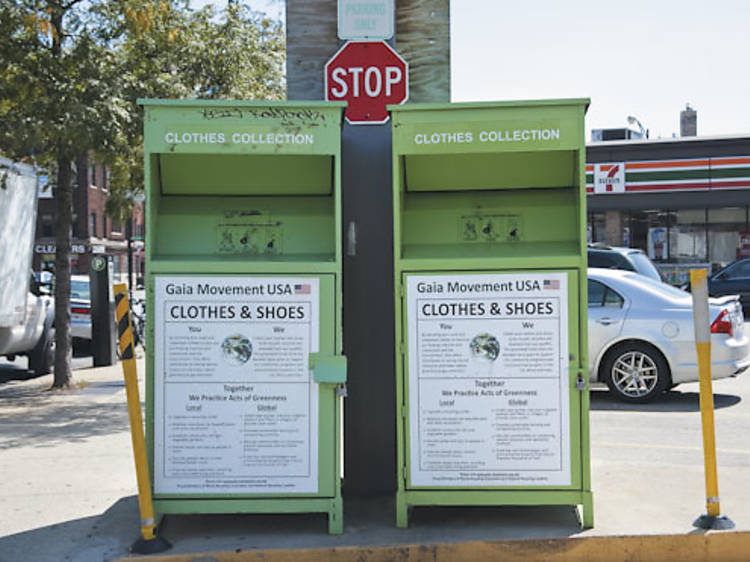
Most organizations provide clear information on their websites regarding donation drop-off locations and hours. A quick online search for the organization’s name followed by “Chicago donation drop-off” will usually yield the most up-to-date information. Many also have donation bins located in convenient public spaces throughout the city, such as at shopping centers or community hubs.
By thoughtfully selecting where and how you donate your clothes, you contribute to the well-being of individuals and communities across Chicago, embodying the spirit of generosity and sustainability that defines this great city.