
Navigating the intricacies of traffic citations in Florida can be a daunting experience, especially when you’re trying to understand the details of your ticket, particularly the crucial “citation number.” Whether you’re a resident enjoying the vibrant lifestyle of Miami or a tourist exploring the magical theme parks of Orlando, encountering a traffic ticket is an unwelcome, yet sometimes unavoidable, part of travel. This guide is designed to demystify the process of locating your citation number on a Florida traffic ticket, a key piece of information for understanding your options, managing your case, and ensuring a smooth resolution. Understanding this number is paramount, whether you’re planning to pay the fine, contest the violation, or simply understand the details of the infraction.

Understanding Your Florida Traffic Citation
A traffic citation, often referred to colloquially as a “ticket,” is an official notice issued by law enforcement in Florida detailing an alleged violation of traffic laws. These tickets are not merely suggestions; they are legal documents with significant implications. The information contained within is vital for both the issuing authority and the individual cited. Each citation is assigned a unique identification number, known as the citation number. This number acts as the primary key for referencing your specific case within the Florida court system. Without it, accessing information, making payments, or scheduling hearings becomes significantly more challenging, if not impossible.
The Anatomy of a Florida Traffic Ticket
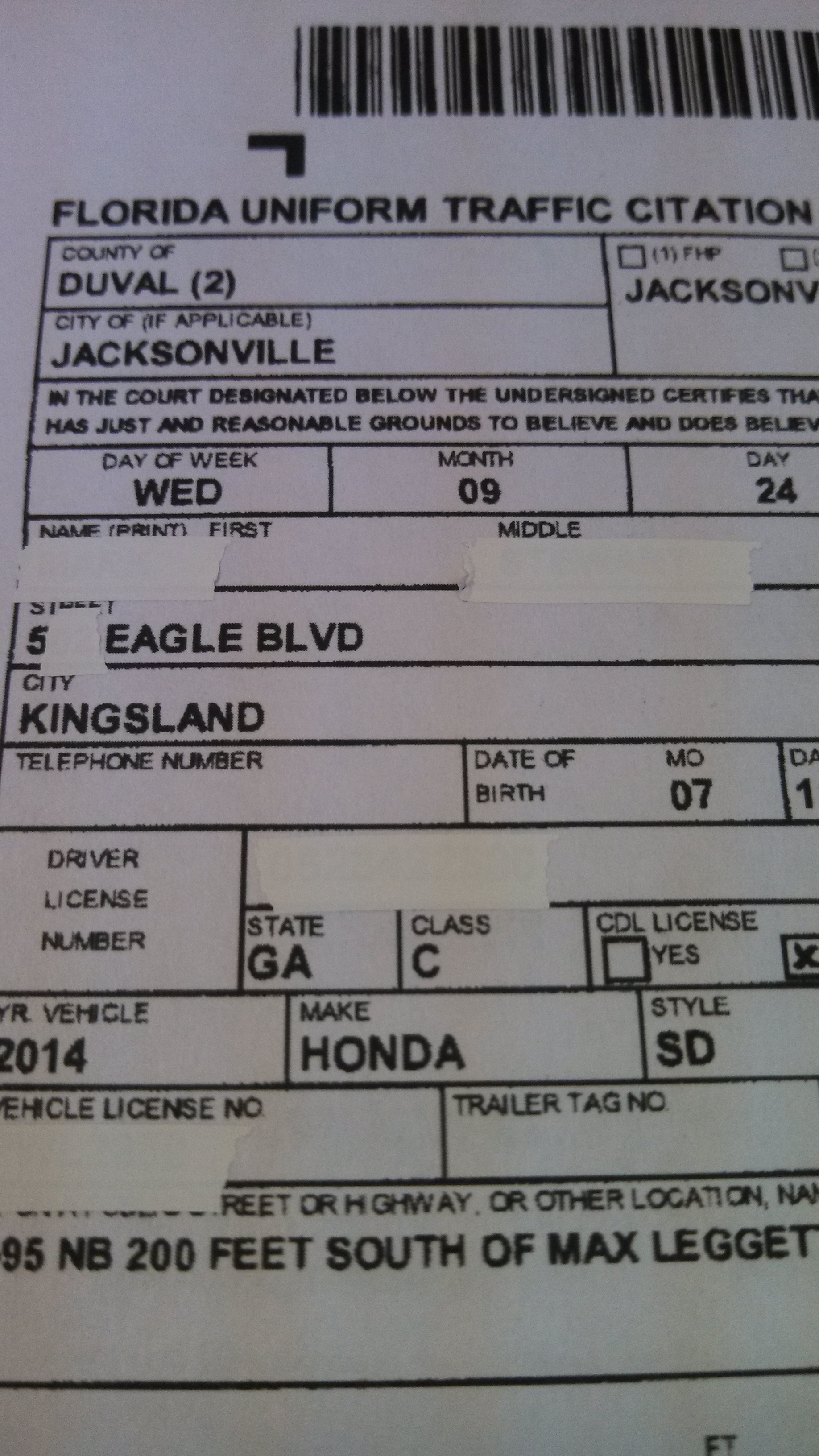
Before we pinpoint the citation number, it’s beneficial to understand the general layout and key components of a Florida traffic ticket. While the exact format may vary slightly depending on the issuing agency (e.g., Florida Highway Patrol, a local police department, or a county sheriff’s office), most tickets share common elements.
- Issuing Agency Information: This section typically includes the name and logo of the law enforcement agency that issued the ticket, along with the officer’s badge number.
- Driver Information: Your personal details, including your name, address, driver’s license number, and date of birth, will be prominently displayed.
- Vehicle Information: Details about the vehicle involved, such as the make, model, license plate number, and VIN, are usually included.
- Violation Details: This is a crucial part of the ticket, outlining the specific traffic law you are alleged to have violated. It often includes a statute number and a brief description of the offense.
- Date, Time, and Location of Violation: Precise information regarding when and where the alleged infraction occurred is provided.
- Officer’s Notes/Comments: In some cases, the issuing officer may include brief remarks or observations.
- Court Information: Details about the court where your case will be processed, including the court address and contact information, are usually present.
- Instructions and Options: The ticket will typically outline your available options, such as paying the fine, attending traffic school (if eligible), or requesting a court hearing to contest the citation.
It’s within this structured document that you will find your unique citation number. This number is not just a random sequence of digits; it is the gateway to managing your traffic violation.
Locating the Citation Number on Your Ticket
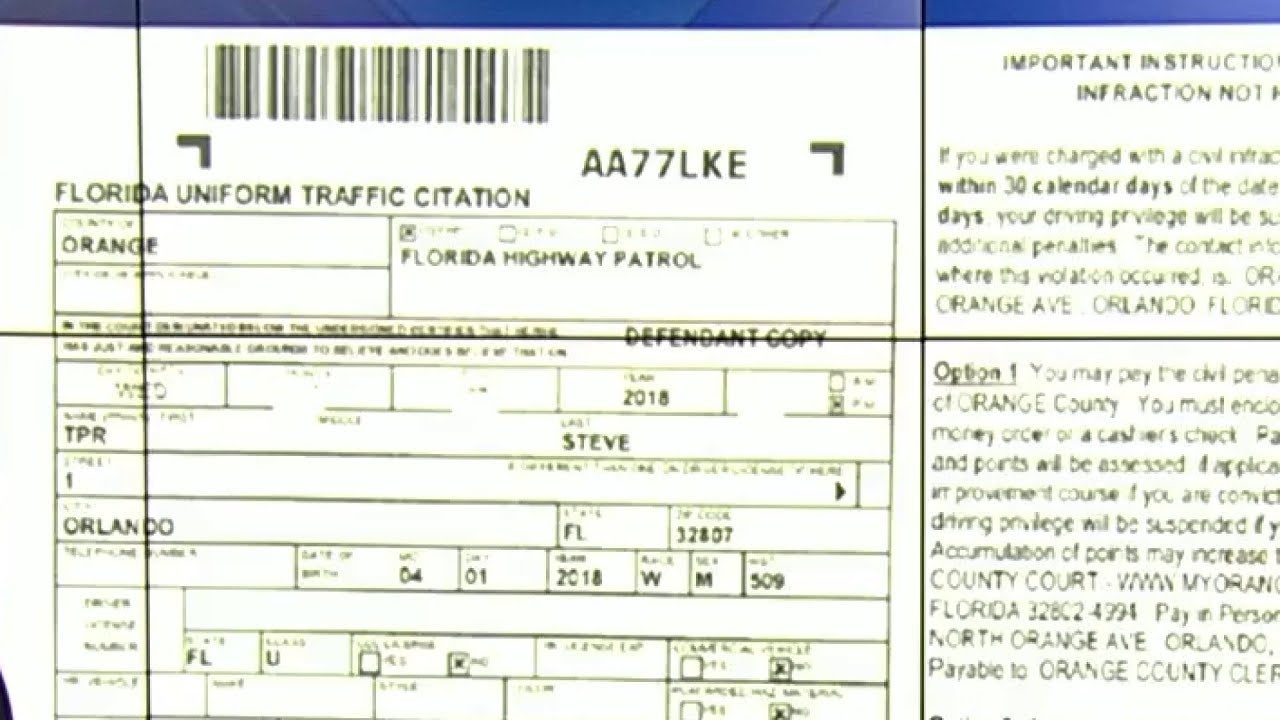
The citation number is arguably the most important piece of information on your ticket for administrative purposes. It’s designed to be easily identifiable, though its exact placement can sometimes cause confusion. In Florida, the citation number is typically a sequence of alphanumeric characters.
Common Locations for the Citation Number
While it’s always best to examine your specific ticket for definitive placement, here are the most common areas where you’ll find the citation number:
- Front of the Ticket, Top Section: Many law enforcement agencies in Florida place the citation number prominently at the top of the ticket, often in a dedicated box or clearly labeled field. Look for headings like “Citation Number,” “Ticket Number,” “Case Number,” or a similar designation. It is often printed in a larger font or bolded to stand out.
- Upper Right-Hand Corner: Another frequent location for the citation number is the upper right-hand corner of the ticket. This placement is common for many official documents to ensure quick and easy referencing.
- Barcode Area: Some tickets may have a barcode that represents the citation number or is associated with it. While not the number itself, it can lead you to where the number is printed.
- Within the Violation Details: In rarer instances, the citation number might be integrated within the details of the violation itself, though this is less common for ease of access.
Tip: If you are struggling to locate the citation number, take a moment to read through all the labeled fields on the ticket. Even if a field isn’t explicitly labeled “Citation Number,” it might be referred to by another term that serves the same purpose.
What Does the Citation Number Look Like?
The format of the citation number can vary. It might be a series of digits, a combination of letters and numbers, or include dashes. For instance, it could look something like:
F12345678A5-B678-902023-9876543
The exact appearance will depend on the system used by the issuing agency. The key is to find the unique identifier that is associated with your specific infraction.
Why is the Citation Number So Important?
The citation number is more than just a label; it’s your ticket’s unique identifier. Its importance cannot be overstated, especially when dealing with legal and administrative processes related to your traffic violation.
Accessing Information and Managing Your Case
When you need to interact with the court system or the Department of Motor Vehicles (DMV) in Florida, the citation number is your primary tool.
- Online Payment Portals: Most county courts in Florida have online portals where you can pay traffic ticket fines. You will almost always need your citation number to access your case and make a payment. This is a convenient way to handle your ticket without having to visit the courthouse in person, especially if you’re a visitor enjoying the beaches of Clearwater or exploring the arts scene in St. Petersburg.
- Checking Case Status: If you plan to contest the ticket or have inquiries about your case, the citation number will be required to look up its status online or by phone.
- Scheduling Hearings: When requesting a court hearing, you will need to provide your citation number.
- Enrolling in Traffic School: If you are eligible for and choose to attend traffic school to keep points off your driving record, you will likely need to provide the citation number when enrolling. This is especially relevant for those who may have inadvertently received a ticket while enjoying attractions like Busch Gardens Tampa Bay or Everglades National Park.
- Contacting the Clerk of Court: If you need to speak with the Clerk of Court’s office about your citation, having the citation number readily available will expedite the process significantly.
Avoiding Errors and Misunderstandings
Using the correct citation number ensures that all your interactions are with the correct case. Misusing or miscommunicating this number can lead to delays, incorrect payments, or even missed court dates, which can have serious consequences, including license suspension.
What to Do If You Can’t Find Your Citation Number
It’s not uncommon to feel overwhelmed or confused when looking at a traffic ticket for the first time. If you’ve thoroughly reviewed your ticket and are still unable to locate the citation number, don’t panic. There are steps you can take to resolve the issue.
Double-Check the Ticket Thoroughly
Before assuming it’s missing, give the ticket another careful examination. Sometimes, it’s printed in a less conspicuous font or tucked into a section you might have overlooked. Look for any alphanumeric strings that seem like they could be an official reference number.
Contact the Issuing Agency
If you can’t find the number on the ticket itself, your next best step is to contact the law enforcement agency that issued it. The name of the agency and often a phone number will be printed on the ticket. They can help you locate your citation number or provide guidance on how to obtain it. This is particularly helpful if you’ve misplaced a part of the ticket or if it’s been damaged.
Contact the Clerk of Court
Alternatively, you can contact the Clerk of Court for the county in which you received the ticket. They maintain the court records and can usually look up your case using your name, driver’s license number, or the date of the violation. The court’s contact information should also be printed on your ticket. This is an essential step for anyone planning to visit attractions like the Vizcaya Museum and Gardens or the Kennedy Space Center Visitor Complex and wanting to resolve their ticket efficiently.
Consult an Attorney
If you’re facing significant legal issues related to your ticket or are having persistent trouble obtaining the citation number, it may be beneficial to consult with a traffic ticket attorney in Florida. They have the expertise and resources to navigate these situations and can assist you in obtaining all the necessary information.
In conclusion, while the process of finding your citation number on a Florida traffic ticket might seem straightforward, it’s a crucial detail that requires your attention. By understanding the components of your ticket and knowing where to look, you can ensure that you have the necessary information to manage your traffic violation effectively, allowing you to continue enjoying your travels and experiences across the beautiful state of Florida, from the historic streets of St. Augustine to the sunny shores of the Florida Keys.
LifeOutOfTheBox is a participant in the Amazon Services LLC Associates Program, an affiliate advertising program designed to provide a means for sites to earn advertising fees by advertising and linking to Amazon.com. Amazon, the Amazon logo, AmazonSupply, and the AmazonSupply logo are trademarks of Amazon.com, Inc. or its affiliates. As an Amazon Associate we earn affiliate commissions from qualifying purchases.