
Navigating the vibrant landscapes and bustling cities of Florida is an experience sought after by millions, whether they are transient tourists exploring world-class attractions, new residents settling into the sun-drenched lifestyle, or seasoned locals enjoying the daily commute. A crucial aspect of vehicle ownership or operation within the Sunshine State is understanding and knowing where to locate your vehicle’s registration number. This seemingly administrative detail is, in fact, a cornerstone of responsible vehicle use, impacting everything from your ability to legally drive and secure insurance to purchasing or selling a car, and even dealing with roadside assistance or law enforcement.

For those planning an extended stay, considering a move, or simply wanting to be prepared for any eventuality during their Florida adventure, knowing the ins and outs of vehicle registration is paramount. Our guide delves deep into the various avenues available for finding your vehicle registration number, ensuring you’re well-equipped for a seamless travel and lifestyle experience in this beautiful state. From official documents to online portals and in-person assistance, we cover all the essential resources to keep you on the right track.
Understanding Vehicle Registration in the Sunshine State
The vehicle registration number is more than just a sequence of digits; it’s a unique identifier that links your vehicle to you, its owner, and signifies that your vehicle has been properly registered with the state authorities. In Florida, this process is managed by the Florida Department of Highway Safety and Motor Vehicles (FLHSMV), and it’s a legal requirement for all motor vehicles operating on public roads. Understanding its importance and knowing where to find it can save you time, stress, and potential legal issues, making your journey through Florida far more enjoyable.
Why Your Registration Number Matters for Travel and Lifestyle
Imagine embarking on a dream road trip along Florida’s scenic Gulf Coast or exploring the historic charm of St. Augustine in your own vehicle. Without proper and accessible registration details, such adventures can quickly turn into bureaucratic headaches. Your vehicle registration number is essential for several reasons, directly impacting your travel and lifestyle in Florida:
- Legal Compliance: Driving any vehicle on public roads in Florida requires it to be registered. This number serves as proof of that registration, ensuring you are operating within the law. Non-compliance can lead to fines, citations, or even impoundment, disrupting any travel plans.
- Insurance Verification: Insurance companies use your vehicle registration number, often alongside your Vehicle Identification Number (VIN), to identify your car and verify coverage. This is critical for any accident or claim, protecting you financially.
- Vehicle Transactions: When buying or selling a vehicle, the registration number is a key piece of information for title transfers and ensuring a legitimate transaction. This is especially relevant for individuals moving to Florida and needing to register an out-of-state vehicle, or for those enjoying the local car market.
- Law Enforcement Interactions: Should you be pulled over or involved in an incident, law enforcement officers will request your registration documents. Having quick access to this number facilitates smooth interactions and helps verify your vehicle’s legal status.
- Roadside Assistance and Maintenance: In cases of breakdown or service needs, mechanics and roadside assistance providers may use your registration details to quickly identify your vehicle’s make, model, and year, ensuring accurate service.
- Accessing State Services: Many online services provided by the FLHSMV require your registration number to renew tags, update addresses, or access vehicle records, simplifying administrative tasks.
For travelers, particularly those planning to rent cars for extended periods or even purchase one during their stay, understanding this system is key. It ensures smooth transitions and allows for full enjoyment of attractions like Walt Disney World Resort in Orlando, the vibrant nightlife of Miami, or the serene beaches of Key West.
Key Documents and Information You’ll Need
Before you embark on your search for the elusive vehicle registration number, it’s helpful to understand what other pieces of information or documents typically accompany it or can help you retrieve it. These are fundamental to any vehicle-related transaction or inquiry in Florida:
- Vehicle Identification Number (VIN): This 17-character alphanumeric code is the unique identifier for your specific vehicle. It’s stamped on various parts of the car, most notably on the dashboard near the windshield (visible from outside) and on the driver’s side doorjamb. The VIN is inextricably linked to your registration.
- Vehicle Title: The title is the legal document proving ownership of a vehicle. It contains vital information including the VIN, the owner’s name, and often details that can lead you to your registration number.
- Driver’s License or State ID: Your personal identification is always necessary when interacting with the FLHSMV or any official body concerning your vehicle.
- Proof of Insurance: Florida requires vehicles to be insured. Your insurance card or policy documents will contain your vehicle’s identifying information.
Having these documents readily available will significantly streamline the process of finding or verifying your vehicle registration number, minimizing any potential delays as you explore destinations from Everglades National Park to the Kennedy Space Center Visitor Complex.
Primary Sources for Locating Your Registration Number
When you need to quickly find your vehicle registration number in Florida, there are several immediate and reliable sources at your fingertips. These are the first places you should check, as they are legally mandated to carry this information and are generally kept within the vehicle or among important personal documents.
Checking Your Vehicle Registration Certificate
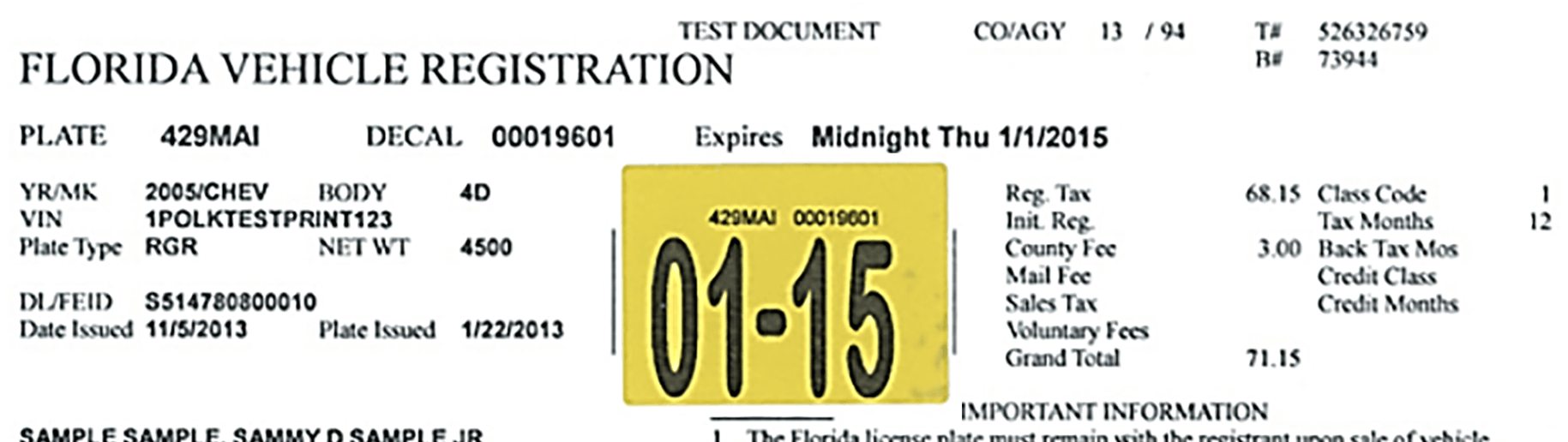
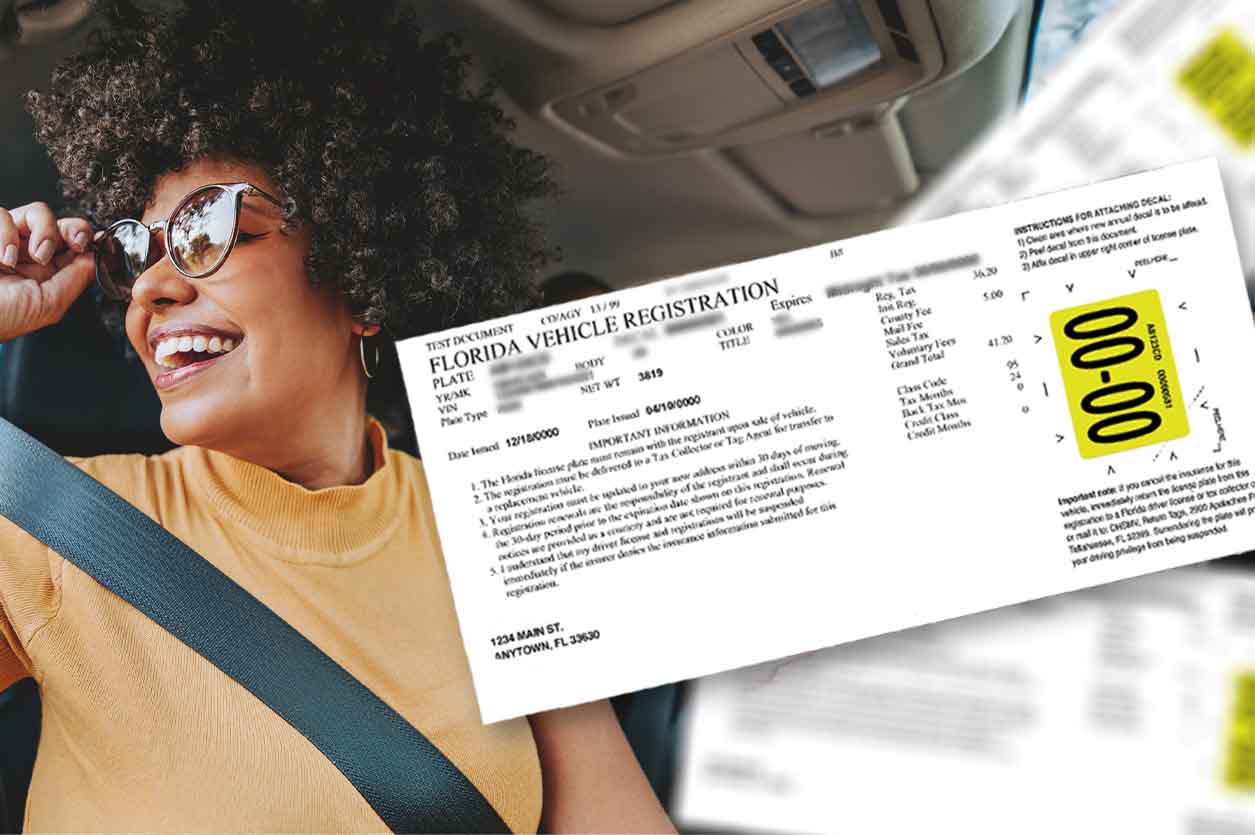
The most straightforward and common place to find your vehicle registration number is on your official Vehicle Registration Certificate. This physical document is issued by the FLHSMV upon successful registration or renewal.
- What it looks like: The certificate is typically a small, official-looking paper document, often sized to fit into a wallet or the glove compartment. It contains key details about your vehicle and its registration status.
- Where to find the number: The registration number itself, sometimes labeled as “Registration Number,” “Tag Number,” or “License Plate Number,” is prominently displayed on this certificate. It will also list the vehicle’s year, make, model, VIN, and the owner’s information, along with the expiration date of the registration.
- Its typical location: By law, you are generally required to keep this certificate inside your vehicle when operating it. The glove compartment is the most common and recommended storage location. Others might keep it in a center console or a dedicated document holder.
- Importance: This certificate is your immediate proof of registration. During a traffic stop, it’s one of the first documents a law enforcement officer will request, alongside your driver’s license and proof of insurance. Having it readily accessible ensures a smooth interaction and confirms your compliance with Florida vehicle laws, letting you get back to enjoying your journey through cities like Tampa or Fort Lauderdale.
Reviewing Your Vehicle’s License Plate
While often used interchangeably in casual conversation, it’s important to distinguish between your license plate number and the broader concept of a “vehicle registration number.” In Florida, your license plate number often serves as or is directly tied to your primary registration identifier.
- The license plate: Every registered vehicle in Florida must display a license plate, issued by the state. This plate features a unique combination of letters and numbers. This alphanumeric sequence is effectively your vehicle’s public registration identifier.
- Annual Validation Sticker: Attached to the upper right corner of your Florida license plate is a small, colored decal known as the validation sticker. This sticker displays the month and year your vehicle’s registration expires. The presence of a current sticker visually confirms that your vehicle’s registration is up to date. While the sticker itself doesn’t provide the “registration number,” its presence indicates active registration, and the license plate number is the primary identifier.
- Distinction: For most practical purposes, when people ask for your “registration number” in Florida, referring to your license plate number is usually sufficient, as it’s the main identifier for renewal processes and official inquiries. The actual registration certificate contains this number along with more detailed information. This direct link makes locating the number as simple as stepping outside to look at your car, or recalling the number from memory if you interact with your vehicle frequently.
Consulting Your Vehicle Title
Your Vehicle Title is another critical document that can help you locate information related to your vehicle’s registration, particularly the VIN, which is intrinsically linked to its registration history. While the title primarily proves ownership, it is a repository of crucial vehicle data.
- Proof of Ownership: The title is a secure, official document issued by the FLHSMV that legally establishes who owns the vehicle. Unlike the registration certificate, which you keep in your car, the title is a document you should keep in a secure place, such as a safe or a secure file at home, due to its importance in proving ownership.
- Key Information: The title contains the full Vehicle Identification Number (VIN), the make, model, year, and often the previous owner’s details. While it might not explicitly state “registration number” in the same way the registration certificate does, the VIN found on the title is a direct gateway to accessing registration records through official channels.
- Usage: If you’ve lost your registration certificate and need to retrieve your registration number, the VIN from your title can be used at the FLHSMV or a local tax collector’s office to look up your vehicle’s current registration details. It’s a foundational document for verifying your vehicle’s identity and history, essential whether you’re moving to Sarasota or simply managing your vehicle affairs.
Online and Digital Avenues for Accessing Information
In today’s digital age, many administrative tasks, including those related to vehicle registration, can be managed online. Florida provides robust digital platforms and other resources that can help you find your vehicle registration number without needing to sift through physical documents or make a trip to an office. These methods offer convenience and efficiency, especially for busy individuals or those away from home.
Florida Department of Highway Safety and Motor Vehicles (FLHSMV) Online Services
The official website of the Florida Department of Highway Safety and Motor Vehicles (FLHSMV) is an invaluable resource for all vehicle-related inquiries, including locating your registration number. This portal is designed to offer citizens a streamlined way to interact with state services, enhancing the ease of managing your Florida lifestyle.
- Official Portal: Visit the official FLHSMV website. It is the definitive source for vehicle and driver services in the state.
- Accessing Vehicle Records: The website typically offers sections for “Motor Vehicles” or “Online Services.” Here, you might find options to “Renew a Vehicle Registration,” “Check Registration Status,” or access other vehicle record inquiries.
- Information Required: To access your specific vehicle’s information, you will generally need to provide certain identifying details. This usually includes your driver’s license number, date of birth, and possibly the last four digits of your Social Security Number, or your VIN. Once logged in or after entering the required information, you should be able to view your current vehicle registration details, including the registration number.
- Benefits for Travelers and Residents: Utilizing the FLHSMV online portal is particularly beneficial for those who are new to Florida or who travel frequently. It allows you to manage renewals, address changes, and access vital information from anywhere, ensuring your vehicle remains compliant while you explore destinations from Panama City Beach to Naples. This digital convenience underscores the modern approach to vehicle management, making the Florida lifestyle even more accessible.
Insurance Documents and Records
Your vehicle insurance policy is another reliable source that often contains your vehicle registration number or the VIN, which can then be used to retrieve the registration number. Insurance companies require accurate vehicle identification to issue policies and process claims, making their records quite comprehensive.
- Policy Documents: When you receive your insurance policy, whether in paper or digital format, it will list detailed information about the insured vehicle. This usually includes the full VIN, make, model, and year. In many cases, it will also explicitly state the license plate number, which serves as your primary registration identifier.
- Insurance Card: Your insurance card, which you are required to carry in your vehicle, also lists the basic vehicle information and often the license plate number.
- Accessing Online Portals: Most insurance providers offer online portals where policyholders can view their policy details, download documents, and even print temporary insurance cards. By logging into your insurer’s website, you can easily access the information about your vehicle, including the VIN and license plate number, which are directly linked to your registration.
- Utility: This method is especially useful if your physical registration certificate is misplaced or if you need to quickly confirm details while traveling, providing an alternative to official state documents. It’s a handy backup for peace of mind, whether cruising along the Atlantic Coast or navigating the city streets of Miami.
Dealership or Purchase Records
If you purchased your vehicle recently, the dealership or the seller’s records are excellent sources for your vehicle registration number and associated details. These records are meticulously kept as part of the sales and titling process.
- Sales Agreement/Contract: Your original vehicle purchase agreement or sales contract will contain a wealth of information, including the VIN, the selling price, and often the initial registration details or at least the information used to register the vehicle.
- Bill of Sale: A Bill of Sale will also list the vehicle’s VIN and potentially the license plate number if it was already assigned at the time of sale.
- Dealership Records: If you bought your car from a licensed dealership, they maintain extensive records of all sales. You can contact the dealership directly, providing them with your name and the date of purchase, and they should be able to provide you with a copy of your sales documents or confirm the VIN and initial registration details. This is particularly helpful for new residents or those making large lifestyle investments in Florida vehicles.
- Private Seller Records: If you purchased from a private seller, the copies of the title transfer and bill of sale you both signed will contain the necessary information. Keeping these documents organized is a wise practice for any vehicle owner.
In-Person and Alternative Methods
While digital platforms and physical documents are often the quickest routes, there are situations where in-person assistance or alternative channels become necessary to find your vehicle registration number. These methods are particularly helpful if you’ve exhausted other options, need personalized guidance, or prefer face-to-face interaction.
Visiting Your Local Tax Collector’s Office
In Florida, Tax Collector’s Offices act as agents for the FLHSMV for many motor vehicle services. They are a primary point of contact for vehicle registration, titling, and license plate services. A visit to your local office can quickly resolve issues regarding your registration number.
- What to Expect: These offices are equipped to handle a wide range of motor vehicle transactions. When you visit, explain that you need to retrieve your vehicle registration number or details.
- Documents to Bring: To facilitate the process, be sure to bring your valid driver’s license or state identification, and if possible, your vehicle’s VIN or any other identifying information you have (e.g., previous registration details if available, vehicle title if at hand). The more information you can provide, the easier it will be for them to locate your records.
- Services Offered: Staff at the Tax Collector’s Office can access the state’s motor vehicle database. They can look up your current registration details using your personal identification or your vehicle’s VIN. They can also assist with printing duplicate registration certificates, renewing your registration, or addressing any specific questions you may have.
- Locations: Florida has Tax Collector’s Offices in every county. You can find the nearest office by searching online for “Florida Tax Collector [Your County Name]”. Whether you’re residing in Miami, Orlando, Tampa, or a smaller community, there’s likely an office conveniently located to serve your needs. This direct approach offers peace of mind, ensuring you leave with accurate and official information, helping you maintain a compliant and carefree Florida lifestyle, from visiting Universal Studios Florida to shopping at Aventura Mall or Sawgrass Mills.
Contacting Your Auto Lender (if applicable)
If your vehicle is financed through a bank, credit union, or another lending institution, your auto lender holds a significant stake in your vehicle and will have comprehensive records pertaining to it. This makes them another valuable resource for obtaining your vehicle’s registration number or related information.
- Lender’s Records: When you finance a vehicle, the lender typically requires detailed information about the car, including its VIN and often a copy of its registration or title. They keep these records as part of their collateral management.
- How to Contact: Reach out to your auto lender’s customer service department. Be prepared to provide your account number, personal identification information, and the vehicle’s VIN (if you have it).
- Information They Can Provide: The lender can usually confirm your vehicle’s VIN and potentially its license plate number, which can then be used to retrieve your full registration details through official state channels if they cannot provide the registration number directly. They might also be able to advise you on how to access the information via the FLHSMV.
- When This is Useful: This method is particularly useful if you are unable to find your physical documents (registration certificate, title) and need a reliable source for your vehicle’s core identification numbers. It’s an effective backup plan, offering another layer of security for accessing vital information about your vehicle, ensuring your travel plans remain uninterrupted.
Scenarios and Best Practices for Travelers and Residents
Whether you’re new to the Sunshine State, an avid traveler, or a long-time resident, understanding the nuances of vehicle registration is key to a smooth and enjoyable Florida experience. Various scenarios call for different approaches, and adopting best practices can prevent unnecessary hurdles.
For New Residents Moving to Florida
Moving to Florida involves several steps to officially establish your residency, and vehicle registration is a critical one. You generally have 10 days upon becoming a resident to register your out-of-state vehicle in Florida.
- Transferring Out-of-State Registrations:
- Proof of Ownership: You’ll need your out-of-state title. If it’s held by a lienholder, you’ll need the current registration and the lienholder’s name and address.
- VIN Verification: A VIN verification form (HSMV 82042) must be completed. This can often be done at a Florida motor vehicle service center, by law enforcement, or by a dealer.
- Proof of Florida Insurance: You must have personal injury protection (PIP) and property damage liability (PDL) insurance from a Florida insurer.
- Personal Identification: Your driver’s license or state ID.
- Application: Complete an Application for Certificate of Title With/Without Registration (HSMV 82040).
- Visit a Tax Collector’s Office: Bring all these documents to a local Florida Tax Collector’s Office. They will process your new Florida title and issue you a new Florida license plate and registration certificate. Your new registration number will be on this certificate and match your new plate.
- Best Practice: Initiate this process as soon as possible after establishing residency. Delays can lead to fines and complications, hindering your ability to freely explore your new home, from the beaches of Destin to the cultural hubs of St. Augustine.
For Renting Vehicles in Florida
When you rent a vehicle in Florida, the responsibility for registration typically lies with the rental company. However, understanding the system can still be beneficial.
- Rental Company’s Responsibility: Rental car companies, such as those found at Orlando International Airport or Miami International Airport, are responsible for ensuring their fleet vehicles are properly registered and insured in Florida.
- Your Role: You will be provided with the vehicle’s registration certificate and proof of insurance in the vehicle (usually in the glove compartment). While you won’t need to “find” the registration number for processing, you should be aware of its location and be able to present it if requested by law enforcement.
- Inspection: Before driving off, it’s a good practice to quickly verify that the registration certificate is present and current. This due diligence ensures a hassle-free journey to attractions like South Beach’s Art Deco Historic District or Key West’s Duval Street.
Dealing with Lost or Stolen Registration Documents
Losing your vehicle registration certificate can be a minor inconvenience or a significant headache, especially if you’re traveling. Knowing the steps to take can alleviate stress.
- Immediate Action: If your registration certificate is lost or stolen, you should acquire a duplicate as soon as possible. Driving without it can lead to citations.
- How to Obtain a Duplicate:
- Online: Visit the FLHSMV website’s online services. You may be able to print a duplicate registration or request one be mailed to you using your driver’s license number, VIN, or other identifying information.
- In-Person: Visit your local Tax Collector’s Office. With your driver’s license and vehicle VIN, they can quickly issue a duplicate registration certificate. There may be a small fee.
- Consider a Police Report: If you suspect theft, filing a police report is advisable, particularly if other documents were also stolen. This can provide a record for insurance purposes or identity theft concerns.
Importance of Keeping Records Updated
Maintaining current and accurate vehicle records is a fundamental best practice for any driver in Florida.
- Address Changes: If you move, even within Florida, you must update your address with the FLHSMV for your driver’s license and vehicle registration. This ensures you receive renewal notices and other official correspondence. You can usually do this online.
- Vehicle Modifications: While less common for registration numbers, significant modifications to your vehicle might require updating your title or insurance information, which could indirectly affect how your vehicle is registered.
- Timely Renewals: Always renew your vehicle registration before its expiration date, indicated by the validation sticker on your license plate and the date on your registration certificate. The FLHSMV typically sends renewal notices, but ultimately, it’s your responsibility to ensure timely renewal.
- Benefits: Keeping records updated ensures seamless travel, avoids legal complications, and simplifies any future vehicle transactions. It contributes to a stress-free Florida lifestyle, allowing you to focus on enjoying the state’s countless attractions and experiences rather than administrative worries.
In conclusion, knowing where to find your vehicle registration number in Florida is a simple yet crucial piece of knowledge for any driver. Whether you consult your physical registration certificate, check your license plate, refer to your vehicle title, leverage the FLHSMV online portal, review insurance documents, or seek assistance from a local Tax Collector’s Office, multiple avenues are available. By understanding these resources and adopting best practices, you can ensure your travels and daily life in the Sunshine State remain smooth, compliant, and thoroughly enjoyable.
LifeOutOfTheBox is a participant in the Amazon Services LLC Associates Program, an affiliate advertising program designed to provide a means for sites to earn advertising fees by advertising and linking to Amazon.com. Amazon, the Amazon logo, AmazonSupply, and the AmazonSupply logo are trademarks of Amazon.com, Inc. or its affiliates. As an Amazon Associate we earn affiliate commissions from qualifying purchases.