
Embarking on a journey, whether it’s a short-term escape or a long-term relocation, often involves navigating a unique blend of excitement and practicalities. For those captivated by the allure of the Lone Star State, understanding how to acquire a Texas ID is more than just a bureaucratic step; it’s a gateway to a richer, more integrated experience. From exploring vibrant cities like Austin, Houston, and Dallas to settling into a new rhythm of life, a state-issued identification card or driver’s license can simplify countless aspects of your stay, making your Texas adventures smoother and more enjoyable.
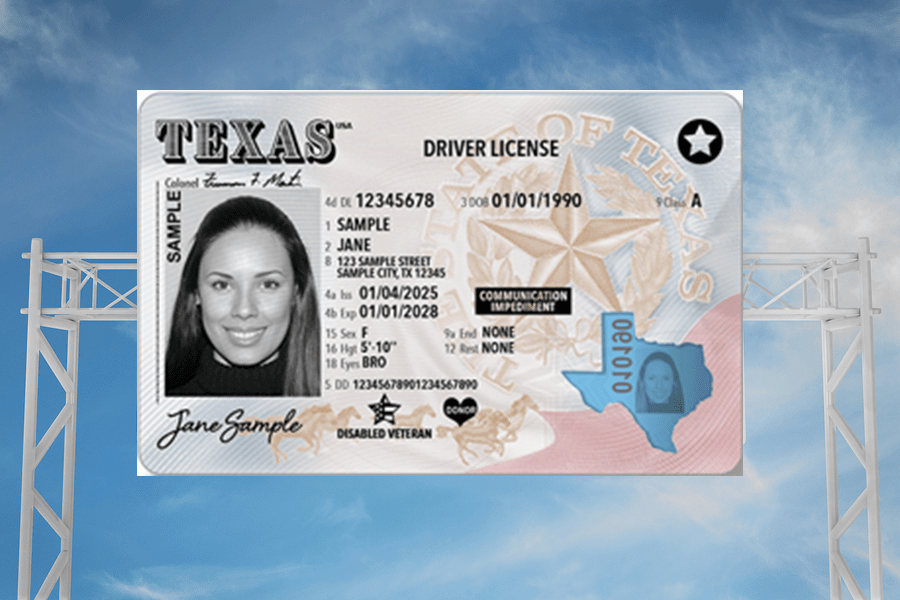
This comprehensive guide is designed for travelers, new residents, and anyone looking to fully embrace the Texas lifestyle. We’ll delve into why a local ID is invaluable, outline the steps to secure one, and provide insider tips to streamline the process. Think of it not as a chore, but as an essential part of preparing for your next grand adventure or establishing a comfortable, convenient base in one of the most dynamic states in the United States.
Why a Texas ID Enhances Your Lone Star State Experience
When you picture travel, you likely envision breathtaking landscapes, unique cultural encounters, and perhaps a luxurious resort stay. The practicalities of identification might seem far removed from this idyllic scene. However, for anyone planning an extended visit, a seasonal stay, or a permanent move to Texas, a local ID transforms from a mere document into a tool that unlocks deeper engagement and convenience. It’s about establishing roots, however temporary, and making your time in the Lone Star State as effortless as possible.
Beyond Identification: Unlocking Local Lifestyle and Travel Perks
A Texas ID offers benefits that extend far beyond simply proving who you are. For the discerning traveler or the individual seeking a new lifestyle, it’s about integration and ease. Imagine checking into a charming boutique hotel in San Antonio, renting a car for a road trip through Big Bend National Park, or even opening a local bank account to manage your expenses during a long-term stay. While other forms of identification, such as a passport, are often accepted, a state ID can streamline these processes, sometimes even offering unexpected advantages.
Many local businesses and attractions offer resident discounts, making a Texas ID a smart investment for budget-conscious travelers and those planning extensive exploration. From reduced entry fees at state parks to special offers at local eateries and cultural landmarks, these small savings can add up, freeing up your travel budget for more experiences. Furthermore, a local ID can simplify interactions that require age verification, such as purchasing adult beverages at a lively Austin music venue or accessing certain nightlife attractions. It’s a subtle yet significant way to feel more like a local, less like an outsider, enriching your overall tourism experience.
For those considering a longer stay, perhaps for work, retirement, or extended family visits, a Texas ID is almost a necessity. It simplifies everything from signing a lease for an apartment or villa – making your accommodation booking much smoother – to enrolling children in schools, if applicable. It’s a foundational piece of documentation that enables you to fully participate in the local economy and community, ensuring your lifestyle in Texas is as comfortable and unrestricted as possible.
Who Needs a Texas ID? Travelers, New Residents, and Explorers
While a Texas ID isn’t mandatory for every visitor, it becomes incredibly useful for specific groups.
- New Residents: If you’re moving to Texas from another state or country, obtaining a Texas driver’s license or ID card is often one of the first things you’ll do. It’s crucial for establishing residency, voting, driving, and accessing various state services.
- Long-Term Visitors: Planning an extended stay? Perhaps a few months to explore the Gulf Coast or delve into the history of San Antonio’s Alamo and Riverwalk? A Texas ID can be more convenient than carrying a passport everywhere and might open doors to local resident benefits.
- Individuals Without a Driver’s License: Even if you don’t drive, a state-issued ID is a vital form of identification for everyday transactions, travel security (especially domestic air travel), and proof of age.
- Replacing Lost IDs While Traveling: In the unfortunate event of losing your primary identification (like an out-of-state driver’s license or passport) while in Texas, obtaining a temporary or full Texas ID might be a practical solution, particularly if you’re establishing a temporary residence.
Essentially, anyone looking to make Texas their temporary or permanent home, or simply wishing to enhance their extended travel experience with greater convenience and access, will find immense value in securing a Texas ID.
Navigating the Application Process: Your Roadmap to a Texas ID
The process of obtaining a Texas ID card or driver’s license, while requiring attention to detail, is straightforward once you understand the steps. The key is preparation. By gathering all necessary documents and understanding the requirements upfront, you can ensure a smooth visit to the Department of Public Safety (DPS) office, allowing you to quickly get back to enjoying all that Texas has to offer.
Eligibility and Essential Documentation
Before you even step foot in a DPS office, it’s critical to confirm your eligibility and compile a comprehensive list of required documents. This is the stage where most potential delays occur, so thoroughness is paramount. All documents must be original or certified copies; photocopies are generally not accepted.
- Proof of U.S. Citizenship or Lawful Presence: This is fundamental.
- For U.S. Citizens: Your birth certificate, U.S. Passport, or Certificate of Naturalization will suffice.
- For Non-U.S. Citizens: You’ll need valid immigration documents issued by the U.S. government, such as an unexpired foreign passport with a valid U.S. visa and I-94 record, Permanent Resident Card (Green Card), Employment Authorization Card (EAD), or other relevant documents proving lawful presence. The duration of your ID will often be tied to the expiration of your lawful presence documentation.
- Proof of Texas Residency: To get a Texas ID, you must prove you reside in the state. You will need two documents showing your name and current Texas residential address. These documents must be from different sources. Examples include:
- Current utility bills (electricity, water, gas, cable) from the last 90 days.
- Current lease agreement, mortgage statement, or deed.
- Mail from a government agency (federal, state, or local) with your name and address.
- Texas voter registration card.
- Valid vehicle registration or title.
- Medical or health insurance statement.
- If you’re staying in a hotel, resort, or apartment for an extended period, ensure your name appears on relevant bills or a long-term stay agreement.
- Proof of Identity: This establishes who you are. Generally, one primary document or two secondary documents, or one secondary and two supporting documents are required.
- Primary: U.S. Passport, a Texas driver’s license or ID card (if replacing), or certain foreign passports with supporting documents.
- Secondary: Original or certified birth certificate (from a U.S. state or territory), Consular Report of Birth Abroad.
- Supporting: Social Security card, voter registration card, school records, health insurance card.
- Social Security Number (SSN): You must present your original Social Security card or a government-issued document (e.g., W-2, SSA-1099) with your name and SSN. If you do not have an SSN, you’ll need to sign an affidavit affirming this, though most applicants will require one.
Important Note on Names: Ensure the names on all your documents match exactly. If you’ve had a name change (due to marriage, divorce, etc.), you’ll need to provide certified legal documents, such as a marriage certificate or divorce decree, to link the names. This attention to detail prevents significant delays.
The Application Journey: From Online Prep to the DPS Office
Once your documents are in order, the application journey becomes much smoother. The overall process involves online application preparation, an in-person visit, and often, a vision test and fingerprinting.
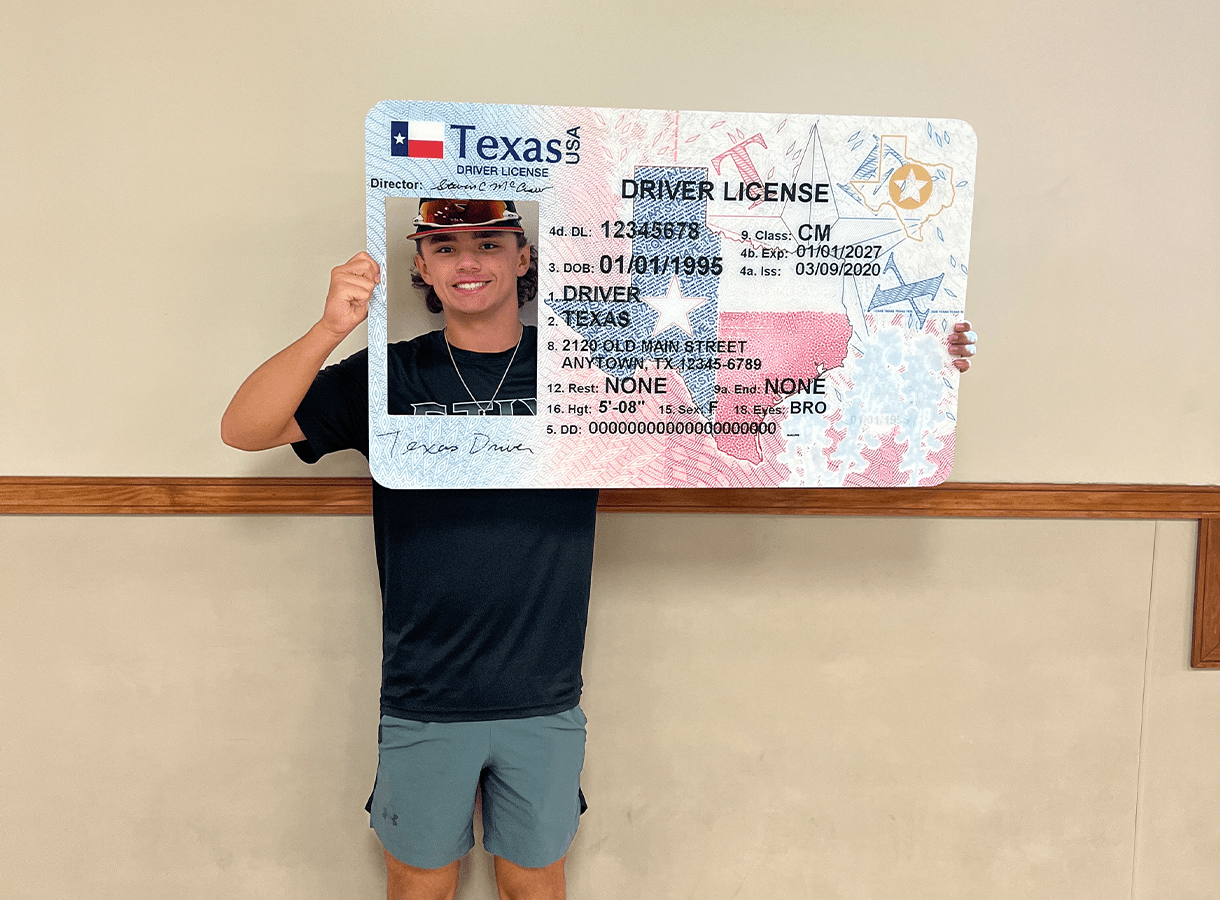
- Complete the Application Online (Optional but Recommended): The Texas DPS website (www.dps.texas.gov) allows you to start the application process online. Filling out the initial forms digitally can save significant time at the physical office. This step typically involves entering your personal information, choosing the type of ID (ID card or driver’s license), and indicating your current address.
- Schedule an Appointment (Highly Recommended): DPS offices can be busy, especially in major urban centers like Houston or Dallas. Scheduling an appointment online through the DPS website is crucial to minimize wait times. Walk-ins are often accommodated but may involve long queues, detracting from your precious travel or settling-in time.
- Visit a DPS Driver License Office: This is the core of the process. You’ll need to locate the nearest DPS office. Major cities have multiple locations, and even smaller towns often have one.
- Present Documents: Hand over all your original required documents to the DPS agent. They will review and verify them.
- Fingerprints and Photo: You will have your fingerprints scanned and a photograph taken for your ID card.
- Vision Test (for Driver’s License): If applying for a driver’s license, you’ll undergo a quick vision test.
- Pay the Fee: There is a fee for the ID card or driver’s license, payable by cash, check, money order, or credit card. Check the current fees on the DPS website before your visit.
- Temporary ID: Upon successful completion, you’ll typically receive a temporary paper ID. Your permanent card will be mailed to your Texas address, usually within 2-3 weeks.
This structured approach, focusing on preparation and understanding each step, transforms what could be a daunting administrative task into a manageable part of your Texas journey.
Optimizing Your Visit: Tips for a Smooth Texas ID Acquisition
Securing your Texas ID doesn’t have to be a source of stress. With a few strategic tips and a clear understanding of what to expect, you can navigate the process efficiently, leaving more time for discovering Texas’s unique attractions, local cuisine, and vibrant lifestyle. This section aims to equip you with the knowledge to make your DPS visit as brief and productive as possible.
Preparing for Success: What to Do Before You Go
The adage “preparation is key” holds especially true for government services. A little foresight can save hours of frustration.
- Double-Check All Documents: Before leaving your hotel suite or apartment, meticulously review every single document against the DPS requirements list (available on their official website). Are they originals or certified copies? Do all names match? Are residency documents recent enough? Missing even one piece of paper can necessitate a return visit, disrupting your travel itinerary or settling-in plans.
- Make Copies (For Your Records): While the DPS requires originals, having photocopies for your personal records can be helpful, especially for critical documents like passports or birth certificates.
- Know Your Nearest DPS Office: Use the DPS website’s office locator to find the most convenient branch. Check its operating hours and verify if it offers the specific service you need (most do for ID cards and driver’s licenses). Some offices might be specialized.
- Schedule an Appointment: As mentioned earlier, this is perhaps the single most important tip for saving time. The DPS online scheduling system allows you to pick a time slot, significantly reducing your wait. Without an appointment, you might face several hours of waiting, especially during peak times.
- Understand the Fees: Confirm the current fees for a Texas ID card or driver’s license on the official website. Have the exact amount ready or a reliable payment method (credit/debit card is usually accepted).
- Review Driving Manual (for Driver’s License): If you’re applying for a driver’s license and are new to Texas, consider reviewing the Texas Driver Handbook. You might need to pass a written knowledge test and a driving skills test, depending on your prior licensing history and the state/country you’re coming from.
The DPS Office Experience: What to Expect
Even with an appointment, a DPS office visit requires a certain mindset. Expect it to be a formal process, but also one that is efficient if you are prepared.
- Arrival and Check-in: Arrive a few minutes early for your appointment. You’ll typically check in at a self-service kiosk or with a front-desk agent, confirming your appointment and receiving a queue number.
- The Waiting Game (Even with Appointments): While an appointment drastically cuts down wait times, there might still be a short wait before your number is called. Bring a book, charger, or simply enjoy some quiet time.
- Interacting with the DPS Agent: When your number is called, approach the counter with all your documents neatly organized. Be polite, clear, and ready to answer any questions about your application. The agent will review your documents, enter your information, and guide you through the next steps (photo, fingerprints, vision test).
- The Photo: Remember, this photo will be on your ID for years! While it’s not a fashion shoot, a little attention to your appearance (neat hair, appropriate clothing) can make a difference.
- Temporary ID: Upon successful completion of all steps and payment, you’ll receive a temporary paper ID. Keep this safe, as it serves as your valid identification until your permanent card arrives in the mail.
- Mail Delivery: The permanent card is typically mailed within two to three weeks to your confirmed Texas residential address. If you’re staying at a short-term rental or a hotel, ensure you have a reliable mail forwarding service or a designated address where you can receive it.
By following these tips, your trip to the DPS will be a seamless, one-time affair, leaving you free to immerse yourself in the rich culture, diverse landscapes, and unforgettable experiences that define Texas.
The Texas ID and Beyond: Exploring the Lone Star State with Confidence
Having a valid Texas ID in hand isn’t just about fulfilling a bureaucratic requirement; it’s about unlocking a level of freedom and confidence that enhances every aspect of your time in the state. Whether you’re planning a thrilling road trip across vast plains, immersing yourself in the vibrant nightlife of Austin, or simply enjoying the convenience of local services, your Texas ID is a key enabler.
Driver’s License vs. ID Card: Choosing Your Path
When applying, you’ll have the choice between a Texas Identification Card and a Texas Driver’s License. The choice depends entirely on your needs and plans.
- Texas Identification Card (ID Card): This is a non-driving identification card. It serves as official proof of identity and age but does not grant you permission to drive a vehicle. It’s ideal for those who don’t drive, plan to use public transportation or ride-sharing services, or simply need an official state ID for non-driving purposes. For long-term visitors or new residents without immediate driving needs, this is a straightforward and effective option.
- Texas Driver’s License: This allows you to legally operate a vehicle in Texas in addition to serving as proof of identity and age. If you intend to rent a car, purchase a vehicle, or simply enjoy the freedom of driving across the sprawling landscapes of [Texas](https://lifeoutofthebox.com/texas], this is the necessary document. Be prepared for a potential written knowledge test and a driving skills test if you’re a new driver or transferring a license from certain non-U.S. countries. Many individuals find that the flexibility of having a driver’s license outweighs the slightly more involved application process, especially given the state’s vastness and reliance on personal transportation.
Both documents serve as valid forms of identification, but your travel and lifestyle plans within Texas should guide your choice.
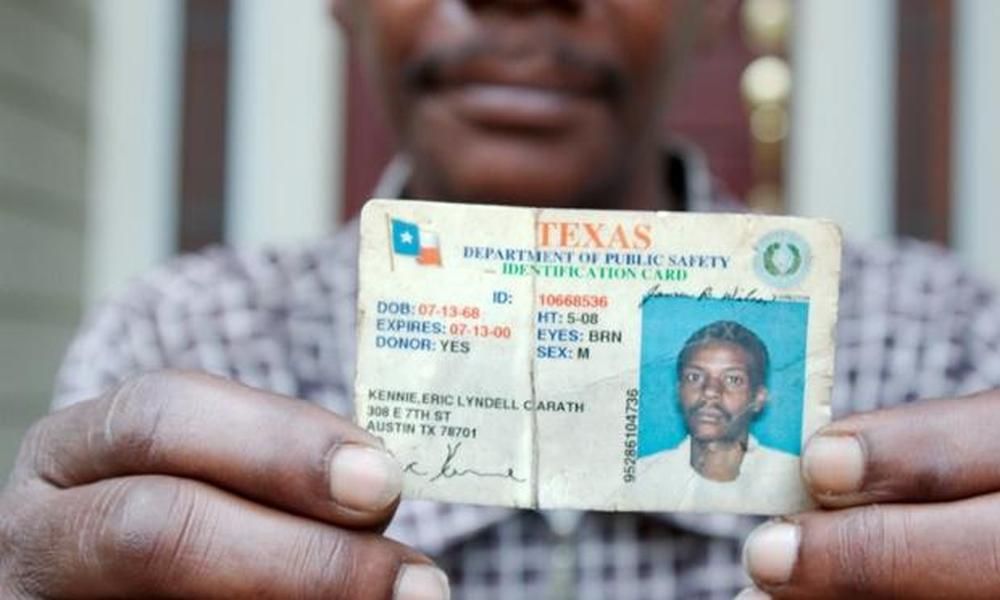
Your Texas ID: A Gateway to Unforgettable Texas Travel
With your Texas ID securely in hand, a wealth of experiences opens up. Imagine the ease of domestic travel, breezing through airport security with a compliant state ID. Consider the seamless check-in at luxurious resorts along South Padre Island or quaint boutique hotels nestled in the Texas Hill Country. Your ID isn’t just a document; it’s your ticket to deeper engagement with the state.
From exploring the historic Alamo in San Antonio, marveling at the wonders of Space Center Houston, stepping back in time at Fort Worth Stockyards, or reflecting on history at Dallas’ Sixth Floor Museum, your state ID simplifies access and enhances your experience. It enables you to take advantage of local tourism benefits, participate in community events, and fully immerse yourself in the unique blend of cultures that define Texas.
Whether your visit is driven by a passion for exploration, a desire for a new accommodation experience, or a long-term lifestyle change, securing a Texas ID is a pragmatic step towards a more fulfilling and confident adventure in the Lone Star State. By understanding the process and preparing diligently, you transform a necessary administrative task into an empowering move, paving the way for countless unforgettable Texas memories. So go ahead, get your Texas ID, and let your Texas journey truly begin!
LifeOutOfTheBox is a participant in the Amazon Services LLC Associates Program, an affiliate advertising program designed to provide a means for sites to earn advertising fees by advertising and linking to Amazon.com. Amazon, the Amazon logo, AmazonSupply, and the AmazonSupply logo are trademarks of Amazon.com, Inc. or its affiliates. As an Amazon Associate we earn affiliate commissions from qualifying purchases.