
Embarking on a fishing adventure in the Sunshine State is an experience unlike any other. From the abundant saltwater species gracing the Gulf of Mexico and the Atlantic Ocean to the freshwater treasures hidden within its numerous lakes and rivers, Florida offers unparalleled angling opportunities. Whether you’re a seasoned angler seeking to reel in a trophy catch or a casual enthusiast looking for a relaxing day by the water, securing the proper fishing license is the essential first step. This comprehensive guide will navigate you through the straightforward process of obtaining your Florida fishing license, ensuring your only worries are the ones that bite the hook.
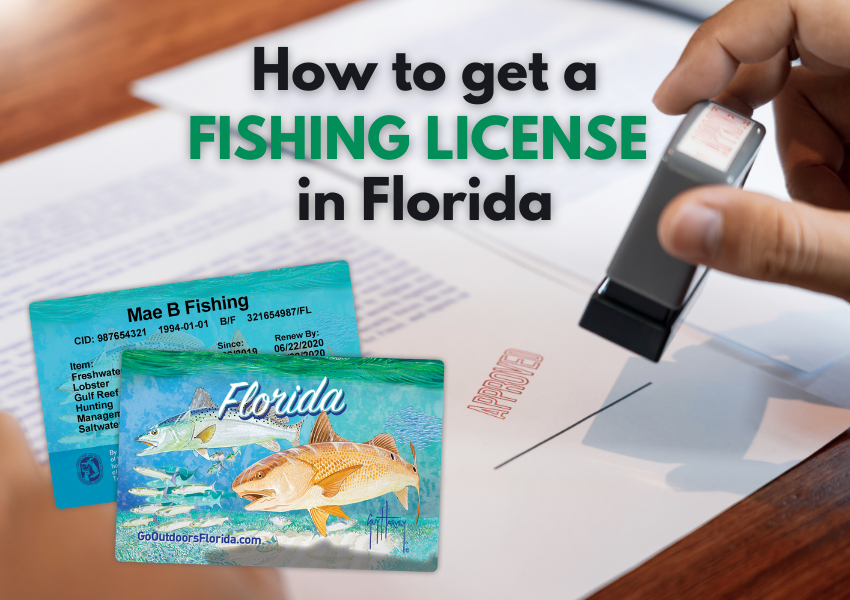
Understanding Florida Fishing Licenses
Before diving into where to get your license, it’s crucial to understand what you need. The Florida Fish and Wildlife Conservation Commission (FWC) is the governing body responsible for issuing fishing licenses. They offer a variety of licenses tailored to different needs, including resident and non-resident options, as well as specialized permits for certain types of fishing or species.
Who Needs a Fishing License?
In general, anyone 16 years of age or older must possess a valid Florida fishing license when fishing in fresh or saltwater. There are a few exceptions, such as when fishing in a privately owned, properly stocked pond or in certain aquaculture facilities. However, for the vast majority of recreational fishing activities, a license is mandatory.
Types of Fishing Licenses
The FWC offers a range of licenses designed to suit every angler’s needs:
- Resident Licenses: If you have lived in Florida for at least six consecutive months and can provide proof of residency, you are eligible for resident pricing, which is significantly more affordable than non-resident licenses. Proof of residency typically includes a Florida driver’s license, Florida identification card, or voter registration.
- Non-Resident Licenses: Visitors to Florida will need a non-resident license. These are available for various durations, from short-term 1-day, 3-day, and 7-day licenses to annual permits.
- Freshwater vs. Saltwater: You can purchase separate freshwater or saltwater licenses, or a combination license that covers both. For those planning to fish in both environments, the combination license is usually the most cost-effective option.
- Fishing Shoreline: A basic saltwater fishing license is required if you are fishing from the shoreline or a dock in saltwater. However, if you are fishing from a pier, the pier owner is required to have a fishing license that covers all anglers on the pier. Always check the specific regulations for the pier you plan to visit.
- Specialty Permits: Depending on the species you intend to target, you might need additional permits. For example, if you plan to catch snook, red drum, or trout in saltwater, you’ll need a specific permit. Similarly, for certain freshwater species or if you plan to harvest specific marine life like stone crabs, additional endorsements may be required. It is always best to check the FWC regulations for the most up-to-date information on these requirements.
License Duration
Florida fishing licenses come in various durations to accommodate different visitor stays and fishing habits:
- Annual Licenses: These are ideal for Florida residents or frequent visitors who plan to fish throughout the year.
- Short-Term Licenses: For tourists, 1-day, 3-day, and 7-day non-resident licenses offer flexibility and cost savings for shorter trips.
Where to Purchase Your Florida Fishing License
The Florida Fish and Wildlife Conservation Commission (FWC) has made the process of obtaining a fishing license convenient and accessible. You have several options, ensuring you can get your license quickly and easily, whether you’re already in the state or planning your trip.
Online Purchase
The most convenient method for many is to purchase your license online through the official FWC website.
- FWC Website: The Florida Fish and Wildlife Conservation Commission website provides a user-friendly portal where you can select the type of license you need, enter your personal information, and complete the transaction securely. Once purchased, you can print a temporary license immediately, which is valid for fishing. Your official license will be mailed to you. This is an excellent option for those who want to secure their license before arriving in Florida or for residents who prefer the convenience of online shopping.
In Person
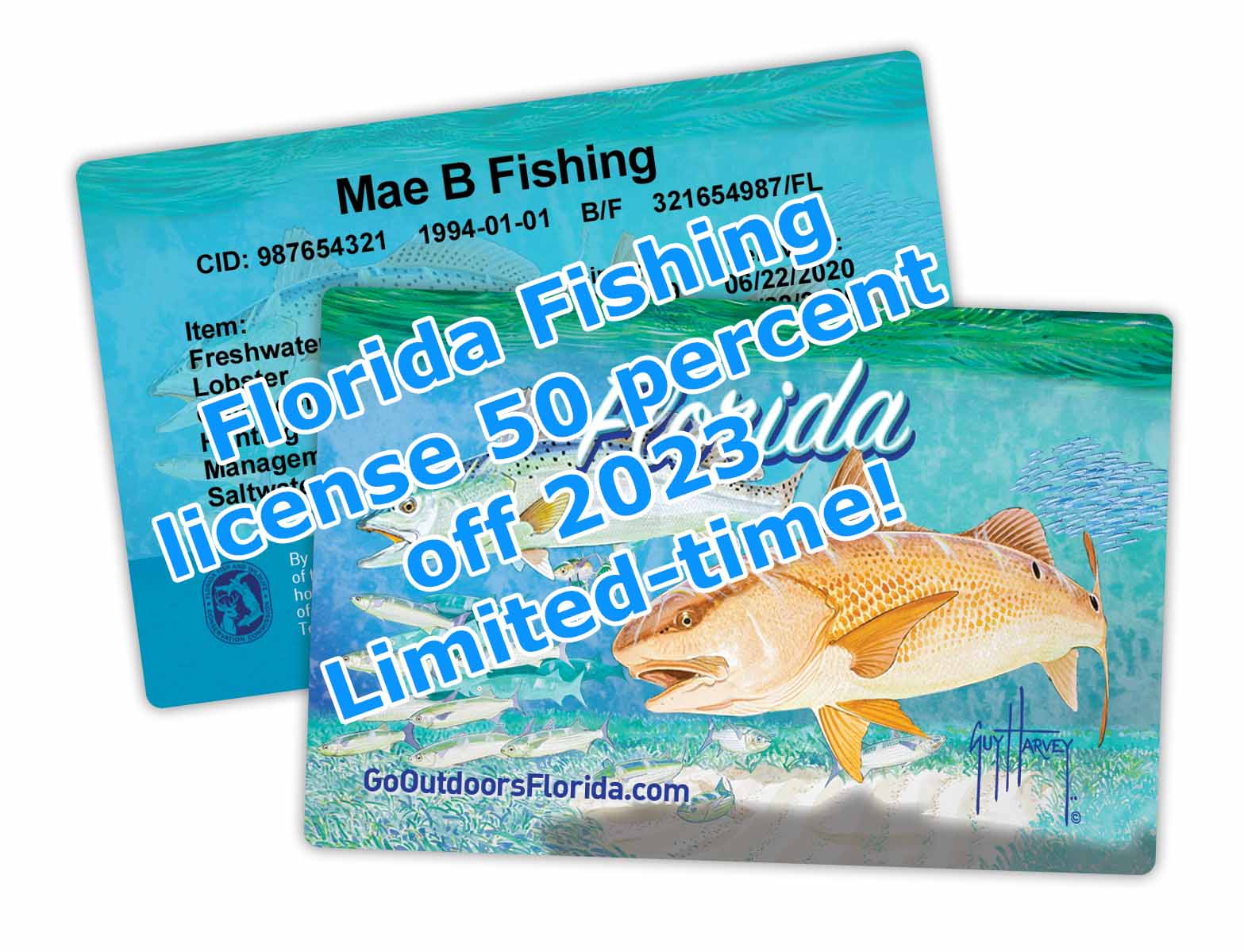
For those who prefer a more traditional approach or need their license on the spot, several physical locations offer fishing licenses.
- County Tax Collector Offices: Many county tax collector offices throughout Florida are authorized agents for the FWC and can issue fishing licenses. You can find a list of these offices on the FWC website or by contacting your local county tax collector’s office. This is a great option if you are already visiting a local government office for other errands.
- License Agents and Retailers: Numerous bait and tackle shops, sporting goods stores, and other authorized retailers across Florida sell fishing licenses. These are often conveniently located near popular fishing destinations. Popular chains like Walmart and Academy Sports + Outdoors often have license sales at their customer service desks or sporting goods sections. When visiting these locations, it’s wise to call ahead to confirm they are indeed an authorized license agent, as not all locations may be.
- County Extension Offices: Some county extension offices also serve as license agents, providing another accessible point of purchase.
By Phone
While online and in-person purchases are most common, you can also obtain a license by phone.
- FWC Customer Service: You can call the FWC’s customer service line to purchase a license. Be prepared to provide all necessary personal information and payment details. This method might be preferable for individuals who have difficulty with online interfaces or prefer speaking with a representative directly.
Special Considerations and Tips for Anglers
Beyond the basic license requirements, there are several nuances and helpful tips that can enhance your fishing experience in Florida. Understanding these can save you time, money, and potential trouble.
Youth and Senior Citizen Licenses
Florida offers special considerations for younger and older anglers.
- Youth Licenses: Children under 16 years of age do not need a fishing license. This is a fantastic initiative that encourages young people to engage with the outdoors and the sport of fishing from an early age.
- Senior Citizen Licenses: Florida residents who are 65 years of age or older and have been residents for at least 12 consecutive months can obtain a discounted annual resident fishing license. This makes it more affordable for seniors to continue enjoying their passion for fishing.
Free Fishing Days
The FWC designates specific days throughout the year as “Free Fishing Days.” On these days, Florida residents and non-residents alike can fish without a license in Florida’s fresh and saltwater.
- Annual Free Fishing Days: Typically, there are two such days in the spring and two in the summer. These are excellent opportunities for individuals who may not have a license or for those who want to introduce friends and family to fishing without the immediate need for a permit. However, it’s important to note that while a license is not required on these days, all other fishing regulations, such as size limits, bag limits, and gear restrictions, remain in effect. Always check the FWC website for the exact dates of Free Fishing Days each year.
Important Reminders and Regulations
- Carry Your License: It is a legal requirement to have your fishing license on your person or readily available while fishing. If inspected by an FWC officer, you must be able to present it. A digital copy on your smartphone is often acceptable, but it’s best to check the FWC’s current policy.
- Know the Regulations: A fishing license grants you the privilege to fish, but it does not exempt you from abiding by all fishing regulations. Familiarize yourself with the current rules regarding seasons, size limits, bag limits, and any specific restrictions for the species you are targeting and the body of water you are fishing in. The FWC website is the definitive source for this information.
- Boat and Personal Watercraft Registration: If you are fishing from a boat, ensure the vessel is properly registered. For recreational fishing from a vessel that is being operated in Florida waters, a Vessel Registration is required unless it falls under specific exemptions.
- Reporting Harvest: For certain species, particularly in saltwater, there are programs that require anglers to report their catch. Familiarize yourself with these requirements to ensure compliance.
Planning Your Fishing Trip
Florida offers a diverse range of fishing experiences. Whether you dream of battling a marlin offshore near Miami, casting for snook in the mangroves of the Florida Keys, or exploring the bass-filled lakes of Central Florida, your fishing license is your passport. Consider the type of fishing you want to do and the duration of your stay when choosing your license. For a truly immersive experience, consider booking a charter with a local guide in areas like Tampa Bay or Fort Lauderdale. Many charter operators can advise on licensing and local regulations. Accommodations can range from luxurious resorts like the Ritz-Carlton to cozy beachfront apartments, ensuring comfort after a day on the water. Remember that many tourist destinations, like Orlando, are surrounded by excellent freshwater fishing opportunities, making it easy to combine a family vacation with some angling. Even if you’re staying in a unique villa or a family-friendly resort in Sanibel Island, access to fishing is often readily available. Exploring the natural beauty of Everglades National Park also presents unique fishing opportunities, though specific regulations within the park should always be consulted. Whether you are a seasoned traveler or embarking on your first trip to the United States, understanding the licensing process is key to a successful and enjoyable Florida fishing adventure.
By following these guidelines, obtaining your Florida fishing license will be a seamless process, allowing you to focus on what truly matters: enjoying the incredible fishing that the Sunshine State has to offer. Happy fishing!