
The gentle giants of the sea, Florida manatees, are an iconic symbol of the Sunshine State. These magnificent marine mammals, often called “sea cows,” are a captivating sight for visitors, offering a unique and unforgettable wildlife encounter. Witnessing a manatee gracefully glide through the warm waters of Florida is a truly special experience, and thankfully, there are numerous prime locations across the state where you can increase your chances of spotting these beloved creatures.
Understanding where and when to see Florida manatees is key to a successful and rewarding trip. While they inhabit the coastal waters and rivers year-round, their presence becomes particularly concentrated during the cooler months when they seek out warmer sanctuaries. This guide will navigate you through the best destinations, essential tips, and enriching experiences for encountering these placid herbivores, ensuring your Florida adventure is filled with wonder.
Prime Manatee Viewing Locations
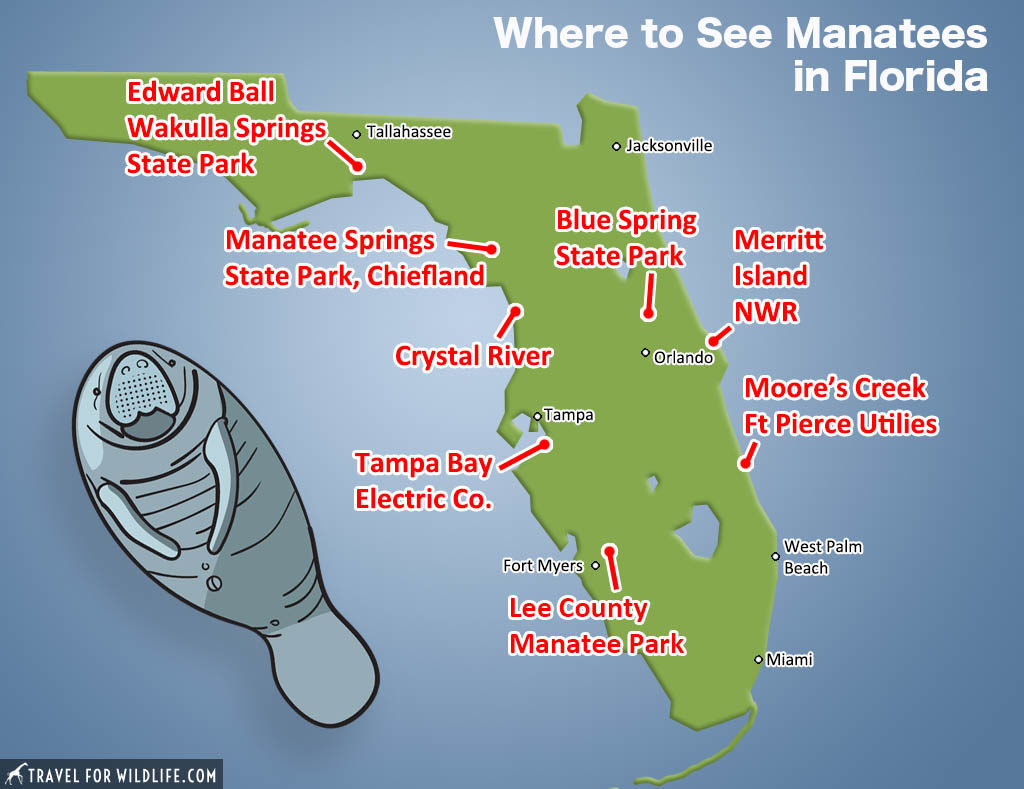
Florida boasts a diverse array of habitats that attract manatees, from natural springs to power plant outflows. Each location offers a distinct viewing experience, catering to different preferences for observation and activity.
Natural Springs: Warm Havens in Winter
When the ambient temperatures in the Atlantic Ocean and the Gulf of Mexico begin to drop, manatees instinctively migrate to warmer waters. Florida’s abundant natural springs provide a consistent temperature of approximately 72°F (22°C) year-round, making them vital refuges for these sensitive mammals during the cooler months, typically from November to March.
-
Crystal River National Wildlife Refuge: Often hailed as the “Home of the Manatee,” this refuge is arguably the most famous place to see Florida manatees. The Crystal River itself and its surrounding areas are a critical wintering habitat. Here, you can snorkel or dive alongside these gentle creatures in designated areas like King’s Bay. Several tour operators offer guided excursions, ensuring responsible and respectful interactions. The refuge is also home to other marine life, adding to the natural spectacle. The shallow, clear waters make for excellent visibility, allowing for intimate encounters. Crystal River provides not only a chance to see manatees but also a glimpse into a thriving coastal ecosystem.
-
Blue Spring State Park: Located near Orange City, Blue Spring State Park is another exceptional location for winter manatee viewing. During the colder months, hundreds of manatees congregate in the crystal-clear waters of the spring run, seeking refuge from the chilly river temperatures. Visitors can observe them from boardwalks that wind along the spring, offering a fantastic vantage point without disturbing the animals. Swimming and tubing in the spring are restricted during manatee season to protect the manatees, but the viewing opportunities are unparalleled. The park’s natural beauty, with its old-growth cypress trees, further enhances the experience.
-
Three Sisters Springs: Adjacent to Crystal River, Three Sisters Springs is a breathtakingly beautiful series of three interconnected springs that are a magnet for manatees during winter. The clear, turquoise waters allow for incredible visibility, making it a popular spot for snorkelers and divers. Like Crystal River, tour operators can guide you to the best spots for observing the manatees while adhering to strict guidelines to ensure their well-being. The natural ambiance of Three Sisters Springs is truly magical, offering a serene setting for wildlife observation.
-
Homosassa Springs Wildlife State Park: While Homosassa Springs is more of a controlled environment for viewing, it offers guaranteed manatee sightings year-round. The park features a unique underwater observatory that allows visitors to see the manatees in their natural spring habitat. This is an excellent option for those who prefer not to enter the water or for families with younger children. The park also showcases other native Florida wildlife, making it a comprehensive nature experience.
Manatee Aggregation Areas: Beyond the Winter
While winter is peak season for spotting manatees in the springs, these fascinating creatures can be found in other areas throughout the year, particularly in warmer months or near specific sources of warm water.
-
Fort Myers and Cape Coral Area: The waters around Fort Myers and Cape Coral, particularly the Caloosahatchee River, attract manatees year-round. The discharge from the Florida Power & Light’s Port Everglades Plant (though this is a bit further north, but the principle applies to other power plants with warm water outflows) creates localized warm spots that draw manatees, especially during cooler periods. Boat tours are a popular way to explore the waterways and spot them in their natural environment. Areas like Manatee Park in Fort Myers are specifically designed for manatee viewing and offer educational exhibits.
-
Tampa Bay Area: Tampa Bay and its surrounding tributaries, such as the Hillsborough River, are also known for their manatee populations. The warmer waters near industrial outflows and in shallow bays offer foraging and resting grounds. Boat tours are a common way to explore Tampa Bay and its coastline, with opportunities to see manatees in their natural habitat. Weeki Wachee Springs State Park, though primarily known for its mermaid shows, is also located in this general region and offers opportunities to see manatees in a spring environment.
-
Everglades National Park: While not as concentrated as in the springs, manatees can be spotted in the brackish waters of Everglades National Park. Exploring the mangrove-lined waterways by kayak or boat can lead to sightings of these elusive mammals. It’s important to be patient and observant, as they are more spread out in this vast wilderness.
Planning Your Manatee Encounter
A successful manatee viewing trip requires a bit of planning and awareness to ensure both your enjoyment and the well-being of these protected animals.
Best Time to Visit

The optimal time to see Florida manatees is during the cooler months, from November to March. This is when the manatees seek the warmth of the natural springs and the temperature of the Atlantic Ocean and Gulf of Mexico drops significantly. During this period, hundreds of manatees can be found congregated in areas like Crystal River and Blue Spring State Park.
However, it’s important to note that manatees are present in Florida waters year-round. In warmer months, they are more dispersed throughout the coastal rivers, bays, and estuaries. If you are visiting during the summer, your chances might be lower, but still possible, especially near areas with consistent warm water sources or in sheltered bays.
Responsible Viewing Practices
As manatees are a protected species under the Marine Mammal Protection Act, it is crucial to observe them responsibly and ethically.
- Maintain Distance: Never touch, chase, or harass a manatee. Maintain a respectful distance, at least 50 feet, to avoid stressing them. If a manatee approaches you, remain still and let it interact on its own terms.
- Boating Regulations: If you are boating, be aware of manatee zones and adhere to speed limits. Use a spotter when navigating in manatee habitats, and always be on the lookout for their tell-tale signs – a ripple on the water or their snout breaking the surface.
- Snorkeling and Diving: When snorkeling or diving, move slowly and quietly. Avoid touching the manatees or their seagrass food source. Follow the guidance of tour operators who are knowledgeable about local regulations and manatee behavior.
- Photography: Use a flash sparingly or not at all, as it can startle them.
Accommodation and Travel Tips
Choosing the right accommodation and incorporating practical tips can significantly enhance your manatee viewing experience.
-
Accommodation Options: Florida offers a wide range of lodging options to suit every budget and travel style. In popular manatee viewing areas like Crystal River, you can find charming inns, waterfront hotels, and vacation rentals. Consider staying close to the natural springs or bays where manatees are frequently sighted. For a more luxurious experience, many resorts offer amenities and proximity to key attractions. Budget travelers can find affordable motels and campgrounds. Vacation apartments and villas can be ideal for families or longer stays, providing more space and self-catering facilities. Look for hotels that emphasize eco-tourism or offer guided manatee tours as part of their packages. For instance, properties like the Plantation on Crystal River or smaller, local establishments can offer unique experiences.
-
Booking and Comparison: When booking your stay, utilize travel websites that allow for comparison of hotels, resorts, and apartments based on price, amenities, and reviews. Reading reviews from other travelers who have visited for manatee watching can provide valuable insights. Look for accommodations that are conveniently located for accessing boat tours or parks.
-
Experiences and Activities: Beyond manatee viewing, immerse yourself in the local Florida lifestyle. Explore charming coastal towns, sample fresh seafood, and learn about the rich maritime history. Many tour operators offer multi-activity packages that might include kayaking, dolphin watching, or visits to local landmarks. Consider visiting during local festivals or events that celebrate marine life.
-
Travel Style: Whether you prefer luxury travel, budget-friendly trips, or family adventures, Florida has something to offer. For a budget travel approach, consider staying in less tourist-heavy towns or opting for a long-term stay in an apartment to reduce costs. Family trips can be made more engaging with educational opportunities at nature centers and interactive exhibits. For those seeking a business stay, many hotels offer convenient locations and amenities for the professional traveler while still allowing for leisure activities.
Beyond the Sighting: Understanding and Protecting Manatees
Seeing Florida manatees is an incredible privilege, and it comes with a responsibility to understand and contribute to their conservation.
Manatee Conservation Efforts
Manatees face numerous threats, including habitat loss, boat strikes, and entanglement in fishing gear. Various organizations and government agencies are dedicated to protecting these gentle creatures. Supporting these conservation efforts, whether through donations or by practicing responsible tourism, plays a vital role in their survival. Learning about their plight and educating others can foster a greater appreciation for these unique animals.
Educational Opportunities
Many parks and visitor centers offer excellent educational programs about manatees. These can include interactive exhibits, ranger-led talks, and opportunities to learn about manatee biology, behavior, and conservation. Visiting these centers before or after your manatee viewing excursion can deepen your understanding and appreciation for the animals you encounter. The Florida Fish and Wildlife Conservation Commission provides valuable information and resources on manatee conservation.
The Bigger Picture: Florida’s Natural Wonders
Your quest to see Florida manatees can also lead you to discover other natural wonders the state has to offer. From the vibrant coral reefs of the Florida Keys to the unique ecosystems of the Everglades, Florida is a treasure trove of biodiversity. Integrating manatee viewing into a broader Florida itinerary allows you to experience the full spectrum of the state’s natural beauty. Consider visiting other landmarks like the Everglades National Park, the Dry Tortugas National Park, or the scenic beaches along the Gulf Coast.
By planning your trip with care, respecting the wildlife, and engaging with the local environment, your encounter with Florida manatees will undoubtedly be a highlight of your travels, leaving you with lasting memories and a deeper connection to the natural world.