
Florida, the Sunshine State, is a beacon for travelers seeking warmth, stunning beaches, and unique wildlife encounters. Among its most beloved residents are the gentle, slow-moving giants of the sea: manatees. These captivating marine mammals, often referred to as “sea cows,” are a protected species and a true symbol of Florida’s rich natural heritage. For visitors hoping to witness these docile creatures in their natural habitat, Florida offers an unparalleled opportunity. This comprehensive guide will navigate you through the best locations, optimal times, and essential tips for an unforgettable manatee encounter, perfectly blending adventure with responsible tourism.
Understanding Manatee Behavior and Optimal Viewing Times
To truly appreciate and locate manatees, understanding their natural behavior and preferred habitats is key. These herbivorous mammals are primarily found in coastal waters, rivers, and springs, drawn to areas with ample vegetation and, crucially, warm water.
Why Florida is a Manatee Haven
Florida’s unique geography and climate make it a perfect sanctuary for manatees. The state is blessed with an abundance of natural springs that maintain a consistent temperature of around 72 degrees Fahrenheit (22 degrees Celsius) year-round. This becomes critically important during the colder winter months when the waters of the Gulf of Mexico and the Atlantic Ocean drop below 68 degrees Fahrenheit (20 degrees Celsius). Manatees cannot survive in prolonged cold conditions, making these warm-water havens vital for their survival. Consequently, during winter, manatees congregate in these springs and discharge canals from power plants, offering spectacular viewing opportunities for respectful observers.
The Best Time to Witness Manatees
The prime season for manatee viewing in Florida is typically from November through March. During these cooler months, thousands of manatees migrate from the cooler ocean and river waters to the warmer springs and industrial outflow areas. The colder the ambient air temperature, the more manatees you are likely to see huddled together in these thermal refuges. While some manatees can be spotted year-round, especially in areas like Crystal River, the sheer numbers present during winter offer the most reliable and awe-inspiring viewing experiences. Summer months see manatees disperse into warmer coastal and river waters, making sightings less concentrated and more unpredictable. Planning your trip during the peak winter season will significantly increase your chances of a truly memorable encounter.
Ethical Manatee Viewing Practices
As a protected species, manatees require our utmost respect and consideration. Ethical viewing practices are paramount to ensure their safety and well-being, as well as to preserve their natural behaviors. When observing manatees, always adhere to “Manatee Manners”:
- Look, but don’t touch or feed: Interacting with manatees can alter their natural behaviors and make them more susceptible to human-related dangers. It’s illegal and harmful to feed or harass them.
- Maintain a safe distance: Whether you’re on a boat, kayaking, or snorkeling, keep a respectful distance. Never corner or pursue a manatee.
- Observe quietly: Loud noises can startle manatees. Approach calmly and enjoy their presence peacefully.
- Use designated viewing areas: Many parks and sanctuaries have elevated boardwalks or observation decks designed for optimal, non-intrusive viewing.
- Report injured or distressed manatees: If you spot a manatee that appears injured, entangled, or in distress, immediately contact the Florida Fish and Wildlife Conservation Commission (FWC).
By following these guidelines, you contribute to the conservation of these magnificent creatures and ensure future generations can also experience the wonder of seeing them in the wild.
Top Manatee Sanctuaries and Viewing Spots Across Florida
Florida is dotted with incredible locations where you can witness manatees. From pristine natural springs to cleverly utilized industrial sites, each spot offers a unique perspective on manatee life.
Central Florida’s Warm Water Havens
Central Florida is perhaps the epicenter of manatee viewing, thanks to its numerous natural springs. These crystal-clear waters are not only breathtakingly beautiful but also serve as crucial winter refuges.
-
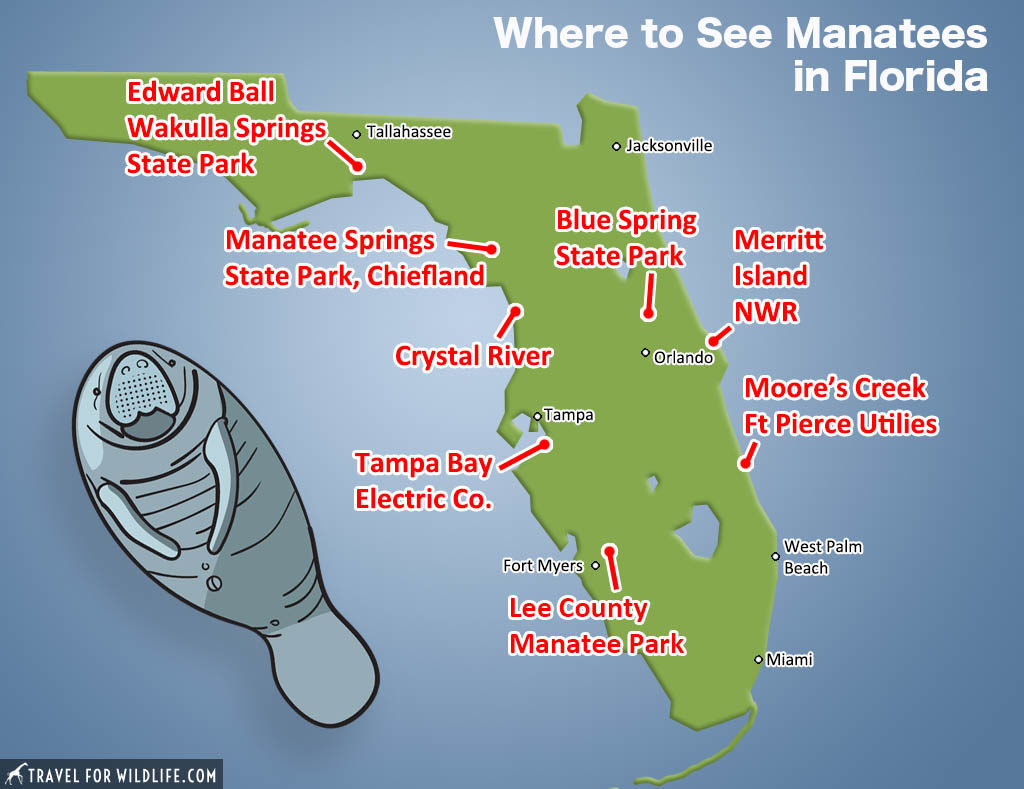
Blue Spring State Park (Orange City): Arguably one of the most famous manatee viewing destinations, Blue Spring State Park consistently hosts hundreds of manatees during the winter. Visitors can walk along a picturesque boardwalk that runs the length of the spring run, offering spectacular elevated views of the congregating manatees. Swimming, snorkeling, and kayaking are prohibited in the spring run during manatee season to protect the animals, but the sight from the boardwalk is truly mesmerizing. The park is located near Orange City, making it an accessible day trip from many popular tourist areas. Due to its popularity, especially on cold days, it’s advisable to arrive early to secure parking and entry. The park also features camping, cabins, and opportunities for hiking and bird watching, extending the appeal for families and nature enthusiasts.
-
Three Sisters Springs (Crystal River): Often lauded as the “Manatee Capital of the World,” Crystal River offers the rare opportunity to swim and snorkel with manatees. The heart of this experience lies in Three Sisters Springs, a pristine collection of springs feeding into Kings Bay. During winter, hundreds of manatees seek refuge in its constant 72-degree waters. While direct access to the springs is often restricted to protect the manatees, visitors can paddle kayaks or stand-up paddleboards into designated areas, or join licensed tour operators for guided swim tours. These tours strictly adhere to passive observation rules, ensuring minimal disturbance to the manatees. On land, a boardwalk provides excellent viewing opportunities without getting wet. Accommodation options in Crystal River range from cozy boutique hotels to waterfront resorts, catering to various travel lifestyles, from adventurous solo travelers to families seeking a memorable encounter.
-
Homosassa Springs Wildlife State Park (Homosassa): This state park serves as a rehabilitation center for injured manatees and other native Florida wildlife. Visitors can observe manatees year-round from an underwater observatory, often called the “Fish Bowl,” which provides a unique perspective of these gentle giants swimming gracefully below the surface. While the manatees here are often undergoing rehabilitation, the experience is highly educational, offering insights into their biology and the challenges they face. The park, located in Homosassa, is also home to a variety of other native wildlife, including panthers, bears, and alligators, making it a comprehensive natural attraction perfect for family trips.
Southwest Florida’s Coastal Gems
The southwest coast of Florida also provides excellent opportunities for manatee viewing, often linked to power plant discharges or estuarine sanctuaries.
-
Manatee Park (Fort Myers): Near Fort Myers in Lee County, Manatee Park is a dedicated warm-water refuge for manatees. Like the TECO Manatee Viewing Center in Apollo Beach, this park benefits from the warm outflow of the Florida Power & Light power plant. During the cooler months, hundreds of manatees seek comfort in these warm waters, often visible from the park’s observation decks. The park offers educational displays, picnic areas, and a butterfly garden, making it an ideal spot for a leisurely visit. It’s a fantastic, free option for travelers on a budget or families looking for an accessible viewing experience.
-
Lovers Key State Park (Fort Myers Beach/Bonita Springs): While not a primary manatee refuge in the same vein as the springs, Lovers Key State Park, situated between Fort Myers Beach and Bonita Springs, offers excellent opportunities to spot manatees in its calmer estuarine waters. Kayaking and paddleboarding through the park’s mangrove-lined lagoons often lead to quiet encounters with manatees, especially during the spring and summer when they are more dispersed. The park itself is a natural paradise, boasting pristine beaches, shelling opportunities, and diverse birdlife, appealing to those who enjoy combining wildlife viewing with beach relaxation and outdoor activities.
South Florida’s Unique Spots
Even further south, unique environmental conditions create distinct manatee habitats.
-
TECO Manatee Viewing Center (Apollo Beach): Located in Apollo Beach, just south of Tampa Bay, this unique center is situated next to a power plant that discharges warm water into the Tampa Bay estuary. During winter, hundreds of manatees flock to this warmer water. The center provides expansive boardwalks, an observation tower, and an environmental education building, making it a fantastic, free attraction for all ages. It offers reliable manatee sightings alongside educational insights into their conservation. The center’s dedication to sustainability and environmental education aligns well with responsible tourism initiatives.
-
Everglades National Park: While more challenging than other locations, manatees do inhabit the vast wilderness of Everglades National Park, particularly in the coastal areas and canals leading to Florida Bay. Spotting them here often requires a boat tour or exploring by kayak in specific areas. The experience in the Everglades is less about guaranteed numbers and more about an authentic wilderness encounter, often shared with crocodiles, alligators, and a plethora of bird species. For the adventurous traveler, combining a manatee search with the unique ecosystem of the Everglades offers an unparalleled experience in Florida’s wild heart.
Planning Your Manatee Encounter: Tips for an Unforgettable Trip
A successful manatee viewing trip involves a bit of planning, ensuring you’re prepared for the weather, logistics, and making the most of your visit.
Essential Gear and Preparation
Being well-prepared enhances your comfort and the overall experience.
- Binoculars and Camera: Essential for close-up views from a distance and capturing those precious moments without disturbing the manatees.
- Weather-Appropriate Clothing: Even in Florida, winter mornings can be chilly, especially near water. Dress in layers, and if you plan to get in the water (where allowed), bring a wetsuit, even if provided by a tour operator.
- Sun Protection: Sunscreen, a hat, and sunglasses are always recommended, regardless of the season.
- Waterproof Bag: Useful for protecting electronics and personal items if you’re kayaking or on a boat tour.
- Reusable Water Bottle: Stay hydrated, especially when spending time outdoors.
Accommodation and Local Delights
When planning your manatee adventure, consider the overall travel experience. Many manatee viewing spots are close to vibrant towns and cities offering a range of accommodation options and local attractions.
- Hotels and Resorts: In areas like Crystal River, Fort Myers, and near Blue Spring State Park, you’ll find everything from luxury resorts and family-friendly hotels to budget-conscious motels. Many offer amenities like pools, dining, and easy access to local attractions. Booking in advance, especially during peak winter season, is highly recommended.
- Vacation Rentals and Apartments: For longer stays or larger groups, consider renting a vacation home, apartment, or villa. This can offer more space, privacy, and kitchen facilities, ideal for family trips or those seeking a home-away-from-home experience.
- Camping and Glamping: For nature lovers, several state parks offer camping facilities, allowing for an immersive experience within Florida’s natural beauty. Some even offer glamping options for a touch of luxury in the wild.
Beyond manatees, these locations often boast unique local cuisine, from fresh seafood to classic Florida comfort food. Explore local farmers’ markets, charming downtown areas, and waterfront restaurants to truly soak in the local culture and lifestyle.
Beyond Manatees: Exploring Florida’s Diverse Offerings
While manatees are undoubtedly a highlight, Florida offers a wealth of other attractions that can complement your trip.
- Beaches: Don’t forget Florida’s world-famous beaches. Whether you prefer the calm Gulf of Mexico shores or the lively Atlantic Ocean coast, there’s a perfect beach for every preference.
- Theme Parks: For a dose of thrill and fantasy, Florida’s iconic theme parks are often just a short drive away from manatee country, offering a diverse travel experience.
- Other Wildlife: Florida is a biodiversity hotspot. Look out for alligators, crocodiles, dolphins, various bird species, and even the elusive Florida panther in its different natural habitats.
- Cultural and Historical Sites: Explore Florida’s rich history and diverse culture through its museums, historic districts, and art galleries.
Witnessing manatees in Florida is more than just a tourist activity; it’s an immersive journey into the heart of responsible eco-tourism. These gentle giants embody the fragile beauty of our natural world and the critical importance of conservation. By choosing to visit these incredible viewing locations and adhering to ethical guidelines, travelers contribute to the ongoing efforts to protect these magnificent creatures for generations to come. So pack your bags, prepare for an awe-inspiring encounter, and discover the magic of Florida’s manatees. Your adventure awaits!
LifeOutOfTheBox is a participant in the Amazon Services LLC Associates Program, an affiliate advertising program designed to provide a means for sites to earn advertising fees by advertising and linking to Amazon.com. Amazon, the Amazon logo, AmazonSupply, and the AmazonSupply logo are trademarks of Amazon.com, Inc. or its affiliates. As an Amazon Associate we earn affiliate commissions from qualifying purchases.