
The infamous neighborhood of Five Points, a name that evokes images of a bygone era of immigrant struggles, political intrigue, and vibrant, albeit often grim, street life, was once a prominent and complex district in Lower Manhattan, New York City. Today, its physical footprint is largely unrecognizable, subsumed by the ever-evolving urban landscape. Yet, understanding its location and historical significance is crucial for anyone seeking a deeper understanding of New York’s past, its immigrant heritage, and the very foundations of its tourism landscape, particularly for those interested in history and landmark exploration.
The Shifting Sands of Lower Manhattan: Locating Five Points
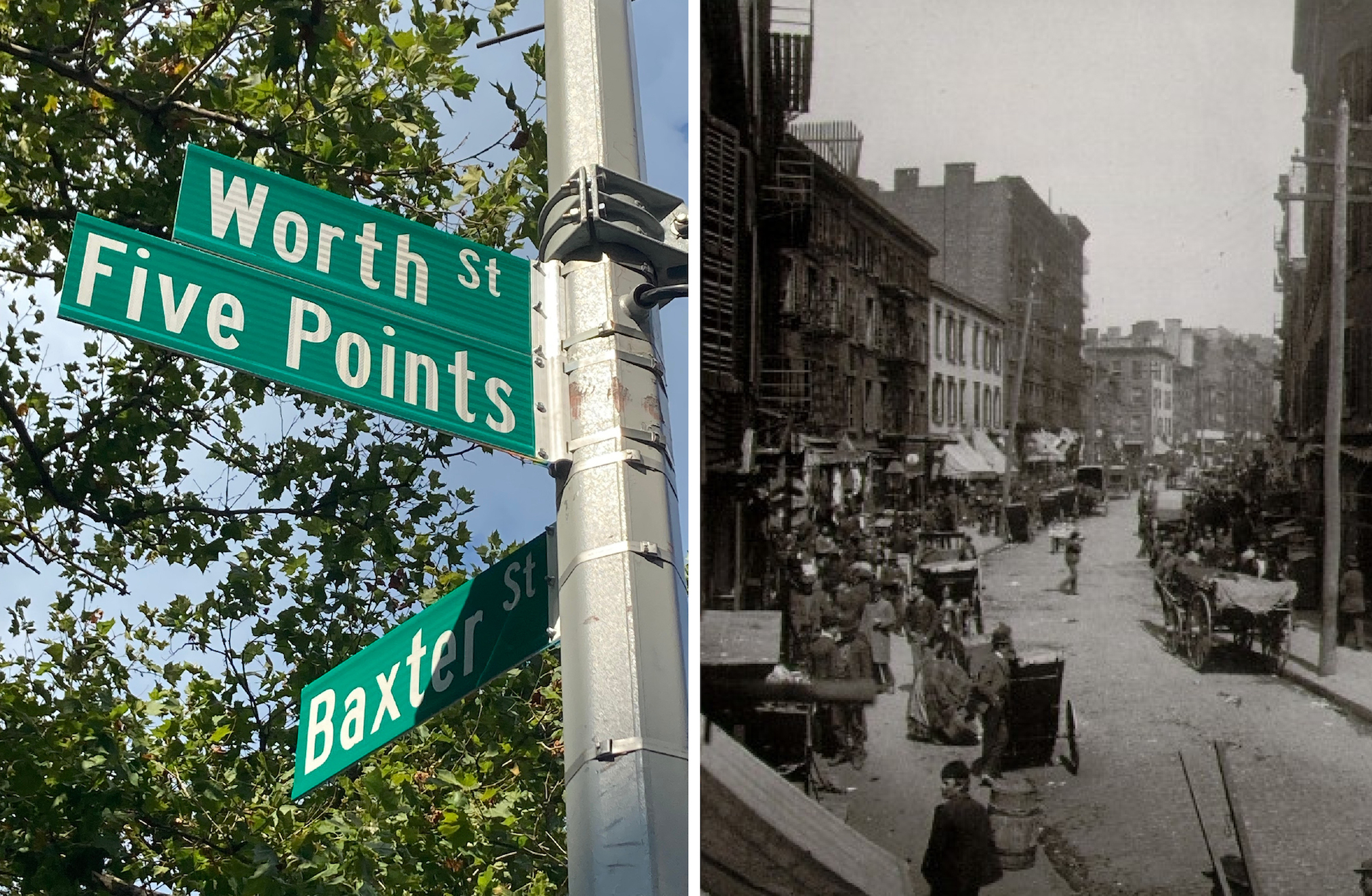
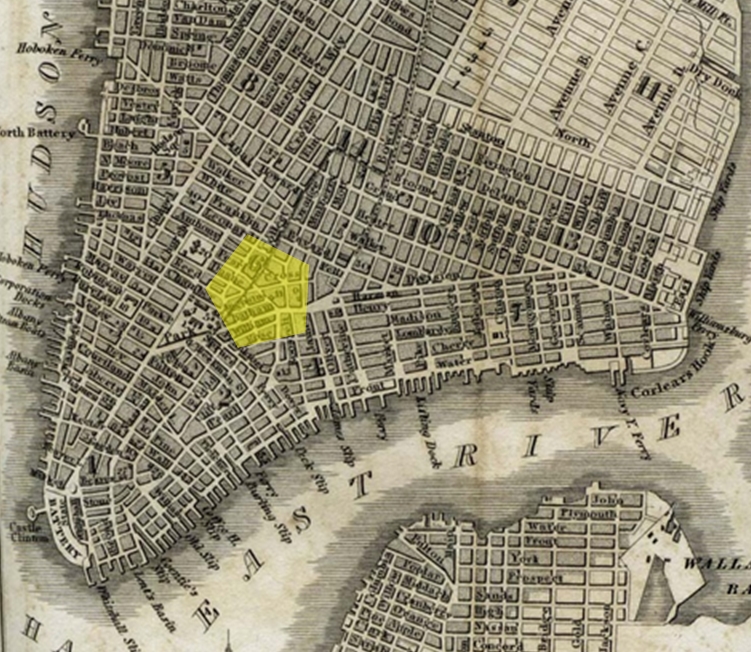
To pinpoint the exact location of Five Points in New York City, one must embark on a historical cartographical journey. The district was not a static entity; its boundaries and character shifted with the tides of immigration, urban development, and social reform. At its heart, Five Points was characterized by the intersection of several streets that converged at a central point, giving the neighborhood its distinctive name. These streets were originally Mulberry Street, Orange Street (now Baxter Street), Little Water Street, and Anthony Street (now Worth Street), with Chatham Street (now Park Row) also playing a significant role in its periphery.
The Confluence of Streets and Stories
The most commonly accepted geographic anchor for Five Points is the area bounded by present-day Worth Street to the north, Baxter Street to the east, Mosco Street to the south, and a point near Centre Street to the west. This nexus of converging thoroughfares was the literal and metaphorical heart of the neighborhood. Imagine standing at this spot today; you would be amidst the bustling Civic Center and the imposing buildings of New York County, a stark contrast to the cramped, squalid tenements that once defined Five Points.
The creation and expansion of these streets were a product of the city’s rapid growth in the early 19th century. As New York City expanded, landfill projects altered the natural topography of Lower Manhattan. The original marshy inlets and streams were filled in, creating new land for development. This process inadvertently created some of the most densely populated and impoverished areas in the city, and Five Points became the epicenter of this urban transformation.
Life in the Melting Pot: The Social Fabric of Five Points
Five Points was synonymous with extreme poverty, overcrowding, and social challenges. It was a magnet for newly arrived immigrants, primarily from Ireland and Germany, fleeing famine and political upheaval. These newcomers, often with little more than the clothes on their backs, found themselves in a district that, while offering a semblance of community and opportunity, was also rife with disease, crime, and exploitation.
Immigration and Resilience
The influx of immigrants, especially during the Irish Potato Famine of the mid-19th century, overwhelmed the existing infrastructure of Five Points. Tenements, often poorly constructed and lacking basic sanitation, housed dozens of families in cramped, unsanitary conditions. Disease, such as cholera and typhus, was rampant, and infant mortality rates were alarmingly high. Yet, amidst these dire circumstances, a vibrant immigrant culture flourished. Churches, social organizations, and community networks emerged, providing support and a sense of belonging for those navigating a new and often hostile environment.
The German immigrants, while also facing hardships, often arrived with slightly more resources and established themselves in distinct enclaves within the broader Five Points area. Their businesses, from bakeries to beer gardens, contributed to the neighborhood’s complex economic tapestry.

The Shadow of Crime and Reform
The extreme poverty and desperation in Five Points unfortunately bred a climate of crime. Gangs, such as the infamous Dead Rabbits and the Bowery Boys, vied for territory and control, leading to frequent street violence and riots. The area became a symbol of urban blight and social decay, attracting the attention of social reformers, journalists, and eventually, city planners.
Figures like Jacob Riis, whose groundbreaking photographic essay “How the Other Half Lives” captured the stark realities of tenement life, played a pivotal role in raising public awareness and spurring reform movements. His work, along with the efforts of organizations like the Children’s Aid Society, aimed to improve living conditions, establish schools, and provide social services to the residents of Five Points. The very existence of these reform efforts highlights the profound impact Five Points had on shaping New York’s approach to social welfare and urban policy.
The Echoes of Five Points in Modern New York
While the physical landscape of Five Points has been dramatically altered by time and development, its legacy continues to resonate throughout New York City. The area once occupied by Five Points is now a vital part of the city’s administrative and judicial hub, a testament to the transformative power of urban planning and redevelopment.
From Slums to Skyscrapers
The most significant transformation of the Five Points area occurred with the construction of the New York City Criminal Courts Building and the Supreme Court of New York County. These imposing structures, built in the early 20th century, effectively erased much of the original street plan and architecture of the neighborhood. The landfill projects that created the land for Five Points also laid the groundwork for these later developments.
Furthermore, the expansion of New York City Hall Park and the surrounding municipal buildings has further reshaped the area. Today, a visitor seeking to experience the Five Points of history would find themselves in a modern urban environment, surrounded by government institutions rather than the crowded tenements and bustling streets that once defined the district.
Preserving the Memory: Museums and Memorials
Despite the physical erasure, the memory of Five Points persists. Several institutions and historical sites offer glimpses into the neighborhood’s past. The Tenement Museum on the Lower East Side, though not directly in Five Points, provides a powerful and immersive experience of immigrant life in similar tenement buildings, allowing visitors to connect with the struggles and triumphs of those who once called districts like Five Points home.
The Five Points Festival, an annual event celebrating Italian-American heritage, often touches upon the history of immigrants who settled in the area. While not a physical remnant of the original Five Points, it serves as a cultural touchstone, reminding New Yorkers and visitors alike of the diverse communities that shaped the city. For those interested in New York’s rich history, exploring the archives of New York Public Library or the New-York Historical Society can offer further insights into the lives and times of Five Points.
In conclusion, Five Points was a dynamic and complex neighborhood in Lower Manhattan, New York City, that played a critical role in shaping the city’s identity and its evolution as a global metropolis. While its physical manifestations have largely vanished, its historical significance as a crucible of immigration, a site of profound social challenges, and a catalyst for urban reform remains indelible. Understanding where Five Points was allows us to better appreciate the layers of history that lie beneath the modern cityscape, enriching our travel experiences and deepening our connection to the enduring spirit of New York.