
Five Points, a name that once echoed through the history of New York City, conjures images of a vibrant, chaotic, and transformative era. Though its physical form has long since been reshaped by urban development, understanding where Five Points was and what it represented is crucial for anyone interested in the city’s rich tapestry of history, culture, and social evolution. This historic neighborhood, located in the heart of Lower Manhattan, was a crucible of immigration, poverty, and burgeoning American identity. Its story is not just about a place on a map, but about the millions of lives that intersected and shaped the very foundations of modern New York.
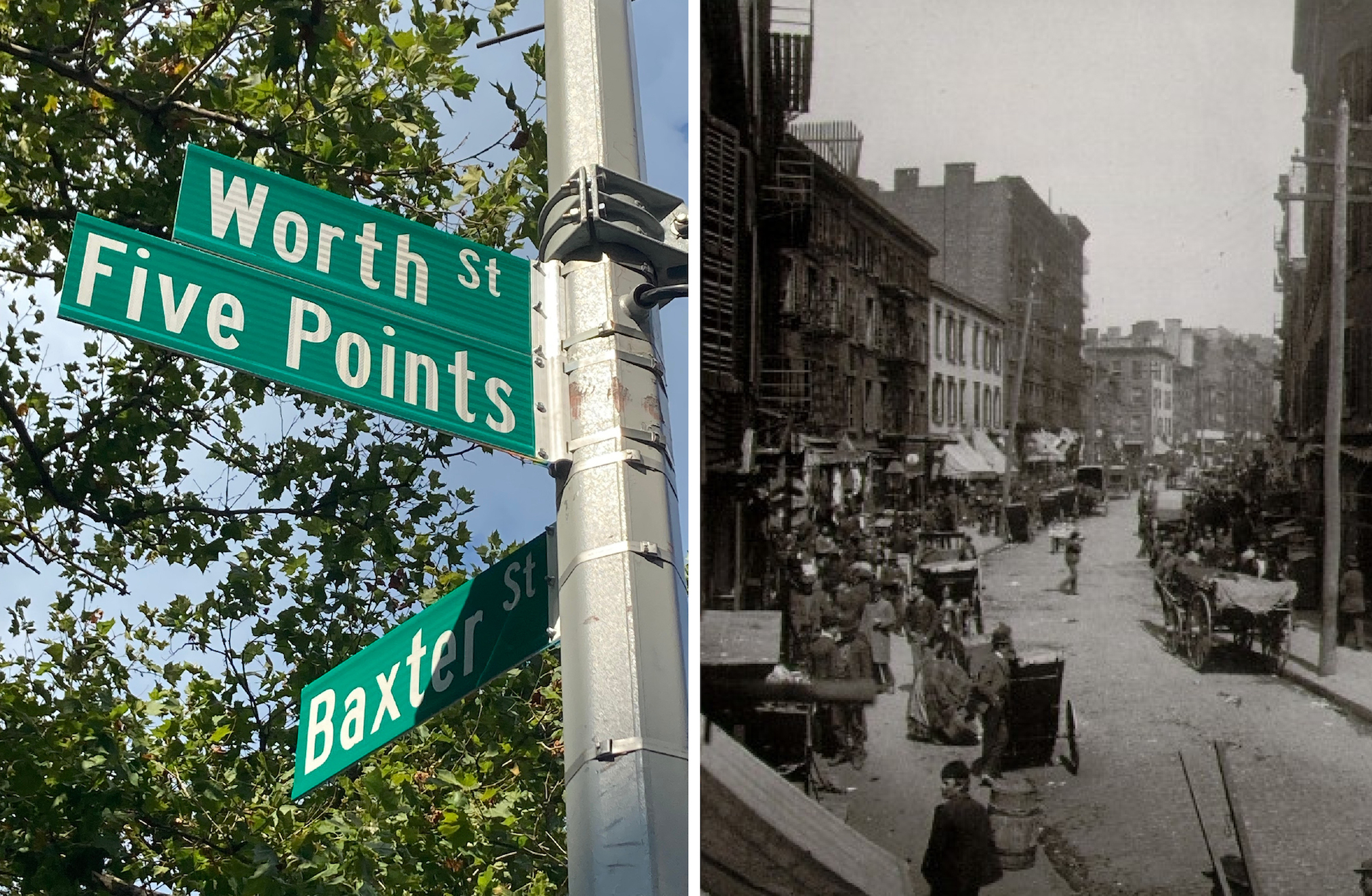
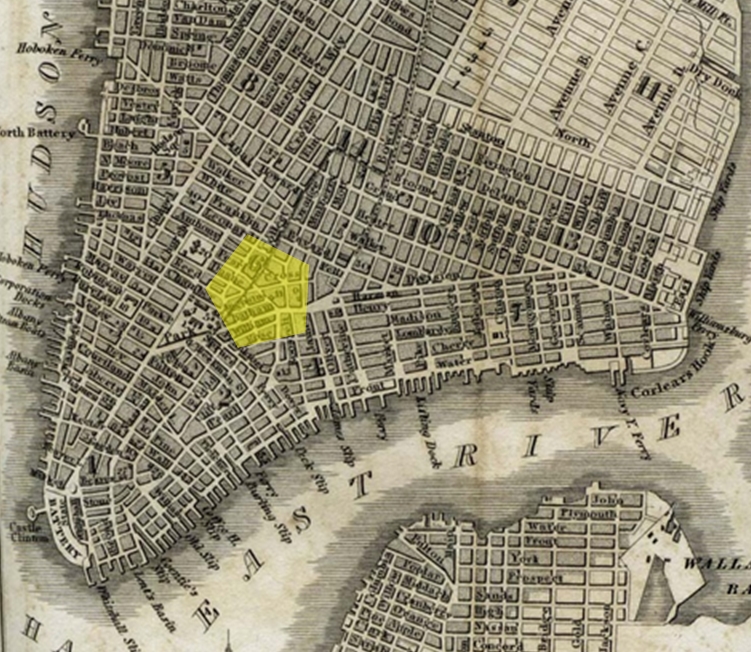
The Five Points area was famously known as the most impoverished and crime-ridden neighborhood in New York City during the mid-19th century. Its name derives from the five streets that converged in a star-shaped intersection: Anthony Street, Cross Street, Orange Street, Little Water Street, and Mulberry Street. This peculiar convergence created a central hub that would become synonymous with the struggles and triumphs of immigrant communities, particularly the Irish and Italian populations, who found themselves drawn to its affordable, albeit squalid, living conditions.
The Genesis of a Historic Neighborhood
The transformation of the Five Points area into a notorious slum was a complex process, shaped by a confluence of factors including rapid industrialization, mass immigration, and discriminatory housing practices. Before it became the infamous Five Points, the area was a relatively unremarkable part of New York City, characterized by hills and tidal marshes. However, as the city expanded rapidly in the early 19th century, its needs for housing and infrastructure intensified.
Early Development and Environmental Challenges
The land that would become Five Points was originally part of the estate of Nicholas Bayard. As New York City grew, the estate was subdivided and developed. Notably, the area included a natural pond, Collect Pond, which was later filled in during the late 18th century to make way for construction. This seemingly practical solution, however, proved to be a harbinger of future environmental issues. The land, having been marshy and filled with debris, was prone to sinking and poor drainage. The water table was high, and the rudimentary sewage systems struggled to cope, leading to pervasive dampness and unsanitary conditions.
As the population of New York City swelled, particularly with waves of immigrants seeking opportunity, affordable housing became scarce. Developers began constructing cheap, overcrowded tenements on the unstable ground of the former Collect Pond area. These buildings were often poorly constructed, lacking basic amenities like running water, proper ventilation, or adequate sanitation. The dense packing of people into these substandard dwellings created a breeding ground for disease and exacerbated the already challenging living conditions.
The Tide of Immigration and Social Stratification
The mid-19th century witnessed an unprecedented influx of immigrants into New York City, most notably fleeing the Great Famine in Ireland. These newcomers, often destitute and facing prejudice, found the cheap rents in the Five Points area to be their only viable option. The neighborhood became a densely populated melting pot, primarily of Irish immigrants, but also including German, and later, Italian and Chinese communities.
However, this vibrant mix of cultures was overshadowed by the extreme poverty and social marginalization that defined Five Points. The neighborhood became a symbol of urban squalor, a stark contrast to the growing wealth and prosperity of other parts of New York City. It was characterized by overcrowded tenements, dilapidated housing, and a lack of public services. The limited economic opportunities available to the residents, coupled with systemic discrimination, trapped many in a cycle of poverty. This social stratification was palpable, with Five Points becoming a geographic and social pariah.
Life in the Shadow of Five Points
The reputation of Five Points as a den of iniquity and despair was cemented by contemporary accounts, journalistic exposés, and fictional portrayals. While these often sensationalized the realities, they also pointed to genuine social problems that plagued the neighborhood. The lack of economic opportunity, coupled with the deplorable living conditions, contributed to high rates of crime, disease, and social unrest.
The Infamous Tenements and Daily Struggles
The tenements of Five Points were the defining feature of its urban landscape. These multi-story apartment buildings were designed to house as many people as possible, often with little regard for health or comfort. Families crammed into tiny, dark rooms, sharing privy vaults and relying on communal water pumps that were often contaminated. The air was thick with the smell of coal smoke, unwashed bodies, and industrial effluence.
Daily life for residents was a constant struggle for survival. Finding work was difficult, and when jobs were available, they were often low-paying, physically demanding, and dangerous. Many residents resorted to taking on piecework, selling goods on the street, or engaging in petty crime to make ends meet. The lack of access to education and healthcare meant that many children grew up in a cycle of poverty, with limited prospects for upward mobility.
The Criminal Underbelly and Social Reform
The extreme poverty and desperation in Five Points naturally gave rise to a criminal underworld. Gangs, such as the Whyos and the Dead Rabbits, operated in the neighborhood, engaged in racketeering, theft, and violence. Brothels, saloons, and gambling dens proliferated, contributing to the area’s unsavory reputation. The New York City Police Department struggled to maintain order in the chaotic streets of Five Points, and the sheer density of the population made effective policing a daunting task.
However, Five Points also became a focal point for social reformers and charitable organizations. Figures like Charles Loring Brace, who founded the Children’s Aid Society, worked tirelessly to alleviate the suffering of the children in Five Points, establishing schools, providing food, and organizing the placement of orphaned and abandoned children in rural homes through the “Orphan Trains.” Missionaries and religious groups also established a presence, offering spiritual guidance and practical assistance. These efforts, while often facing immense challenges, represented a crucial attempt to address the complex social issues that characterized the neighborhood.
The Legacy of Five Points
Though the physical landscape of Five Points has been dramatically altered, its legacy continues to resonate within New York City and beyond. The stories of its residents, their struggles, and their contributions are an indelible part of the American immigrant experience. The neighborhood’s transformation reflects broader historical trends and offers valuable lessons about urban development, social inequality, and the enduring power of community.
Urban Renewal and Transformation
By the late 19th and early 20th centuries, Five Points was recognized as a blight on the city. Urban planners and politicians began to advocate for its demolition and redevelopment. The construction of new civic buildings and infrastructure, such as the Courthouse, and later the Manhattan Municipal Building, gradually replaced the old tenements. The area was essentially cleared and rebuilt, erasing much of the physical evidence of the original Five Points.
This process of urban renewal, while intended to improve living conditions and attract investment, often displaced the very communities it aimed to help. The story of Five Points serves as a cautionary tale about the complexities of urban planning and the potential for development to exacerbate existing social inequalities.

Five Points in Popular Culture and Historical Memory
Despite its physical disappearance, Five Points has retained a powerful presence in historical memory and popular culture. The neighborhood was famously depicted in Charles Dickens’s “American Notes” and later brought to vivid life in the film “Gangs of New York,” which explored the violent rivalries and social tensions of the mid-19th century. These portrayals, while often dramatic, have cemented Five Points in the public consciousness as a symbol of a raw, untamed, and formative period in New York City’s history.
Today, the area where Five Points once stood is part of the bustling civic center of Lower Manhattan, a district characterized by government buildings, courthouses, and commercial enterprises. While the narrow, crooked streets and overcrowded tenements are gone, the echoes of the lives lived there – the immigrants who sought a new beginning, the families who endured hardship, and the communities that forged resilience – remain. Understanding “Where Was Five Points New York?” is not just an exercise in historical geography, but a journey into the heart of the American Dream and the enduring spirit of New York City. The lessons learned from this once-notorious neighborhood continue to inform contemporary discussions about urban poverty, immigration, and the challenges of creating equitable and thriving cities. The area is a testament to the constant flux of urban life, where the past is often buried beneath layers of progress, yet its stories continue to shape the present.
LifeOutOfTheBox is a participant in the Amazon Services LLC Associates Program, an affiliate advertising program designed to provide a means for sites to earn advertising fees by advertising and linking to Amazon.com. Amazon, the Amazon logo, AmazonSupply, and the AmazonSupply logo are trademarks of Amazon.com, Inc. or its affiliates. As an Amazon Associate we earn affiliate commissions from qualifying purchases.