
The very mention of the California Gold Rush conjures images of rugged prospectors, bustling boomtowns, and the fervent pursuit of fortune that dramatically reshaped the landscape and destiny of California and indeed, the United States. Far from being a localized event, the Gold Rush was an epoch-making phenomenon that drew hundreds of thousands from across the globe, transforming sleepy valleys into vibrant, chaotic hubs of activity. For today’s traveler, the question “Where was the California Gold Rush?” isn’t just a historical inquiry; it’s an invitation to explore a region rich in history, natural beauty, and unique attractions that continue to captivate.

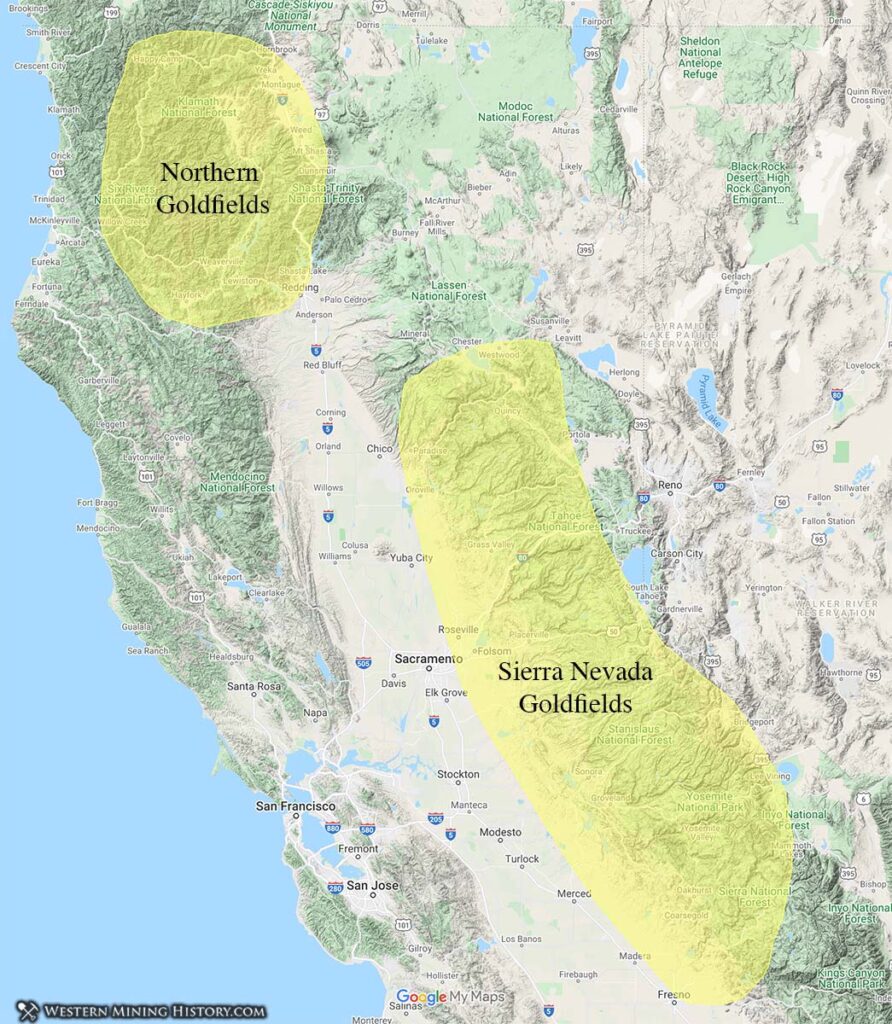
The geographical heart of the Gold Rush, often referred to simply as “The Gold Country,” stretches along the western foothills of the Sierra Nevada mountain range. This vast area encompasses numerous counties and towns, each bearing the indelible marks of the mid-19th century’s most exhilarating human migration. From the initial discovery site to the countless rivers and creeks where fortunes were made and lost, understanding the geography of the Gold Rush is key to appreciating its enduring legacy and planning an unforgettable journey back in time.
The Genesis of the Gold Rush: Sutter’s Mill and Beyond
Every grand historical narrative has a starting point, and for the California Gold Rush, it was a fateful day in early 1848. The discovery that ignited a global fever occurred at a rather unassuming location, setting off a chain reaction that would forever alter the course of American history.
The Discovery That Changed a Nation
On January 24, 1848, a carpenter named James W. Marshall was overseeing the construction of a sawmill for John Sutter along the American River near present-day Coloma. While checking the tailrace for obstructions, he spotted glittering flakes in the riverbed. Testing them, he confirmed they were gold. This wasn’t merely a significant find; it was the spark that ignited a global phenomenon.
Sutter’s Mill, located in what is now Marshall Gold Discovery State Historic Park, quickly became the epicenter of the initial rush. News of the discovery, despite attempts to keep it quiet, spread like wildfire, first locally, then across the nation, and eventually, the world. Prospectors, dubbed “forty-niners” (referencing the peak year of immigration in 1849), abandoned farms, businesses, and families to embark on arduous journeys by land and sea to reach the promised land of California.
This single discovery transformed California from a remote Mexican territory, barely ceded to the United States, into a beacon for ambition and adventure. Within a few years, its population exploded, leading to rapid statehood in 1850. The unassuming stretch of the American River at Coloma is undeniably the geographical and emotional starting point for any exploration of the Gold Rush.
Early Gold Rush Towns and Settlements
As news of gold spread, makeshift settlements sprang up almost overnight wherever gold was found. These “boomtowns” were often chaotic, lacking formal governance, but brimming with an intoxicating mix of hope, desperation, and entrepreneurship. While many were transient, some endured and evolved into the charming towns we see today.
Initially, miners flocked to the immediate vicinity of Sutter’s Mill in Coloma and along the various forks of the American River. However, as surface gold diminished, prospectors pushed further into the Sierra Nevada foothills, leading to discoveries in new areas. Settlements like Placerville (originally known as “Hangtown” due to its rough-and-tumble justice), Nevada City, and Grass Valley emerged as vital supply centers and mining hubs. These towns, strategically located near rich deposits or along key transportation routes, developed a more permanent infrastructure of stores, saloons, boarding houses, and eventually, hotels. They became crucial nodes in the network of the developing The Gold Country.
Key Regions of The Gold Country
The gold-bearing region of California is vast, roughly defined by Highway 49, a scenic route that winds through the heart of the historic mining districts. For ease of understanding and travel planning, The Gold Country is often divided into northern and southern sections, each with its distinct character and significant historical sites.
The Northern Mines: Placerville, Nevada City, and Grass Valley
The northern section of The Gold Country is where the initial frenzy began and where some of the most enduring and picturesque towns are found.
- Placerville: Known historically as “Hangtown,” Placerville was a vibrant mining camp that transformed into a crucial supply center. Its Main Street retains much of its 19th-century charm, offering visitors a glimpse into the past with historic buildings, museums, and local eateries. It’s an excellent base for exploring the initial discovery sites.
- Nevada City: Widely regarded as one of California’s best-preserved Gold Rush towns, Nevada City boasts stunning Victorian architecture and a rich cultural scene. Its historic district is a National Historic Landmark, perfect for leisurely strolls, boutique shopping, and enjoying the local arts. The town’s history is deeply intertwined with hydraulic mining and quartz mining, representing the evolving methods of gold extraction.
- Grass Valley: Just a few miles from Nevada City, Grass Valley was home to the richest quartz mines in California, including the legendary Empire Mine State Historic Park. This park offers fascinating tours deep into the mine, showcasing the hard realities and technological advancements of hard rock mining. Together, Nevada City and Grass Valley offer a comprehensive look at the later, more industrialized phase of the Gold Rush.
Other notable towns in this region include Auburn, Rough and Ready, and Downieville, each with its own stories and attractions for the curious traveler.
The Southern Mines: Jackson, Columbia, and Mariposa
Further south along Highway 49, the landscape and towns tell a slightly different, yet equally compelling, story of the Gold Rush. This region is characterized by deep river canyons, charming historic main streets, and a tangible sense of the past.
- Jackson: Once known as “The Mother Lode’s Hub,” Jackson served as a key supply center for miners in Amador County. It was home to some of the deepest and most productive quartz mines, including the Kennedy Gold Mine (now a fascinating museum). The town itself has preserved much of its Gold Rush-era architecture, with historic hotels and buildings lining its streets.
- Columbia: A true highlight of The Gold Country is Columbia State Historic Park. Stepping into Columbia is like walking onto a living movie set of the 1850s. The town has been meticulously preserved and restored, offering visitors the chance to pan for gold, ride a stagecoach, watch blacksmiths at work, and interact with costumed docents. It’s an immersive experience that brings the era vividly to life.
- Sonora: Known as the “Queen of the Southern Mines,” Sonora was founded by miners from Sonora, Mexico. It became a major economic and population center in the southern Gold Country, boasting a rich mix of cultures. Today, Sonora serves as a gateway to both Gold Rush history and the natural wonders of the Sierra Nevada, including Yosemite National Park.
- Mariposa: As the southernmost major Gold Rush town on Highway 49, Mariposa offers a slightly different perspective. It’s home to the California State Mining and Mineral Museum, which houses an impressive collection of gold specimens, mining equipment, and geological exhibits. Mariposa also serves as a gateway to Yosemite National Park, blending historical exploration with breathtaking natural landscapes.

Other significant towns in the southern mines include Amador City, Sutter Creek, and Angels Camp, famous for its “Jumping Frog Jubilee” inspired by Mark Twain.
The Impact and Legacy of the Gold Rush
The California Gold Rush was more than just a search for precious metals; it was a societal earthquake that reverberated across continents, shaping economies, cultures, and the very fabric of California’s identity. Its geographical footprint laid the groundwork for modern California’s development.
From Boomtowns to Enduring Destinations
Many of the raucous mining camps faded into ghost towns as gold played out or miners moved on. Bodie State Historic Park, a remarkably preserved ghost town further east in the Sierra Nevada, stands as a stark reminder of these lost settlements. However, many strategically located towns with stable gold deposits or those that became commercial hubs managed to thrive and evolve.
Cities like Sacramento and San Francisco were indirect beneficiaries of the Gold Rush’s geography. Sacramento, located at the confluence of the American River and Sacramento River, became the primary supply depot for the northern mines and eventually the state capital. San Francisco, a small pueblo before 1848, exploded into a major port city, the gateway for countless forty-niners and supplies from around the world. Its deep harbor made it the logistical hub for an entire region.
Today, these enduring Gold Rush towns and cities form the backbone of a vibrant tourism industry. They have preserved their historical architecture, established museums, and cultivated a sense of connection to their storied past, inviting visitors to step into the boots of their predecessors.
Experiencing the Gold Rush Today: Attractions and Activities
For those fascinated by history and adventure, The Gold Country offers an incredible array of attractions and activities. It’s not just about looking at old buildings; it’s about active engagement with the past.
- Gold Panning: Many parks and private operators offer gold panning experiences, allowing visitors to try their luck and learn the basic techniques of early prospectors. It’s a hands-on activity suitable for all ages.
- Museums and Historic Parks: Sites like Marshall Gold Discovery State Historic Park (Coloma), Columbia State Historic Park, Empire Mine State Historic Park (Grass Valley), and the California State Mining and Mineral Museum (Mariposa) provide in-depth historical context through exhibits, interpretive programs, and living history demonstrations.
- Ghost Town Exploration: For a more eerie and evocative experience, a visit to Bodie State Historic Park is highly recommended. It offers a fascinating, unvarnished look at a town frozen in time.
- Scenic Drives: Highway 49 itself is a major attraction, winding through picturesque foothills, charming towns, and alongside rivers. It’s perfect for a multi-day road trip, allowing travelers to soak in the atmosphere at their own pace.
- Railroad History: Beyond the gold, the era also saw the rise of vital transportation. Railtown 1897 State Historic Park in Jamestown (near Sonora) offers steam train rides and a glimpse into the railroads that connected these isolated regions.
Planning Your Gold Rush Adventure: Travel and Accommodation
Embarking on a journey through The Gold Country offers a blend of historical immersion, outdoor adventure, and genuine relaxation. It’s an ideal destination for various lifestyle travelers, from history buffs and families to couples seeking a scenic escape.
Essential Travel Tips for Gold Country Exploration
Getting to The Gold Country is relatively straightforward. The region is accessible from major California cities like Sacramento, San Francisco, Oakland, and Los Angeles via interstates that connect to Highway 49. A car is essential for exploring the sprawling region, as public transport options between towns are limited.
- Best Time to Visit: Spring and fall offer pleasant weather for exploring, with fewer crowds than the summer. Summers can be hot, especially in the lower elevations. Winter brings a different charm, particularly in the higher elevations near Lake Tahoe and Yosemite National Park, though some mountain roads may be affected by snow.
- Itinerary Planning: Given the number of towns and attractions, it’s wise to select a few key areas to focus on, perhaps dividing your trip between the northern and southern mines if you have ample time. Consider combining your Gold Rush exploration with a visit to Yosemite National Park or Lake Tahoe for a comprehensive Sierra Nevada experience.
- Local Culture and Food: Beyond history, The Gold Country boasts a growing wine region (especially around Amador County), craft breweries, and farm-to-table dining experiences. Don’t miss sampling local produce and artisanal goods.
Where to Stay: Hotels and Resorts in Historic Areas
Accommodation options in The Gold Country range from charming historic hotels and bed & breakfasts to modern motels and resorts, catering to various preferences and budgets.
- Historic Hotels: For an immersive experience, consider staying in one of the many beautifully restored historic hotels that once hosted miners and merchants. Many offer period-appropriate decor combined with modern amenities. Towns like Nevada City, Grass Valley, Sutter Creek, and Sonora have excellent examples of these.
- Boutique B&Bs: Numerous bed & breakfasts are scattered throughout the region, often housed in Victorian-era homes. These offer a more personalized and intimate stay, perfect for couples or those seeking a quiet retreat.
- Modern Lodging: For travelers preferring contemporary comforts, larger towns like Sacramento (especially Old Sacramento State Historic Park), Placerville, or Sonora offer a range of chain hotels and motels. These provide convenient bases for day trips into the surrounding historic areas.
- Camping and RV Parks: For budget-conscious travelers or those seeking a closer connection to nature, several state parks and private campgrounds offer facilities for tents and RVs, particularly near the American River and other natural areas.
- Luxury and Resorts: While not as prevalent as in major urban centers, some upscale resorts and villas can be found, particularly near wine regions or golf courses, offering amenities like spas, fine dining, and scenic views.
Booking in advance is always recommended, especially during peak seasons or for stays in popular historic properties. Whether you opt for a cozy B&B in a gold rush town or a more modern hotel in a larger city like Sacramento, your accommodation can significantly enhance your travel experience.
A Journey Back in Time: The Enduring Appeal
The question “Where was the California Gold Rush?” leads us not just to a geographical location but to a profound chapter in human history—a story of ambition, hardship, innovation, and the birth of a vibrant state. The Gold Country of California, nestled in the Sierra Nevada foothills, is a living museum, a testament to the thousands who chased their dreams and, in doing so, shaped the future.
For the modern traveler, this region offers an unparalleled opportunity for educational tourism, family adventures, or a romantic getaway infused with history. From the preserved buildings and artifacts to the tales of boom and bust, the spirit of the Gold Rush is palpable. Exploring these towns, rivers, and mines is more than just sightseeing; it’s a journey into the soul of a pivotal moment, inviting us to reflect on the forces that drive human endeavor and the enduring legacy of gold. By understanding where the California Gold Rush truly was, we gain a deeper appreciation for its impact and the unique allure of this captivating region.
LifeOutOfTheBox is a participant in the Amazon Services LLC Associates Program, an affiliate advertising program designed to provide a means for sites to earn advertising fees by advertising and linking to Amazon.com. Amazon, the Amazon logo, AmazonSupply, and the AmazonSupply logo are trademarks of Amazon.com, Inc. or its affiliates. As an Amazon Associate we earn affiliate commissions from qualifying purchases.