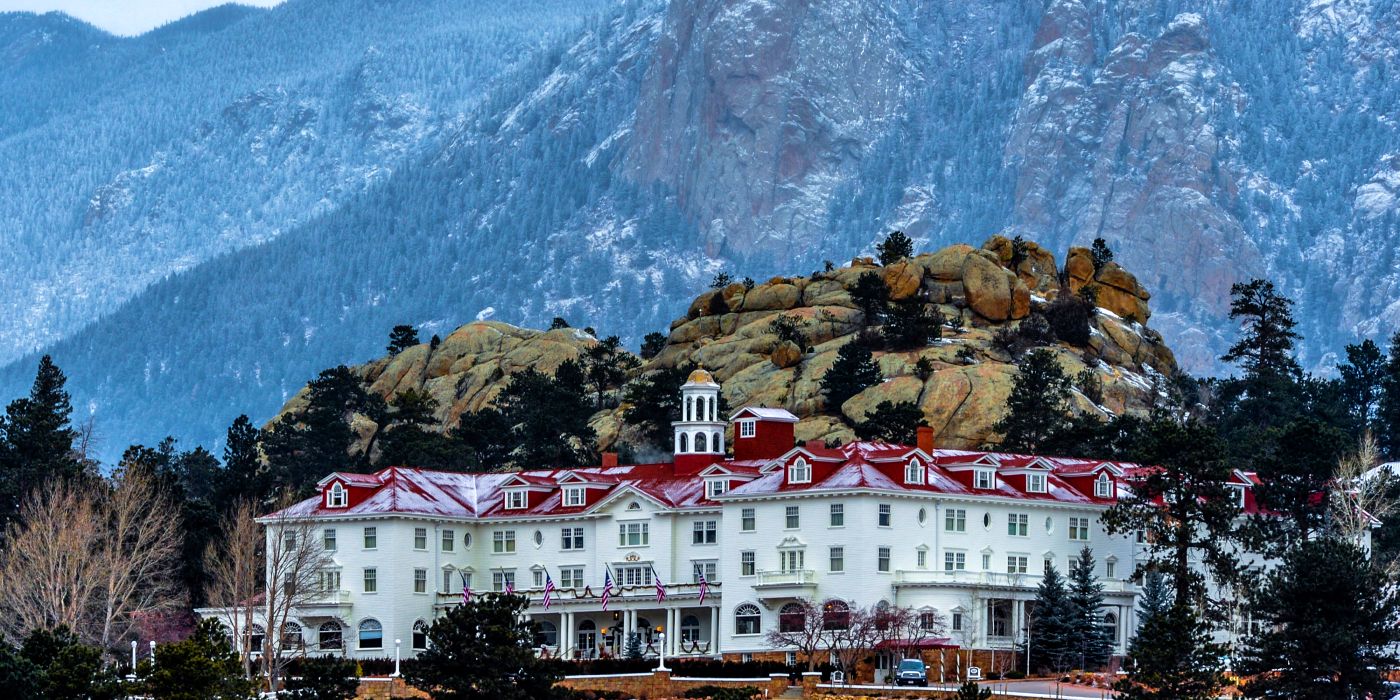
The chilling atmosphere and unforgettable imagery of Stanley Kubrick’s 1980 horror masterpiece, The Shining, have captivated audiences for decades. At the heart of its terror lies the imposing and isolated Overlook Hotel, a character as malevolent as any ghost within its walls. Fans of the film often wonder about the real-world inspiration behind this iconic setting. While the Overlook Hotel itself is a fictional construct, its genesis and visual representation are drawn from a fascinating blend of literary inspiration and stunning real-life locations. This journey takes us from the majestic Rocky Mountains of Colorado to the snow-capped peaks of Oregon, and even to the soundstages of Elstree Studios in England, revealing how a terrifying vision came to life. For those seeking unique travel experiences that blur the lines between fiction and reality, these real-life counterparts offer a compelling blend of history, architecture, and a touch of the supernatural.
The Fictional Overlook Hotel: A Masterpiece Born from Real-World Inspiration
The Overlook Hotel in The Shining is more than just a backdrop; it’s a living, breathing entity that slowly drives Jack Torrance to madness. Its vast, empty halls, labyrinthine hedges, and oppressive isolation are integral to the film’s psychological horror. This powerful fictional setting was carefully crafted, drawing inspiration from distinct real-world establishments that continue to fascinate visitors today. Understanding these sources reveals the layers of artistry involved in bringing one of horror’s most memorable locations to the screen.
Stephen King’s Muse: The Stanley Hotel in Colorado
The literary genesis of the Overlook Hotel comes directly from author Stephen King’s personal experience. In 1974, King and his wife, Tabitha, spent a night at the then-almost-empty Stanley Hotel in Estes Park, Colorado, just before it closed for the winter season. They were the only guests in the sprawling, historic hotel, save for a skeleton crew. Staying in Room 217, King found himself profoundly affected by the hotel’s eerie quiet, grand but decaying elegance, and a palpable sense of isolation.
The Stanley Hotel, built in 1909 by Freelan Oscar Stanley (inventor of the Stanley Steamer automobile), was designed as a luxurious mountain resort for East Coast socialites seeking the clean air of the Rocky Mountains. Its Georgian architecture and magnificent setting instantly evoke a bygone era of grandeur. However, by the 1970s, it had fallen into some disrepair, contributing to its haunting atmosphere. While alone in Room 217, King had a nightmare about his son being chased through the hotel’s corridors by a fire hose, an image that directly inspired a scene in his novel. He awoke in a cold sweat, having conceived the plot for “The Shining.”
Thus, the Stanley Hotel is the undeniable soul of the Overlook Hotel in Stephen King’s novel. Its remote location, its stately but slightly sinister presence, and its purported paranormal activity (even before King’s visit, it had a reputation for being haunted) all fed into the story’s terrifying premise. For fans of the book, the Stanley Hotel is the true spiritual home of “The Shining.”
The Iconic Exterior: Timberline Lodge in Oregon as the Visual Template
When Stanley Kubrick set out to adapt Stephen King’s novel for the big screen, he sought a visual representation for the Overlook Hotel that would convey its imposing scale and isolation. He found it in the magnificent Timberline Lodge, nestled high on the slopes of Mount Hood in Oregon. This stunning historic hotel served as the primary exterior shot for the film, instantly recognizable to anyone who has seen The Shining.
Timberline Lodge is a marvel of American craftsmanship and a testament to resilience. Constructed between 1936 and 1938 as a Works Progress Administration (WPA) project during the Great Depression, the lodge employed hundreds of skilled artisans and laborers. Using native materials like timber and stone, they created a grand, rustic lodge that blends seamlessly with its dramatic natural surroundings within the Cascade Range. Its distinctive architecture, characterized by massive stone fireplaces, heavy timber beams, and an impressive multi-peaked roof, makes it truly unique.
For the film, Kubrick’s crew filmed the exterior of the Timberline Lodge for the opening aerial shots and various establishing shots of the Overlook Hotel. It perfectly conveyed the sense of a remote, grand structure looming against a vast, unforgiving landscape. However, it’s crucial to note that only the exterior of the Timberline Lodge was used. All interior scenes of the Overlook Hotel were shot on soundstages. Furthermore, to avoid alarming real guests, the management of Timberline Lodge requested that the fictional haunted room number be changed from 217 (as in King’s book and the Stanley Hotel) to 237 in the film. This minor detail has become another piece of cinematic lore, distinguishing the film’s version from its literary roots.

Stepping into the Screen: Accommodation and Tourism at the Real-Life Locations
For dedicated fans of The Shining and general enthusiasts of unique travel destinations, visiting the real-life inspirations behind the Overlook Hotel offers an unparalleled experience. Both the Stanley Hotel and the Timberline Lodge have embraced their cinematic connections, offering distinct types of accommodation and attractions that draw visitors from around the globe. These locations stand as true landmarks, celebrated for both their historical significance and their pop culture prominence.
The Stanley Hotel Today: A Ghostly Attraction and Luxury Hotel
The Stanley Hotel has fully leaned into its reputation as one of the most haunted hotels in North America and its direct connection to “The Shining.” It has become a premier destination for paranormal enthusiasts and fans of Stephen King. Beyond its elegant suites and historical charm, the hotel offers a variety of ghost tours, inviting guests to explore its eerie past and perhaps encounter one of its many resident spirits. From the concert hall, where it’s said Mrs. Flora Stanley’s piano can be heard playing, to the infamous Room 217, the hotel provides a thrilling, spine-tingling experience.
Beyond the paranormal, the Stanley Hotel continues to operate as a high-end luxury hotel, offering refined amenities such as fine dining, a whiskey bar, and a spa. It hosts events, conferences, and weddings, blending its spooky lifestyle with traditional hospitality. The hotel even has a hedge maze, a nod to the iconic one featured in Kubrick’s film, despite not having one during King’s visit. Its impact on local tourism in Estes Park is significant, drawing countless visitors eager to walk the halls that inspired one of the greatest horror stories of all time.

Timberline Lodge: An Architectural Landmark and Outdoor Destination
Unlike the Stanley Hotel’s embrace of the supernatural, Timberline Lodge focuses more on its dual identity as a magnificent historic landmark and a world-class outdoor destination. Designated a National Register of Historic Places in 1977, the lodge’s unique construction and the artistry of its original builders are a major draw. Visitors can marvel at the hand-carved details, massive timber beams, and intricate stonework that define its distinctive Pacific Northwest architecture. Guided tours are available to explore its history and craftsmanship.
As an active ski resort, Timberline Lodge boasts one of the longest ski seasons in North America, often open year-round for skiing and snowboarding on the glacier. During warmer months, it becomes a hub for hikers, climbers, and scenic drivers exploring Mount Hood National Forest. The lodge offers a range of accommodation options, from cozy rooms to suites, along with several dining establishments that showcase local food. While the film connection is undoubtedly a draw, Timberline Lodge’s primary appeal lies in its stunning natural setting, outdoor activities, and its enduring legacy as an architectural landmark. It offers a different kind of thrill than its Colorado counterpart – the majesty and challenge of high-alpine wilderness.
The Magic of Movie Sets: Crafting the Overlook’s Interiors
While the Stanley Hotel and Timberline Lodge provided the inspiration and exterior grandeur, the intricate and unsettling interiors of the Overlook Hotel were meticulously constructed elsewhere. Stanley Kubrick, known for his perfectionism, chose to recreate the hotel’s vast spaces on soundstages, allowing for unparalleled control over every detail of the set design, lighting, and camera movement.
Elstree Studios and the Interior World of “The Shining”
The majority of The Shining was filmed at Elstree Studios in Hertfordshire, England. Here, enormous sets were built, including the iconic lobby with its Indigenous American patterns, the ominous Gold Room ballroom, the creepy Room 237, and the claustrophobic manager’s office. These elaborate sets were not mere backdrops; they were designed to be unsettling, with deliberately unsettling color schemes, impossible window placements, and a sense of vast emptiness that amplified the psychological horror.
Kubrick’s decision to build these sets from scratch allowed him to create the specific visual language of the film, from the long tracking shots through the hotel’s corridors (made possible by wider hallways than would be found in a real hotel) to the detailed historical photographs lining the walls. The scale of the production at Elstree Studios was immense, creating a fully immersive environment for the actors and a deeply disturbing one for the audience. Elstree Studios itself has a rich history in British filmmaking, serving as the home for many cinematic masterpieces, and The Shining remains one of its most famous productions.
In conclusion, the legendary Overlook Hotel from The Shining is a brilliant amalgam of real-world inspiration and cinematic ingenuity. From Stephen King’s unsettling stay at the Stanley Hotel that birthed the novel, to the majestic exterior of Timberline Lodge that defined its visual presence, and finally to the meticulously crafted sets at Elstree Studios that brought its terrifying interiors to life, each location played a crucial role. These places are not just points on a map; they are landmarks that have become woven into the fabric of popular culture, offering a unique blend of history, architecture, and the enduring thrill of a cinematic masterpiece. For any discerning traveler, exploring these real-world destinations provides a captivating journey into the heart of one of horror’s most iconic settings.