
California, a land of unparalleled natural beauty, vibrant cities, and diverse landscapes, consistently draws millions of visitors each year. From the sun-kissed beaches of Southern California to the dramatic peaks of the Sierra Nevada and the lush vineyards of Wine Country, the Golden State offers an endless array of destinations and attractions. However, alongside its allure, California has also become synonymous with wildfires, a natural phenomenon that, while historically part of its ecosystem, has intensified in recent years due to climate change and other factors. Understanding the geographical patterns of these fires and their impact on travel and tourism is crucial for both residents and prospective visitors. This article aims to provide a comprehensive guide to where fires have occurred, how they affect popular tourist landmarks and accommodation options, and how travelers can navigate their experiences responsibly in this magnificent state.
Understanding California’s Fire Landscape and Its Reach
California’s unique geography, characterized by long, dry summers, chaparral vegetation, and Santa Ana winds in the south, creates an environment highly susceptible to wildfires. These fires are not confined to a single region but can erupt across the state, affecting everything from remote wilderness areas to suburban communities. For travelers, understanding the broader context of these events is key to planning a safe and enjoyable trip.
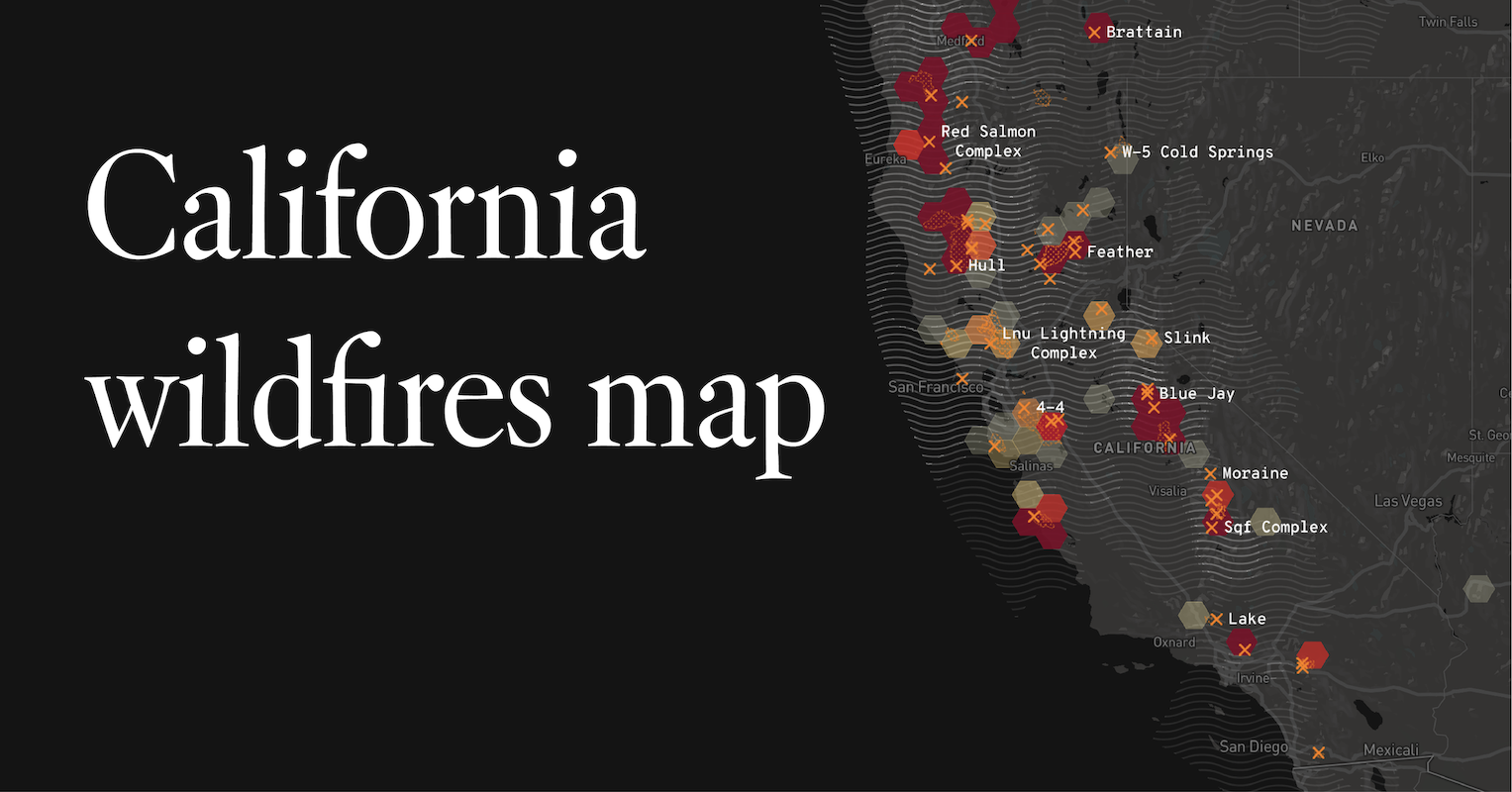
Geographical Patterns and Affected Regions
Wildfires in California exhibit distinct geographical patterns, often impacting specific regions with greater frequency or intensity.
- Northern California: This vast region, encompassing areas from the San Francisco Bay Area north to the Oregon border, has seen significant fire activity. The forests of the Shasta Cascade and the dry hillsides surrounding the Napa and Sonoma Valleys have been particularly vulnerable. The Camp Fire of 2018, for instance, devastated the town of Paradise in Butte County, a tragedy that resonated globally. While these events can be devastating, the resilience of communities like those in Napa Valley has been remarkable, with many vineyards and resorts quickly recovering and reopening, showcasing the enduring spirit of local culture and enterprise.
- Central California and the Sierra Nevada: The majestic Sierra Nevada mountain range, home to iconic national parks like Yosemite National Park, Sequoia National Park, and Kings Canyon National Park, is another focal point for wildfires. These fires often pose a threat to the giant sequoia groves, unique natural architecture of the plant world. While parks may experience temporary closures or limited access during fire season, the vast majority of these natural wonders remain open and accessible, offering breathtaking nature experiences outside affected zones. For instance, while parts of Yosemite might be impacted, visitors can often still explore other areas like Yosemite Valley or the high country, depending on fire activity.
- Southern California: This densely populated region, from Los Angeles down to San Diego, is prone to fast-moving brush fires, particularly during periods of strong Santa Ana winds. Areas like Malibu, Ventura County, and the hillsides around Orange County have experienced significant fires. These often result in air quality issues for nearby urban centers and temporary closures of popular hiking trails and coastal roads, such as sections of Pacific Coast Highway near Big Sur, when fires are active. Despite these challenges, major cities like San Francisco, Los Angeles, and San Diego, with their vibrant urban lifestyle and array of hotels, are rarely directly impacted by the flames themselves, though smoke can sometimes drift over.
Iconic Destinations and Their Resilience
Many of California’s most cherished tourist spots have, at times, faced the threat or direct impact of wildfires. However, their resilience and commitment to recovery are notable.
- Wine Country (Napa and Sonoma): These world-renowned regions, celebrated for their vineyards, gourmet food, and boutique hotels like The Carneros Inn or Hotel Healdsburg, have experienced several significant fire seasons. While some wineries and resorts suffered damage, the vast majority were spared, and the region has consistently bounced back with vigor, demonstrating the strong community spirit and dedication to preserving their unique appeal. Tourism remains a cornerstone of their economy, and visitors are welcomed with open arms.
- National Parks (Yosemite, Sequoia, Kings Canyon, Lassen Volcanic, Joshua Tree): These natural treasures are often at the front lines of fire activity. While wildfires can lead to temporary closures of specific trails, campgrounds, or even entire park sections, park services are highly adept at managing these situations to ensure public safety and protect sensitive ecosystems. Joshua Tree National Park in the desert, for instance, has also seen fires, though its arid landscape tends to burn differently than forested areas. Travelers should always check official park websites for the latest updates before visiting.
- Coastal Regions (Big Sur, Santa Cruz): The stunning coastline, particularly areas like Big Sur and parts of Santa Cruz County, can also be affected by wildfires, sometimes leading to road closures along Highway 1. While the fire risk is often higher inland, strong winds can push flames towards the coast. These areas, however, are also quick to rebuild and restore access, understanding their vital role in California’s tourism appeal. The majestic Post Ranch Inn in Big Sur, for example, has always emphasized sustainable practices and resilience.
Navigating Travel and Tourism Amidst Fire Concerns
Traveling to California during fire season, typically from late summer through fall, requires a thoughtful approach. It’s not about avoiding the state entirely, but rather about informed planning, flexibility, and supporting responsible tourism practices.
Traveler Safety and Informed Planning

Staying informed is the single most important tip for travelers. Before and during your trip:
- Monitor Official Sources: Regularly check websites like Cal Fire (California Department of Forestry and Fire Protection), national park service alerts, and local county emergency services for real-time information on fire locations, containment, and evacuation orders. News outlets also provide valuable updates.
- Air Quality: Even if a fire is not directly impacting your destination, smoke can travel long distances, affecting air quality. Websites like AirNow.gov provide current air quality indexes, which are crucial for travelers with respiratory conditions or those planning outdoor activities.
- Flexibility with Itineraries: Be prepared to adjust your plans. Road closures, park closures, or even the recommendation to avoid certain areas due to smoke are possibilities. Having alternative destinations or activities in mind can save your trip from disappointment. Consider travel insurance that covers fire-related disruptions.
- Understanding “Fire Season”: While late summer and fall are generally higher risk, fires can occur at any time of year. Always be aware of local conditions.
- Pack Smart: If traveling during fire season, consider bringing N95 masks, especially if you have sensitivities, as a precautionary measure against smoke.
The Role of Accommodation and Local Support
When wildfires occur, the accommodation sector plays a complex role, from providing shelter to evacuees to welcoming visitors in unaffected areas.
- Booking and Reviews: When booking hotels, suites, resorts, apartments, or villas in California, particularly during peak fire season, it’s wise to look for properties with flexible cancellation policies. Check recent reviews to see if previous guests mentioned any fire-related disruptions or air quality concerns in the immediate vicinity. Major chains like Marriott or Hilton typically have robust communication channels regarding local conditions, as do independent properties such as The Lodge at Torrey Pines in La Jolla.
- Supporting Local Businesses: In areas that have been affected by fires, supporting local businesses, including hotels, restaurants, and shops, is crucial for their recovery. When an area reopens, traveling there and spending locally contributes directly to the rebuilding efforts. This form of responsible tourism helps communities bounce back stronger.
- Considering Unaffected Regions: California is a vast state. If certain areas are impacted by fires or smoke, countless other regions remain untouched and continue to offer fantastic travel experiences. For example, if the Sierra Nevada foothills are burning, coastal cities like Monterey or Santa Barbara might be completely clear and welcoming.
- Emergency Accommodation: In severe fire events, hotels and other forms of accommodation often pivot to provide shelter for evacuees and emergency personnel. While this is a critical community service, it’s something travelers should be aware of, as it can sometimes impact availability or services in specific areas. Properties may also offer special rates for those displaced, highlighting the compassionate side of the hospitality industry.
Beyond the Flames: The Spirit of California Tourism
While wildfires present undeniable challenges, they do not diminish the enduring appeal of California. The state’s spirit of innovation, resilience, and commitment to preserving its natural and cultural heritage ensures that it remains a premier global travel destination.
Rebuilding and Rediscovering Hidden Gems
California communities are renowned for their strength and determination to rebuild. When fires recede, recovery efforts begin swiftly, often with immense community support and investment in restoring infrastructure, homes, and natural spaces. This period also presents an opportunity for travelers to rediscover areas, sometimes finding new attractions or a renewed appreciation for existing ones.
- Restoration Efforts: After a fire, natural landscapes often begin to heal, and while the process can be slow, new growth eventually emerges. Observing this cycle of nature can be a profound experience for visitors interested in ecology and conservation. Many parks and forests have volunteer programs for restoration, offering a unique way for long-term stay visitors to engage.
- Community Resilience: Towns that have faced significant fire impacts often emerge with a stronger sense of community. Their businesses reopen, local culture festivals resume, and their residents welcome visitors eager to support their recovery. Visiting these areas not only provides a unique travel experience but also directly contributes to their economic and social revitalization. Consider visiting regions like Mendocino County or portions of the Gold Country which have seen fires but have consistently demonstrated remarkable recovery.

Responsible Tourism in a Changing Climate
The recurring nature of wildfires in California underscores the importance of sustainable and responsible tourism. Travelers can play a part in mitigating risks and supporting the state’s long-term environmental health.
- Fire Prevention Awareness: Always adhere to fire safety regulations, especially when camping or visiting wilderness areas. Be mindful of campfires, discard cigarettes properly, and never park hot vehicles on dry grass. Education on these tips is often available at park entrances and visitor centers.
- Eco-Friendly Practices: Embrace eco-friendly travel tips, such as reducing waste, conserving water (especially important in California), and minimizing your carbon footprint. Many hotels and resorts across California, from luxury travel properties like The Ritz-Carlton, Laguna Niguel to budget travel options, are adopting greener amenities and practices.
- Supporting Conservation: Consider donating to or volunteering with organizations dedicated to fire prevention, forest management, and habitat restoration in California. Your travel dollars can also be directed towards businesses that prioritize environmental sustainability.
- Staying Current on Regulations: Be aware that certain times of year or specific locations might have fire bans or restrictions on certain activities. Always respect these to protect yourself and the environment.
In conclusion, while California’s wildfires are a serious concern, they do not diminish the state’s appeal as a premier travel destination. By understanding the geographical context, staying informed, exercising flexibility, and embracing responsible tourism practices, visitors can continue to explore and enjoy the Golden State’s incredible diversity, from its iconic landmarks and bustling cities to its serene natural beauty. California’s spirit of resilience, combined with comprehensive preparedness and recovery efforts, ensures that its doors remain open to those seeking unforgettable experiences. Whether planning family trips, business stays, or a solo adventure, the golden state offers a welcoming embrace for all.