
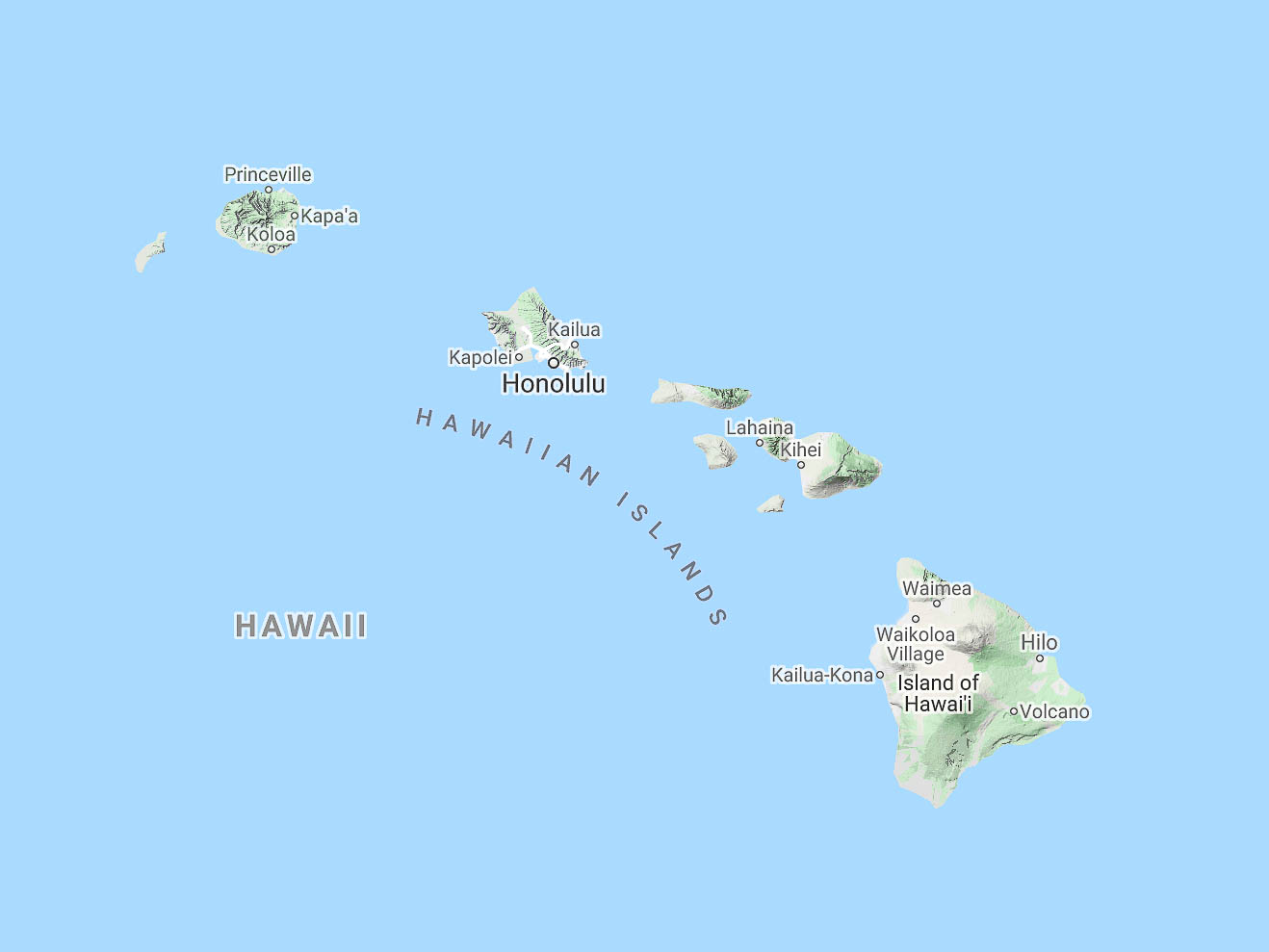
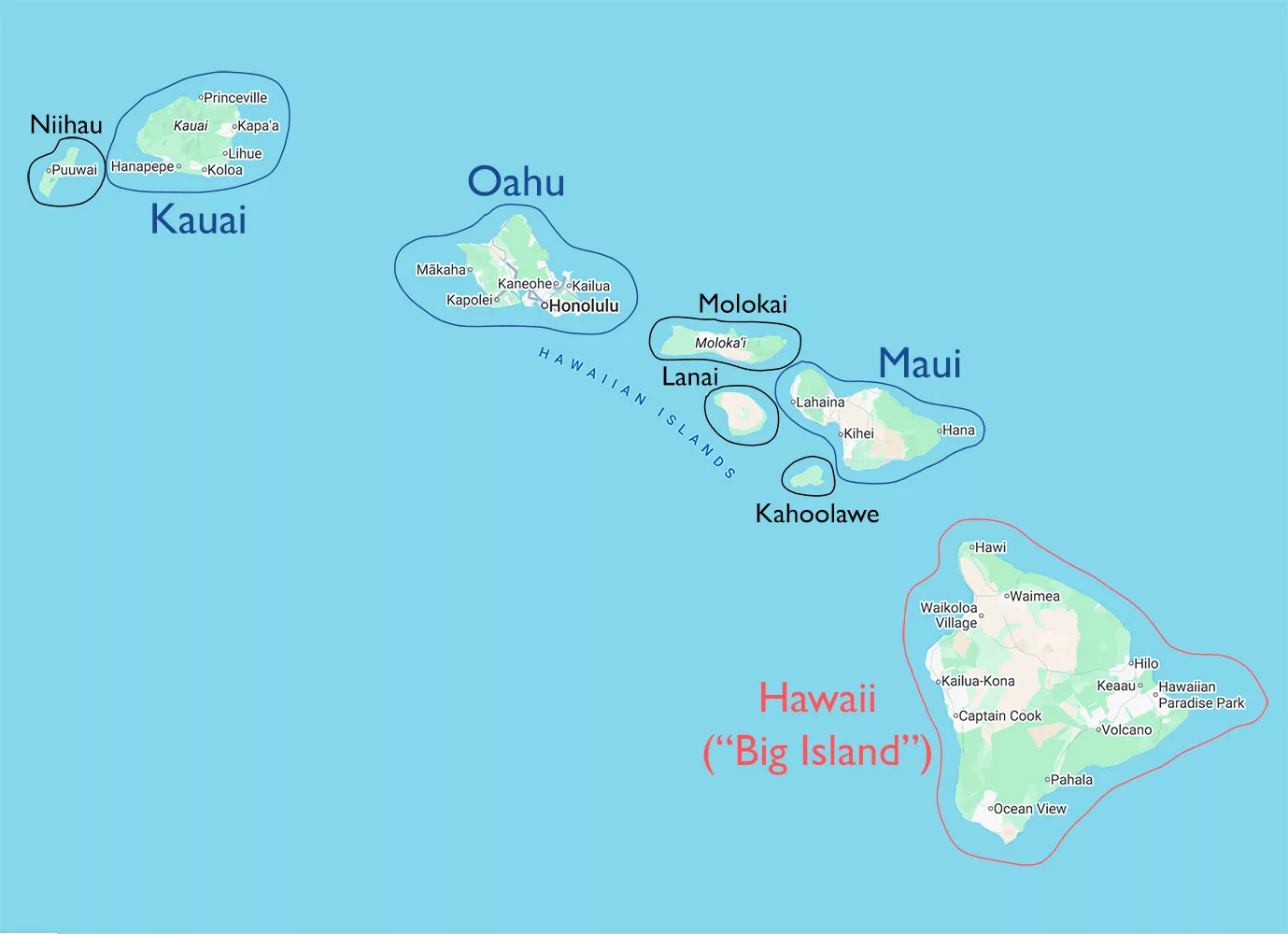
The Hawaiian archipelago is a dream destination for many, a collection of volcanic islands scattered across the vast Pacific Ocean, each possessing a unique character and allure. When planning a trip to this tropical paradise, one question often arises: which island is truly the “Big Island”? This moniker, while seemingly straightforward, can sometimes lead to confusion, as Hawaii is comprised of several significant landmasses. However, the island affectionately known as the “Big Island” is, in fact, Hawaiʻi Island. It holds this title not just by name, but by sheer geographical dominance, being the largest island in the entire state. Its immense size is matched only by the diversity of its landscapes, from snow-capped volcanic peaks to lush rainforests and black sand beaches, making it a truly extraordinary place to explore.
The unique geological history of Hawaiʻi Island is fundamental to understanding its diverse offerings. As the youngest of the main Hawaiian Islands, it is still actively being shaped by volcanic activity. This dynamic process has resulted in a landscape that is both awe-inspiring and ever-changing. Unlike its older siblings, which have been worn down by erosion over millennia, Hawaiʻi Island boasts towering volcanoes, including two of the world’s most active: Mauna Loa and Kīlauea. This volcanic power has not only created the island but continues to influence its environment, providing fertile soil for lush vegetation and contributing to its dramatic geological formations.
Exploring the Diverse Landscapes of Hawaiʻi Island
The sheer scale of Hawaiʻi Island translates into an incredible array of environments that cater to every type of traveler. Whether you are seeking adventure, relaxation, cultural immersion, or a luxurious escape, this island has it all. Its distinct regions offer vastly different experiences, from the arid Kona coast to the verdant Hamakua Coast and the stark beauty of the volcanic deserts.
The Volcanic Heart: Volcanoes National Park
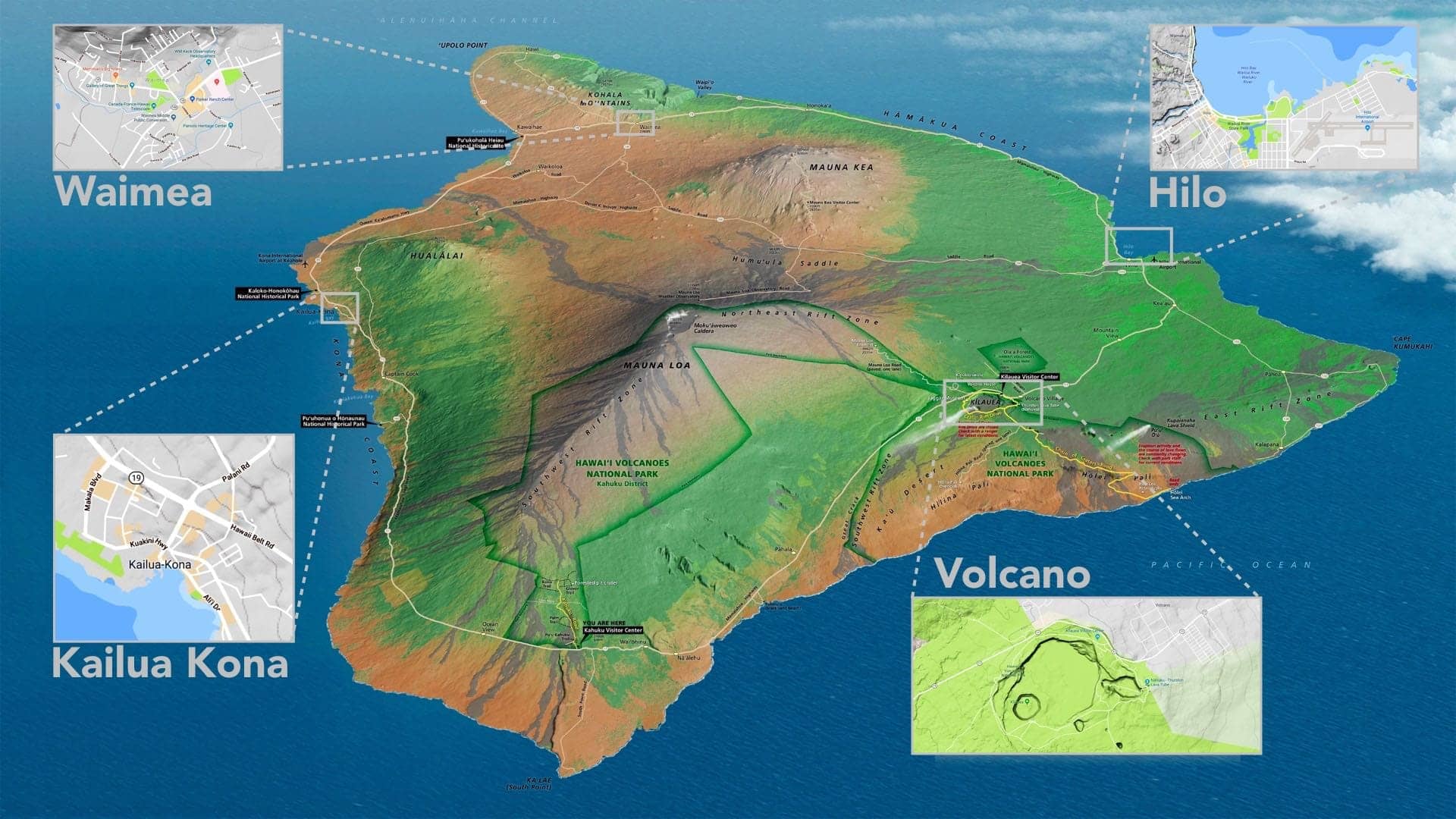
No exploration of Hawaiʻi Island is complete without a journey into the heart of its volcanic power. Hawaiʻi Volcanoes National Park is a UNESCO World Heritage Site and a testament to the raw forces of nature. Here, visitors can witness firsthand the ongoing creation of the island. The park encompasses a staggering amount of natural wonder, including Kīlauea caldera, which has been continuously erupting for decades, and the imposing silhouette of Mauna Loa, the largest active volcano on Earth by volume.
Inside the park, the landscapes are otherworldly. Jagged lava fields stretch as far as the eye can see, their solidified molten rock a stark reminder of past eruptions. Hiking trails wind through these ancient flows, leading to dramatic viewpoints and geological marvels. One of the most iconic sights is the Sulphur Banks, where volcanic gases create a surreal, steaming landscape. The Chain of Craters Road offers a scenic drive that descends towards the coast, passing through various lava flows and culminating at the ocean, where visitors can sometimes witness lava meeting the sea—a truly unforgettable spectacle. For those interested in the history and science behind these volcanic phenomena, the Jaggar Museum (though currently undergoing renovations) provides invaluable insights. The park’s interpretive centers offer ranger-led programs, giving visitors a deeper understanding of the delicate ecosystems and the powerful geological forces at play.
The Kona Coast: Sun, Surf, and Coffee
To the west, the Kona district of Hawaiʻi Island presents a stark contrast to the volcanic wilderness. This leeward side of the island is known for its sun-drenched climate, making it a prime destination for beach lovers and water sports enthusiasts. The coastline is dotted with numerous bays and coves, offering opportunities for swimming, snorkeling, and diving in the crystal-clear Pacific waters.
One of the most famous attractions on the Kona coast is Kealakekua Bay, a marine life conservation district that is a haven for dolphins and sea turtles. The bay is also historically significant as the site where Captain James Cook first landed in Hawaii and later met his demise. Accessible primarily by boat or kayak, it’s an ideal spot for snorkeling and diving amidst vibrant coral reefs. Further south, Punaluʻu Black Sand Beach is a must-see. This striking beach, with its jet-black sand formed from volcanic rock, is often frequented by graceful Hawaiian green sea turtles (Honu) basking in the sun. The contrast of the black sand against the turquoise water and lush green vegetation creates a uniquely beautiful scene.
The Kona region is also synonymous with world-renowned Kona coffee. Visitors can explore numerous coffee plantations, learning about the meticulous process of cultivating and harvesting these prized beans. Many farms offer tours and tastings, allowing you to savor the rich, smooth flavor of authentic Kona coffee right at its source. Towns like Kailua-Kona offer a lively atmosphere with shops, restaurants, and a historic waterfront promenade.
The Hamakua Coast: Verdant Beauty and Waterfalls
As you move to the northeastern side of Hawaiʻi Island, the landscape transforms dramatically into the lush, tropical embrace of the Hamakua Coast. This region is characterized by its abundant rainfall, which nourishes a vibrant tapestry of rainforests, botanical gardens, and spectacular waterfalls. The air here is thick with the scent of tropical flowers and the sound of cascading water.
A highlight of the Hamakua Coast is the Waipiʻo Valley, often referred to as the “Valley of the Kings.” This sacred and historically significant valley is a place of immense natural beauty, with sheer cliffs plunging thousands of feet to a black sand beach. While access to the valley floor is challenging, requiring a 4WD vehicle or a guided tour, the panoramic views from the valley overlook are breathtaking. Further along the coast, the Akaka Falls State Park showcases two of the island’s most impressive waterfalls: the 442-foot Akaka Falls and the smaller but equally beautiful Kahuna Falls. A paved loop trail winds through a lush rainforest, providing easy access to stunning viewpoints of these natural wonders.
For those with a passion for flora, the Hawaii Tropical Bioreserve & Garden is an absolute must-visit. This world-class botanical garden sprawls across 40 acres of pristine rainforest, showcasing an incredible diversity of tropical plants, including orchids, bromeliads, and native Hawaiian species. It’s a serene and enchanting experience, offering a peaceful escape into nature’s artistry.
Accommodations and Experiences on Hawaiʻi Island
The vastness of Hawaiʻi Island translates into a wide range of accommodation options, from luxurious resorts to charming boutique hotels and cozy vacation rentals. Your choice of where to stay will significantly influence your island experience, whether you prioritize ocean views, proximity to volcanic wonders, or a serene rainforest retreat.
Luxury Resorts and Boutique Stays
The Kona coast, with its sunny disposition, is home to many of the island’s premier resorts. Properties like the Four Seasons Resort Hualalai offer unparalleled luxury, with private plunge pools, world-class spas, and direct access to pristine beaches. For those seeking a more intimate experience, boutique hotels scattered throughout the island provide personalized service and unique charm. Many accommodations boast stunning ocean views, allowing you to wake up to the gentle sound of the waves and the warmth of the Hawaiian sun.
Unique Lodging for Every Traveler
Beyond traditional hotels, Hawaiʻi Island offers a plethora of unique lodging experiences. In the Hilo area, you might find charming bed and breakfasts nestled amidst tropical gardens, offering a more local and authentic feel. For those venturing closer to Volcanoes National Park, quaint cottages and vacation rentals provide the perfect base for exploring the volcanic landscapes. These can range from rustic cabins to more modern homes, many offering spectacular views of the surrounding nature. Families might opt for spacious villas or apartments that provide ample room and amenities for a comfortable stay. Long-term stays can also be accommodated with a variety of rental properties catering to extended visits.
Experiencing the Local Culture and Cuisine
The lifestyle on Hawaiʻi Island is deeply intertwined with its natural beauty and rich cultural heritage. From the vibrant local markets to the traditional luaus, there are countless opportunities to immerse yourself in the island’s unique rhythm. Sampling the local cuisine is an essential part of the travel experience. Beyond the famed Kona coffee, be sure to try fresh island seafood, poi (a traditional Hawaiian staple), and the abundant tropical fruits. Many restaurants and food trucks offer authentic Hawaiian fare, providing a delicious insight into the island’s culinary traditions.
Attending a luau is a quintessential Hawaiian experience, offering a festive evening of traditional music, hula dancing, and a delicious feast of Hawaiian delicacies. These cultural performances provide a glimpse into the history and artistry of the Hawaiian people. For those interested in local crafts and products, visiting the farmers’ markets in towns like Hilo or Kailua-Kona is highly recommended. Here, you can find everything from fresh produce and artisanal foods to handmade jewelry and art, supporting local vendors and taking home a piece of the island’s spirit.
Planning Your Big Island Adventure
With its immense size and diverse attractions, planning a trip to Hawaiʻi Island requires some strategic thought to make the most of your visit. Understanding the geography and the best ways to navigate the island will ensure a smoother and more fulfilling experience.
Getting Around the Island
Hawaiʻi Island is large, and its attractions are spread out. Therefore, renting a car is highly recommended for exploring the island at your own pace. While there are shuttle services and guided tours available for specific attractions, having your own vehicle provides the ultimate freedom to discover hidden gems and create your own itinerary. The main roads are generally well-maintained, but some areas, particularly in the more remote parts of Volcanoes National Park or leading to secluded beaches, may require a 4WD vehicle.
Choosing Your Base
Deciding where to stay is a crucial aspect of planning your trip. If your primary interest is the volcanic activity, staying in Volcano Village or Hilo provides convenient access to Hawaiʻi Volcanoes National Park. For those seeking sun, surf, and a more resort-centric experience, the Kona side of the island, including Kailua-Kona and the Kohala Coast, is ideal. If you desire a blend of lush rainforests and waterfalls, the Hilo or Hamakua Coast region might be your preferred base. Many visitors opt to split their stay between the dry, sunny Kona side and the wetter, greener Hilo side to experience the island’s full spectrum of diversity.
Embracing the Island Lifestyle
The essence of the Big Island experience lies in embracing its unique lifestyle. Whether you are indulging in luxury travel, seeking budget-friendly adventures, planning a family trip, or on a business stay, Hawaiʻi Island offers something for everyone. Take the time to connect with nature, learn about the local culture, and savor the laid-back island pace. From stargazing at the summit of Mauna Kea to exploring ancient Hawaiian petroglyphs, the opportunities for discovery are endless. Remember to respect the local customs and the ʻāina (land), ensuring that your visit leaves a positive impact on this remarkable island. Hawaiʻi Island is not just a destination; it’s an experience that will stay with you long after you’ve departed its shores.
LifeOutOfTheBox is a participant in the Amazon Services LLC Associates Program, an affiliate advertising program designed to provide a means for sites to earn advertising fees by advertising and linking to Amazon.com. Amazon, the Amazon logo, AmazonSupply, and the AmazonSupply logo are trademarks of Amazon.com, Inc. or its affiliates. As an Amazon Associate we earn affiliate commissions from qualifying purchases.