
The question “Which state is bigger, Alaska or Texas?” is a classic geographical brain teaser that often sparks lively debate. For anyone planning a journey through the vast landscapes of the United States, understanding the sheer scale of these two iconic states is not just a matter of trivia; it’s fundamental to appreciating the travel experiences, logistical challenges, and diverse wonders each has to offer. While both states evoke images of sprawling frontiers and unique cultures, there is one clear winner when it comes to geographical size.
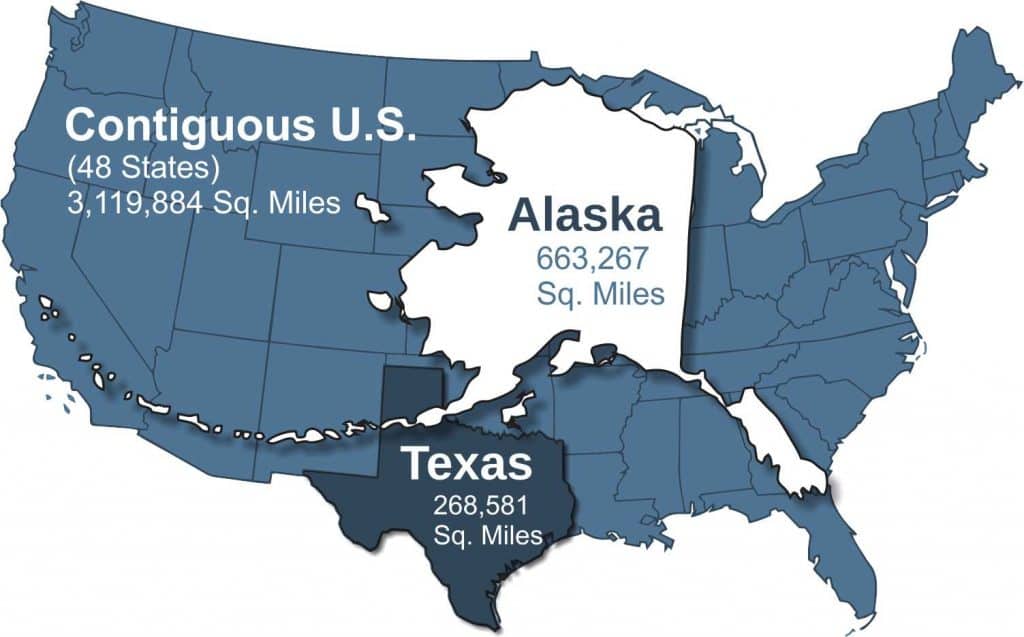
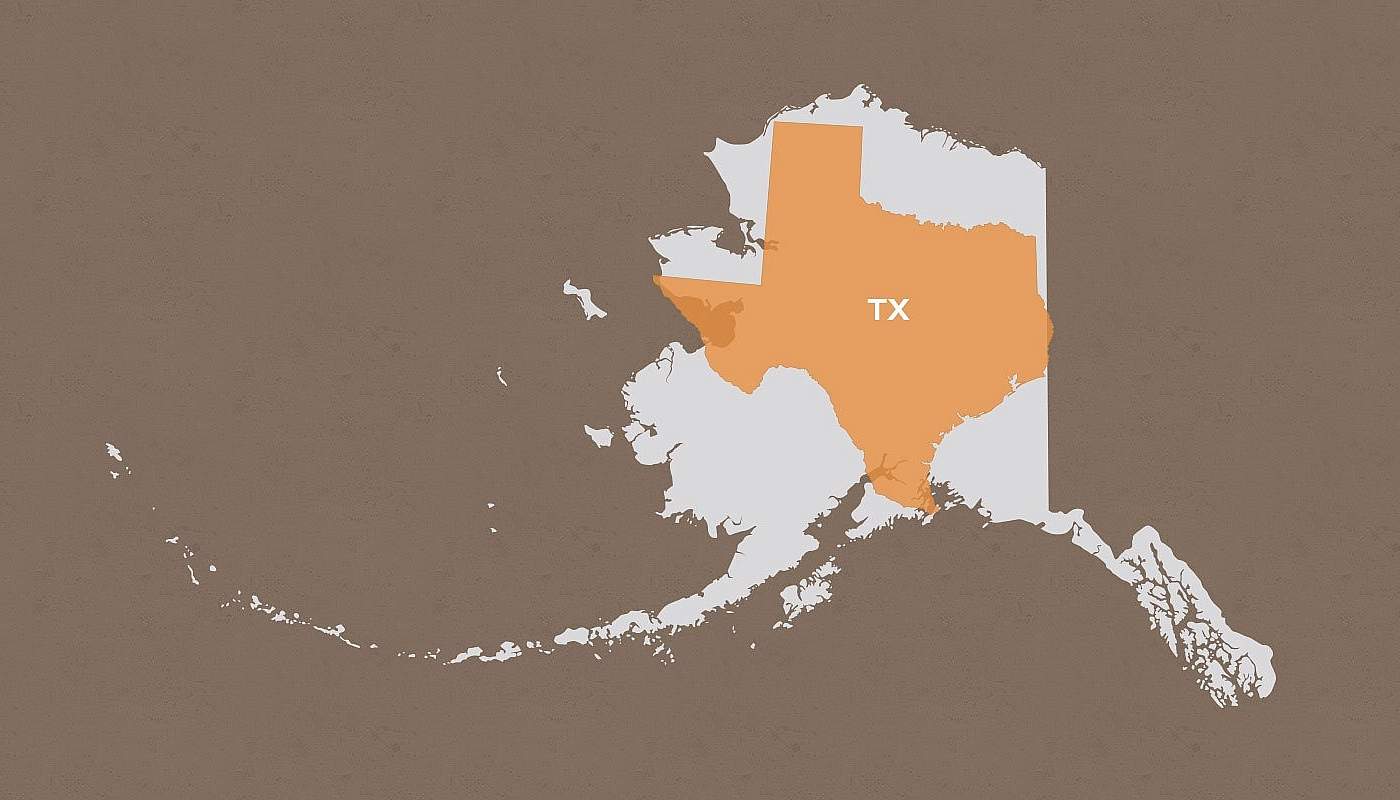
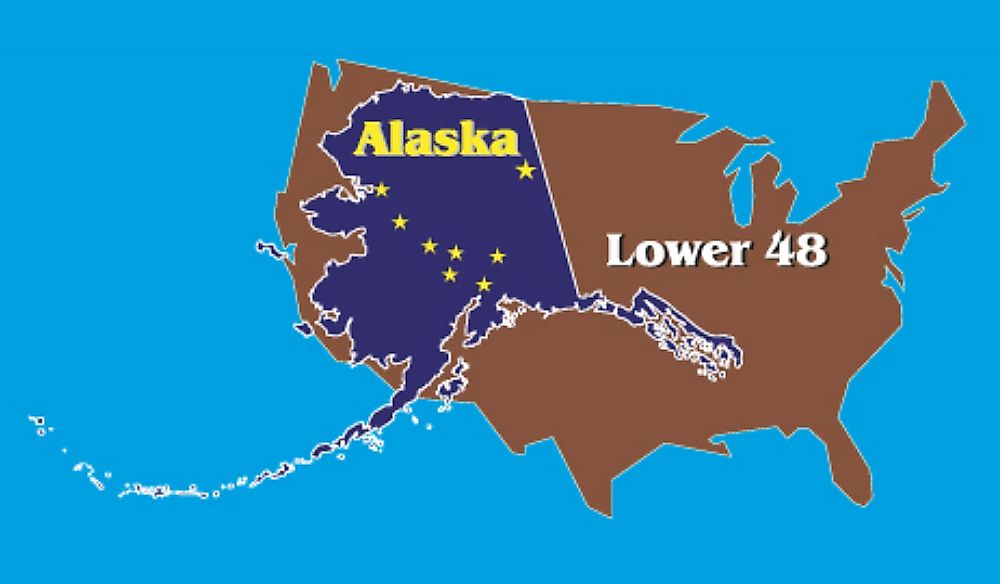
The undisputed champion in terms of land area within the United States is Alaska. Often referred to as “The Last Frontier,” Alaska dwarfs every other state, including the formidable Texas. To put it into perspective, Alaska spans an incredible 665,384 square miles (1,723,337 square kilometers), making it roughly two and a half times larger than Texas, which measures approximately 268,596 square miles (695,662 square kilometers). If Alaska were a country, it would rank as the 17th largest in the world, surpassing nations like Iran and Mongolia. This immense scale not only defines Alaska’s natural grandeur but also profoundly shapes its tourism, accommodation options, and the very lifestyle of those who visit or call it home.
The Undisputed Giant: Alaska’s Vastness and Allure
Alaska’s sheer size is difficult to comprehend until you begin to explore its diverse ecosystems. From towering mountain ranges and expansive glaciers to vast tundras and intricate coastlines, it is a realm of untamed wilderness. Its remote location in North America, bordering Canada and touched by the Pacific Ocean and Arctic Ocean, contributes to its unique appeal as a premier destination for adventurers and nature lovers.
Geographical Magnitude and Natural Wonders
The geography of Alaska is characterized by superlatives. It boasts 17 of the 20 highest peaks in the United States, including Mount Denali, the tallest mountain in North America, standing at 20,310 feet (6,190 meters). The state is home to an astonishing array of national parks and preserves, each offering unparalleled natural beauty and wildlife viewing opportunities.
Denali National Park and Preserve, centered around Mount Denali, is a prime example. Its six million acres are a sanctuary for grizzly bears, moose, caribou, and wolves, making it a dream destination for wildlife photography and wilderness exploration. Other majestic areas include Wrangell-St. Elias National Park and Preserve, the largest national park in the United States, which is larger than nine of the 50 states; Glacier Bay National Park, famous for its tidewater glaciers; and Kenai Fjords National Park, where glaciers calve directly into the ocean. For those seeking truly remote experiences, the Arctic National Wildlife Refuge and Gates of the Arctic National Park offer unparalleled solitude in the far north.
Exploring Alaska: A Traveler’s Paradise
Travel in Alaska is an experience unlike any other. Due to its size and rugged terrain, many iconic destinations are best accessed by air or sea. Cruises through the Inside Passage or Prince William Sound are popular ways to witness glaciers, marine wildlife, and charming coastal towns like Juneau, the state capital, which is only accessible by air or sea.
For land-based adventures, Anchorage serves as a bustling hub, offering a blend of urban amenities and easy access to wilderness. Visitors can explore the Alaska Native Heritage Center, take a day trip to Seward for a glacier cruise, or even venture to Kodiak Island to see the legendary Kodiak bears. Fairbanks, further north, is renowned as one of the best places on Earth to witness the spectacular Aurora Borealis during the winter months. Activities abound, from fishing and hiking to dog sledding and flightseeing tours that offer breathtaking aerial views of the landscape. The Great Alaskan Lumberjack Show in Ketchikan provides a unique cultural entertainment experience, showcasing the state’s rugged heritage.
Accommodation and Lifestyle in the Last Frontier
Given its vastness and focus on nature, accommodation in Alaska varies significantly, catering to different travel styles and budgets. In cities like Anchorage, you can find well-appointed hotels such as the Hotel Captain Cook or the Grand Hyatt Anchorage, offering comfortable stays with modern amenities. However, much of Alaska’s charm lies in its remote lodges, wilderness cabins, and glamping sites, which provide immersive experiences closer to nature.
For the adventurous, camping and RV travel are popular, allowing for maximum flexibility to explore its vast landscapes. Luxury travel often comes in the form of high-end wilderness lodges that combine rustic charm with premium services, or exclusive cruise packages that offer opulent amenities while traversing stunning fjords. Budget travel is certainly possible, especially for those willing to embrace camping or more modest guesthouses. Family trips to Alaska are unforgettable, with activities ranging from wildlife cruises to visits to historical mining towns. The lifestyle in Alaska is defined by resilience, a deep connection to nature, and a pioneering spirit, offering visitors a glimpse into a truly unique way of life.
The Lone Star State: Texas’s Expansive Charm
While Texas may be overshadowed by Alaska in terms of sheer square mileage, it remains an incredibly vast and diverse state in its own right, earning its nickname as the “Lone Star State.” Its considerable size makes it the second-largest state in the United States and larger than any country in Europe, save Russia. Texas offers a completely different, yet equally rich, tapestry of experiences, from bustling metropolises to serene desert landscapes and vibrant cultural scenes.
Beyond the Borders: Texas’s Diverse Landscapes
Texas’s geography is remarkably varied, encompassing everything from the arid deserts of the Southwest to the lush pine forests of East Texas, the rolling plains of the Panhandle, and the sandy beaches of the Gulf Coast. This diversity means that travelers can experience a multitude of environments without leaving the state.
The western part of Texas is home to stunning natural landmarks like Big Bend National Park, a remote and rugged expanse bordering Mexico, known for its dramatic canyons, desert flora, and incredible stargazing opportunities. Nearby, Guadalupe Mountains National Park boasts the four highest peaks in Texas, offering challenging hikes and breathtaking views. For coastal relaxation, Padre Island National Seashore provides miles of undeveloped coastline, a haven for migratory birds and sea turtles. The picturesque Texas Hill Country, with its spring-fed rivers, vineyards, and charming small towns, offers a pastoral escape.
Urban Jungles and Cultural Hubs: Texas Attractions
Texas truly shines in its vibrant cities, each with its own distinct personality and attractions. Houston, the largest city in Texas and the fourth largest in the United States, is a global hub for energy, space exploration, and medicine. Visitors flock to the NASA Johnson Space Center and its acclaimed Museum District. Dallas is a sophisticated metropolis known for its upscale shopping, vibrant arts scene, and rich history, including the Fort Worth Stockyards National Historic District, which preserves the state’s cowboy heritage.
Austin, the state capital, is celebrated as the “Live Music Capital of the World,” offering an eclectic blend of music venues, delicious food trucks, and outdoor activities along the Colorado River. Sixth Street is a famous entertainment district. San Antonio is arguably the state’s most historic city, home to the iconic Alamo and the enchanting River Walk, a network of pedestrian walkways along the San Antonio River lined with shops, restaurants, and hotels. Further south, South Padre Island beckons with its beautiful beaches and vibrant spring break scene.
Hospitality and Lifestyles in Texas
Texas offers a wide array of accommodation, from luxury resorts to charming bed and breakfasts, catering to every type of traveler. In cities, you can find world-class hotels like the Four Seasons Hotel Austin, Hotel ZaZa Dallas, or the JW Marriott San Antonio Hill Country Resort & Spa. The Texas Hill Country boasts numerous boutique hotels and charming guesthouses, while historic properties like The Driskill Hotel in Austin offer a glimpse into the past. For a truly Texan experience, many ranches offer immersive stays, from working ranch vacations to luxurious dude ranches.
The lifestyle in Texas is as diverse as its landscape. It’s a blend of traditional Southern hospitality, rugged cowboy culture, and modern urban sophistication. Texas is an excellent destination for family trips, with numerous theme parks, educational museums, and outdoor activities. Business stays are common in its major cities, which are significant economic centers. Food culture is central to the Texan experience, from world-famous BBQ and Tex-Mex cuisine to innovative fine dining. Budget travel is achievable through a vast network of state parks, affordable motels, and diverse dining options.
A Tale of Two Titans: Comparing the Travel Experience
While Alaska and Texas both offer grand scales of experience, their travel styles, main attractions, and overall “feel” are remarkably distinct. The fundamental difference lies in their primary appeal: Alaska is the epitome of raw, untamed wilderness and majestic natural phenomena, while Texas offers a rich blend of cultural heritage, diverse urban centers, and accessible natural beauty.
Contrasting Adventures: Wilderness vs. Urban Exploration
Traveling in Alaska is often about confronting nature at its most powerful. The adventures here are predominantly outdoor-focused: glacier trekking, wildlife safaris, deep-sea fishing, remote hiking, and the pursuit of the Aurora Borealis. The vast distances and challenging terrain mean that journeys often require careful planning, and often involve specialized tours, bush planes, or cruises. The sparse population and remote nature of many attractions contribute to a sense of true escape and immersion in the natural world.
Texas, by contrast, offers a more accessible and varied adventure portfolio. While it has impressive natural parks, a significant part of the Texan travel experience revolves around its cities. Visitors can spend days exploring the historical sites of San Antonio, the live music scene of Austin, or the world-class museums of Houston and Dallas. Road trips are a quintessential Texan experience, allowing travelers to easily transition from bustling urban centers to quiet countrysides, and even to the beaches of the Gulf Coast or the deserts of the west. The focus is often on cultural immersion, culinary delights, and diverse entertainment options, alongside outdoor pursuits.
Accommodation Choices and Cultural Immersion
The choice of accommodation reflects these differing priorities. In Alaska, while cities offer standard hotels, many iconic stays are found in wilderness lodges, rustic cabins, or on cruise ships, emphasizing proximity to nature. The local culture is deeply intertwined with its indigenous heritage and the pioneering spirit of early settlers, with seafood and hearty comfort food being staples.
Texas offers a broader spectrum of accommodation, from luxury high-rise hotels in its major cities to charming boutique hotels in historic districts, and unique ranch stays in the countryside. The cultural experience is a rich mosaic of influences: a strong cowboy legacy, deep Southern roots, a vibrant Tex-Mex border culture, and a distinct “everything is bigger in Texas” mentality. The food scene is legendary, from BBQ pits and authentic Tex-Mex joints to upscale steakhouses and international cuisine.
In conclusion, while the answer to “Which state is bigger, Alaska or Texas?” is unequivocally Alaska, both states offer monumental travel experiences. Alaska stands as the ultimate destination for those seeking grand, untouched wilderness and awe-inspiring natural beauty, where the sheer scale of the landscape humbles and exhilarates. Texas, on the other hand, delivers a diverse and expansive journey through rich history, vibrant cultures, and dynamic cities, all within a vast and varied landscape that holds its own unique charm. Each state, in its own colossal way, invites travelers to explore, discover, and be utterly captivated by the breadth of the American experience.