
The majestic Mississippi River, a ribbon of blue that carves its way through the heart of the United States, has long captured the imagination of travelers, poets, and explorers. Its very name evokes images of grand steamboats, bustling port cities, and a rich tapestry of American history and culture. But for those planning a journey along its banks or simply pondering its immense power, a fundamental question often arises: Which way does the Mississippi River flow?
The answer is elegantly simple, yet profoundly impactful on the landscape and lifestyle it defines: the Mississippi River flows predominantly south. From its humble beginnings as a small stream in northern Minnesota, it embarks on an epic journey of approximately 2,320 miles (3,730 kilometers), steadily descending toward its ultimate destination: the vast expanse of the Gulf of Mexico, south of New Orleans, Louisiana. This southward trajectory dictates everything from natural ecosystems and historical migration patterns to modern-day travel routes and the unique cultural identities found along its diverse course. Understanding this fundamental direction is the first step in appreciating the river’s profound influence and planning an unforgettable adventure along its legendary waters.

The Geographic Marvel: Tracing the Mississippi’s Journey
The Mississippi River’s course is a testament to the colossal forces of nature, a dynamic and ever-evolving waterway that shapes the geography, climate, and human settlement patterns of a significant portion of North America. Its sheer scale and the intricate network of tributaries it commands make it one of the world’s most impressive hydrological systems, offering a myriad of travel opportunities and fascinating landmarks at every bend.
From Source to Sea: A North-South Odyssey
The official source of the Mississippi River is the pristine, shallow waters of Lake Itasca in Itasca State Park, Minnesota. Here, visitors can famously step across the nascent river, a mere 30 feet wide, before it begins its monumental journey. From this serene northern Minnesota lake, the river initially meanders through forests and wetlands, gradually gaining momentum and breadth as it flows south. It forms borders or passes through ten states: Minnesota, Wisconsin, Iowa, Illinois, Missouri, Kentucky, Tennessee, Arkansas, Mississippi, and Louisiana.
Each state adds its unique character to the river’s personality. In the upper reaches, the river is characterized by dramatic bluffs and forested shores, offering picturesque views and ample opportunities for outdoor activities. As it progresses southward, it transforms into a wider, more powerful waterway, its banks giving way to agricultural landscapes, industrial hubs, and eventually, the lush, swampy delta lands of Louisiana. This southward flow is relentless, driven by gravity and the gradual descent in elevation from its source (at approximately 1,475 feet above sea level) to its mouth at sea level. This continuous downhill gradient, though subtle at times, ensures the river’s steady, powerful movement towards the Gulf of Mexico, creating a natural travel corridor that has been utilized by humans for millennia.
A Network of Life: Tributaries and Their Influence
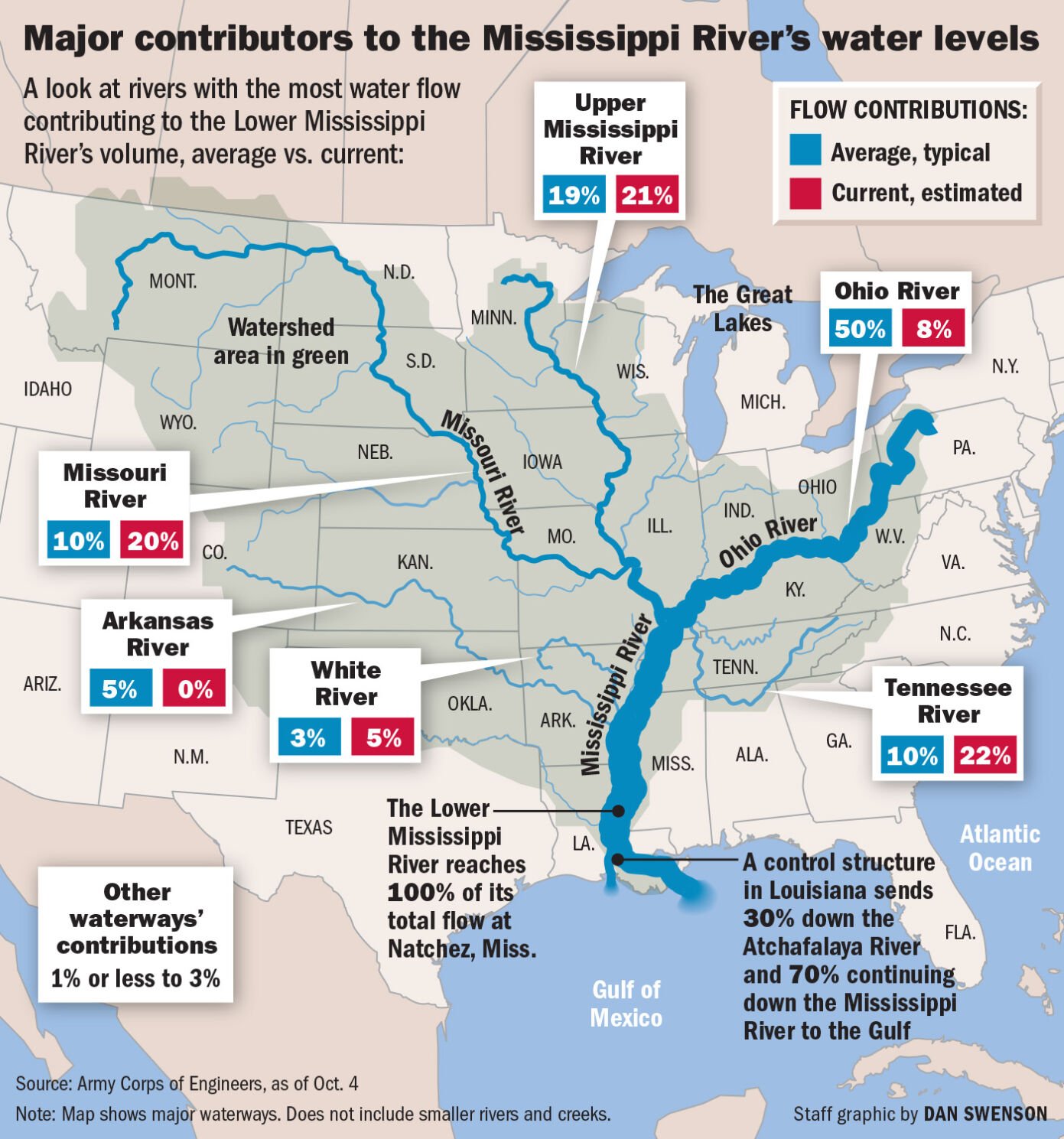
The Mississippi River is not just a single stream but the trunk of a vast, dendritic river system that drains 31 U.S. states and two Canadian provinces. Its southward flow is immensely bolstered by its countless tributaries, some of which are rivers of impressive size in their own right. The most significant of these include the Missouri River and the Ohio River.
The Missouri River, often considered the “Big Muddy,” is the longest river in North America, stretching over 2,341 miles from its source in Montana. It joins the Mississippi just north of St. Louis, dramatically increasing the Mississippi’s volume and sediment load. This confluence marks a significant point in the river’s journey, making the Mississippi below St. Louis a far more formidable waterway.
Further south, the Ohio River contributes an even larger volume of water than the Missouri, joining the Mississippi at Cairo, Illinois. The Ohio River drains a fertile, densely populated region, bringing with it both significant water flow and a rich historical legacy that blends into the Mississippi’s narrative. Other important tributaries like the Arkansas River and the Red River further augment the main channel, each adding their distinct hydrological and ecological characteristics. The combined force and volume of these rivers, all funneling south, underscore the Mississippi’s status as a primary conduit for water, commerce, and culture across a vast continent. This intricate network not only sustains diverse ecosystems but also creates endless opportunities for tourism, from fishing and boating in the upper reaches to grand riverboat cruises further south.
Navigating the River: Travel, Tourism, and Unforgettable Experiences
The southward flow of the Mississippi River has historically dictated migration, trade, and the very fabric of life along its banks. Today, this directional consistency makes it an ideal destination for various travel and tourism experiences, offering a journey through America’s heartland unlike any other. Whether you seek vibrant city life, serene natural beauty, or a deep dive into history, the Mississippi delivers.
Iconic Cities Along the Banks
A journey down the Mississippi is a passage through time and diverse regional cultures, with each major city offering unique attractions and a distinct flavor of American life.
- Minneapolis, Minnesota: At the river’s upper reaches, Minneapolis and its twin city, St. Paul, present a vibrant urban experience. Here, the river flows through a dynamic cityscape, offering beautiful riverfront parks, the historic Stone Arch Bridge, and bustling cultural scenes. It’s a fantastic starting point for those looking to explore the river’s northern charm, with excellent hotels and a thriving culinary landscape.
- St. Louis, Missouri: Further south, St. Louis stands as a monument to westward expansion. Dominated by the iconic Gateway Arch, a symbol of America’s pioneering spirit, this city offers a wealth of history, from its role in the Lewis and Clark Expedition to its vibrant music scene. Visitors can explore world-class museums, enjoy diverse cuisine, and find accommodations ranging from luxury hotels to charming boutique options.
- Memphis, Tennessee: As the river delves into the South, Memphis emerges as a crucial hub of American music and civil rights history. This is the birthplace of the Blues and the home of Rock and Roll, with legendary sites like Beale Street, Sun Studio, and Graceland (Elvis Presley’s former home). Its vibrant nightlife and rich cultural offerings make it a must-visit for any traveler seeking a unique blend of entertainment and historical insight.
- Vicksburg and Natchez, Mississippi (state): These charming towns in Mississippi offer a glimpse into the Antebellum South. Vicksburg is renowned for its pivotal role in the Civil War, with the extensive Vicksburg National Military Park drawing history buffs. Natchez, further south, is famous for its remarkably preserved antebellum mansions, many of which offer tours and even overnight stays, providing a unique accommodation experience.
- Baton Rouge, Louisiana: As the capital of Louisiana, Baton Rouge combines political history with vibrant Cajun and Creole influences. Visitors can explore the Old State Capitol, enjoy delicious local cuisine, and experience the warm hospitality of the Deep South.
- New Orleans, Louisiana: The grand finale of the Mississippi’s journey to the sea, New Orleans is a city unlike any other. Known for its vibrant Jazz music, rich Creole cuisine, and legendary Mardi Gras celebrations, the Big Easy offers an unparalleled cultural immersion. The French Quarter, Jackson Square, and the atmospheric cemeteries are just a few of its iconic landmarks.
Cruising the Great River: Riverboat Journeys and Lifestyle
One of the most authentic and immersive ways to experience the Mississippi River’s southward flow is aboard a classic riverboat. These cruises offer a unique blend of luxury travel, historical exploration, and a relaxed lifestyle that harks back to the golden age of steamboats. Companies like the American Queen Steamboat Company offer multi-day journeys that traverse sections of the river, providing passengers with unparalleled views of the passing landscapes and access to riverside towns.

Riverboat cruises often focus on specific themes, such as Civil War history, music of the South, or the culinary delights of the Delta. Onboard, guests can enjoy gourmet dining, live entertainment (often featuring Blues and Jazz musicians), historical lectures, and a chance to truly unwind. This form of slow travel allows for a deeper appreciation of the river’s changing character and the communities that thrive along its banks. From elegant suites to comfortable cabins, accommodation on these vessels is designed to offer a luxurious yet authentic experience, combining the charm of yesteryear with modern amenities. It’s a lifestyle choice for those who prefer to absorb their surroundings at a leisurely pace, with all the conveniences of a floating hotel.
Accommodation and Landmarks: Staying and Exploring the River’s Legacy
The Mississippi River basin is not just a geographical wonder but a vibrant destination brimming with diverse accommodation options and iconic landmarks. Travelers can immerse themselves in the rich history and culture of the region, choosing from a variety of stays that cater to every taste and budget, all while being surrounded by places that tell compelling stories of the American past.
From Historic Hotels to Modern Resorts
Along the length of the Mississippi, the options for accommodation are as varied as the landscapes themselves. In major cities, you’ll find a full spectrum of choices:
- Luxury Hotels and Resorts: Cities like New Orleans, Memphis, and St. Louis boast world-class hotels that offer unparalleled service and amenities. For instance, the historic Peabody Memphis is famed for its daily duck march, offering a unique blend of elegance and eccentricity. In New Orleans, you can find grand hotels in the Central Business District or charming, upscale boutique hotels nestled within the French Quarter, providing immediate access to the city’s vibrant street life and historic sites. These often come with suites, fine dining, and comprehensive concierge services.
- Boutique Hotels and Inns: For those seeking character and local flavor, numerous boutique hotels and charming bed-and-breakfasts dot the riverside towns. Places like Natchez offer the chance to stay in beautifully restored antebellum mansions, providing a direct link to the region’s past and an intimate, personalized experience. These establishments often feature unique decor, local cuisine, and personalized service, making for memorable long-term stays or romantic getaways.
- Family-Friendly Options: Many cities provide resorts and hotels tailored for family trips, featuring amenities like swimming pools, kid-friendly activities, and spacious suites. Vacation rentals, including apartments and villas, are also popular, offering flexibility and comfort for families or larger groups exploring the river corridor.
- Budget-Friendly Stays: For budget travelers, a plethora of motels, guesthouses, and economy hotels are available in nearly every town and city along the river, ensuring that the experience is accessible to everyone. Camping and RV parks are also popular, especially in the more northern, scenic stretches of the river, offering a closer connection to nature.
Booking these accommodations in advance, especially during peak tourist seasons or major festivals like Mardi Gras, is highly recommended. Online platforms offer comparison tools and reviews, helping travelers find the perfect fit for their travel style and budget.
Landmarks and Natural Wonders
The Mississippi River itself is a landmark, but its shores are dotted with countless specific sites of historical, architectural, and natural significance that capture the imagination of visitors.
- Gateway Arch National Park in St. Louis: This iconic 630-foot tall arch symbolizes America’s westward expansion and offers breathtaking views of the city and the Mississippi River. Beneath it, a museum delves into the history of exploration and the river itself.
- French Quarter and Jackson Square in New Orleans: These historic districts are a feast for the senses, with their unique Creole architecture, bustling streets, vibrant music, and delectable food. Jackson Square, presided over by the stunning St. Louis Cathedral, is a focal point of the city’s rich history.
- Graceland and Beale Street in Memphis: Essential pilgrimage sites for music lovers, Graceland offers an intimate look into the life of Elvis Presley, while Beale Street pulsates with live Blues music, neon lights, and legendary juke joints.
- Vicksburg National Military Park: This vast park preserves the site of the Siege of Vicksburg, a pivotal Civil War battle. It features monuments, trenches, and the USS Cairo gunboat, offering a poignant reminder of America’s divided past.
- Natchez Trace Parkway: A scenic byway stretching from Natchez to Nashville, this parkway offers a journey through natural beauty and centuries of history, showcasing Native American mounds, historic stands, and serene landscapes.
- Itasca State Park, Minnesota: The origin point of the river, this park offers a pristine natural setting where visitors can walk across the river’s headwaters, hike through old-growth forests, and enjoy the tranquility of Minnesota’s wilderness.
These landmarks, whether man-made architectural wonders or awe-inspiring natural formations, are integral to the travel experience along the Mississippi. They serve as focal points for tourism, drawing millions each year to explore the depth of American history and the breathtaking beauty of its landscapes.
Lifestyle Along the Mississippi: Culture, Cuisine, and Community
The southward journey of the Mississippi River has fostered an incredibly diverse and rich tapestry of lifestyles, cultures, and culinary traditions along its shores. This river isn’t just a geographical feature; it’s a living, breathing entity that has shaped human experience for centuries, offering travelers a vibrant array of immersive experiences. From the northern farmlands to the southern bayous, the lifestyle along the Mississippi is as compelling as its flow.
A Culinary Journey
Exploring the Mississippi River is also a profound culinary journey. The river acts as a spine, connecting distinct gastronomic regions, each with its unique flavors and cooking styles.
- Upper Mississippi Cuisine: In the northern states like Minnesota and Wisconsin, the food scene reflects a blend of Midwestern comfort food with Scandinavian and German influences. Expect hearty dishes, fresh produce from fertile lands, and innovative farm-to-table restaurants in cities like Minneapolis. River fish, particularly catfish and walleye, are local specialties.
- Mid-Mississippi Barbecue and Soul Food: As you move into Missouri and Tennessee, the aroma of BBQ fills the air. Memphis is world-renowned for its dry-rubbed ribs and pulled pork, a quintessential part of the local lifestyle and a major tourism draw. St. Louis also boasts its own distinct BBQ style, alongside a broader spectrum of American comfort food. Soul food, with its rich history and deep flavors, is also a prominent feature of the culinary landscape in this region.
- Lower Mississippi Cajun and Creole Cuisine: The true gastronomic crescendo occurs in Louisiana. Here, the unique blend of French, Spanish, African, and Native American influences has created two distinct yet intertwined cuisines: Cajun and Creole. In New Orleans especially, food is a cornerstone of the lifestyle – from spicy gumbo and jambalaya to savory po’boys and sweet beignets. Dining along the Mississippi is not just eating; it’s an immersive cultural experience, reflecting the history and heritage of the communities.
Festivals, Music, and Artistic Expression
The southward flow of the Mississippi River has also been a conduit for artistic expression, particularly in music. The river is often called the “Father of Waters” and arguably, the “Father of American Music.”
- Blues and Jazz Heartland: From the Delta Blues of Mississippi to the Jazz clubs of New Orleans and the Rock and Roll heritage of Memphis, the river is synonymous with groundbreaking musical genres. Live music is not just entertainment; it’s a way of life, integral to the social fabric of many riverside communities. Travelers can experience this firsthand at countless venues, from intimate juke joints to grand concert halls.
- Vibrant Festivals: The communities along the Mississippi are known for their lively festivals, which celebrate everything from local harvests to unique cultural traditions. The most famous, of course, is Mardi Gras in New Orleans, a spectacle of parades, music, and elaborate costumes that draws visitors from around the globe. Other notable events include the Memphis in May International Festival, the St. Louis Fair, and countless smaller town fairs and music festivals that offer an authentic glimpse into local life.
- Literary Legacy: The river has also inspired generations of writers, most notably Mark Twain, whose tales of Tom Sawyer and Huckleberry Finn vividly captured the essence of river life in the 19th century. His literary contributions continue to shape the perception of the Mississippi as a place of adventure, freedom, and deep human experience.
- Outdoor Activities and Recreation: Beyond cultural immersion, the river supports a robust outdoor lifestyle. Fishing, boating, kayaking, and birdwatching are popular activities in the calmer northern stretches. The Great River Road, a national scenic byway, traces the river’s course for thousands of miles, offering opportunities for cycling, road trips, and exploring natural parks and wildlife refuges. This combination of natural beauty and outdoor pursuits complements the rich cultural offerings, catering to a wide range of lifestyle preferences for travelers.
In conclusion, the Mississippi River, flowing steadfastly south, is far more than just a hydrological feature; it is a profound artery of American life, history, and culture. From its serene origins in Minnesota to its vibrant delta in Louisiana, it offers an unparalleled journey through diverse landscapes, iconic cities, and a rich tapestry of experiences. For travelers seeking adventure, history, culinary delights, or simply a connection to the soul of America, the Mississippi River beckons with promises of unforgettable discoveries, making it a premier destination for any explorer’s itinerary.
LifeOutOfTheBox is a participant in the Amazon Services LLC Associates Program, an affiliate advertising program designed to provide a means for sites to earn advertising fees by advertising and linking to Amazon.com. Amazon, the Amazon logo, AmazonSupply, and the AmazonSupply logo are trademarks of Amazon.com, Inc. or its affiliates. As an Amazon Associate we earn affiliate commissions from qualifying purchases.