
The shimmering oasis of Las Vegas stands as a testament to audacious dreams, relentless ambition, and a unique blend of innovation and grit. While modern perceptions often focus on the dazzling casinos and extravagant resorts, the story of how this desert metropolis was forged is far richer and more complex, extending beyond the glitz and glamour to encompass pioneering spirits, engineering marvels, and the very foundations of modern tourism. To truly understand Las Vegas, one must delve into the historical narratives that shaped its iconic skyline and its enduring appeal as a global entertainment capital.

The Unlikely Genesis: From Railroad Ties to a Gambling Haven
The very existence of Las Vegas is a story of overcoming formidable environmental challenges. Its origins are deeply intertwined with the expansion of the American West and the strategic placement of infrastructure. The area, nestled within the arid Mojave Desert, was initially recognized for its natural springs, which provided a vital watering hole for travelers and traders traversing the region. This “lost water” or “the meadows” – las vegas in Spanish – gave the valley its evocative name.
The Railroad’s Crucial Role
The true catalyst for the development of Las Vegas was the railroad. In the early 20th century, the San Pedro, Los Angeles & Salt Lake Railroad (later acquired by the Union Pacific Railroad) saw the strategic potential of this location. Establishing a townsite in 1905, Las Vegas quickly transformed from a mere stopover into a burgeoning community. The railroad not only facilitated transportation and commerce but also brought in the initial workforce and the essential infrastructure needed for growth. This period laid the groundwork for the town, establishing a nascent commercial district and the first residential areas. The early Las Vegas was a far cry from the dazzling spectacle it is today; it was a functional railway town, a hub for those daring enough to settle in the unforgiving desert.
The Shift Towards Entertainment: A Gamble Pays Off
The trajectory of Las Vegas began to pivot significantly in the mid-20th century. While gambling was present from its early days, it was the repeal of Prohibition and the subsequent loosening of gambling regulations in Nevada that truly unleashed its potential. The burgeoning Las Vegas Strip, an unincorporated area just outside the city limits, became the perfect canvas for a new kind of development. This move allowed for less restrictive zoning and taxation, encouraging large-scale resort construction.
The post-World War II era saw a surge of investment, driven in part by figures with connections to organized crime, who recognized the immense profitability of a well-managed casino. These individuals brought capital and a certain ruthlessness, transforming desert expanses into opulent entertainment complexes. The construction of early mega-resorts like the Flamingo and the Sands marked a paradigm shift. These weren’t just casinos; they were immersive experiences, complete with lavish hotel accommodations, world-class dining, and spectacular live entertainment. This era cemented Las Vegas‘s reputation as the “Entertainment Capital of the World.”
Architectural Marvels and Engineering Feats
The physical manifestation of Las Vegas‘s ambition is evident in its awe-inspiring architecture and the sheer engineering prowess required to build and sustain such a city in the desert. From the iconic Hoover Dam to the intricate designs of its themed resorts, the city is a living museum of construction and design innovation.
The Hoover Dam: A Lifeline in the Desert
No discussion of Las Vegas‘s construction is complete without acknowledging the monumental Hoover Dam. Completed in 1936, this engineering marvel was crucial not only for flood control and providing hydroelectric power to the region but also for supplying the water necessary for Las Vegas to grow and thrive. The dam’s construction created thousands of jobs, attracting a significant influx of workers to the area, many of whom stayed and became part of the nascent community. The Boulder City that arose to house the dam workers is a direct byproduct of this project, and its proximity to Las Vegas highlights the interconnectedness of these foundational developments. The Hoover Dam is more than just a structure; it’s a testament to human ingenuity that literally enabled Las Vegas to bloom in an inhospitable environment.
Themed Resorts: Crafting Immersive Worlds
The mid-to-late 20th century and the early 21st century witnessed an explosion of themed resorts that have become synonymous with the Las Vegas experience. These architectural undertakings are not merely buildings; they are meticulously crafted environments designed to transport visitors to different worlds. The Bellagio with its iconic fountains and European elegance, the Venetian replicating the charm of Venice complete with gondolas, and the Luxor with its striking pyramid shape are prime examples.
These resorts pushed the boundaries of what was possible in hospitality and construction. They involved massive budgets, cutting-edge technology, and the collaboration of renowned architects and designers. The creation of these elaborate environments required significant infrastructure development, including intricate water management systems for elaborate water features, advanced lighting and sound systems for shows, and robust climate control to ensure comfort in the desert heat. The construction of each resort represented a significant economic undertaking, generating jobs and stimulating further investment in the region. The very fabric of Las Vegas is woven with the threads of these ambitious architectural projects.
The Human Element: Innovators, Workers, and Visionaries
Beyond the concrete and steel, Las Vegas was built by people – a diverse tapestry of individuals whose vision, labor, and entrepreneurial spirit brought the city to life. From the early pioneers to the modern developers and the countless workers who built and continue to staff the resorts, the human element is indispensable to the Las Vegas story.
The Early Pioneers and Entrepreneurs
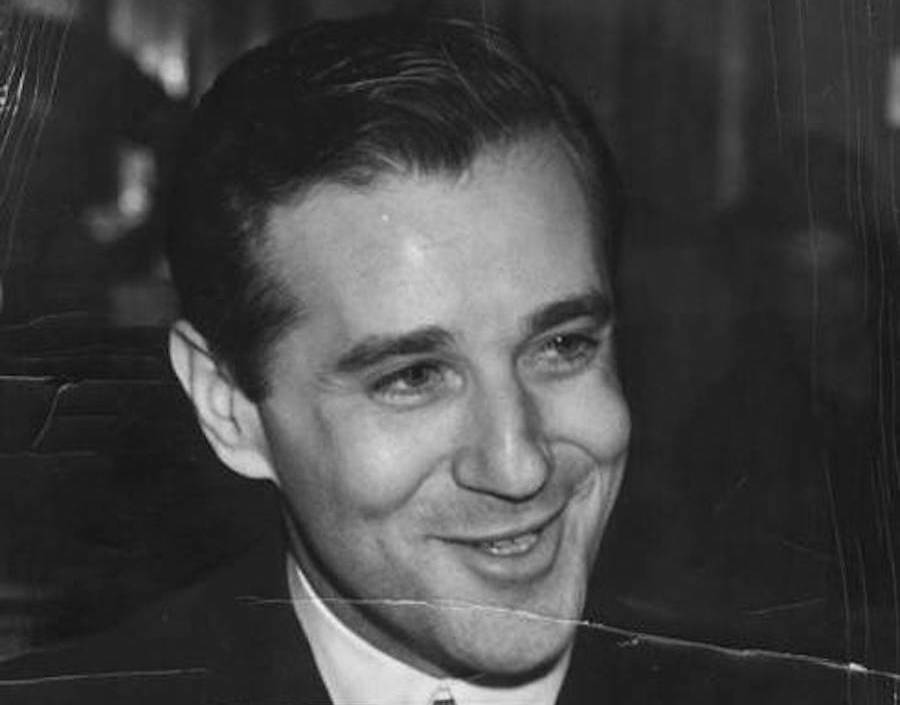
The initial settlers of Las Vegas were hardy individuals drawn by opportunity. They included ranchers, miners, and merchants who established the rudimentary infrastructure of the early town. The visionaries who saw the potential of Las Vegas as a tourism destination were critical. Figures like Bugsy Siegel, whose controversial but undeniable influence led to the development of the Flamingo, and later, developers like Howard Hughes and the MGM Resorts International empire, transformed the desert landscape into a global entertainment hub. These individuals, despite their varied backgrounds and motivations, shared a common thread: an unshakeable belief in the potential of Las Vegas.
The Workforce: The Backbone of the Strip
The construction of Las Vegas and its sprawling resorts would have been impossible without a dedicated workforce. From the engineers and architects who designed the marvels to the laborers who poured the concrete, installed the wiring, and finished the interiors, thousands of individuals contributed their skills and sweat. These workers, often coming from across the United States and beyond, were the backbone of the city’s growth. They built not only the physical structures but also the service industry that supports the millions of visitors who flock to Las Vegas each year. The hospitality staff, dealers, entertainers, chefs, and countless others who work in Las Vegas are the living embodiment of the city’s continuous construction and evolution.
The Evolution of Tourism and Lifestyle
The founders and builders of Las Vegas also fundamentally shaped modern tourism and lifestyle. They pioneered the concept of the integrated resort, offering a self-contained vacation experience with lodging, dining, entertainment, and gaming all under one roof. This model has been emulated worldwide.
Las Vegas became a destination for a wide range of travelers, catering to different lifestyles. Initially a haven for high rollers and those seeking adult entertainment, it evolved to embrace family-friendly attractions, luxury experiences, and even business conventions. The development of convention centers and the catering to business travelers added another significant dimension to the city’s economy and its identity. The constant reinvention of its attractions, from the classic casino floors to the elaborate shows and world-class dining, ensures that Las Vegas remains a dynamic and perpetually evolving destination. The very essence of its “lifestyle” is one of continuous innovation and adaptation to meet the desires of a global audience.
In conclusion, the question “Who Built Las Vegas?” has no single, simple answer. It was built by the convergence of geographical destiny, visionary entrepreneurs, relentless engineers, dedicated workers, and a societal shift towards embracing leisure and entertainment. From the arid lands watered by ingenuity to the towering structures that pierce the desert sky, Las Vegas is a monument to human ambition and the enduring power of a dream, a dream that continues to be built, day by dazzling day.