
Navigating the complexities of healthcare access is a paramount concern for many individuals and families. In the vast state of Texas, understanding eligibility for programs like Medicaid is crucial for ensuring timely and comprehensive medical care. While the primary focus of this website often revolves around exciting travel destinations, luxurious hotel stays, immersive cultural experiences, and practical accommodation advice, we recognize that a fundamental aspect of a fulfilling lifestyle, whether at home or abroad, is access to affordable healthcare. This article delves into the critical question of “Who Can Get Medicaid In Texas?”, providing a clear overview of eligibility criteria, program components, and the vital role it plays in the lives of Texans.
For many, the journey to understanding healthcare access begins with identifying the right programs and understanding their nuances. Imagine planning a dream vacation to Paris, exploring the majestic Eiffel Tower, and staying in a charming boutique hotel. To fully enjoy such an experience, peace of mind regarding your health is essential. Similarly, in Texas, Medicaid serves as a cornerstone of healthcare security for millions. This program, jointly funded by the federal government and the state, provides essential medical services to eligible low-income individuals, children, pregnant women, elderly adults, and people with disabilities.
Understanding Medicaid Eligibility in Texas
The eligibility for Texas Medicaid is not a one-size-fits-all determination. It is primarily based on a combination of factors, including income, household size, age, disability status, and specific healthcare needs. The program is administered by Texas Health and Human Services (HHS), which sets forth the detailed requirements. It’s important to note that Texas has not expanded Medicaid under the Affordable Care Act, which means that eligibility for many childless adults without a disability is significantly more restricted compared to states that have adopted expansion. This unique landscape in Texas makes understanding the specific pathways to coverage even more critical.
Key Eligibility Groups
The primary groups eligible for Texas Medicaid generally fall into several categories:
- Children: Texas Medicaid provides coverage for children from low-income families. The income limits for children are typically higher than for adults, reflecting the state’s commitment to ensuring that young ones have access to essential healthcare services, including vaccinations, regular check-ups, and treatment for illnesses and injuries. This is a vital component of ensuring a healthy start for the next generation, much like ensuring a comfortable and safe accommodation for a family trip to Disney World.
- Pregnant Women: Pregnant women who meet specific income guidelines are eligible for Texas Medicaid. This coverage is crucial for prenatal care, labor and delivery, and postpartum services, ensuring the health and well-being of both mother and child. Access to quality maternal healthcare is a fundamental aspect of family lifestyle planning, akin to choosing the perfect resort with family-friendly amenities.
- Elderly Adults (Age 65 and Over): Individuals aged 65 and older who meet income and asset limitations are eligible for Texas Medicaid. This often complements Medicare coverage, helping to pay for costs that Medicare does not cover, such as long-term care services. For seniors who may have planned their retirement with financial prudence, knowing that healthcare needs are covered can provide immense peace of mind, much like having a well-booked and comfortable stay at a luxury resort.
- Individuals with Disabilities: People with disabilities who meet medical and financial eligibility criteria can qualify for Texas Medicaid. This can include individuals with physical, intellectual, or developmental disabilities who require ongoing medical care and support services. Access to these services is paramount for enabling individuals to live fulfilling lives, whether it’s accessing local attractions or maintaining their independence.
- Low-Income Parents and Caregivers: In Texas, eligibility for parents and caregivers is generally tied to caring for a dependent child. The income limits for these groups are often stricter due to the state’s decision not to expand Medicaid. This means that many single adults without dependent children and a disability may not qualify for coverage. This aspect can be a significant hurdle, impacting the overall lifestyle and financial stability of families.
Income and Asset Limits
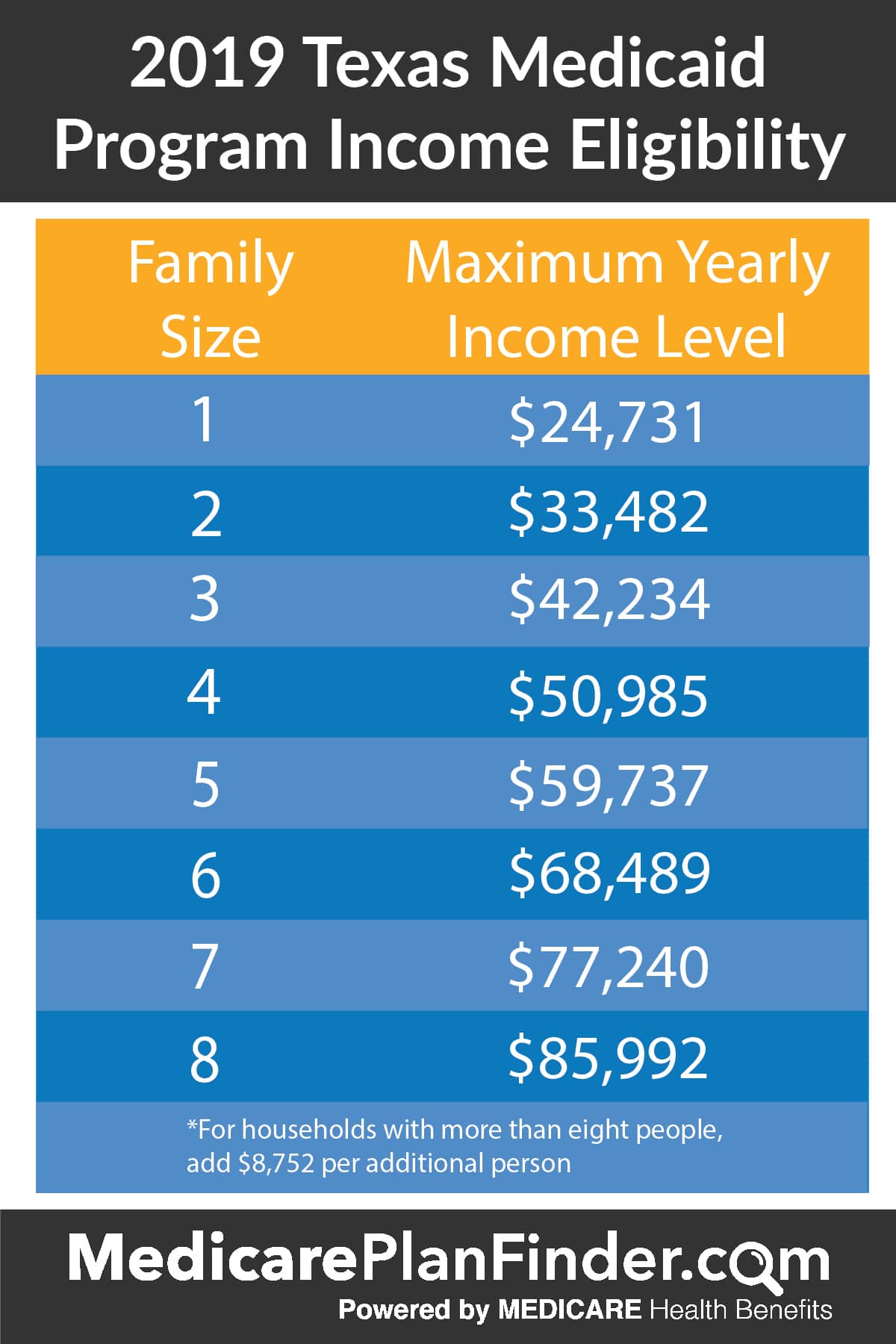
The determination of income eligibility for Texas Medicaid is complex and varies based on the eligibility group. Generally, it involves comparing a household’s countable income to the Federal Poverty Level (FPL). Countable income excludes certain expenses and deductions. For example, a family planning a road trip across the United States, carefully budgeting for gas, food, and accommodation, must also be mindful of how their earnings impact their healthcare eligibility.
In addition to income, certain eligibility groups may also be subject to asset limits. These limits apply to the value of certain resources a household owns, such as savings accounts, stocks, and bonds. However, some assets are typically excluded, like the primary residence and a single vehicle. The nuances of these limits mean that a thorough understanding of one’s financial situation is essential when applying. This meticulousness in financial planning is similar to how one might research and compare various accommodation options, from budget-friendly apartments to luxurious villas, to find the best fit.
Navigating the Application Process
Applying for Texas Medicaid involves a formal application process managed by Texas HHS. Prospective applicants can apply online through the Your Texas Benefits portal, by mail, or in person at local HHS offices. It is crucial to provide accurate and complete information, as any discrepancies can delay the process or lead to denial. Gathering necessary documents, such as proof of identity, residency, income, and household size, is a critical first step, much like preparing all necessary travel documents for an international adventure to Japan.
Key Documents and Information Needed
When applying for Texas Medicaid, applicants will typically need to provide:
- Proof of Identity: Such as a driver’s license, state ID, or passport.
- Social Security Numbers: For all household members applying for coverage.
- Proof of Income: This can include pay stubs, tax returns, or letters of support.
- Proof of Residency: Such as utility bills or a lease agreement.
- Information about Household Size: Including names and dates of birth of all household members.
- Information about Disability (if applicable): Including medical records and physician statements.
- Information about Pregnancy (if applicable): Including expected due date.
The application process can sometimes feel overwhelming, especially when dealing with health concerns. However, seeking assistance from HHS caseworkers or community organizations that offer free application help can be invaluable. They can guide applicants through the paperwork and answer any questions, ensuring a smoother experience, much like a helpful concierge at a Four Seasons Hotel can assist with local tours and dining reservations.
Special Programs and Considerations
Beyond the general Medicaid program, Texas offers several related programs and waivers that provide healthcare access to specific populations. Understanding these can open up additional avenues for coverage.
Children’s Health Insurance Program (CHIP)
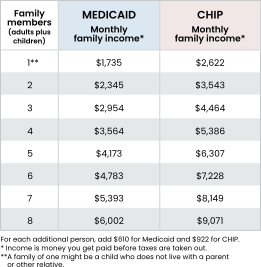
For families whose income is too high for Medicaid but still struggle with the cost of health insurance for their children, the Children’s Health Insurance Program (CHIP) is a vital resource. CHIP provides low-cost health coverage to children in families who earn too much to qualify for Medicaid but cannot afford private insurance. Like choosing a family-friendly resort that caters to children’s needs, CHIP ensures that kids have access to essential doctors’ visits, immunizations, and hospital care. CHIP also covers pregnant women.
Waivers for Home and Community-Based Services
For individuals with disabilities who require long-term care, Texas offers various Home and Community-Based Services (HCBS) waivers. These waivers allow eligible individuals to receive services and supports in their homes and communities, rather than in institutional settings. This can include services like personal care assistance, respite care, and therapies. Access to these waivers is critical for maintaining independence and improving the quality of life for individuals with disabilities, much like having access to personalized travel experiences can enhance a trip to a vibrant city like New Orleans.
Managed Care and Providers
Once eligible for Texas Medicaid, beneficiaries are typically enrolled in a managed care plan. This means they choose a health plan that will coordinate their medical services. These managed care organizations contract with a network of doctors, hospitals, and other healthcare providers across Texas. For example, a traveler exploring the diverse landscapes of California might choose a travel insurance plan that covers a wide network of healthcare facilities. Similarly, Texas Medicaid beneficiaries have access to a network of providers, ensuring they can receive the care they need. Choosing the right plan and understanding the network of available providers is an important step in maximizing healthcare benefits, just as selecting the right hotel with the amenities you desire, whether it’s a rooftop pool in Miami or a secluded villa in Tuscany, is key to a great experience.
In conclusion, understanding who can get Medicaid in Texas is a multifaceted process that depends on individual circumstances. While this guide provides a general overview, it is always recommended to consult the official Texas HHS website or contact them directly for the most up-to-date and personalized information regarding eligibility requirements and application procedures. Ensuring access to healthcare is a fundamental aspect of well-being, allowing individuals and families to focus on all the enriching experiences life has to offer, from exploring historical landmarks to enjoying leisurely stays in beautiful destinations.
LifeOutOfTheBox is a participant in the Amazon Services LLC Associates Program, an affiliate advertising program designed to provide a means for sites to earn advertising fees by advertising and linking to Amazon.com. Amazon, the Amazon logo, AmazonSupply, and the AmazonSupply logo are trademarks of Amazon.com, Inc. or its affiliates. As an Amazon Associate we earn affiliate commissions from qualifying purchases.