
The vibrant, glittering metropolis of Las Vegas is synonymous with entertainment, luxury, and an almost otherworldly sense of possibility. Millions flock to its neon-drenched streets annually, drawn by the allure of world-class casinos, extravagant shows, and unparalleled dining experiences. But as the dazzling lights beckon, a question often surfaces: who exactly discovered Las Vegas? While the modern city we know today is a testament to human ingenuity and ambition, its roots stretch back far beyond the casinos and resorts. The story of Las Vegas is not one of a single discoverer, but rather a confluence of natural beauty, indigenous presence, and the pioneering spirit of explorers and settlers.

The Natural Oasis: A Thriving Valley
Long before it was a playground for adults, the area now known as Las Vegas was a vital oasis in the vast and arid Mojave Desert. The name itself, “Las Vegas,” translates from Spanish to “the meadows,” a fitting description for a valley naturally watered by underground springs. These springs, which fed lush meadows and supported diverse plant and animal life, made the region a crucial resting and resupply point for travelers navigating the harsh desert landscape.
Indigenous Inhabitants: The First Stewards
The discovery of Las Vegas predates any European or American exploration by thousands of years. The land was home to indigenous peoples, most notably the Southern Paiute tribe. For centuries, these native peoples utilized the natural resources of the valley, living in harmony with the environment. They understood the secrets of the springs, harvested desert plants, and hunted the abundant wildlife. The Southern Paiute were the true original inhabitants, intimately familiar with the “meadows” that would later capture the imagination of outsiders. Their presence and their deep connection to the land form the foundational chapter of the Las Vegas story, a chapter often overlooked in the rush to celebrate its modern marvels.
The Era of Exploration: Charting New Territories
The arrival of European explorers marked a significant shift in the history of Las Vegas. These individuals, driven by a thirst for knowledge and the ambition to expand empires, began to chart the unknown territories of what is now the American Southwest.
Antonio Armijo and the Spanish Trail
One of the earliest significant European encounters with the Las Vegas valley is attributed to Antonio Armijo, a Mexican trader. In 1829, leading a caravan of mules from New Mexico to California, Armijo followed a new route that would become known as the Old Spanish Trail. This trail passed directly through the Las Vegas valley, utilizing the vital springs as a critical watering hole. Armijo’s expedition was instrumental in recognizing the strategic importance of this location for trade and travel between the two territories. His journey, though not a formal “discovery” in the sense of finding something entirely unknown, was a crucial step in bringing the valley to the attention of a wider, non-indigenous world.
John C. Frémont and the “Father of Nevada”
Later, in 1844, Captain John C. Frémont, an American explorer and military officer, led an expedition into the region. His party, seeking to map and explore the western territories for the United States, arrived in the valley. Frémont, often referred to as the “Father of Nevada,” was captivated by the natural beauty of the “meadows.” He documented his findings in his reports, which were widely circulated and contributed significantly to the American understanding and perception of the West. Frémont’s expedition solidified the valley’s place on American maps and in the national consciousness, further paving the way for future settlement and development. His scientific observations and detailed accounts provided valuable information about the geography, flora, and fauna of the area.

The Dawn of Settlement: From Trading Post to Town
Following the exploration by figures like Armijo and Frémont, the Las Vegas valley began to attract settlers and entrepreneurs. The strategic location along the Old Spanish Trail and later, the railroad, made it a natural hub for commerce and transportation.
The Mormon Fort and Early Beginnings
In 1855, a group of Mormon pioneers, led by William Bringhurst, established a fort in the Las Vegas valley. This fort served as a religious outpost and a supply station for travelers. While the settlement was short-lived and eventually abandoned by the Mormons due to various challenges, it represented one of the earliest attempts at sustained non-indigenous settlement in the area. The construction of the fort and the establishment of agricultural endeavors, however rudimentary, marked the initial steps towards transforming the natural oasis into a more permanent human settlement.
The Railroad and the Birth of a City
The true catalyst for the transformation of Las Vegas into a burgeoning city was the arrival of the railroad. In 1905, the San Pedro, Los Angeles & Salt Lake Railroad established a depot and auction site in the valley. This event led to the establishment of the town of Las Vegas. The railroad brought with it a steady stream of people, commerce, and opportunities. Businesses sprang up to support the railway workers and the growing population. The availability of water from the springs continued to be a vital resource, now serving a rapidly expanding community. The railroad facilitated the movement of goods and people, connecting Las Vegas to the outside world and setting the stage for its future growth.
The Modern Metropolis: Entertainment Capital of the World
The mid-20th century witnessed the meteoric rise of Las Vegas as a center for entertainment and gambling. The legalization of gambling in Nevada in 1931 was a pivotal moment, attracting entrepreneurs and investors eager to capitalize on the desert oasis.
The Casinos and Resorts: A New Kind of Discovery
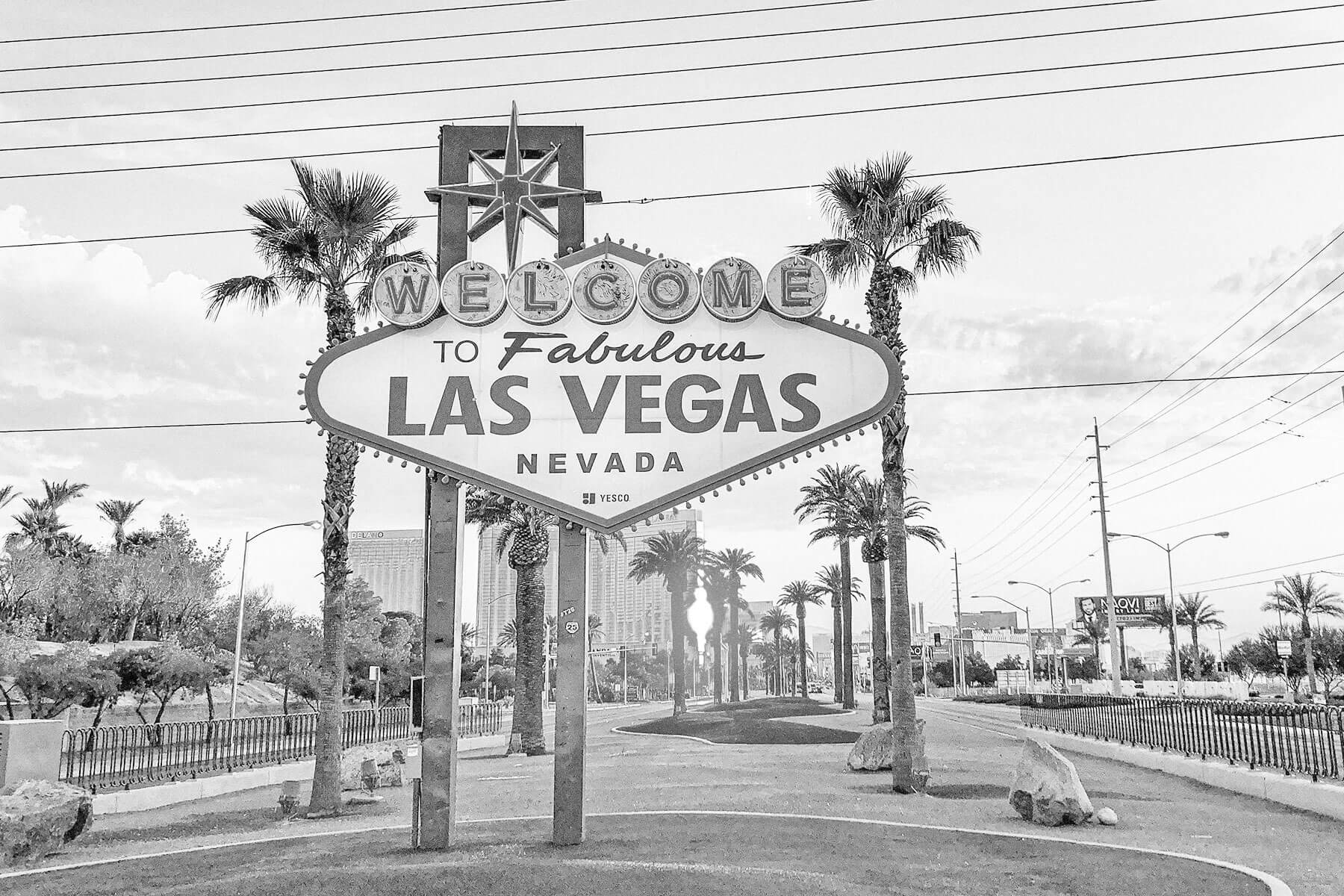
The post-World War II era saw the construction of the first major casino resorts, transforming the modest town into a glamorous destination. Iconic hotels like the Flamingo, the Sahara, and later the Caesars Palace and Bellagio, became synonymous with the Las Vegas experience. These establishments didn’t just offer gambling; they pioneered the concept of integrated resorts, providing lavish accommodations, world-class dining, spectacular entertainment, and a vibrant nightlife. The “Vegas Strip” emerged as a global icon, a place where dreams, fortunes, and unforgettable experiences were made. This era of development was a “discovery” in a different sense – the discovery of the potential for mass entertainment and luxury tourism in a place previously known for its arid landscape and strategic outpost.
A Legacy of Innovation and Evolution
Today, Las Vegas continues to evolve, offering more than just casinos. It boasts stunning architectural marvels, world-class museums, diverse culinary scenes, and unique Las Vegas experiences catering to every type of traveler, from luxury seekers to budget-conscious families. The city’s journey from a natural watering hole to an international entertainment hub is a testament to the dynamic spirit of human enterprise and the enduring allure of a place that continues to reinvent itself.
In conclusion, while the question “Who Discovered Las Vegas?” might seem straightforward, the answer is rich and multifaceted. The Southern Paiute were its first custodians, understanding and respecting its natural bounty. Explorers like Antonio Armijo and John C. Frémont charted its existence for the wider world. Settlers and the railroad brought permanence and commerce, laying the groundwork for urban life. And visionary developers, fueled by the legalization of gambling, transformed it into the dazzling spectacle we know today. Las Vegas was not discovered by one person, but rather revealed through the continuous interactions of nature, indigenous wisdom, exploration, and human ambition, creating a unique tapestry of history and a legendary destination.
LifeOutOfTheBox is a participant in the Amazon Services LLC Associates Program, an affiliate advertising program designed to provide a means for sites to earn advertising fees by advertising and linking to Amazon.com. Amazon, the Amazon logo, AmazonSupply, and the AmazonSupply logo are trademarks of Amazon.com, Inc. or its affiliates. As an Amazon Associate we earn affiliate commissions from qualifying purchases.