
The vibrant tapestry of New Orleans, a city renowned for its intoxicating blend of culture, music, and cuisine, holds a rich and fascinating origin story. While the city pulsates with a spirit that feels as old as time, its formal establishment can be traced back to the ambitions of European powers, specifically France. The question of “Who founded New Orleans?” leads us to a pivotal moment in colonial history and the visionaries who sought to establish a strategic stronghold on the Mississippi River.
The Genesis of a Colonial Jewel: French Ambitions and a Named City
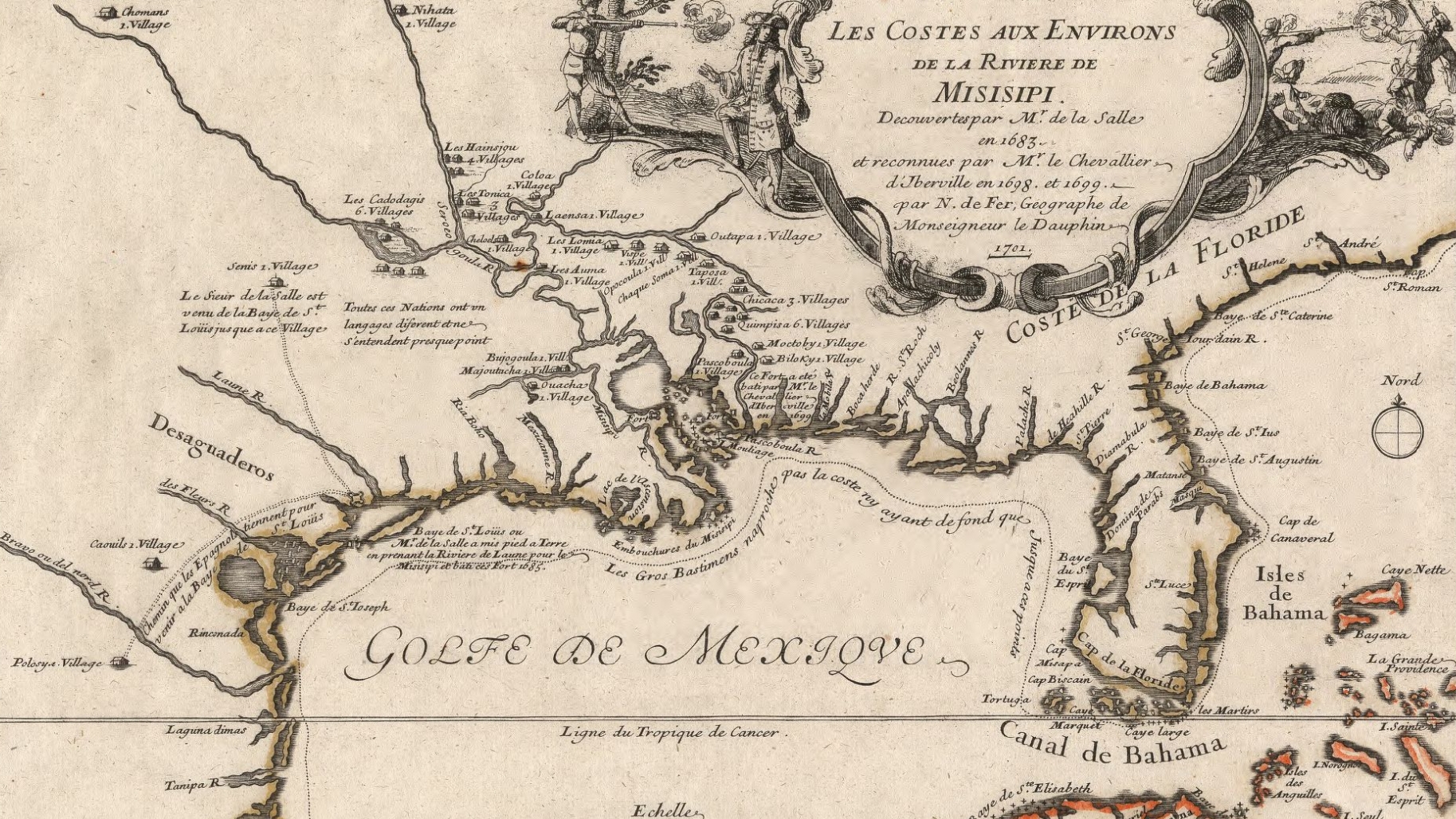
The early 18th century marked a period of intense colonial expansion in North America. Both France and Great Britain vied for control of lucrative trade routes and vast territories. In this context, the strategic importance of the mouth of the Mississippi River became increasingly apparent to the French. Controlling this waterway would grant them access to the rich interior of the continent and provide a crucial link for trade with the French colony of New France.
A Strategic Vision: Sieur de Bienville and the Founding Effort
The primary figure credited with the founding of New Orleans is Jean-Baptiste Le Moyne de Bienville. A seasoned explorer and administrator, Bienville had already been involved in French colonial efforts in the region, including explorations and establishing early settlements. He recognized the immense potential of the site where the Mississippi River empties into Lake Pontchartrain. This location offered a natural harbor and excellent defensive positioning.
In 1718, acting on behalf of the French crown, Bienville led an expedition to survey and establish a settlement at this promising location. He envisioned a thriving port city that would serve as the capital of the vast French territory of Louisiana. The initial survey and clearing of land began, laying the groundwork for what would become a major colonial center.
The Naming: A Tribute to Royalty
The city was officially named in honor of Philippe II, Duke of Orléans, who was the Regent of France during the minority of King Louis XV. The French name, “La Nouvelle-Orléans,” directly translates to “New Orléans,” solidifying its connection to its royal patron. This naming reflects the political and economic motivations behind the establishment of the colony, emphasizing its importance to the French monarchy.
The early years of New Orleans were challenging. The environment was challenging, with swamps and dense vegetation, and the settlement faced difficulties with disease, supplies, and labor. However, the strategic vision of Bienville and the ongoing commitment of the French crown ensured its persistence. The city was officially designated the capital of Louisiana in 1722, a significant step in its development as a center of colonial administration and commerce.
The Evolution of a City: From French to Spanish Rule and Beyond
The founding of New Orleans by the French was just the beginning of its complex history. Like many colonial settlements, its governance and cultural influences shifted over time, shaping the unique character that defines the city today. Understanding these transitions is crucial to appreciating the multifaceted heritage of New Orleans.
The Colonial Lottery: French Control and the Seven Years’ War
For several decades, New Orleans remained a vital part of the French colonial empire. It grew as a port, facilitating the fur trade and other commercial activities with the interior of North America. However, the geopolitical landscape of Europe had a profound impact on its destiny. The outbreak of the Seven Years’ War (also known as the French and Indian War in North America) proved to be a turning point.
The war resulted in a decisive defeat for France against Great Britain. In the aftermath, France was forced to cede vast territories in North America. In a remarkable geopolitical maneuver, the French secretly ceded control of Louisiana to Spain through the Treaty of Fontainebleau in 1762, even before the war officially ended. This transfer was intended to prevent the territory from falling into British hands.
Spanish Influence and Architectural Legacies

The arrival of the Spanish in New Orleans in 1763 marked a new era for the city. While initially met with some resistance from the French population, the Spanish administration brought significant changes. They implemented new legal codes, fostered trade, and encouraged immigration.
Crucially, the Spanish period left an indelible mark on the city’s architecture and urban planning. Much of the iconic architecture seen in the French Quarter, with its colorful buildings, wrought-iron balconies, and courtyards, is a direct result of Spanish influence and their rebuilding efforts after devastating fires. The Spanish brought their own architectural styles, adapted to the subtropical climate and incorporating elements of classical design. This blend of French planning and Spanish architectural aesthetics is a hallmark of New Orleans.
From Colonial Outpost to American Statehood
Following a brief period where Spain retroceded Louisiana back to France in 1800, the territory was famously purchased by the United States from Napoleon Bonaparte in the Louisiana Purchase of 1803. This pivotal event brought New Orleans under American control and opened the floodgates for American expansion westward.
Under American rule, New Orleans continued to grow and evolve. It became a major port for the burgeoning United States, a hub for trade and a gateway to the vast interior. The city’s unique cultural blend, a rich amalgam of French, Spanish, African, and Caribbean influences, continued to flourish, laying the foundation for the distinct identity that draws millions of visitors to experience its unique charms each year.
Exploring the Foundations: Landmarks and Legacy
The story of who founded New Orleans is not just about names and dates; it’s about the enduring legacy that continues to shape the city’s landscape and its soul. From the historic streets of the French Quarter to the rich cultural tapestry woven over centuries, the city’s foundations are evident in its present-day attractions and experiences.
The French Quarter: A Living Monument
The heart of historic New Orleans, the French Quarter, stands as a testament to its founding and subsequent development. Many of the buildings here, with their distinctive Creole architecture, date back to the Spanish era, showcasing the architectural fusion that defines the district. Wandering through its charming streets, one can almost feel the presence of the early settlers. The vibrant atmosphere, the sounds of jazz music spilling from doorways, and the aromas of Creole cuisine all contribute to an immersive experience that connects visitors to the city’s past.
Key landmarks within the French Quarter offer tangible links to its history. Jackson Square, once the central parade ground, is now a lively hub for artists, musicians, and street performers, overlooked by the historic St. Louis Cathedral. This iconic landmark has witnessed centuries of the city’s history, from its French and Spanish beginnings to its present-day status as a beloved American city. The nearby Cabildo and Presbytère, historic government buildings, now house museums that delve into the rich history of Louisiana.
The Mississippi River and its Enduring Significance
The very reason for New Orleans being founded was its strategic location on the Mississippi River. This powerful waterway has always been the lifeblood of the city, facilitating trade and connecting it to the vast interior of the continent. Today, the river remains a vital artery of commerce and a significant attraction for visitors.
Taking a steamboat cruise on the Mississippi River offers a unique perspective on the city and its historical importance. As the steamboat glides along the water, one can imagine the early French and Spanish explorers navigating these same waters, establishing the foundations of the city. The bustling port activity, a continuation of centuries of maritime trade, is a constant reminder of the river’s enduring economic significance.

A City of Cultures: The Lasting Impact of Diverse Influences
The founders of New Orleans, though primarily French, laid the groundwork for a city that would become a melting pot of cultures. The subsequent Spanish rule, followed by American acquisition, each contributed layers of influence. Furthermore, the transatlantic slave trade brought people of African descent, whose traditions, music, and resilience profoundly shaped the city’s unique identity.
This rich cultural heritage is most evident in New Orleans’s vibrant music scene, its world-renowned cuisine, and its lively festivals. From the joyful sounds of Mardi Gras to the soulful melodies of jazz heard on every corner, the spirit of its diverse founding and evolution is palpable. Experiencing New Orleans is to step into a living testament to its history, a city where the echoes of its founders resonate through its streets, its music, and the unforgettable spirit of its people.
LifeOutOfTheBox is a participant in the Amazon Services LLC Associates Program, an affiliate advertising program designed to provide a means for sites to earn advertising fees by advertising and linking to Amazon.com. Amazon, the Amazon logo, AmazonSupply, and the AmazonSupply logo are trademarks of Amazon.com, Inc. or its affiliates. As an Amazon Associate we earn affiliate commissions from qualifying purchases.