
Navigating the complexities of divorce in New York can feel like charting an unfamiliar territory, especially when it comes to dividing marital assets. Among the most significant and emotionally charged assets is often the marital home. The question of “Who Gets The House In A Divorce In New York?” is a common and pressing one, and the answer is rarely straightforward. It involves a careful consideration of legal principles, financial realities, and individual circumstances. This guide aims to demystify the process, offering clarity on how New York divorce law addresses the disposition of the marital residence.

Understanding Marital Property in New York
Before delving into the specifics of the house, it’s crucial to understand what constitutes “marital property” in New York. The state operates under an equitable distribution system, meaning that assets acquired during the marriage are to be divided fairly, though not necessarily equally.
Separate vs. Marital Property
The first step in determining the fate of the house is to ascertain whether it is considered marital property or separate property.
- Separate Property: This typically includes assets owned by a spouse before the marriage, or assets acquired during the marriage through gift or inheritance. For example, if one spouse owned a property before marrying and it remained solely in their name and was not commingled with marital funds, it might be considered separate property. However, the lines can become blurred, and any appreciation or income generated from separate property during the marriage can sometimes be deemed marital.
- Marital Property: This encompasses all assets acquired by either spouse from the date of marriage up to the present, regardless of how title is held. This includes the marital home, even if purchased with separate funds, if it was acquired during the marriage. The appreciation in value of a separate asset during the marriage can also be considered marital property if marital efforts contributed to that appreciation.
The marital home, often purchased or significantly improved during the marriage, is overwhelmingly considered marital property in New York, subject to equitable distribution.
Factors Influencing the Decision
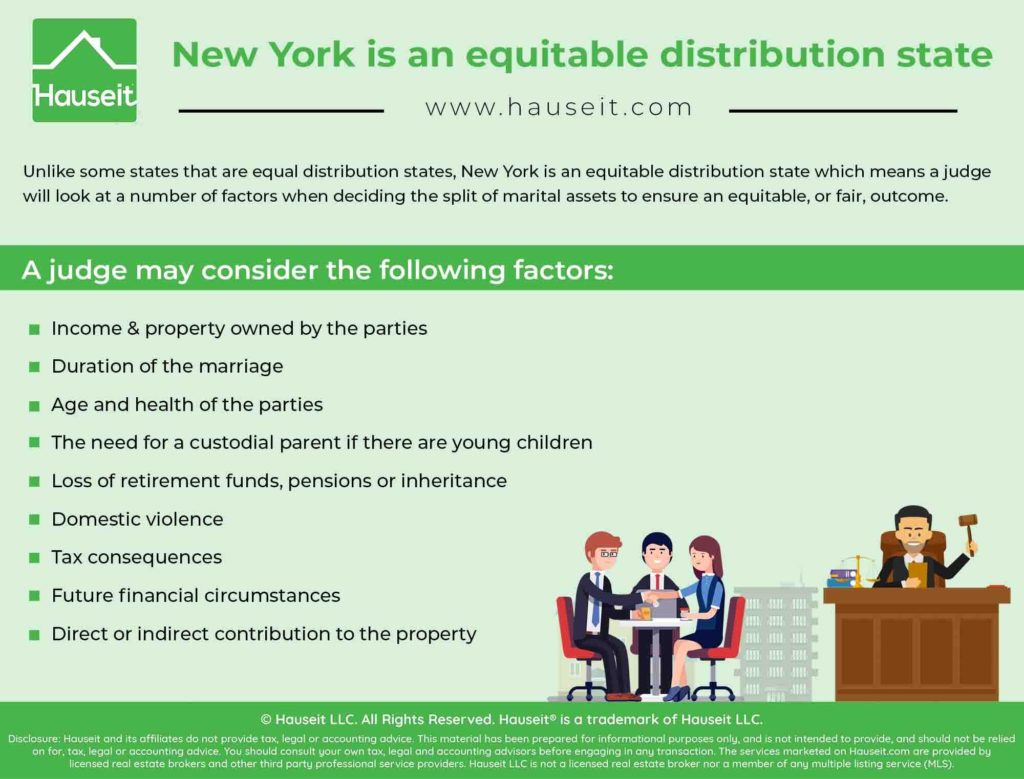
New York courts do not have a rigid formula for deciding who gets the house. Instead, they consider a multitude of factors to achieve an equitable distribution. These factors aim to ensure fairness and consider the practical implications for both spouses and any children involved.
Key Considerations for the Court
When a divorce is filed in New York, the court will examine several elements to make a determination regarding the marital home:
- Needs of the Children: If there are minor children of the marriage, their best interests are paramount. A New York court will prioritize maintaining stability for children, which often means allowing the custodial parent to remain in the family home, at least until the children reach the age of majority or finish high school. This helps avoid disrupting their schooling, social lives, and overall sense of security. The court may order that the custodial parent continue to reside in the home with the children and that the other spouse’s interest in the property be bought out or deferred until a later date.
- Duration of the Marriage: The length of the marriage plays a significant role. In shorter marriages, the court might be more inclined to sell the marital home and divide the proceeds equally. In longer marriages, the home may be considered a more established part of the marital estate, and a spouse might receive a greater share or be awarded the home outright.
- Financial Circumstances of Each Spouse: The court will assess the financial health of both parties. Can one spouse afford to maintain the home independently, including mortgage payments, taxes, insurance, and upkeep? If one spouse has significantly more income or assets, they might be in a better position to assume ownership of the home. Conversely, if neither spouse can afford to keep the home, a sale may be the only viable option. This includes analyzing income, debts, and other assets each spouse possesses.
- Contributions of Each Spouse: This goes beyond financial contributions. The court considers the non-economic contributions each spouse made to the marriage, such as homemaking, childcare, and supporting the other spouse’s career. If one spouse sacrificed career advancement to raise a family and manage the household, their contributions to acquiring and maintaining the marital home will be recognized.
- Health of Each Spouse: The physical and mental health of each spouse can be a factor. If one spouse has health issues that make it difficult to secure alternative housing or manage financial responsibilities, the court may take this into account when deciding the disposition of the home.
- Age of Each Spouse: Similar to health, the age of the spouses can influence the decision. Older spouses may face greater challenges in finding suitable and affordable housing or re-entering the workforce.
- The Ability to Secure Suitable Alternative Housing: The court will consider whether a spouse can reasonably secure adequate alternative housing. This involves looking at rental markets, housing prices, and the availability of suitable accommodations in the area.
- The Present Value of the Home vs. Other Marital Assets: The court will compare the value of the house to the value of other marital assets. Sometimes, awarding one spouse the house in exchange for waiving their claim to other assets (like a business or significant investment portfolio) might be considered equitable.
Options for the Marital Home in a New York Divorce
When a New York divorce involves a marital home, several common outcomes can occur:
1. Sale of the Marital Home
This is often the most straightforward solution, especially if neither spouse can afford to buy the other out, or if there are no children or their needs do not dictate otherwise.
- Process: The couple can agree to sell the home and divide the net proceeds according to their settlement agreement or a court order. If they cannot agree on a sale price or terms, either spouse can petition the court to order a sale. The court may appoint a real estate agent and set terms for the sale.
- Proceeds Distribution: After deducting the costs of sale (real estate commissions, closing costs, outstanding mortgage, etc.), the remaining equity is divided between the spouses. The division will be based on the equitable distribution principles outlined above, reflecting the court’s assessment of the relevant factors. For instance, if one spouse receives the house for a period, the other spouse’s buy-out might be calculated to reflect their deferred interest.
2. One Spouse Buys Out the Other
This option allows one spouse to retain ownership of the marital home. This is frequently chosen when the couple has children and the custodial parent wishes to remain in the home, or when one spouse has the financial capacity to purchase the other’s interest.
- How it Works: The spouse who wants to keep the home must “buy out” the other spouse’s share of the equity. This can be achieved through several methods:
- Using Savings or Other Assets: The spouse may use their own savings, inheritances, or proceeds from other investments to pay the other spouse.
- Refinancing the Mortgage: The spouse remaining in the home may need to refinance the existing mortgage to take out a larger loan that covers both their share of the mortgage and the buyout payment to the other spouse. This requires qualifying for the new, higher mortgage based on their income and creditworthiness.
- Deferred Buyout: In some cases, the buyout payment might be deferred until a future event, such as the sale of the home at a later date, the youngest child reaching adulthood, or when the purchasing spouse’s financial situation improves. This often involves a formal agreement that outlines the terms, interest, and eventual payment.
- Valuation: A critical step in a buyout is determining the fair market value of the home. This is typically done through a professional appraisal conducted by a licensed real estate appraiser. Both spouses typically agree on an appraiser, or the court may appoint one if they cannot agree.
3. Co-Ownership of the Marital Home
While less common, especially in contentious divorces, sometimes spouses may agree to continue co-owning the marital home for a specific period. This might occur if:
-
Children’s Stability: The couple wants to maintain stability for their children and allow them to stay in the home, but neither spouse can afford to buy the other out immediately.
-
Deferred Sale: They plan to sell the home in the future but need time to prepare for the sale or for one spouse to improve their financial situation.
-
Investment Property: The home is viewed primarily as an investment property, and they decide to rent it out and share the rental income and eventual sale proceeds.
-
Agreements: If co-ownership is chosen, a detailed co-ownership agreement is essential. This agreement should clearly outline:
- Who will reside in the home.
- How mortgage payments, property taxes, insurance, and maintenance costs will be shared.
- The terms of the eventual sale and division of proceeds.
- What happens if one party wishes to sell or buy out the other before the agreed-upon time.
Without a clear agreement, co-ownership can lead to significant disputes and complications down the line.
The Role of Legal Counsel and Negotiation
The process of determining who gets the house in a New York divorce is often best managed with the assistance of experienced legal professionals. Divorce attorneys in New York can:
- Advise on Rights and Obligations: They can explain your rights and obligations regarding the marital home based on New York law and your specific circumstances.
- Facilitate Negotiations: Attorneys can act as intermediaries between spouses, helping to negotiate a fair settlement regarding the house and other assets. Mediation, a process where a neutral third party helps couples reach agreements, is also a highly effective approach for asset division, including the marital home.
- Represent in Court: If an agreement cannot be reached, your attorney will represent your interests in court, presenting evidence and arguments to the judge.
- Ensure Proper Documentation: They ensure that all agreements are legally sound and properly documented, protecting your interests in the long term.
New York courts encourage settlement. Many divorce cases are resolved through negotiation and settlement agreements, rather than going to trial. This often leads to more amicable outcomes and greater control over the final decisions.

Conclusion: A Fair, Not Necessarily Equal, Outcome
In conclusion, the question of “Who Gets The House In A Divorce In New York?” does not have a one-size-fits-all answer. New York law aims for equitable distribution, meaning a fair division of marital assets, which includes the marital home. The court will meticulously consider various factors, with the needs of any children often taking precedence. Whether the home is sold, bought out by one spouse, or co-owned, the ultimate goal is a resolution that is just and practical for all parties involved. Seeking qualified legal advice is paramount to understanding your options and navigating this complex aspect of divorce in New York.