
The question “Who is Governor of Texas?” is fundamental to understanding the political landscape and administrative direction of one of the largest and most influential states in the United States. As of the most recent elections and current term, the esteemed individual holding the highest executive office in the Lone Star State is Governor Greg Abbott. His leadership not only shapes public policy and economic development but also indirectly influences the very fabric of life that attracts millions of visitors to Texas each year, from its vibrant cities to its serene natural landmarks. For anyone planning to travel, explore, or even consider a long-term stay in this diverse state, understanding the role and impact of its governor provides valuable context into the state’s direction and priorities, often reflected in its infrastructure, tourism initiatives, and cultural preservation efforts.
The Current Steward of the Lone Star State: Governor Greg Abbott
Greg Abbott assumed the governorship of Texas in January 2015 and has since been re-elected, demonstrating consistent support from the state’s electorate. A member of the Republican Party, his political career is marked by a steady ascent through the state’s legal and political systems. Before becoming governor, he served as the Attorney General of Texas for over a decade, making him the longest-serving Attorney General in the state’s history. Prior to that, he held a seat on the Texas Supreme Court. His extensive experience in both the judicial and executive branches has provided him with a profound understanding of state governance, legal frameworks, and the diverse needs of Texas’s burgeoning population.
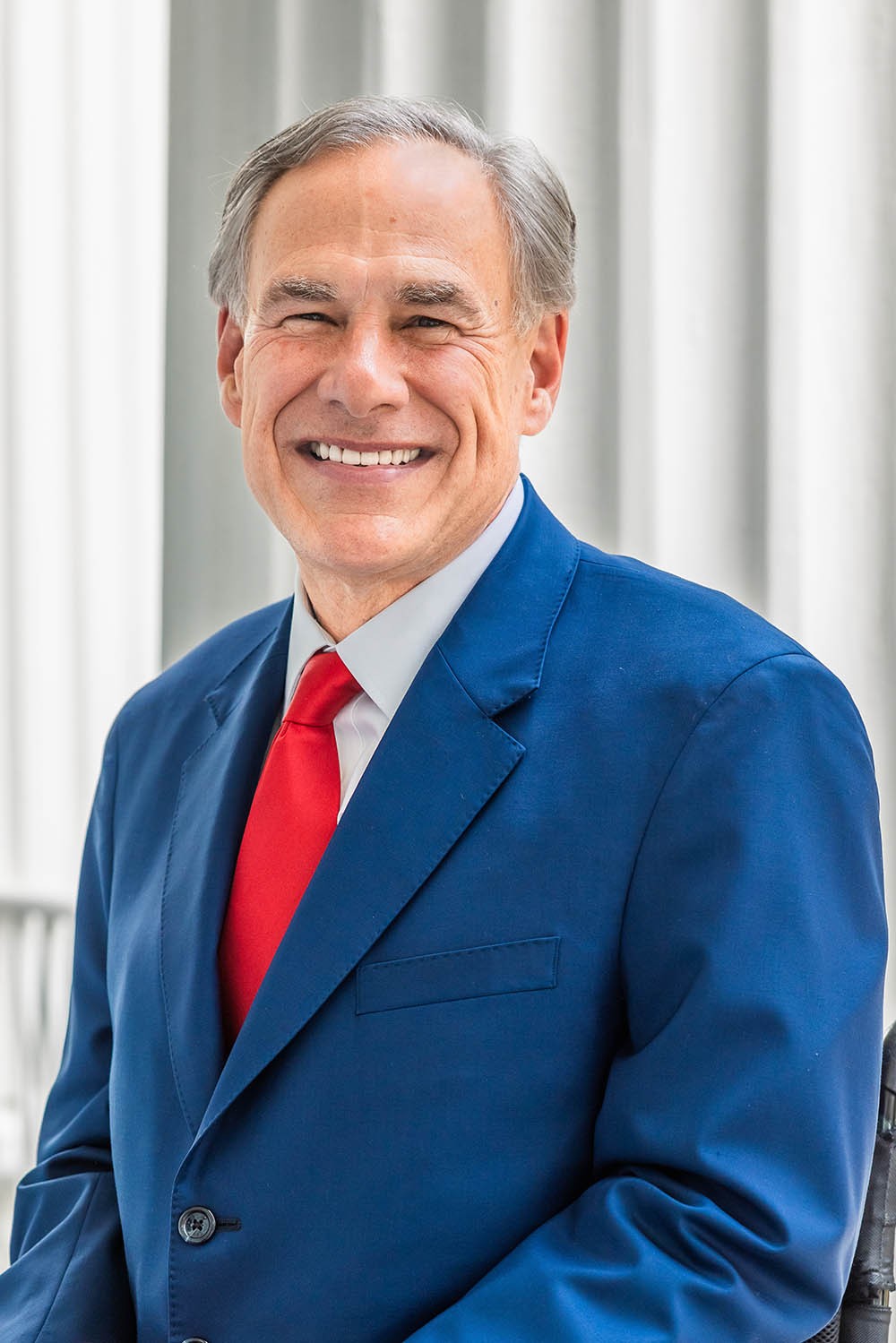
Governor Abbott’s tenure has been characterized by a focus on economic growth, job creation, and maintaining Texas’s reputation as a business-friendly state. His administration has often championed policies aimed at reducing regulations, fostering innovation, and attracting both domestic and international investment. These efforts, while primarily economic, have a ripple effect on the tourism and hospitality sectors. A robust economy means more resources for infrastructure, better services, and a generally more appealing environment for both residents and visitors. When a state thrives economically, it can invest more in its public spaces, cultural institutions, and travel amenities, making it a more attractive destination for all types of travelers, from those seeking luxury resorts to budget-conscious adventurers exploring state parks.
A Brief Political Journey and Vision
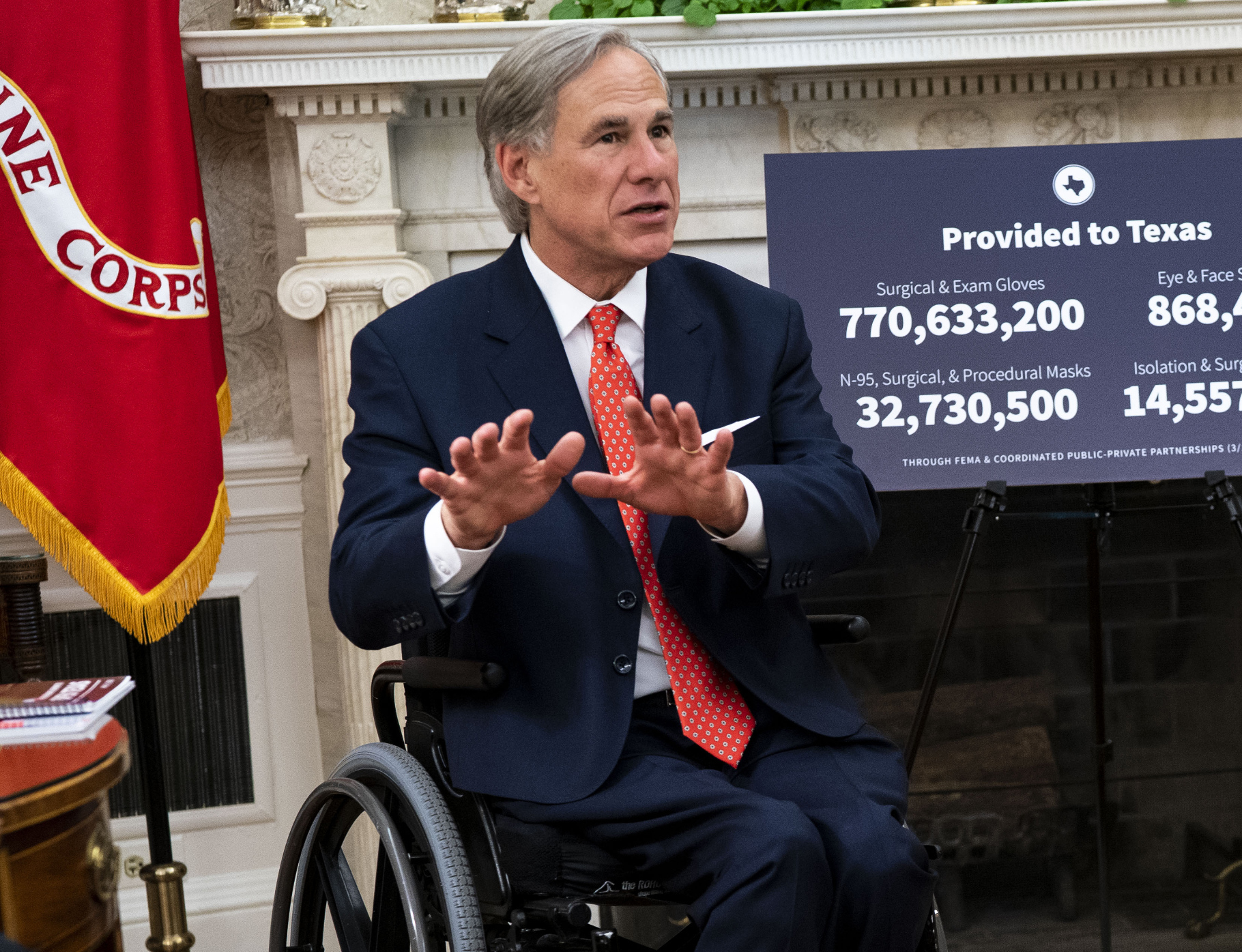
Born in Wichita Falls, Texas, Greg Abbott’s roots are firmly planted in the Lone Star State. He earned his Bachelor of Business Administration from the University of Texas at Austin and his Juris Doctor from Vanderbilt University Law School. A tragic accident during his early adult life left him paralyzed and using a wheelchair, an experience he has often spoken about as a source of strength and determination. This personal journey has undoubtedly shaped his perspective and dedication to public service.
As governor, Abbott’s vision for Texas typically encompasses several key pillars: economic prosperity, public safety, educational excellence, and individual liberty. He has often emphasized the importance of maintaining Texas’s distinct identity and fostering a competitive environment across various sectors. For the tourism industry, this vision translates into efforts to ensure Texas remains a welcoming and secure place for visitors, with diverse attractions and reliable infrastructure. His administration’s decisions on issues like transportation funding, state park management, and support for local cultural initiatives can directly impact the quality of experiences for tourists. Whether it’s the ease of travel to a remote natural landmark or the vitality of a bustling city center, the governor’s office plays a crucial, albeit indirect, role in shaping these travel experiences.

The Governor’s Mansion: A Historic Landmark
An iconic symbol of the governor’s office and a significant landmark in itself is the Texas Governor’s Mansion in Austin. This elegant Greek Revival structure, completed in 1856, stands as the fourth-oldest continuously occupied executive residence in the United States and is listed on the National Register of Historic Places. While not a public hotel or accommodation, its historical significance and architectural beauty make it a point of interest for anyone exploring the capital city. The mansion has housed every Texas governor since 1856, serving as both a private residence and a site for official state functions, hosting dignitaries and shaping political history.
The presence of such a landmark underscores Texas’s rich history and architectural heritage, which are central to its appeal as a tourist destination. Guided tours of the exterior and grounds are sometimes available, offering a glimpse into the past and the seat of gubernatorial power. Its preservation is often a point of pride and a testament to the state’s commitment to maintaining its historical assets, which in turn enhances the broader tourism landscape of Austin and Texas. These historical sites, alongside natural wonders and vibrant urban centers, contribute to the diverse range of experiences available for travelers planning their next destination.
Austin: The Heart of Texas Governance and Culture
To truly grasp the context of the Governor’s role, one must look to Austin, the capital city of Texas. Austin is not merely the political center where the governor, legislature, and state agencies operate; it’s a dynamic hub of culture, music, technology, and outdoor recreation. Often touted as the “Live Music Capital of the World,” Austin offers a unique lifestyle that blends laid-back charm with vibrant urban energy, making it a premier destination for travelers. Its distinct personality, characterized by its “Keep Austin Weird” ethos, is a testament to the city’s commitment to individuality and creativity, aspects that flourish under a stable state government.
The presence of the Texas State Capitol, an impressive architectural masterpiece made of sunset red granite, is a magnet for visitors interested in history, politics, and stunning design. It’s taller than the U.S. Capitol Building in Washington D.C. and offers free tours, providing insights into the state’s legislative process and its journey through history. Just a short distance away is the Governor’s Mansion, further cementing Austin’s status as a city where governance and tourism seamlessly intertwine.
Exploring the Capital City’s Allure
Austin’s appeal extends far beyond its political significance. The city is a haven for foodies, with a thriving culinary scene ranging from world-renowned barbecue joints and food trucks to upscale dining experiences. The live music scene, particularly along Sixth Street and the Red River Cultural District, offers nightly entertainment across various genres, attracting visitors from around the globe. Festivals like South by Southwest (SXSW) transform the city into an international stage for music, film, and interactive media, driving immense tourism and showcasing the state’s progressive lifestyle.
For those seeking outdoor adventures, Austin boasts numerous parks and natural attractions. Barton Springs Pool, a natural spring-fed pool within Zilker Park, offers a refreshing escape year-round. Lady Bird Lake provides opportunities for kayaking, paddleboarding, and scenic walks or bike rides along its extensive trails. These attractions, combined with the city’s vibrant arts scene and eclectic shopping districts, ensure that Austin offers a diverse range of experiences for every type of traveler. The state government’s commitment to urban planning and environmental protection in areas like Austin plays a vital role in preserving these appealing aspects for future generations of visitors and residents.
Accommodating Your Stay in the Capital
As a major destination and the state capital, Austin offers a wide array of accommodation options to suit every budget and preference. From luxury hotels to boutique stays, comfortable resorts, and convenient apartments, the city is well-equipped to host its millions of annual visitors. Travelers can find upscale experiences at properties like the Four Seasons Hotel Austin or the W Austin, offering premium amenities and prime locations near the city’s attractions. Mid-range options like the Hyatt Regency Austin provide excellent value with quality services, often boasting stunning views of Lady Bird Lake. For those seeking more budget-friendly choices, various chain hotels such as the Drury Inn & Suites Austin North or extended-stay apartments offer comfortable and practical solutions.
Booking platforms and local guides provide extensive reviews and comparison tools, helping travelers find the perfect fit for their stay, whether it’s for a short weekend getaway, a business trip, or a longer immersion into the Austin lifestyle. The robust competition among these establishments often leads to excellent service and a variety of unique offerings, from rooftop pools to live music venues within the hotels themselves. This thriving hospitality sector is supported by a stable state economy and policies that encourage business growth, which are priorities for the Governor’s administration.
The Governor’s Influence on Texas Travel and Tourism
While a governor’s office might seem primarily focused on legislative and administrative duties, the decisions made at the state level have significant, though often indirect, impacts on the travel and tourism industries. Governor Greg Abbott’s administration, like those before it, plays a crucial role in shaping the environment that allows tourism to flourish. This includes everything from funding for state parks and historical sites to promoting Texas as a premier travel destination on a national and international scale.
A strong, stable state government is essential for investing in the infrastructure that supports tourism: well-maintained roads connecting distant attractions, efficient public transportation in major cities, and modern airports that facilitate easy access to the state. Furthermore, policies related to public safety, environmental protection, and cultural preservation directly contribute to the overall appeal and sustainability of Texas as a tourist destination. A governor’s stance on these issues can either enhance or hinder the state’s ability to attract and retain visitors.
Preserving Texas Landmarks and Natural Wonders
Texas is home to an incredible array of landmarks and natural wonders, from vast deserts to rolling hills, stunning coastlines, and intricate cave systems. The state government, under the leadership of the governor, is responsible for overseeing the Texas Parks and Wildlife Department, which manages state parks, historic sites, and wildlife management areas. Funding decisions and strategic planning from the governor’s office directly influence the accessibility, maintenance, and interpretive programs available at these locations.
For instance, the majestic landscapes of Big Bend National Park in West Texas or the dramatic peaks of Guadalupe Mountains National Park are jewels in the state’s crown. While these are federal parks, state-level initiatives can support surrounding communities, access roads, and complementary state parks. Similarly, historical landmarks like The Alamo in San Antonio receive significant state support for preservation and educational programming, ensuring that these vital pieces of Texas history remain accessible and engaging for visitors. The governor’s commitment to preserving these assets is critical for sustaining heritage tourism and promoting an appreciation for Texas’s unique natural and cultural legacy.
Promoting Texas as a Premier Destination
Beyond preservation, the governor’s administration actively engages in marketing and promotion to position Texas as a top travel destination. The “Texas Tourism” initiative, often supported by state funding and directed by agencies under the executive branch, develops campaigns to showcase the state’s diverse offerings. These campaigns target various segments of travelers, highlighting everything from luxury resorts along the Gulf Coast to family-friendly attractions in urban centers like Houston and Dallas, and outdoor adventure opportunities in the Hill Country and beyond.
The economic impact of tourism is substantial for Texas, generating billions of dollars in revenue and supporting hundreds of thousands of jobs across the hospitality, retail, and entertainment sectors. The governor’s office understands this vital contribution and often advocates for policies that foster a welcoming environment for businesses and tourists alike. By supporting events, facilitating conventions, and ensuring a positive brand image for the state, the governor plays a key role in driving visitor numbers and enriching the travel experience in Texas.
Beyond Austin: Diverse Texas Destinations
While Austin is the political and cultural heart, Texas is a sprawling state with an incredible variety of destinations, each offering its own unique appeal and lifestyle. From bustling metropolises to charming small towns and breathtaking natural landscapes, Texas truly has something for everyone. The state’s vastness means that travel experiences can vary dramatically, from the cosmopolitan luxury of its major cities to the rugged, budget-friendly adventures of its western deserts. The overall governance from Austin provides a foundational stability that allows these diverse regions to thrive and continue attracting visitors.
From Coastal Escapes to Urban Jungles
Houston, the largest city in Texas, is an international hub known for its energy industry, diverse culinary scene, and cultural institutions like the Museum District and NASA Johnson Space Center. It offers a vibrant urban experience with world-class accommodation options, from luxury high-rise hotels to stylish boutique apartments. Dallas, another major economic powerhouse, boasts sophisticated shopping, a thriving arts scene centered around the Dallas Arts District, and iconic landmarks like Reunion Tower. Both cities provide extensive choices for dining, entertainment, and business stays.
Further south, San Antonio offers a rich blend of history and culture, most famously known for The Alamo and the picturesque River Walk, a network of pedestrian pathways along the San Antonio River lined with shops, restaurants, and hotels. It’s a prime destination for family trips and those interested in historical tourism. Fort Worth, Dallas’s neighbor, embraces its Western heritage with the historic Stockyards National Historic District, offering rodeos, cattle drives, and a taste of cowboy lifestyle.
For beach lovers, the Texas Gulf Coast provides scenic escapes. Galveston Island offers historic architecture, sandy beaches, and family-friendly attractions like Moody Gardens and Pleasure Pier. Further south, South Padre Island is famous for its pristine beaches, vibrant nightlife, and exceptional birdwatching opportunities, making it a popular choice for both spring breakers and nature enthusiasts. Each of these diverse destinations benefits from state-level infrastructure development and promotional efforts, underscoring the governor’s wide-ranging impact.
Experiencing the Texas Lifestyle
The lifestyle in Texas is as varied as its geography. You can experience the high-octane luxury travel of urban penthouses and exclusive resorts, complete with gourmet dining and designer shopping. Alternatively, budget travelers can find immense value in exploring state parks, camping under vast skies in Big Bend, or enjoying delicious, affordable Tex-Mex cuisine from local eateries. Family trips are well-catered for, with theme parks, zoos, and interactive museums scattered across the state, alongside plenty of wide-open spaces for outdoor adventures.
For business stays, cities like Houston, Dallas, and Austin offer world-class convention centers, corporate accommodations, and networking opportunities. The robust economy and business-friendly policies, championed by Governor Abbott’s administration, create an attractive environment for corporate travel and events. Whether you’re seeking a quiet retreat in the Hill Country wine region, a historical immersion in San Antonio, or a thrilling urban adventure, Texas offers a spectrum of experiences that cater to every taste and travel style, all thriving within the framework of state governance.
In conclusion, Governor Greg Abbott currently leads the state of Texas, overseeing an administration that shapes everything from economic policy to infrastructure development and cultural preservation. While his role is primarily political, its ripple effects are felt throughout the state’s vibrant tourism industry, impacting travel destinations, accommodation options, the preservation of landmarks, and the diverse lifestyles that make Texas such a compelling place to visit and explore. Understanding the governor’s office provides a deeper appreciation for the forces that continue to make Texas a truly unique and multifaceted travel destination.
LifeOutOfTheBox is a participant in the Amazon Services LLC Associates Program, an affiliate advertising program designed to provide a means for sites to earn advertising fees by advertising and linking to Amazon.com. Amazon, the Amazon logo, AmazonSupply, and the AmazonSupply logo are trademarks of Amazon.com, Inc. or its affiliates. As an Amazon Associate we earn affiliate commissions from qualifying purchases.