
When planning a trip to a vibrant metropolis like New York City, it’s natural to focus on the iconic landmarks, world-class dining, and endless entertainment options. However, beneath the dazzling facade of the Big Apple, a complex administrative structure works tirelessly to ensure the city not only functions but thrives as a global travel hub. At the helm of this monumental task is the Mayor of New York City, a figure whose policies and vision profoundly shape the visitor experience, from the safety of its streets to the accessibility of its attractions.
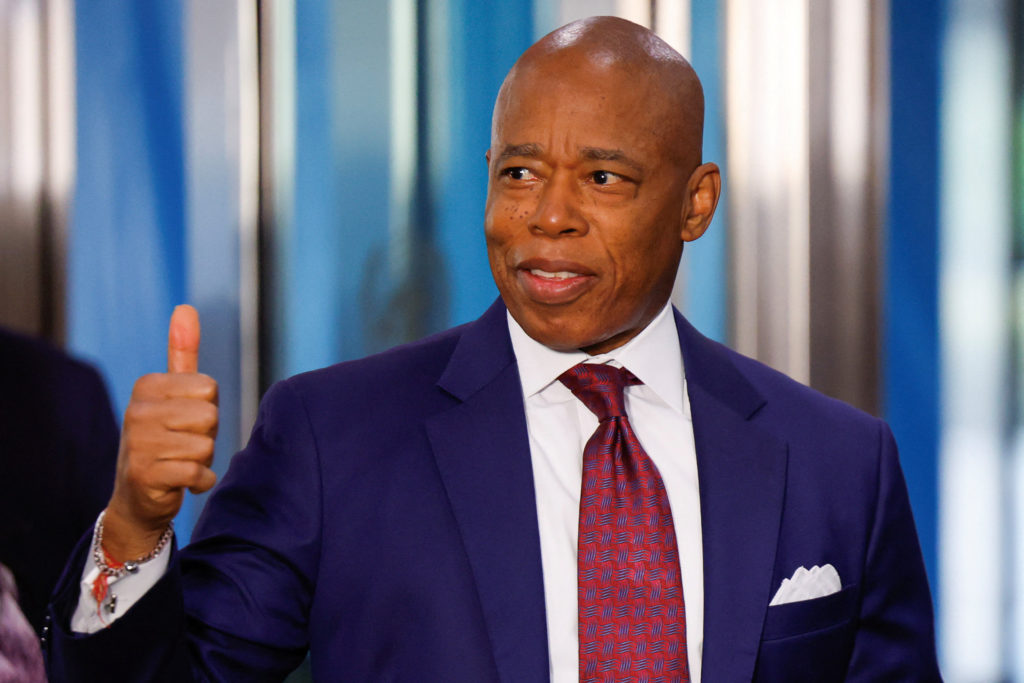
Currently, the Mayor of New York City is Eric Adams, who took office on January 1, 2022. A former police captain and Brooklyn Borough President, Mayor Adams’ administration has placed a strong emphasis on public safety, economic recovery, and making the city more equitable and efficient. But why does a travel website delve into local politics? Because the mayor’s influence extends far beyond mere governance; it directly impacts the very fabric of the city that millions of tourists come to explore each year. From the upkeep of public parks to the promotion of cultural events, and from the security of transit systems to the support for local businesses, the mayor’s office plays a pivotal role in crafting the unforgettable journey that defines a New York City vacation. Understanding this connection helps visitors appreciate the intricate balance that makes New York City one of the most dynamic and welcoming destinations in the United States.

The Mayor’s Role in Shaping a Global Travel Hub
New York City doesn’t just happen; it’s meticulously managed and constantly evolving, with the mayor’s office acting as the primary orchestrator of its vast operations. For travelers, this leadership translates into tangible impacts on their trip quality and overall perception of the city. The decisions made at City Hall can influence everything from the ease of navigating the subway system to the vibrancy of its neighborhoods and the safety you feel while exploring them.
The mayor’s responsibilities are broad, covering a spectrum of services and initiatives vital to both residents and visitors. These include overseeing the police department (NYPD), fire department (FDNY), sanitation services, parks and recreation, public transportation coordination, and economic development. Each of these areas, seemingly bureaucratic, has a direct bearing on the visitor experience. A safe, clean, and well-maintained city is a welcoming city, and these aspects are often the result of mayoral directives and budgetary allocations. The mayor also acts as the city’s chief ambassador, often promoting New York on the global stage, attracting major events, conferences, and, critically, tourists. Initiatives like “Broadway Week” or “Restaurant Week,” while often collaborations with tourism boards, receive crucial governmental support and endorsement to flourish, demonstrating the administration’s commitment to supporting key sectors of the travel and hospitality industry.
Ensuring Safety and Accessibility for Every Visitor
One of the foremost concerns for any traveler is personal safety and the ease with which they can navigate their destination. In a city of nearly 8.5 million people and millions more annual tourists, maintaining public order and efficient infrastructure is a colossal undertaking. The mayor’s leadership directly influences these critical factors. Mayor Eric Adams, with his background in law enforcement, has prioritized public safety, implementing strategies aimed at reducing crime rates and ensuring a visible police presence in key tourist areas like Times Square, Central Park, and the subway system. Enhanced safety measures contribute significantly to a traveler’s peace of mind, allowing them to explore the city’s diverse offerings without undue worry.
Beyond safety, accessibility is paramount. The mayor’s office works in conjunction with agencies like the MTA (Metropolitan Transportation Authority) to improve the city’s public transit network, which is the lifeblood for millions, including tourists. Investments in subway station upgrades, new bus routes, and initiatives to make public transport more accessible for individuals with disabilities are ongoing efforts that directly benefit visitors. Similarly, the Department of Transportation oversees street conditions, bike lanes (Citi Bike expansion), and pedestrian-friendly zones, all of which enhance the ease and enjoyment of exploring New York City on foot or by alternative means. For example, the pedestrianization of areas around Times Square and the creation of the High Line park were city-backed projects that dramatically reshaped urban spaces for public enjoyment.
Fostering Cultural Vibrancy and Iconic Landmarks
New York City’s allure is inextricably linked to its rich cultural scene and its array of world-famous landmarks. The mayor and the city administration play a vital role in preserving, promoting, and developing these assets. From supporting world-renowned institutions like the Metropolitan Museum of Art, the Museum of Modern Art (MoMA), and Broadway theaters to funding smaller community arts initiatives, the mayor’s office helps cultivate the cultural ecosystem that draws millions. The city often provides grants, tax incentives, and administrative support to arts organizations, ensuring that the lights of Broadway continue to shine and that museums remain accessible.
Iconic landmarks like the Statue of Liberty, Empire State Building, and Brooklyn Bridge are not merely historical structures; they are dynamic attractions that require ongoing maintenance, security, and promotion. While some are federally protected (Statue of Liberty and Ellis Island are under the National Park Service), many are municipal assets or privately owned but subject to city regulations and support. The mayor’s office often collaborates with private developers on projects like Hudson Yards or the redevelopment around the 9/11 Memorial & Museum, ensuring they integrate seamlessly into the urban fabric and enhance the city’s appeal. Furthermore, the city’s parks department, overseen by the mayor, is responsible for the pristine condition of Central Park, Prospect Park, and countless other green spaces that serve as vital escapes for both residents and visitors.
Navigating New York City: Policies That Impact Your Stay
Understanding the mayor’s influence can help travelers better navigate New York City, not just physically but also in terms of experiencing its true essence. Policies around urban infrastructure, public health, and local business support all contribute to the day-to-day reality of the city, which in turn shapes a visitor’s journey. From the moment you arrive at one of the city’s major airports to your final dinner in a bustling neighborhood, mayoral policies are at play.
The mayor’s economic development agenda, for instance, often focuses on supporting small businesses and specific industries, including hospitality and tourism. This support can manifest in various ways, from streamlining licensing for new restaurants to promoting local markets and artisanal shops. A thriving local economy, fostered by city policies, means more authentic experiences for travelers seeking to immerse themselves in New York’s unique character. Similarly, initiatives for urban cleanliness, managed by the Department of Sanitation, ensure that public spaces, from sidewalks to plazas, are welcoming and pleasant to traverse, a seemingly small detail that significantly impacts overall visitor satisfaction.
Public Transportation and Urban Infrastructure
New York’s identity is deeply intertwined with its public transportation system. The subway, buses, and ferries (including the popular NYC Ferry) are essential for both residents and tourists alike. While the MTA is a state agency, the city government, under the mayor, works closely with the state to advocate for funding, operational improvements, and service expansions that benefit millions. Projects like extending the Second Avenue Subway or improving station accessibility are long-term endeavors that require significant political will and city-state cooperation, heavily influenced by the mayor’s agenda.
Beyond daily commutes, the city’s infrastructure projects have a profound impact on its urban landscape and visitor appeal. The construction of new parks, waterfront promenades (such as those along the Hudson River and East River), and pedestrian bridges all enhance the city’s walkability and offer new vantage points for sightseeing. Think of the transformation of former industrial areas into vibrant public spaces like Brooklyn Bridge Park or the revitalization around Governors Island. These projects, often spearheaded or strongly supported by the mayor’s office, turn previously inaccessible or underutilized areas into prime attractions, offering new experiences for repeat visitors and first-timers alike.
The Culinary Scene and Local Businesses
One of the greatest joys of visiting New York City is its unparalleled culinary scene, boasting everything from Michelin-starred restaurants to diverse street food vendors. The mayor’s office and associated city agencies play a crucial role in regulating and supporting this vibrant industry. Policies related to outdoor dining, street vending permits, and food safety standards directly impact the availability and quality of dining options for tourists. During the pandemic, for example, the city’s swift implementation of outdoor dining programs, heavily supported by the mayor’s administration, was critical in keeping thousands of restaurants afloat and offering a safe way for visitors to enjoy New York’s gastronomic delights.
Furthermore, city initiatives to promote local businesses and distinct neighborhood cultures are integral to the authentic travel experience. From the bustling markets of Chinatown and Little Italy to the trendy boutiques of SoHo and the historic storefronts of Greenwich Village, these unique commercial districts thrive with city support. The mayor’s office often collaborates with business improvement districts (BIDs) to ensure these areas remain attractive, safe, and clean for both residents and visitors, fostering the distinct charm that makes each New York neighborhood a destination in itself. By supporting a diverse array of local enterprises, the city ensures that its appeal isn’t just about the grand landmarks but also about the intimate, local experiences that visitors cherish.
Planning Your New York Adventure with an Informed Perspective
Armed with an understanding of the mayor’s significant role, travelers can plan their New York City adventure more strategically and deeply appreciate the efforts that go into making their visit extraordinary. Thinking beyond the superficial attractions to consider the underlying governance and civic pride can enrich the travel experience, turning a simple trip into a more insightful journey. Knowing that safety initiatives are being implemented, that infrastructure is constantly being improved, and that cultural institutions receive vital support allows visitors to engage with the city on a more informed level.
The mayor’s office, often in collaboration with organizations like New York City Tourism + Conventions, also promotes major city-wide events that are huge draws for tourists. From the New Year’s Eve ball drop in Times Square to the Macy’s Thanksgiving Day Parade and the St. Patrick’s Day Parade, these events are civic spectacles that require immense logistical planning and coordination, often directly involving mayoral directives and city agency support to ensure safety and smooth execution.
Choosing Your Accommodation: From Luxury to Budget-Friendly
The accommodation landscape in New York City is vast and varied, ranging from opulent suites at the Ritz-Carlton Central Park or The Plaza Hotel to more budget-conscious options like Arlo Hotels or Pod Hotels, as well as numerous boutique hotels and short-term rentals. The city government, under the mayor, plays a role in regulating this sector, particularly concerning issues like zoning, safety codes, and short-term rental laws. For instance, debates and regulations surrounding platforms like Airbnb are often fiercely contested at the city level, impacting the availability and legality of certain types of accommodations for travelers.
Understanding these regulations, or simply being aware that they exist, can help travelers make informed choices. For long-term stays or those seeking a more local experience, understanding the city’s stance on apartment rentals can be crucial. Conversely, for those who prefer traditional hotels, city policies that support hotel development and ensure high safety standards provide reassurance. The mayor’s focus on economic recovery post-pandemic has also included efforts to revive the hotel industry, which in turn means more competitive pricing and a wider array of choices for visitors across all five boroughs: Manhattan, Brooklyn, Queens, The Bronx, and Staten Island.
Experiencing New York’s Diverse Lifestyles
New York City is a mosaic of diverse lifestyles, and the mayor’s policies often aim to foster inclusivity and support the unique character of each community. Whether you’re looking for luxury travel experiences along Fifth Avenue, budget-friendly explorations in the Lower East Side, or family-friendly activities at the Bronx Zoo and the New York Botanical Garden, the city’s leadership influences the environment in which these lifestyles flourish. Mayoral initiatives supporting community events, neighborhood cleanups, and public art projects contribute to the distinct atmosphere of areas like Harlem, the Financial District, or DUMBO in Brooklyn.
For business travelers, the mayor’s focus on economic stability and international engagement is particularly relevant. New York remains a global financial and diplomatic capital, home to Wall Street, the United Nations Headquarters, and numerous corporate headquarters. Policies that ensure efficient transportation, robust public services, and a secure environment are crucial for fostering a conducive atmosphere for international business. The mayor’s involvement in promoting city events, conventions, and trade shows also directly impacts the vibrancy of the business travel sector. Essentially, the mayor sets the tone for the city, influencing whether it remains a magnet for talent, investment, and, consequently, a diverse array of visitors.
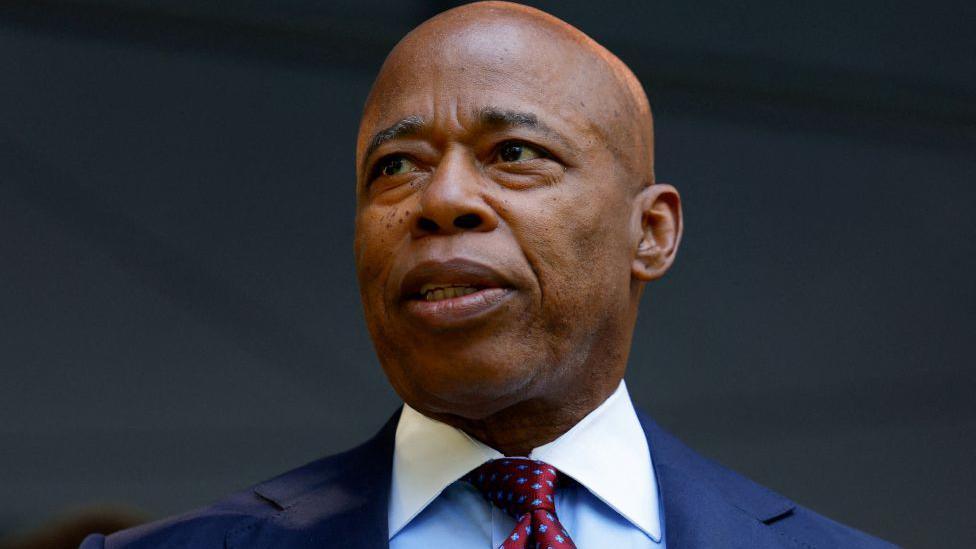
The role of the Mayor of New York City, currently Eric Adams, is undeniably complex and far-reaching. While most tourists might not consciously think about municipal governance during their travels, the impact of mayoral decisions is evident in nearly every aspect of their New York City experience. From the bustling streets of Manhattan to the serene paths of Central Park, and from the iconic silhouette of the Empire State Building to the vibrant dining scenes across the boroughs, the mayor’s vision and administrative efforts are fundamental to maintaining and enhancing the city’s status as a premier global travel destination. So, as you plan your next adventure to the Big Apple, remember that the city’s leader is a silent partner in crafting your unforgettable journey.
LifeOutOfTheBox is a participant in the Amazon Services LLC Associates Program, an affiliate advertising program designed to provide a means for sites to earn advertising fees by advertising and linking to Amazon.com. Amazon, the Amazon logo, AmazonSupply, and the AmazonSupply logo are trademarks of Amazon.com, Inc. or its affiliates. As an Amazon Associate we earn affiliate commissions from qualifying purchases.