
The name “Boston Strangler” conjures images of a chilling chapter in American criminal history, a spectral presence that once haunted the streets of Boston, Massachusetts. While the details of the case are rooted in true crime, its enduring legacy has interwoven itself with the very fabric of this historic city, shaping its narratives and offering a unique, if somber, lens through which to explore its past. For travelers drawn to stories that delve beyond the picturesque, understanding the “Boston Strangler” saga provides a profound insight into the social history and psychological landscape of a vibrant metropolis during a period of unsettling fear. This article aims to unravel the mystery of the Boston Strangler, not merely as a crime story, but as a significant event that contributed to the rich, multifaceted history of Boston, a destination brimming with historical landmarks, cultural attractions, and captivating experiences for every kind of visitor.
The case, which gripped the nation in the early 1960s, saw a series of murders that terrorized the female population of greater Boston. Each incident was marked by a disturbing pattern, leading authorities and the public to believe a single perpetrator was responsible. The fear was palpable, altering the lifestyle and daily routines of Bostonians, particularly women living alone. It was a time when the city, famous for its revolutionary past and intellectual vigor, found itself under a shadow of unprecedented anxiety. As we journey through the history of this notorious case, we’ll also discover how Boston has processed and preserved these memories, transforming them into a part of its historical identity, much like its famed battlegrounds and architectural wonders. This dual perspective offers a unique travel experience, inviting visitors to reflect on the city’s layers of history, from its foundational moments to its more troubling episodes, all while enjoying the modern amenities and attractions that make Boston a premier travel destination.
Unraveling a Boston Mystery: A Journey Through History
The saga of the Boston Strangler remains one of the most enigmatic and debated true crime cases in the United States. Between June 1962 and January 1964, thirteen single women, ranging in age from 19 to 85, were murdered in the Boston area. The victims were found in their apartments, often sexually assaulted and strangled with items of their own clothing. The lack of forced entry in many cases led to speculation that the victims knew their assailant or willingly let him in, fueling widespread paranoia and distrust. This harrowing series of events cast a long shadow over the city, transforming the collective consciousness of its residents and prompting a critical examination of urban safety and community vigilance. For those interested in the darker threads of urban history, the period offers a chilling, yet compelling, case study.
The investigation itself was sprawling and often chaotic, involving multiple police departments across different jurisdictions. The pressure to apprehend the perpetrator was immense, leading to numerous false leads, widespread public fear, and intense media scrutiny. The case became a defining moment for criminal psychology and forensic science of its time, pushing the boundaries of investigative techniques. Even decades later, the narrative continues to captivate, drawing historians, criminologists, and curious travelers alike to explore the historical context in which these tragic events unfolded. It’s a journey into a past where the charming cobblestone streets and historic brownstones of Boston harbored a profound sense of insecurity, a stark contrast to the vibrant, welcoming atmosphere of today’s tourist hubs like Faneuil Hall and Quincy Market. Understanding this historical backdrop enhances one’s appreciation of Boston’s resilience and its ongoing commitment to creating safe and enjoyable experiences for all its visitors, whether they’re staying in luxury suites or budget-friendly apartments.

The City of Boston in the 1960s: A Backdrop to Fear
To fully grasp the impact of the Boston Strangler, one must first understand the city itself in the early 1960s. Boston was a city undergoing significant transformation. While retaining its deep historical roots and colonial charm, particularly in areas like Beacon Hill with its gas lamps and brick sidewalks, and the bustling North End, it was also a hub of academic excellence and burgeoning urban renewal. Neighborhoods like Back Bay showcased elegant Victorian architecture, while the South End was a more diverse, working-class area. The city was a mix of old-world charm and burgeoning modernity, a place where traditional New England values coexisted with a growing cosmopolitan outlook.
This diverse urban landscape, however, became the stage for widespread terror. The crimes didn’t discriminate by neighborhood or social status, striking victims from varied backgrounds across different parts of the metropolitan area, including suburban towns. This randomness intensified the fear, as no one felt truly safe. The typical lifestyle of Bostonians was profoundly affected; women were advised not to walk alone, to lock their doors, and to be wary of strangers. Social interactions shifted, and a sense of unease permeated daily life. For visitors today, exploring these same neighborhoods—Beacon Hill’s picturesque streets, the vibrant Italian culture of the North End, or the architectural grandeur of Back Bay—offers a unique opportunity to connect with this layered history. One can reflect on how the vibrant public spaces now enjoyed for tourism, from the Boston Common to the Public Garden, once stood in stark contrast to the private terrors of a city under siege. Many hotels and accommodation options today provide a safe and luxurious retreat, but they stand on ground steeped in diverse histories, inviting deeper reflection during your stay.

The Investigation and the Man: Albert DeSalvo and the Lingering Doubts
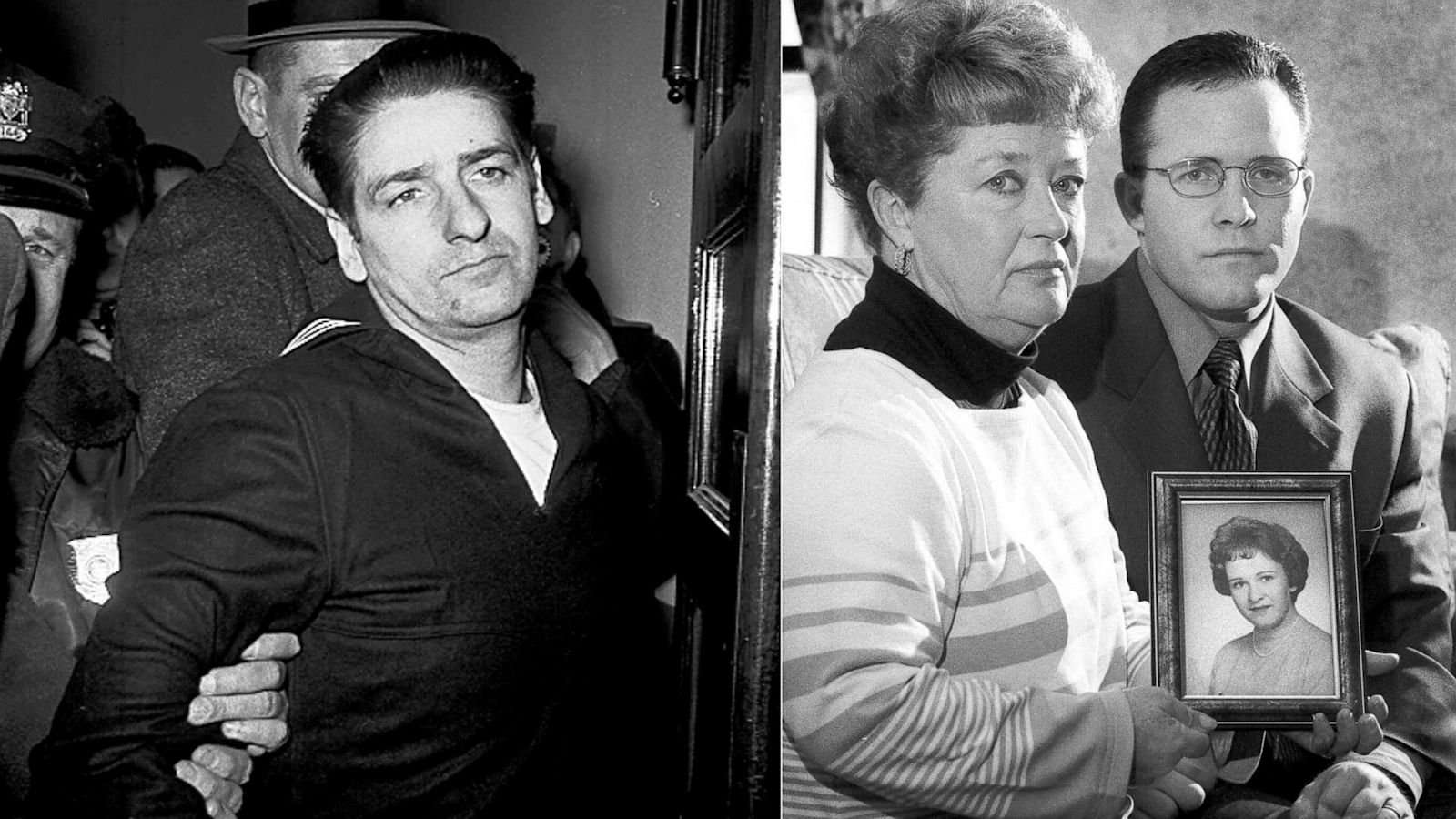
The turning point in the Boston Strangler case arrived in October 1964 with the arrest of Albert DeSalvo. A petty criminal with a history of sexual offenses, DeSalvo was initially apprehended for a series of unrelated sexual assaults, earning him the moniker “The Green Man” or “The Measuring Man” for his modus operandi of gaining entry to women’s apartments under false pretenses. While incarcerated for these crimes, DeSalvo astonishingly confessed to being the Boston Strangler. His detailed confession, reportedly made to fellow inmate George Nassar, who then relayed it to his attorney F. Lee Bailey, contained specific information about the murder scenes that had not been publicly released, lending credibility to his claims.
However, DeSalvo was never actually tried for the Strangler murders. Instead, he was convicted for the earlier series of sexual assaults and sentenced to life imprisonment. The lack of direct physical evidence connecting him to all the strangulation victims, coupled with subsequent retractions and inconsistencies in his confession, left many with lingering doubts. Was DeSalvo truly the sole perpetrator, or was he a serial confessor, perhaps taking credit for crimes he didn’t commit? This uncertainty fueled decades of debate, captivating public imagination and spawning numerous books, documentaries, and films that continue to explore the nuances of the case. For visitors fascinated by criminal justice and forensic history, this aspect of the Boston Strangler narrative offers a complex and thought-provoking examination of a legal and investigative quagmire, one that reflects the evolving understanding of criminal profiling and evidence. Modern Boston offers many institutions for scholarly exploration, from Harvard University to MIT, where discussions about such historical cases continue to thrive, even if informally.
A Legacy of Intrigue: Boston’s Enduring Fascination with the Case
The Boston Strangler case, despite its partial resolution with Albert DeSalvo’s confession, has never truly found closure in the public consciousness. This enduring intrigue is deeply embedded in Boston’s cultural fabric, shaping a unique aspect of its historical narrative. The ambiguity surrounding DeSalvo’s guilt for all 13 murders, coupled with theories of multiple killers and conspiracy, has sustained public debate for over half a century. It’s a story that epitomizes the complexities of criminal justice and the human desire for definitive answers.
The case has been immortalized in various forms of media, from a classic 1968 film starring Tony Curtis as DeSalvo, to numerous books, documentaries, and more recently, a 2023 film starring Keira Knightley focusing on the investigative journalists who broke the story. These artistic interpretations have not only kept the story alive but have also contributed to Boston’s image as a city with a rich, albeit sometimes dark, past. For true crime enthusiasts and those interested in cultural history, this aspect of Boston presents a compelling reason to visit. While official “Strangler tours” don’t typically exist, an informed traveler can undertake their own historical exploration, perhaps visiting public archives, libraries, or walking through the historic neighborhoods that were once gripped by fear. Modern Boston embraces its layered history, allowing visitors to delve into its past while enjoying its present. Many boutique hotels offer a historical ambiance, blending modern luxury with a sense of the past, creating unique experiences that cater to a nuanced lifestyle of travel.
The most significant development in recent years came in 2013, when DNA evidence definitively linked Albert DeSalvo to the last of the 13 victims, Mary Sullivan. This breakthrough, made possible by advancements in forensic technology, offered a partial resolution to a decades-old mystery, confirming DeSalvo’s involvement in at least one of the Strangler cases. While it didn’t definitively close all the cases or silence all the conspiracy theories, it provided a powerful testament to the enduring pursuit of justice and the evolving capabilities of science. This scientific closure, however partial, has only added another layer to the narrative, making the Boston Strangler case a fascinating point of interest for anyone exploring the city’s landmarks and historical footprint, inviting reflection on how a city confronts and ultimately integrates its most challenging memories.
Exploring Boston Today: Beyond the Shadows
While the story of the Boston Strangler is a compelling chapter in the city’s history, it represents only a small facet of what makes Boston a world-class travel destination. Today, Boston stands as a vibrant, dynamic city that expertly blends its profound historical significance with cutting-edge modernity. It’s a city that promises a rich tapestry of experiences, from exploring revolutionary landmarks to indulging in gourmet cuisine, enjoying world-renowned arts and culture, and experiencing the thrill of professional sports. For any traveler, Boston offers an unparalleled journey through American heritage, academic excellence, and a lively contemporary lifestyle.
When planning a trip, the variety of accommodation in Boston caters to every preference and budget. Luxury travelers can choose from opulent suites in historic Back Bay hotels or charming boutique properties in Beacon Hill that offer personalized service and exquisite amenities. For family trips or longer stays, serviced apartments and private villas provide the comfort and convenience of home. Budget travelers will find a range of comfortable and affordable hotels, hostels, and guesthouses throughout the city and in neighboring Cambridge, ensuring that an enriching Boston experience is accessible to everyone. Booking in advance, especially for peak seasons, is always a wise tip to secure the best rates and availability.
Essential Boston Landmarks and Experiences
No visit to Boston is complete without immersing oneself in its iconic landmarks. The Freedom Trail, a 2.5-mile red-lined path, guides visitors through 16 historically significant sites, including the Massachusetts State House, Paul Revere House, Old North Church, and the Bunker Hill Monument. Each step along this trail tells a story of the American Revolution, making it an essential experience for history buffs.
Beyond the Freedom Trail, the city boasts world-class museums such as the Museum of Fine Arts, home to an encyclopedic collection of art, and the unique Isabella Stewart Gardner Museum, a Venetian palace housing a spectacular private collection. Sports enthusiasts can catch a game at Fenway Park, America’s Most Beloved Ballpark and home to the Boston Red Sox, an experience that embodies the city’s passionate local culture. The Boston Common and Public Garden offer serene green spaces for relaxation, perfect for a stroll or a swan boat ride.
When it comes to tourism and local culture, Boston’s culinary scene is a highlight. Indulge in classic New England clam chowder, fresh lobster rolls, and delicious Italian pastries in the North End. The city’s vibrant food scene caters to all tastes, from casual eateries in Quincy Market to upscale dining experiences.
Planning Your Boston Stay: Practical Tips
To make the most of your Boston adventure, consider visiting during the spring or fall for pleasant weather and beautiful foliage, avoiding the summer crowds. The city is incredibly walkable, but its public transportation system, affectionately known as the “T”, offers an efficient way to navigate between major attractions. A CharlieCard or CharlieTicket provides easy access to buses and subway lines.
For unique experiences, consider a Whale Watching tour from the Boston Harbor into the Atlantic Ocean, offering incredible sightings of marine life. Harbor Cruises provide stunning skyline views and historical narration, while kayaking on the Charles River offers a different perspective of the city and Cambridge. Whether you’re planning a family trip, a business stay, or a solo exploration, Boston delivers a plethora of activities and guides to enhance your visit. Accommodation reviews can help you compare options, whether you’re seeking a grand resort or a cozy long-term apartment.
In conclusion, while the dark historical chapter of the Boston Strangler remains a poignant part of the city’s narrative, it is but one thread in a rich tapestry. Boston today is a destination that captivates with its blend of historical grandeur, cultural vibrancy, and modern amenities. It invites travelers to delve into its complex past, celebrate its present, and look forward to its future, all while offering an unforgettable experience. From the historic landmarks to the luxurious hotels, and the diverse culinary scene, Boston promises a journey that is as enlightening as it is enjoyable, allowing visitors to craft their perfect travel story.