
For countless travelers worldwide, the name Marriott Hotel evokes images of comfortable stays, luxurious escapes, and seamless travel experiences. From bustling city centers to serene beachfront resorts, Marriott International has become synonymous with global hospitality. However, the question of “who truly owns” such a vast and iconic enterprise is more nuanced than a simple name or individual. Unlike a family-run boutique hotel or a sole proprietorship, Marriott International operates on a grander, publicly traded scale, meaning its ownership is distributed among a multitude of investors. Yet, behind this corporate structure lies a rich history rooted in the vision of a pioneering family whose influence continues to shape its identity and ethos.
This article delves into the intricate ownership structure of Marriott International, exploring its journey from humble beginnings to its status as a global leader in accommodation. We will uncover the foundational legacy of the Marriott family, understand what it means for a company of this magnitude to be publicly owned, and highlight the diverse portfolio of brands that make it a ubiquitous presence in the travel world. For anyone booking a stay, exploring new destinations, or simply curious about the titans of tourism, understanding the ownership dynamics of Marriott International provides valuable insight into the forces that drive the modern hospitality industry.
The Legacy Behind the Name: Unraveling Marriott’s Ownership Structure
The story of Marriott International is a classic American success tale, beginning with a vision, hard work, and an unwavering commitment to customer satisfaction. While today it’s a global conglomerate, its origins are far more modest, laying the groundwork for the ownership structure we see today.
From Root Beer Stand to Global Empire: The Marriott Family’s Vision
The narrative of Marriott International begins not with hotels, but with a simple A&W root beer stand opened in 1927 in Washington D.C. by J. Willard Marriott and his wife, Alice Marriott. Recognizing the potential for expansion, especially by serving hot food to travelers in the cold D.C. winters, they soon transformed their stand into a chain of restaurants known as Hot Shoppes. Their entrepreneurial spirit and dedication to quality quickly made Hot Shoppes a local favorite and a burgeoning business.
The logical progression from serving travelers food to providing them with a place to rest led the Marriott family into the lodging business in 1957 with the opening of their first motor hotel in Arlington, Virginia – the Twin Bridges Marriott Motor Hotel. This marked the official birth of their hospitality empire. From that point, the company grew steadily, driven by innovative concepts and a deep understanding of traveler needs.
Initially, the company was a privately held entity, entirely owned and controlled by the Marriott family. However, as the business expanded and required significant capital for ambitious growth, particularly in the competitive hotel market, the strategic decision was made to become a publicly traded company. This transformation allowed Marriott International to raise funds from the broader investment community, fueling its rapid global expansion and establishing its presence across numerous continents. This shift fundamentally altered the traditional notion of a single “owner.”
A Publicly Traded Powerhouse: Shareholder Ownership
Today, Marriott International is listed on the NASDAQ stock exchange under the ticker symbol MAR. This means that the company is “owned” by its shareholders. When you purchase shares of Marriott International stock, you become a fractional owner of the company, entitled to a share of its profits (through dividends) and a say in its governance (through voting rights at shareholder meetings).
This distributed ownership model is typical for large corporations. No single individual or even the Marriott family – despite their considerable influence and historical significance – can be pointed to as the sole owner. Instead, millions of shares are held by a diverse group of investors globally. These include:
- Institutional Investors: Large investment firms, mutual funds, pension funds, and hedge funds often hold significant blocks of shares on behalf of their clients or members. These entities, like Vanguard or BlackRock, frequently hold substantial stakes in major public companies, making them significant, albeit indirect, owners.
- Individual Investors: Everyday people who buy shares through brokerage accounts, either for long-term investment, retirement planning, or speculative purposes.
- Company Insiders: Executives, board members, and, notably, members of the Marriott family themselves, who often hold shares as part of their compensation or as a legacy from the company’s founders. While their collective stake might be substantial, it still represents a portion of the total shares outstanding, subject to market dynamics and regulatory oversight.
This public ownership model allows Marriott International to access capital markets for funding large projects, acquisitions (such as the landmark acquisition of Starwood Hotels & Resorts Worldwide), and ongoing operations, ensuring its continued growth and innovation within the competitive global travel industry.
The Marriott Family’s Enduring Influence
Despite being a publicly traded entity, the legacy and principles of the Marriott family remain deeply embedded in the company’s DNA. Their influence extends beyond mere shareholding, permeating the company’s culture, strategic direction, and enduring commitment to hospitality.
Steering the Ship: Key Figures and Board Representation
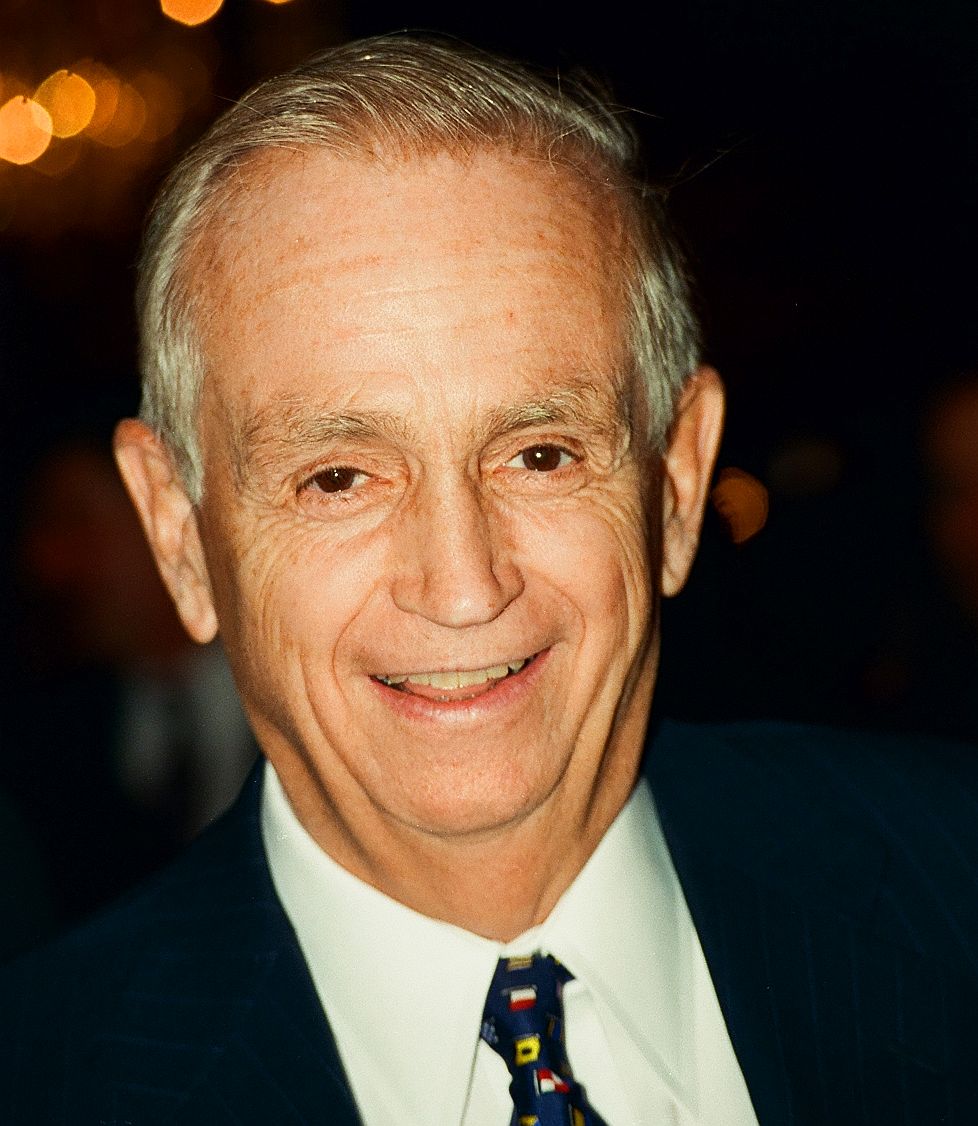
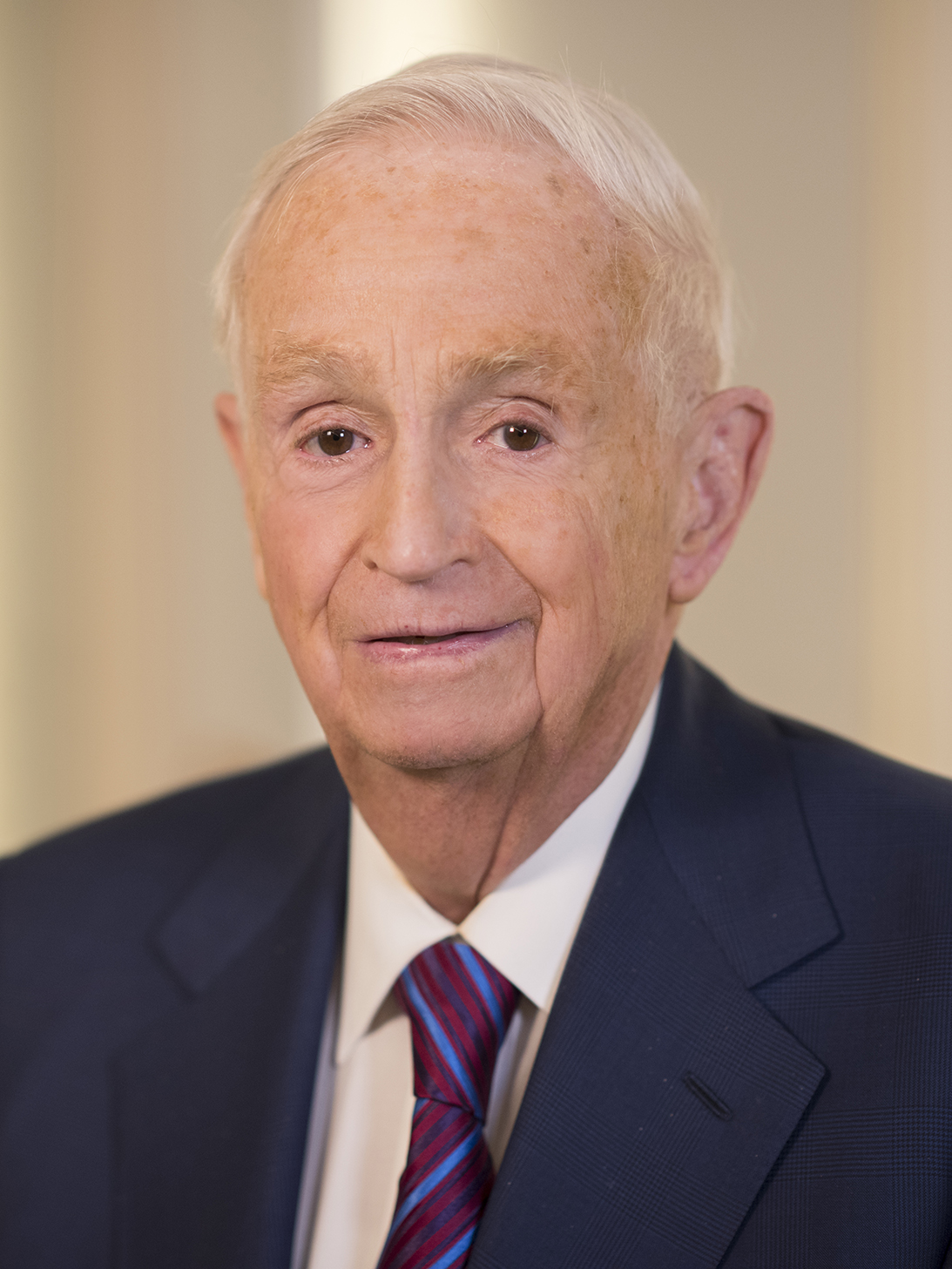
The Marriott family has maintained a strong presence in the company’s leadership and governance for decades. J. Willard Marriott’s son, Bill Marriott Jr., famously led the company for over 40 years as CEO, transforming it into the global behemoth it is today. Under his leadership, Marriott International expanded exponentially, diversifying its brand portfolio and establishing a presence in virtually every corner of the globe.
While Bill Marriott Jr. transitioned from CEO to Executive Chairman in 2012, and then to Chairman Emeritus in 2022, his wisdom, experience, and the family’s long-standing values continue to guide the company at the highest levels. Other Marriott family members have also served, and continue to serve, on the company’s Board of Directors, ensuring that the founding principles are upheld in critical strategic decisions. This continuous involvement provides a unique blend of corporate governance and familial stewardship, ensuring that growth is balanced with a respect for heritage.
The current President and CEO, Anthony Capuano, while not a member of the Marriott family, has a long history with the company and is deeply steeped in its culture and values. His leadership represents a continuation of the strategic vision and commitment to hospitality that has defined Marriott International since its inception.
More Than Just Shares: A Culture of Hospitality
The true impact of the Marriott family on Marriott International is arguably most profound in its pervasive culture of hospitality. J. Willard Marriott’s motto, “Take care of your associates, and they’ll take care of your customers,” became a foundational principle that has been championed throughout the company’s history. This philosophy translates into:

- Employee-Centric Approach: Marriott International is consistently recognized as one of the best places to work, fostering an environment where employees (or “associates” as they are known internally) feel valued, empowered, and dedicated to delivering exceptional service. This focus on internal well-being directly impacts the guest experience, making every stay more pleasant and memorable.
- Customer Focus: From the very first Hot Shoppes, the Marriott family emphasized understanding and exceeding customer expectations. This commitment to guest satisfaction is evident across all Marriott brands, from personalized services in luxury resorts to efficient, comfortable stays in select-service hotels. This ethos shapes everything from amenity choices to the design of hotel spaces, ensuring they cater to the evolving needs of travelers.
- Strong Values and Ethics: Integrity, service, respect, and global unity are core values that guide Marriott International’s operations worldwide. These values, instilled by the founders, influence corporate social responsibility initiatives, ethical business practices, and community engagement efforts, making the company a responsible global citizen.
This cultural bedrock, far more influential than mere stock ownership, ensures that the spirit of the Marriott family’s original vision continues to thrive, distinguishing Marriott International in a competitive market.
Marriott International: A Global Hospitality Giant
The expansive reach and diverse offerings of Marriott International truly underscore its status as a global leader, shaping the landscape of travel, tourism, and accommodation across continents.
A Diverse Portfolio: Marriott’s Extensive Brand Family
What makes Marriott International so pervasive is its incredible portfolio of brands, each designed to cater to specific traveler needs, preferences, and budgets. This diverse ecosystem ensures that whether you are seeking opulent luxury, a comfortable mid-range stay, or an extended-stay option, there’s a Marriott property tailored for you. The acquisition of Starwood Hotels & Resorts Worldwide in 2016 further cemented this diversity, adding iconic brands and significantly expanding its global footprint.
Let’s explore some key segments of its brand family:
- Luxury Brands: For those seeking the pinnacle of indulgence and service, brands like Ritz-Carlton, St. Regis, JW Marriott, and Edition Hotels offer unparalleled experiences. These properties are often found in prime destinations like Dubai, London, Paris, and exotic locales such as the Maldives or Bali, providing exquisite amenities, personalized service, and a focus on creating unforgettable journeys. They cater to luxury travel segments, often serving as landmarks of refined taste and architectural grandeur.
- Premium Brands: Brands like Marriott Hotels & Resorts, Sheraton, Westin, Le Méridien, Renaissance Hotels, and Delta Hotels offer sophisticated and full-service accommodations. These are popular choices for business travelers, family trips, and those seeking a balance of comfort, convenience, and quality service. They often feature extensive meeting facilities, diverse dining options, and wellness amenities, making them ideal for both leisure and business stays in major cities like New York City, Tokyo, and Sydney.
- Select Service Brands: Providing essential amenities and comfortable stays at a great value, these brands are ubiquitous. Courtyard by Marriott, Fairfield Inn & Suites, Four Points by Sheraton, SpringHill Suites, and Aloft Hotels are perfect for budget-conscious travelers, road trips, and short stays. They focus on efficient service, comfortable bedding, and convenient locations, appealing to a broad segment of the traveling public.
- Extended Stay Brands: For longer trips, relocations, or family vacations, brands like Residence Inn, TownePlace Suites, Element Hotels, and Marriott Executive Apartments offer suites with full kitchens and separate living areas. These are ideal for business professionals on assignment, families needing more space, or anyone looking for a home-away-from-home experience.
- Lifestyle & Distinctive Brands: This category includes unique properties with distinctive designs and local flavors, such as W Hotels, Moxy Hotels, Autograph Collection Hotels, Tribute Portfolio, and Design Hotels. These brands cater to travelers seeking immersive experiences, local culture, and hotels that reflect the unique character of their destinations. They often feature trendy aesthetics, vibrant social spaces, and connections to local art and food scenes.
- All-Inclusive & Timeshare: Marriott also operates in the all-inclusive resort space and has a robust timeshare presence through Marriott Vacation Club, Marriott Grand Residence Club, and Ritz-Carlton Club, offering ownership opportunities and stress-free vacation packages in popular destinations like the Caribbean and Hawaii.
This extensive portfolio ensures that Marriott International plays a pivotal role in every aspect of the travel ecosystem, from spontaneous overnight stays to meticulously planned luxury expeditions and long-term accommodation needs.
Beyond Ownership: Management, Franchising, and Global Reach
The vast majority of properties operating under a Marriott brand are not directly owned by Marriott International itself in a real estate sense. Instead, the company primarily operates through two main models:
- Management Contracts: Marriott International manages hotels on behalf of third-party owners, taking a fee for its operational expertise, brand recognition, and marketing power. Under this model, Marriott directly controls the day-to-day operations, ensuring brand standards are met and the guest experience is consistent.
- Franchising: Many properties are independently owned and operated by franchisees who license the Marriott brand name, systems, and marketing tools in exchange for fees. This allows independent hotel developers to leverage the immense brand power and reservation systems of Marriott while maintaining local ownership and operational flexibility. This model is particularly prevalent for select-service and extended-stay brands.
This asset-light strategy has allowed Marriott International to grow rapidly and widely without having to tie up vast amounts of capital in real estate. Today, Marriott International boasts over 8,500 properties across 138 countries and territories. This truly global footprint means that the company significantly impacts tourism and local economies in every major region, from Europe and Asia to the Middle East, Africa, The Americas, and Australia. Key growth markets include China, India, and the United Arab Emirates, where its hotels often become integral parts of the urban landscape and major attractions. Whether you’re staying at a Gaylord Hotels convention center in the United States or a JW Marriott in Hong Kong or Singapore, you’re experiencing the far-reaching influence of this hospitality giant.
The Marriott Bonvoy Ecosystem: Loyalty and Lifestyle
Beyond its physical properties, Marriott International has cultivated a powerful loyalty program that ties together its vast network of brands, creating a holistic ecosystem for travelers.
Enhancing the Travel Experience for Millions
Marriott Bonvoy is Marriott International’s award-winning loyalty program, uniting its diverse portfolio of hotels and resorts under one umbrella. Launched after the integration of the legacy Marriott Rewards and Starwood Preferred Guest programs, Marriott Bonvoy offers members a wealth of benefits designed to enhance every aspect of their travel lifestyle.
Members earn points for stays, dining, and other eligible activities, which can then be redeemed for free nights, room upgrades, exclusive experiences, and even flights. The tiered membership structure (Silver Elite, Gold Elite, Platinum Elite, Titanium Elite, Ambassador Elite) rewards frequent travelers with perks such as late check-outs, complimentary breakfast, lounge access, and enhanced earning rates. This program is not just about points; it’s about recognizing and rewarding loyalty, making travel more seamless, personalized, and enjoyable. For globetrotters planning their next adventure, whether a business trip to Canada or a leisure escape to Mexico, Marriott Bonvoy offers a valuable layer of benefits that can significantly upgrade their overall experience.
Shaping the Future of Accommodation and Travel
Marriott International’s influence extends beyond its current operations into actively shaping the future of accommodation and travel. The company is at the forefront of innovation, continually investing in:
- Technological Advancements: From mobile check-in and digital room keys to personalized in-app services and smart room technology, Marriott leverages technology to streamline the guest experience and offer greater convenience.
- Sustainable Practices: Recognizing its global responsibility, Marriott International is committed to reducing its environmental footprint through initiatives focused on energy efficiency, water conservation, waste reduction, and responsible sourcing. These efforts align with a growing demand from travelers for more sustainable travel options.
- Experiences and Customization: Beyond just providing a room, Marriott focuses on curating unique experiences, from local cultural immersions to wellness programs and culinary tours. This caters to the modern traveler’s desire for authentic and personalized journeys rather than just standard hotel stays.
- Community Engagement: Through various social impact programs, Marriott International invests in the communities where it operates, supporting local economies, promoting diversity and inclusion, and addressing social challenges.
In conclusion, while the immediate answer to “Who is the owner of Marriott Hotel?” points to its millions of global shareholders, the deeper truth reveals a company profoundly shaped by the pioneering spirit and enduring values of the Marriott family. From a humble root beer stand to a publicly traded global powerhouse managing an unparalleled portfolio of brands, Marriott International stands as a testament to entrepreneurial vision, consistent innovation, and a steadfast commitment to world-class hospitality, continually influencing the way we experience travel and accommodation across the globe.
LifeOutOfTheBox is a participant in the Amazon Services LLC Associates Program, an affiliate advertising program designed to provide a means for sites to earn advertising fees by advertising and linking to Amazon.com. Amazon, the Amazon logo, AmazonSupply, and the AmazonSupply logo are trademarks of Amazon.com, Inc. or its affiliates. As an Amazon Associate we earn affiliate commissions from qualifying purchases.