
The question “Who is the President of Puerto Rico?” often arises from a common misunderstanding of the island’s unique political status. Unlike independent nations with their own heads of state, Puerto Rico operates as an unincorporated territory of the United States. This means that while its citizens are American, and it enjoys a significant degree of self-governance, it does not have a president in the traditional sense. Instead, the head of government is an elected Governor, and the head of state is the President of the United States. This distinct relationship has profound implications for the island’s political landscape, economy, culture, and, crucially for travelers, its tourism sector. Understanding this dynamic is key to appreciating the vibrant, complex, and welcoming destination that is Puerto Rico, a true gem of the Caribbean.
Unpacking Puerto Rico’s Unique Political Landscape
Puerto Rico’s political identity is a fascinating blend of autonomy and integration, stemming from its history and evolving relationship with the United States. This distinct status shapes everything from its legal system to its economic policies, and ultimately, the daily lives of its residents and the experiences of its visitors.
The Governor: Puerto Rico’s Head of Government
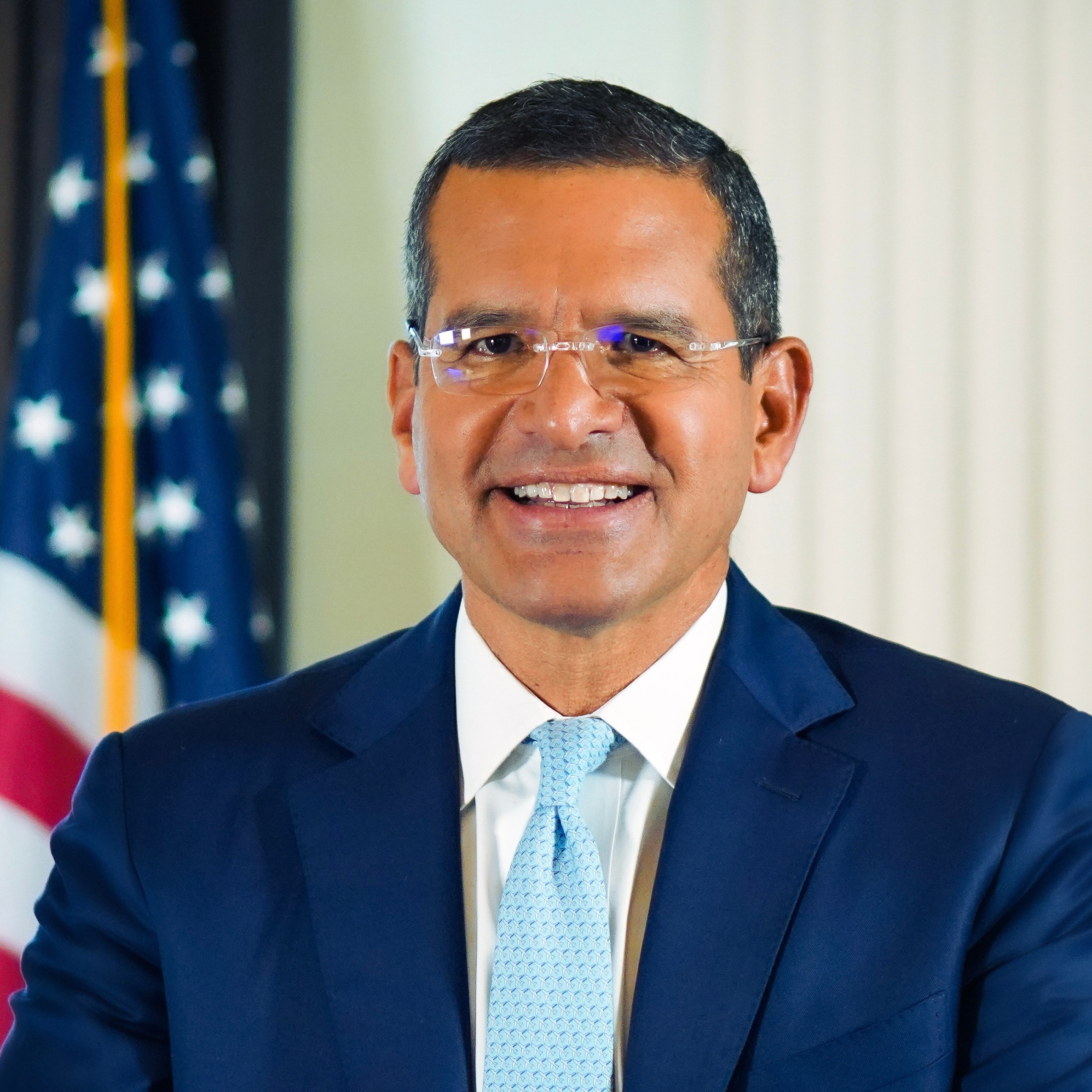
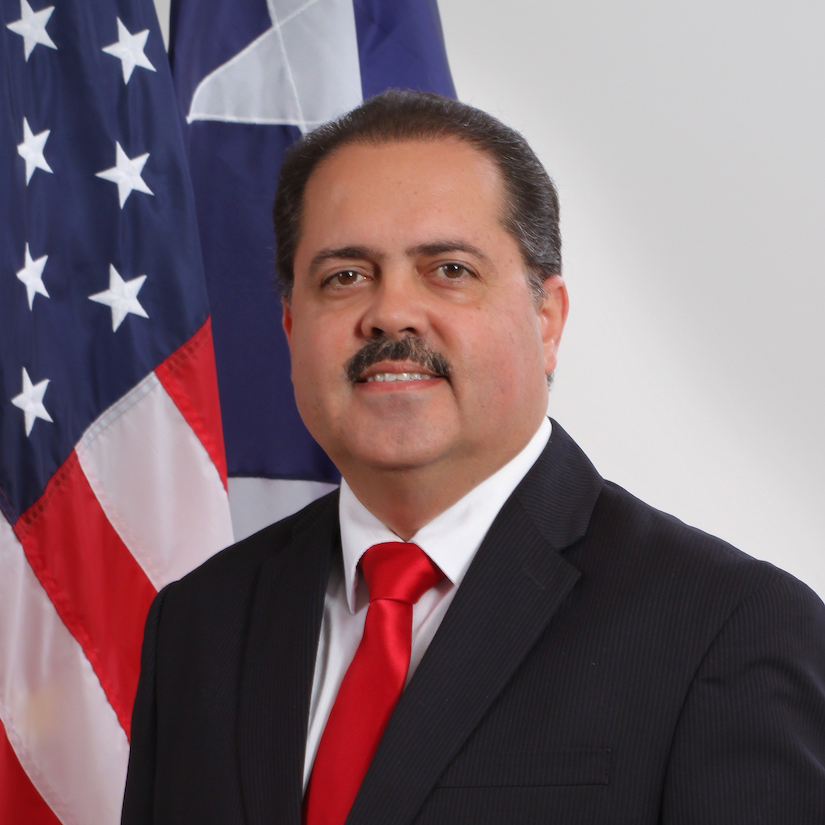
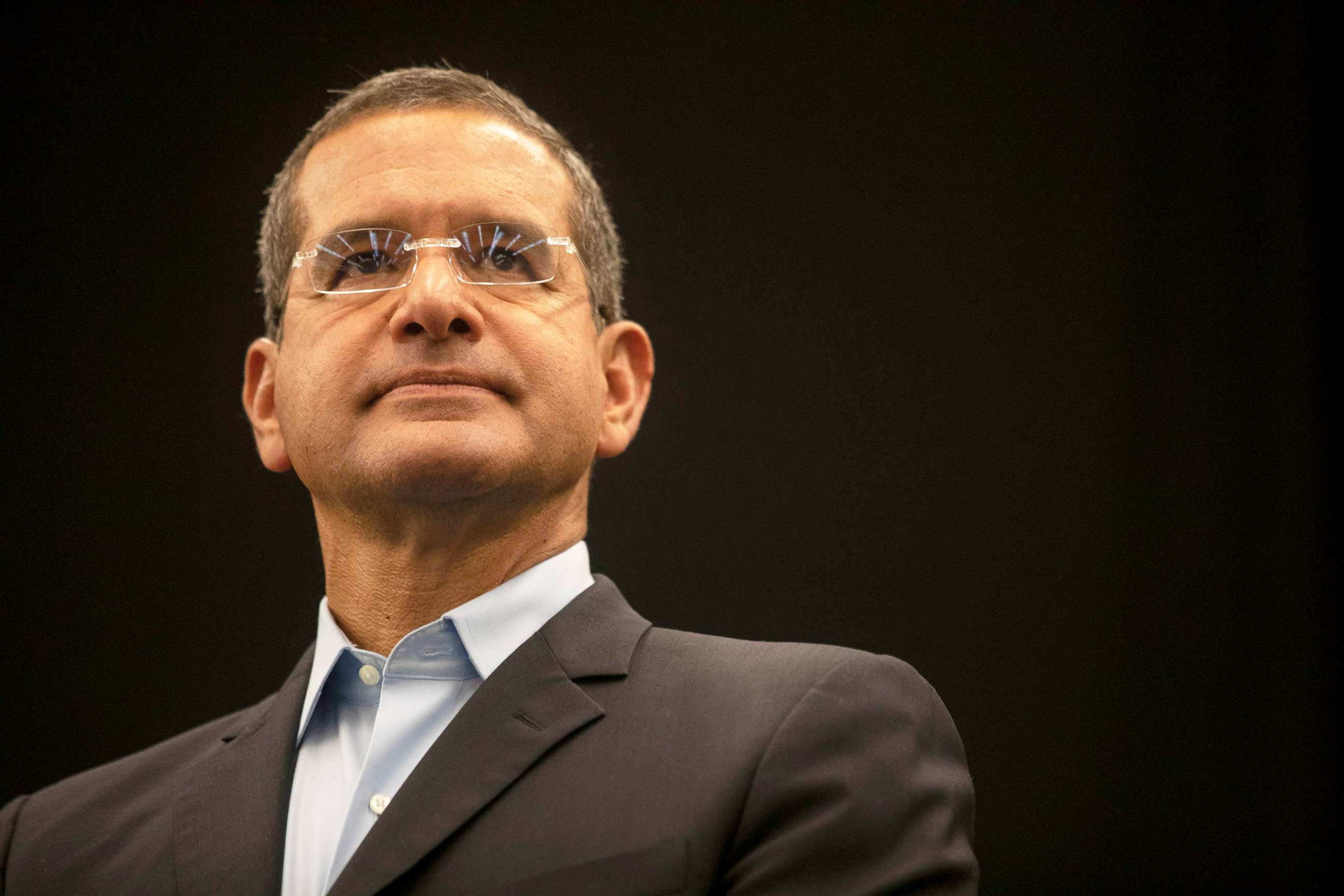
At the helm of Puerto Rico’s local governance is the Governor, who serves as the chief executive of the Commonwealth. This role is equivalent to that of a state governor within the United States. The Governor is directly elected by the people of Puerto Rico for a four-year term, wielding significant power over local affairs, including budget formulation, law enforcement, education, and infrastructure development. The Governor resides in La Fortaleza, a magnificent historic mansion in Old San Juan that also serves as the executive office. This historic landmark, a UNESCO World Heritage site, is a testament to the island’s rich colonial past and its enduring political present.
The responsibilities of the Governor are extensive, encompassing the implementation of local laws, the management of public services, and representing the island’s interests both domestically and internationally (within the confines of its commonwealth status). For visitors interested in local culture and governance, observing the vibrant political discourse and civic engagement during an election year can be particularly insightful, showcasing the passionate spirit of the Puerto Rican people.
The U.S. President: Head of State for the Commonwealth
While Puerto Rico has its own locally elected Governor, the ultimate head of state is the President of the United States. This means that federal laws of the United States generally apply to Puerto Rico, and its citizens are subject to federal jurisdiction. Crucially, Puerto Ricans are U.S. citizens by birth, granting them the right to travel freely to and from the mainland, serve in the U.S. armed forces, and hold U.S. passports. However, they do not have voting representation in the US Congress and cannot vote in presidential elections while residing on the island.
This unique arrangement means that decisions made in Washington, D.C., especially by the President and US Congress, can profoundly impact Puerto Rico’s economy, federal aid, and overall future. For travelers, this status offers a seamless travel experience, as no passport is required for U.S. citizens, and the currency is the U.S. dollar. The integration into the U.S. system also means a familiarity with many aspects of American infrastructure and services, while still retaining a distinctly vibrant Caribbean and Spanish heritage.
A Legacy of Self-Determination: The Statehood Debate
The question of Puerto Rico’s political future – whether it should remain a commonwealth, become a U.S. state, or achieve independence – has been a central theme in its modern history. This ongoing debate is a testament to the island’s quest for self-determination and has been the subject of multiple plebiscites. Supporters of statehood argue for full political equality and economic benefits, while proponents of commonwealth status advocate for retaining local autonomy while maintaining ties with the United States. A smaller but vocal segment calls for complete independence.
The outcome of these discussions holds significant implications for Puerto Rico’s future trajectory. Any change in status would undoubtedly influence its economy, its relationship with global markets, and potentially even aspects of its cultural identity. From a travel perspective, this vibrant political discussion highlights the passionate and resilient spirit of the Puerto Rican people, who are deeply engaged in shaping their destiny. While visiting, you might encounter murals, local discussions, or even political rallies that offer a glimpse into this ongoing, vital conversation.
Puerto Rico: A Vibrant Destination Shaped by its Status
Puerto Rico’s unique political standing as a U.S. territory, coupled with its rich Spanish colonial heritage and vibrant Caribbean soul, creates an unparalleled travel destination. This blend is evident in every facet of the island, from its historical landmarks to its culinary traditions and the warmth of its people.
Experiencing the Blend: Culture, Cuisine, and Community
The cultural tapestry of Puerto Rico is a captivating fusion, where Spanish traditions meet African influences and American modernity. This rich confluence is palpable in the island’s music, art, and particularly its cuisine. From the savory goodness of mofongo and alcapurrias to the refreshing taste of a piña colada (which was invented in Puerto Rico), the food scene is an adventure in itself. Many local restaurants, or “chinchorros,” offer authentic flavors that tell stories of the island’s diverse past.
The ease of travel for U.S. citizens, with no passport requirements and the use of the U.S. dollar, makes Puerto Rico an accessible gateway to a distinctly different culture without the complexities of international travel. This allows visitors to fully immerse themselves in the local lifestyle, attending lively festivals, exploring art galleries in San Juan, or simply engaging with friendly locals who are proud to share their heritage. The bilingual nature of the island, with both Spanish and English widely spoken, further enhances the visitor experience, bridging cultural gaps and making communication effortless.
Iconic Landmarks and Natural Wonders
Puerto Rico is a treasure trove of landmarks and natural attractions that cater to every type of traveler. The capital city of San Juan is home to the stunning Old San Juan, a historic district renowned for its colorful colonial architecture, cobblestone streets, and formidable fortresses like Castillo San Felipe del Morro and La Fortaleza. These landmarks are not just beautiful; they are poignant reminders of the island’s strategic importance throughout history, having served as vital outposts for centuries under Spanish rule and later under the United States.
Beyond the urban charm, the island boasts an incredible array of natural beauty. El Yunque National Forest, the only tropical rainforest in the U.S. National Forest System, offers breathtaking hiking trails, cascading waterfalls, and diverse wildlife. The pristine beaches of Puerto Rico, from the bustling shores of Condado to the secluded coves of Vieques and Culebra, invite relaxation and water sports. Flamenco Beach on Culebra is consistently ranked among the world’s best, famous for its white sands and turquoise waters. For a truly magical experience, the bioluminescent bays, particularly Mosquito Bay in Vieques, offer an unforgettable spectacle as microorganisms light up the night water. These natural wonders underscore Puerto Rico’s commitment to preserving its ecological heritage, a vital aspect of its tourism appeal.
Travel and Accommodation: What Visitors Should Know
Navigating Puerto Rico is relatively straightforward, especially for those accustomed to travel within the United States. Major airlines offer frequent flights to San Juan’s Luis Muñoz Marín International Airport, making it easily accessible from various U.S. cities. Car rentals are widely available, providing the flexibility to explore the island at your own pace, from the vibrant streets of San Juan to the charming, less-traveled paths near Ponce or the lush landscapes surrounding El Yunque National Forest. Public transportation options exist, but renting a car or utilizing ride-sharing services is often preferred for convenience.
Accommodation choices in Puerto Rico are as diverse as its landscapes, catering to every budget and travel style. From luxurious resorts and boutique hotels in metropolitan areas like Condado and Dorado to cozy guesthouses and charming vacation rentals, there’s something for everyone. Reputable booking platforms make it easy to compare prices and read reviews, ensuring a comfortable and suitable stay. Many establishments, particularly in tourist-heavy areas, are well-versed in catering to international visitors, offering amenities and services that enhance the overall experience. Whether you seek an opulent escape at a Ritz-Carlton Reserve or St. Regis Bahia Beach Resort, or prefer the rustic charm of a family-run “parador” in the countryside, Puerto Rico delivers on variety and quality.
Planning Your Journey to the Enchanted Isle
A trip to Puerto Rico promises an unforgettable experience, rich in history, natural beauty, and vibrant culture. Thoughtful planning can help you maximize your adventure, whether you’re seeking a luxurious retreat, a budget-friendly escape, or an immersive cultural expedition.
From Colonial Charm to Modern Comforts: Accommodation Choices
When considering where to stay, Puerto Rico offers an impressive spectrum of accommodation options. In Old San Juan, you can find beautifully restored colonial guesthouses and boutique hotels that transport you back in time while offering modern amenities. These unique stays provide an authentic experience, placing you steps away from historic sites, vibrant plazas, and exquisite dining. For those preferring contemporary luxury and resort-style amenities, the neighborhoods of Condado and Isla Verde in San Juan boast a plethora of high-end hotels, complete with beachfront access, swimming pools, spas, and fine dining. Further afield, in areas like Dorado or Fajardo, sprawling resorts offer private beaches, golf courses, and comprehensive activity programs, ideal for family trips or those seeking an all-inclusive experience.
Budget-conscious travelers can find excellent value in smaller hotels, guesthouses, and vacation rentals spread across the island. Booking in advance, especially during peak season (winter and spring), is always advisable. Websites specializing in accommodation comparison can help identify the best deals and review guest experiences, ensuring your chosen stay aligns with your expectations for comfort, location, and price. From rustic eco-lodges near El Yunque National Forest to charming “paradores” (small, government-certified inns that promote local tourism) in the countryside, Puerto Rico caters to every preference, making it easy to find your perfect home away from home.
Embracing Local Lifestyle and Sustainable Tourism
To truly appreciate Puerto Rico, visitors are encouraged to delve beyond the main tourist attractions and embrace the local lifestyle. This means savoring authentic Puerto Rican cuisine, perhaps taking a cooking class or exploring local markets. Engaging with the arts scene, from live music performances in local venues to vibrant street art in various towns, offers insight into the island’s creative spirit. Consider visiting towns outside of San Juan, such as the historic city of Ponce, known for its unique architecture and museums, or the smaller coastal communities that offer a more laid-back atmosphere.
Sustainable tourism is increasingly important in Puerto Rico, particularly after recent natural events. Choosing eco-friendly accommodations, supporting local businesses, respecting natural environments like El Yunque National Forest and the bioluminescent bays, and minimizing your environmental footprint are all ways to contribute positively to the island’s future. Many tour operators now focus on responsible tourism, offering experiences that educate visitors about Puerto Rico’s ecology and culture while ensuring minimal impact. This approach not only provides a more meaningful travel experience but also helps preserve the island’s pristine beauty and unique heritage for generations to come.
In conclusion, while Puerto Rico does not have its own president, its distinct political status as a U.S. territory under the U.S. President, governed by its own elected Governor, has shaped it into an incredibly diverse and captivating destination. This unique blend of American familiarity and vibrant Caribbean and Spanish culture makes it an accessible yet exotic travel choice. From the historic fortresses of Old San Juan to the lush rainforests and dazzling bioluminescent bays, Puerto Rico invites exploration, promising rich cultural experiences, stunning natural beauty, and the warm hospitality of its people. It’s a journey into a world where history, nature, and modernity coexist in a truly enchanting way.