
The question “Who owns Marriott Hotel?” is a common one, often leading to a simplified, yet ultimately incomplete, understanding of one of the world’s largest and most influential hospitality companies. Unlike a small, independent boutique hotel that might be owned by a single individual or family, Marriott International is a sprawling global enterprise with a complex ownership structure characteristic of major corporations. It is not owned by a single person or entity in the traditional sense, but rather by its shareholders, making it a publicly traded company.
This fundamental distinction is crucial to grasping how a company with an extraordinary portfolio of over 8,700 properties across 139 countries and territories operates. Its ownership is distributed among millions of investors, ranging from large institutional funds and pension plans to individual investors, all of whom hold shares of the company’s stock, which trades on the NASDAQ stock exchange under the ticker symbol MAR. This publicly traded model means that the company’s direction is ultimately guided by a Board of Directors elected by these shareholders, and its executive leadership team is responsible for daily operations and strategic vision.
The Corporate Structure: A Network of Shareholders and Visionary Leadership
At its core, Marriott International is a publicly listed company, meaning its ownership is fragmented and distributed among numerous shareholders worldwide. These shareholders can be large institutional investors like mutual funds, hedge funds, and pension funds, as well as individual retail investors. Each share represents a tiny fraction of ownership, and collectively, these shareholders have a say in the company’s governance through voting rights, primarily for the election of the Board of Directors.
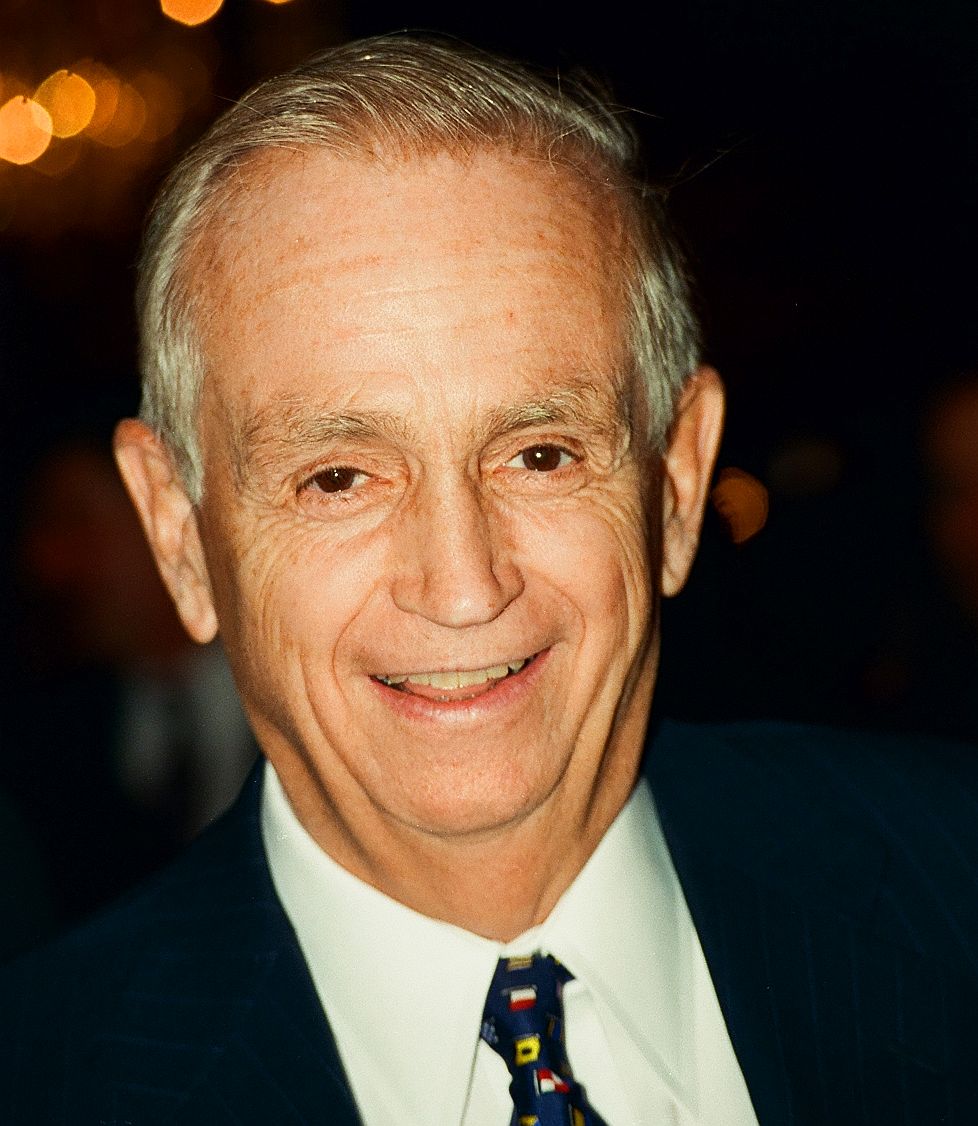
The Board of Directors oversees the company’s strategic direction, corporate governance, and performance. While the Marriott family, particularly figures like J.W. Marriott, Jr., have maintained significant influence and often hold substantial shares, they do not hold a majority controlling stake that would make them sole owners. Instead, their enduring legacy is deeply intertwined with the company’s culture and values, passed down through generations.
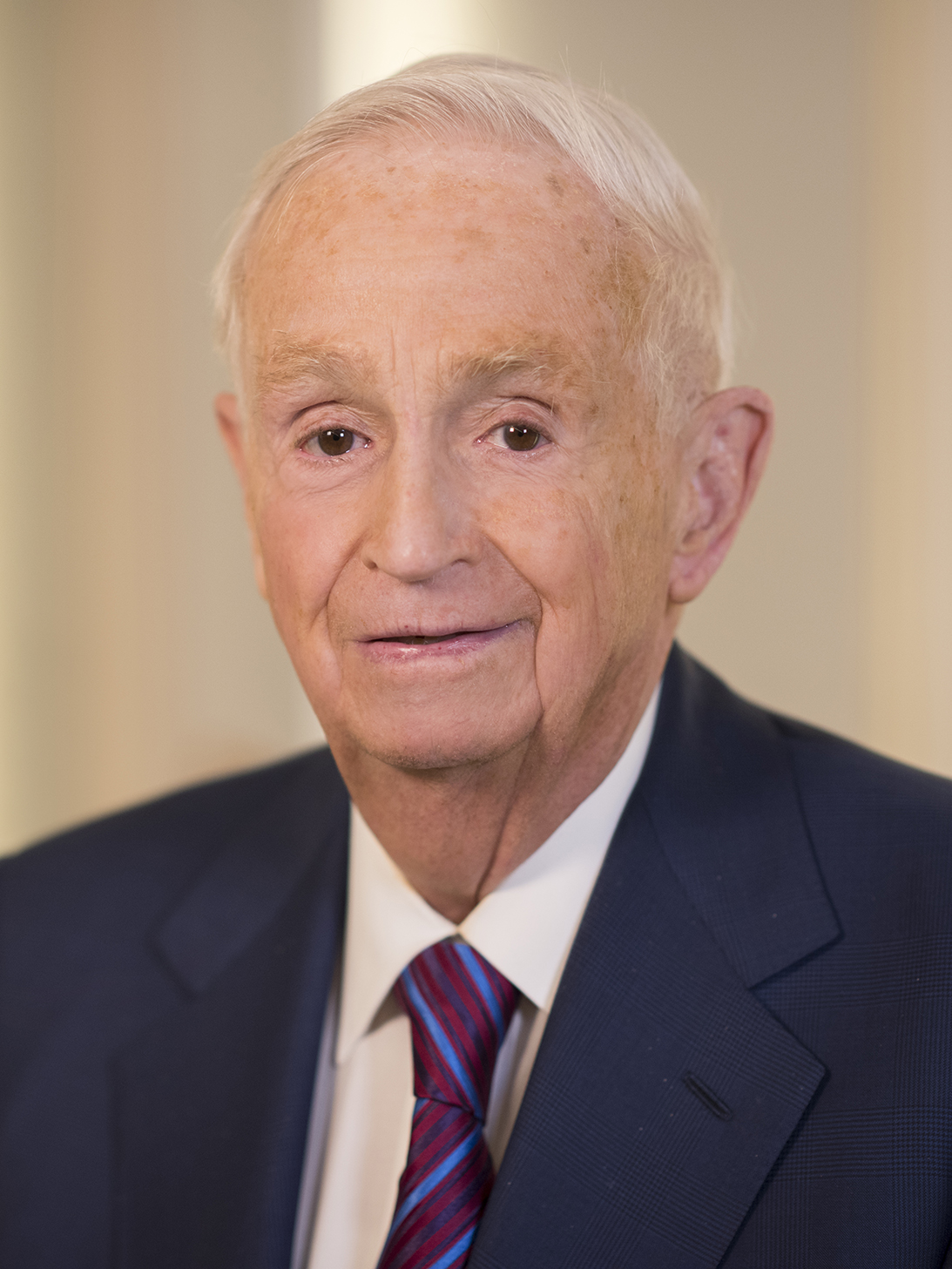
The day-to-day operations and strategic execution are handled by the executive leadership team. Under the leadership of figures such as the late Arne Sorenson, who served as CEO, and now Anthony Capuano, the current CEO, this team is responsible for driving growth, managing the vast portfolio of brands, fostering innovation, and ensuring the company remains a leader in the global travel and tourism industry. Their decisions are made with the interests of all shareholders in mind, balancing profitability with long-term sustainability and brand reputation.
This corporate structure allows Marriott International to raise capital from public markets, funding its expansions, acquisitions, and technological advancements without relying solely on private investment. It also subjects the company to rigorous regulatory oversight and public scrutiny, ensuring transparency and accountability in its operations.
A Legacy of Hospitality: The Marriott Story from Root Beer to Global Empire
The story of Marriott International is a quintessential American success tale, beginning not with grand hotels but with a simple A&W Root Beer Stand. In 1927, J. Willard Marriott and his wife, Alice S. Marriott, opened their first venture in Washington D.C.. They quickly expanded their Hot Shoppes restaurant chain, adapting to changing consumer tastes by offering hot food during the cooler months. This initial emphasis on quality service and customer satisfaction laid the groundwork for their future endeavors.
The foray into the lodging industry came much later, in 1957, with the opening of the Twin Bridges Marriott Motor Hotel in Arlington, Virginia. This marked a pivotal moment, as the company diversified its portfolio and began to apply its proven service principles to the hotel sector. Under the guidance of their son, J.W. Marriott, Jr., who took the helm in 1972, the company embarked on an aggressive expansion strategy, transforming from a regional hotel operator into a global hospitality giant.
Key Milestones in Marriott’s Growth:
- Going Public: Marriott first went public in 1953, allowing external investors to own a stake in its growing restaurant and lodging business. This was a crucial step in enabling the company’s ambitious growth plans.
- Brand Diversification: Recognizing the need to cater to different market segments, Marriott strategically introduced new brands, such as Courtyard by Marriott in the early 1980s, targeting business travelers, and Residence Inn by Marriott for extended stays.
- Global Expansion: The company steadily expanded its footprint beyond the United States, establishing a presence in key international markets and adapting its offerings to local cultures and preferences.
- The Starwood Acquisition: One of the most significant events in recent memory was the acquisition of Starwood Hotels & Resorts Worldwide in 2016. This monumental merger instantly transformed Marriott International into the world’s largest hotel company, adding iconic brands like Sheraton, Westin, St. Regis, and W Hotels to its already impressive portfolio. This acquisition not only increased its market share but also significantly broadened its luxury and lifestyle offerings, solidifying its global dominance in various segments of travel and accommodation.
This rich history demonstrates a consistent pattern of innovation, strategic growth, and an unwavering commitment to the foundational values of service and hospitality instilled by its founders.
Understanding Marriott’s Business Model: Asset-Light Strategy
While Marriott International is a global powerhouse, it’s essential to understand that the company itself does not own the vast majority of the physical hotel properties that bear its brand names. This is a common misconception. Instead, Marriott primarily operates on an “asset-light” business model, focusing on managing and franchising hotels rather than owning the real estate.

This strategic approach allows the company to grow rapidly and globally without the massive capital expenditure and financial risk associated with owning land and buildings. It shifts the burden of property development and maintenance to third-party owners, while Marriott leverages its powerful brand recognition, operational expertise, and extensive distribution channels.
How Marriott’s Model Works:
- Franchising: This is the most prevalent model. Independent hotel owners or real estate developers purchase a franchise license from Marriott. They build or convert a property to meet Marriott’s brand standards, then operate it themselves, paying Marriott ongoing fees (typically a percentage of gross room revenues and loyalty program fees) for the use of its brand name, reservation systems, marketing, training, and the invaluable Marriott Bonvoy loyalty program. This model is highly scalable and generates consistent fee-based revenue for Marriott. Brands like Courtyard by Marriott, Fairfield by Marriott, and TownePlace Suites by Marriott are frequently operated under franchise agreements.
- Management Contracts: In this scenario, Marriott enters into an agreement with a property owner to manage the hotel on their behalf. Marriott handles all operational aspects – staffing, marketing, revenue management, guest services, and maintenance – for a fee, which often includes a base management fee plus an incentive fee based on the hotel’s profitability. This model gives Marriott greater control over brand standards and guest experience, often used for more complex or luxury properties like JW Marriott or The Ritz-Carlton.
- Owned Properties: While a small percentage, Marriott does own a limited number of properties. These are typically strategic assets, flagship hotels, or properties acquired during periods of market flux. Owning properties allows Marriott to experiment with new concepts, maintain a direct presence in key markets, or secure long-term value. However, this is not the primary growth engine for the company.
This asset-light strategy has proven incredibly successful, allowing Marriott International to expand its global footprint rapidly, diversify its brand portfolio, and maintain robust profitability by generating revenue from fees rather than bearing the full costs and risks of real estate ownership. It’s a testament to the power of a strong brand, effective operational systems, and a vast global network.
The Vast Portfolio: Marriott’s Family of Brands for Every Traveler
One of the most compelling aspects of Marriott International is its unparalleled portfolio of brands, meticulously curated to cater to virtually every type of traveler, budget, and purpose. From opulent luxury resorts to comfortable extended-stay apartments and trendy lifestyle hotels, Marriott has carved out distinct identities for each brand, ensuring a tailored experience. This diversification is key to its dominance in the global accommodation market and aligns perfectly with the website’s focus on “Hotels,” “Accommodation,” and “Lifestyle.”
The acquisition of Starwood Hotels & Resorts Worldwide in 2016 significantly expanded this portfolio, adding many highly recognized names and further solidifying Marriott’s presence across all market segments.
A Glimpse into Marriott’s Brand Categories:
- Luxury: These brands represent the pinnacle of hospitality, offering bespoke service, exquisite design, and exclusive amenities, often found in iconic destinations and landmarks.
- The Ritz-Carlton: Synonymous with unparalleled luxury and impeccable service.
- St. Regis: Classic sophistication with tailored service, including its signature butler service.
- W Hotels: Modern, design-led hotels appealing to a fashion-forward, younger demographic with vibrant nightlife.
- JW Marriott: Elegant, refined hotels offering luxury experiences for discerning travelers.
- Edition: Boutique hotels combining the personal touch of a unique property with the global reach of a major brand.
- The Luxury Collection: A collection of historic and culturally authentic hotels and resorts around the world.
- Premium: Offering sophisticated and full-service experiences, these brands cater to a broad spectrum of business and leisure travelers seeking comfort and quality.
- Marriott Hotels: The flagship brand, known for its consistent quality, service, and modern amenities.
- Sheraton: A global leader with a legacy of connecting communities, often located in urban centers and resorts.
- Westin: Focused on wellness, offering amenities like Heavenly Beds and WestinWORKOUT fitness studios.
- Le Méridien: European-inspired hotels with a focus on art, culture, and cuisine.
- Renaissance Hotels: Emphasizes discovery and local culture, providing unique experiences.
- Autograph Collection Hotels: “Exactly Like Nothing Else,” a collection of independent hotels handpicked for their unique charm and character.
- Tribute Portfolio: Another collection of independent, distinctive hotels and resorts.
- Select: These brands provide comfortable, convenient, and value-driven options, perfect for everyday travel, families, and budget-conscious guests.
- Courtyard by Marriott: Designed for business travelers, offering functional spaces and modern amenities.
- Fairfield by Marriott: Simple, consistent, and reliable stays with complimentary breakfast and Wi-Fi.
- SpringHill Suites by Marriott: All-suite hotels offering more space and flexibility.
- AC Hotels by Marriott: European-inspired urban hotels focusing on purposeful design and curated experiences.
- Moxy Hotels: Playful, stylish, and affordable hotels targeting the millennial traveler.
- Aloft Hotels: Tech-savvy and modern hotels with a vibrant social scene, reminiscent of a W hotel for a more accessible price point.
- Four Points by Sheraton: Honest, uncomplicated comfort, offering essentials done right.
- Longer Stays & Residential: Catering to guests requiring extended accommodation, these brands provide apartment-style living with hotel amenities.
- Residence Inn by Marriott: Suites with full kitchens and separate living/sleeping areas for extended stays.
- TownePlace Suites by Marriott: Another extended-stay option focusing on a home-away-from-home feel.
- Marriott Executive Apartments: Upscale furnished apartments for corporate and long-term stays in major global cities.
- Marriott Vacation Club: Timeshare resorts offering spacious villas and vacation ownership experiences.
- Homes & Villas by Marriott International: A curated collection of premium private homes and villas for rent.
This extensive brand portfolio is a cornerstone of Marriott’s strategy, allowing it to capture market share across all segments of the travel industry, from luxury travel to budget travel, and cater to diverse experiences whether it’s a family trip or a business stay.
The Power of Marriott Bonvoy and Global Footprint
Central to Marriott’s enduring success and ability to attract and retain customers is its highly acclaimed loyalty program, Marriott Bonvoy. Launched after the Starwood acquisition, merging Marriott Rewards, Starwood Preferred Guest (SPG), and The Ritz-Carlton Rewards, Bonvoy has become one of the largest and most valuable loyalty programs in the world. It incentivizes guests to choose Marriott brands by offering points for stays, which can be redeemed for free nights, exclusive experiences, and other travel benefits. This program fosters deep customer loyalty, driving repeat business and providing invaluable data for personalized marketing efforts, effectively linking the “Accommodation” and “Lifestyle” aspects of the website’s main topics.
The global footprint of Marriott International is truly staggering. With properties in almost every corner of the world, from bustling metropolises like New York City and London to serene resorts in the Maldives or culturally rich properties in Kyoto, Marriott plays a significant role in global tourism. Its vast network offers travelers unparalleled options for destinations, whether they are exploring local culture, seeking out famous attractions, or simply needing a comfortable place to stay while on business. The presence of Marriott properties often contributes significantly to local economies, creating jobs and supporting related industries, embodying the broader impact of the hospitality sector.
Conclusion
In conclusion, the question “Who owns Marriott Hotel?” is best answered by understanding that Marriott International is a publicly traded company. Its ownership is distributed among millions of shareholders globally, who collectively own the company through their stock holdings. While the Marriott family retains a strong connection and influence, they are not sole owners in the traditional sense.
Furthermore, it’s crucial to recognize that Marriott International’s operational model is predominantly asset-light, focusing on managing and franchising hotels owned by third-party investors. This strategy has enabled rapid expansion, a diversified portfolio of over 30 distinct brands catering to every segment of the travel market, and a global presence that impacts countless destinations and travelers. From its humble beginnings as a root beer stand to its current status as a global hospitality leader, Marriott’s journey is a testament to strategic vision, adaptability, and an enduring commitment to the art of hospitality, making it a cornerstone of modern travel and tourism.
LifeOutOfTheBox is a participant in the Amazon Services LLC Associates Program, an affiliate advertising program designed to provide a means for sites to earn advertising fees by advertising and linking to Amazon.com. Amazon, the Amazon logo, AmazonSupply, and the AmazonSupply logo are trademarks of Amazon.com, Inc. or its affiliates. As an Amazon Associate we earn affiliate commissions from qualifying purchases.