
The story of the Boston Celtics is not just a chronicle of basketball victories; it’s a fascinating journey through changing eras of sports business, urban development, and the evolving lifestyle of a major American city. From humble beginnings to global recognition, the ownership of this iconic National Basketball Association franchise has been a revolving door of visionaries, financiers, and devoted enthusiasts, each leaving an indelible mark on the team and the vibrant city of Boston. Understanding who has held the reins offers a unique glimpse into the intersection of sports, travel, and lifestyle that defines a major metropolitan area.
The Founding Vision: Walter A. Brown and the Early Days
The narrative of Boston Celtics ownership begins with a true pioneer: Walter A. Brown. A figure synonymous with the early days of professional sports in Boston, Brown was far more than just an owner; he was a driving force behind the establishment of the NBA itself. Born in Hopkinton, Massachusetts, in 1905, Brown inherited the management of the legendary Boston Garden from his father in 1937. This landmark venue, an architectural marvel of its time, quickly became the heart of Boston’s sports and entertainment scene, a true destination for locals and tourists alike seeking thrilling experiences.
It was from this strategic vantage point that Brown’s vision for a professional basketball team took shape. In 1946, he founded the Boston Celtics as a charter member of the Basketball Association of America (BAA), which would soon merge to become the NBA. His initial investment was not merely financial; it was an investment in the cultural fabric of Boston. Brown understood that a successful sports team could elevate a city’s profile, attract visitors, and provide a shared sense of identity and excitement for its residents.

The early years under Brown were challenging, marked by financial struggles and limited on-court success. However, his steadfast belief in the potential of professional basketball and his commitment to the Celtics never wavered. He famously mortgaged his own home to ensure the team stayed afloat. This dedication embodied a particular lifestyle—one of grit, determination, and a deep connection to the local community. For those visiting Boston in those decades, a trip to the Boston Garden to see a Celtics game, even if they weren’t winning championships yet, was an authentic Boston experience, much like exploring Beacon Hill or walking the Freedom Trail.
A pivotal moment in Brown’s tenure, and indeed in Celtics history, was his hiring of Arnold “Red” Auerbach in 1950. This decision would transform the franchise into a dynasty, attracting fans from across the USA and shaping the tourism appeal of Boston as a sports hub. Brown’s legacy extends beyond the team’s first six championships won during his lifetime; he was an innovator who helped craft the very league structure and competitive spirit that endures today. His passing in 1964 marked the end of an era, but his foundation had set the Celtics on an unparalleled path to glory.

A Shifting Landscape: Developers, Dynasties, and Deals
Following Walter A. Brown’s death, the ownership of the Boston Celtics entered a period of transition, reflecting broader shifts in the sports business landscape. This era saw various groups and individuals take the helm, each bringing their unique business acumen and vision, often with significant ties to real estate, finance, and urban development—themes that resonate deeply with travel and lifestyle.
The Perini and Kratter Eras: Real Estate and Reconstruction
One of the first significant shifts occurred when the Perini Corporation, led by Louis R. Perini, acquired the team. While Perini was more famous for his ownership of the Boston Braves baseball team and his vast construction empire, his brief ownership of the Celtics underscored the growing interest of established business leaders in sports franchises. Their involvement often meant a more corporate approach, though the on-court success driven by Red Auerbach and Bill Russell continued unabated.
A particularly interesting period arrived with Marvin Kratter in the late 1960s. Kratter, a prominent real estate developer from New York, acquired the team along with the Boston Garden in 1965. His ownership highlights the symbiotic relationship between sports teams and their venues, often major landmarks themselves. For a developer like Kratter, owning both offered synergistic opportunities, potentially influencing urban planning and the economic vitality of surrounding areas. While his primary focus was often on the real estate aspects, the Celtics’ continued success under Auerbach ensured the Garden remained a bustling destination, attracting crowds and contributing to Boston’s tourism appeal. The allure of seeing legends like Bill Russell in action made Boston a must-visit for basketball fans, boosting local accommodation and dining.
The Controversial Silna Deal and the 1980s Dynasty
The ownership saga took another fascinating turn in the late 1970s and early 1980s. After several ownership changes, including brief tenures by the Ballard/Donovan Group and Robert Schmertz, the team was eventually owned by a group led by John Y. Brown Jr. and Ozzie Silna. It was during this period that one of the most unique and financially significant deals in sports history was struck.
In a complex transaction in 1980, Brown (who would later become Governor of Kentucky) sold his share of the Celtics to a group led by Don Gaston, Alan Cohen, and Paul Dupee. Crucially, as part of a previous settlement related to the folding of the ABA (American Basketball Association), the Silna brothers had secured a perpetual right to a share of the Celtics’ television revenue. This extraordinary deal, which lasted until 2014, became a legendary footnote in sports finance, an example of a lucrative long-term arrangement that benefited individuals far removed from the day-to-day operations of the team. It reflects a niche area of lifestyle and investment where historical agreements can yield significant returns.
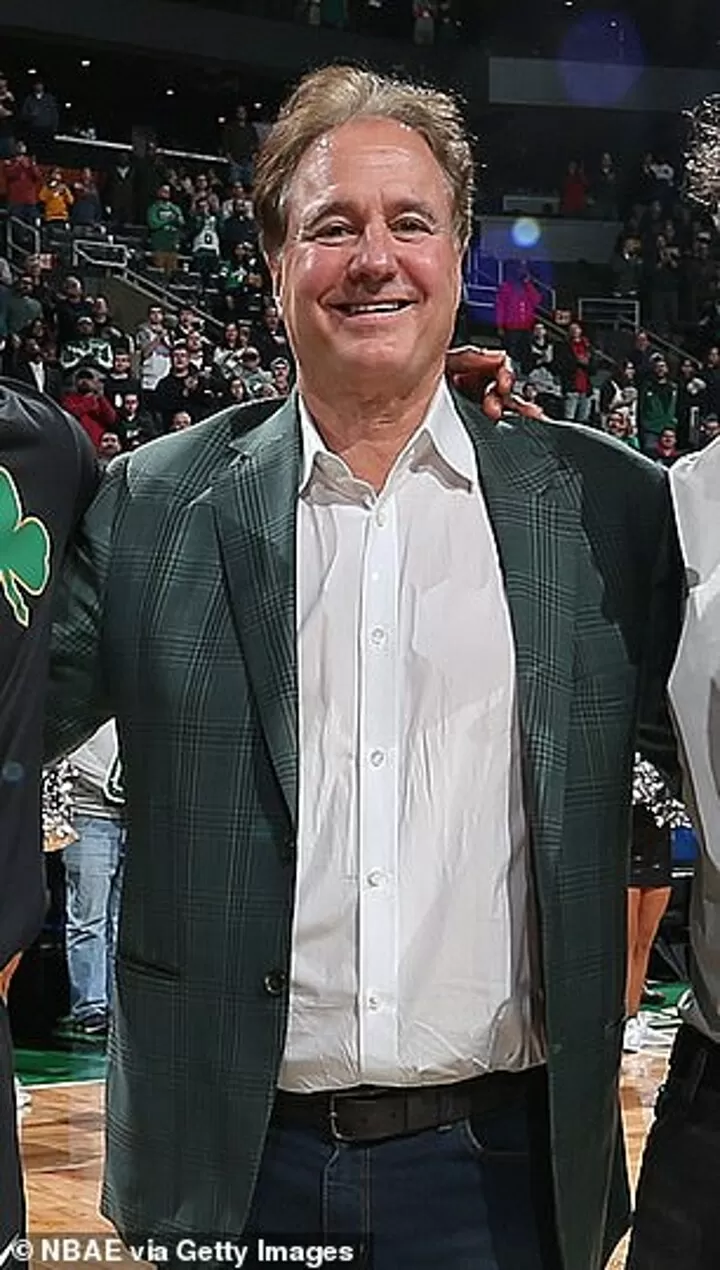
The Gaston-Cohen-Dupee group oversaw the glorious Larry Bird era, a golden age of Celtics basketball. With Bird, Kevin McHale, and Robert Parish leading the charge, the Celtics captured three NBA championships in the 1980s. This resurgence wasn’t just about basketball; it revitalized Boston’s image, attracting a new wave of sports tourists eager to witness greatness. Hotels in Boston filled up on game nights, restaurants thrived, and the city embraced a vibrant, winning lifestyle. This period cemented the Celtics as a premier travel destination for basketball enthusiasts worldwide.
The Modern Era: Boston Basketball Partners and Beyond
As the 20th century drew to a close and a new millennium dawned, the landscape of professional sports ownership continued to evolve, becoming increasingly globalized and sophisticated. The Boston Celtics would once again change hands, leading to the establishment of its current ownership group, Boston Basketball Partners L.L.C. This transition marked a strategic shift towards leveraging the team’s historic brand for broader appeal, connecting more deeply with themes of luxury travel, global tourism, and modern lifestyle.
From Paul Gaston to the Investment Group
Following the passing of Don Gaston in 1997, his son, Paul Gaston, inherited control of the franchise. While Paul continued his father’s legacy, the ever-increasing value and complexity of managing a major NBA team eventually led to a new chapter. In 2002, a consortium known as Boston Basketball Partners L.L.C. purchased the Celtics for approximately $360 million.
This new ownership group represented a blend of established business acumen and deep local ties. Key figures included Wyc Grousbeck, the managing partner and CEO; Stephen Pagliuca, co-owner and a managing director at Bain Capital; and H. Irving Grousbeck, Wyc’s father and a professor at Stanford University Graduate School of Business. Their approach signaled a modern era of sports ownership, characterized by strategic long-term planning, community engagement, and a keen understanding of brand management in a global market.
Rebuilding a Dynasty and Enhancing the Boston Experience
Under the stewardship of Boston Basketball Partners, the Celtics experienced a significant resurgence. After years of rebuilding, the team captured its 17th NBA championship in 2008, reigniting the passion of the fan base and drawing renewed international attention to Boston. This period has been marked by a focus on not just on-court success but also on enhancing the fan experience, which directly impacts tourism and local lifestyle.
The move from the historic Boston Garden to the state-of-the-art TD Garden (opened in 1995, prior to the current ownership but fully embraced by them) further elevated the experience. The TD Garden is more than just an arena; it’s a modern entertainment complex, offering premium seating, diverse dining options, and an atmosphere designed for maximum enjoyment. For travelers, attending a Celtics game at the TD Garden is a quintessential Boston experience, comparable to visiting Faneuil Hall Marketplace or taking a historic tour. The surrounding area, once primarily industrial, has transformed into a vibrant hub of hotels, restaurants, and nightlife, catering to visitors and locals alike, directly influenced by the presence of this major sports landmark.
The ownership group has also emphasized the team’s role as a community pillar, investing in youth programs and local initiatives that improve the quality of life in Massachusetts. This commitment to social responsibility is an increasingly important aspect of modern lifestyle and corporate citizenship, demonstrating how a sports franchise can contribute beyond its primary entertainment function. Their strategic focus on maintaining a competitive team, coupled with a keen eye for branding and fan engagement, ensures that the Boston Celtics remain a powerful draw for both dedicated fans and casual tourists exploring Boston.
The Enduring Legacy: Boston Celtics as a Global Icon
The question of “Who Owned The Boston Celtics?” reveals a rich tapestry of individuals and groups, each contributing to the enduring legacy of one of the world’s most recognizable sports franchises. From the founding vision of Walter A. Brown to the strategic acumen of Boston Basketball Partners, the common thread has been a deep connection to the city of Boston and a relentless pursuit of excellence.
The Celtics’ history is inextricably linked to the landmarks of Boston—from the iconic Boston Garden where legends were made, to the modern TD Garden that now hosts global events. These venues are not just sports arenas; they are tourist attractions in their own right, drawing visitors interested in the confluence of history, sports, and entertainment. For many, a trip to Boston would feel incomplete without experiencing the energy of a Celtics game or at least visiting the hallowed grounds where so much sports history unfolded.
The ownership groups throughout the years have, consciously or unconsciously, played a significant role in shaping Boston’s identity as a destination. Their investments, decisions, and triumphs have contributed to a vibrant urban lifestyle that appeals to a diverse range of visitors, from history buffs exploring the city’s revolutionary past to sports enthusiasts following in the footsteps of their heroes. The success of the Celtics has fueled local tourism, filled hotels, and created a dynamic atmosphere that extends far beyond game nights.
Ultimately, the story of Celtics ownership is a testament to the powerful blend of passion, business, and community. It highlights how sports franchises are not just teams but cultural institutions that anchor cities, attract global attention, and offer unique travel experiences. Whether one is interested in the intricate financial dealings of past owners, the transformative impact of figures like Red Auerbach, or the modern approach to brand management, the history of who owned the Boston Celtics offers a compelling narrative that continues to evolve, promising new chapters for future generations of fans and travelers alike. The enduring green legacy of the Celtics remains a beacon for the city, a symbol of Boston’s unwavering spirit, and a prime example of how sports can define a destination’s lifestyle.