
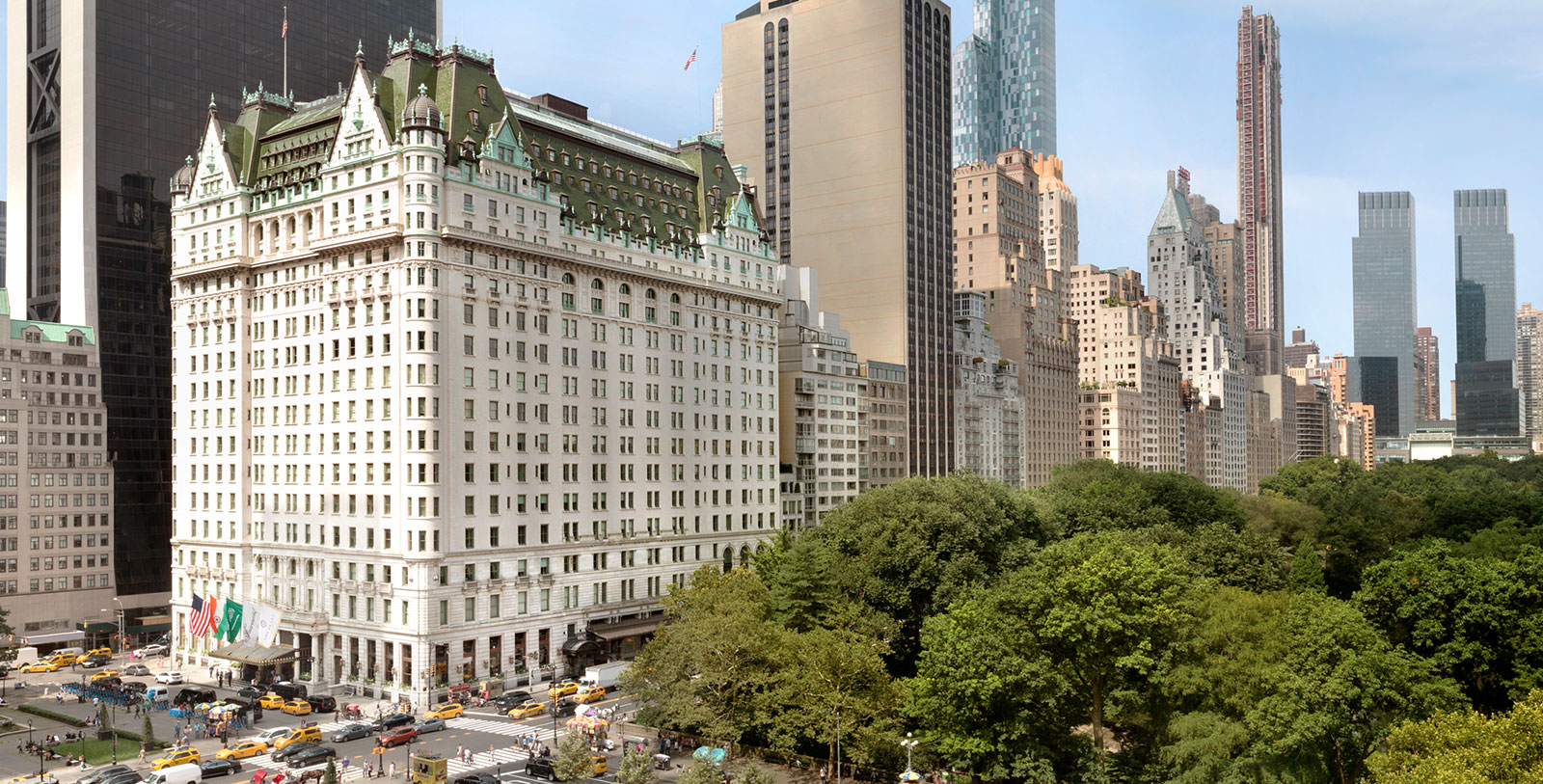
Few buildings encapsulate the grandeur, history, and evolving spirit of a city quite like The Plaza Hotel in New York City. A majestic architectural marvel standing proudly at the intersection of Fifth Avenue and Central Park South, it has been a beacon of luxury, a backdrop for countless stories, and a silent witness to over a century of New York life. Its distinctive chateau-style facade, designed by the celebrated architect Henry Janeway Hardenbergh, has made it an instantly recognizable landmark. Yet, behind its iconic exterior lies a fascinating and often complex tale of ownership, ambition, financial maneuvering, and the relentless pursuit of preserving a legend.
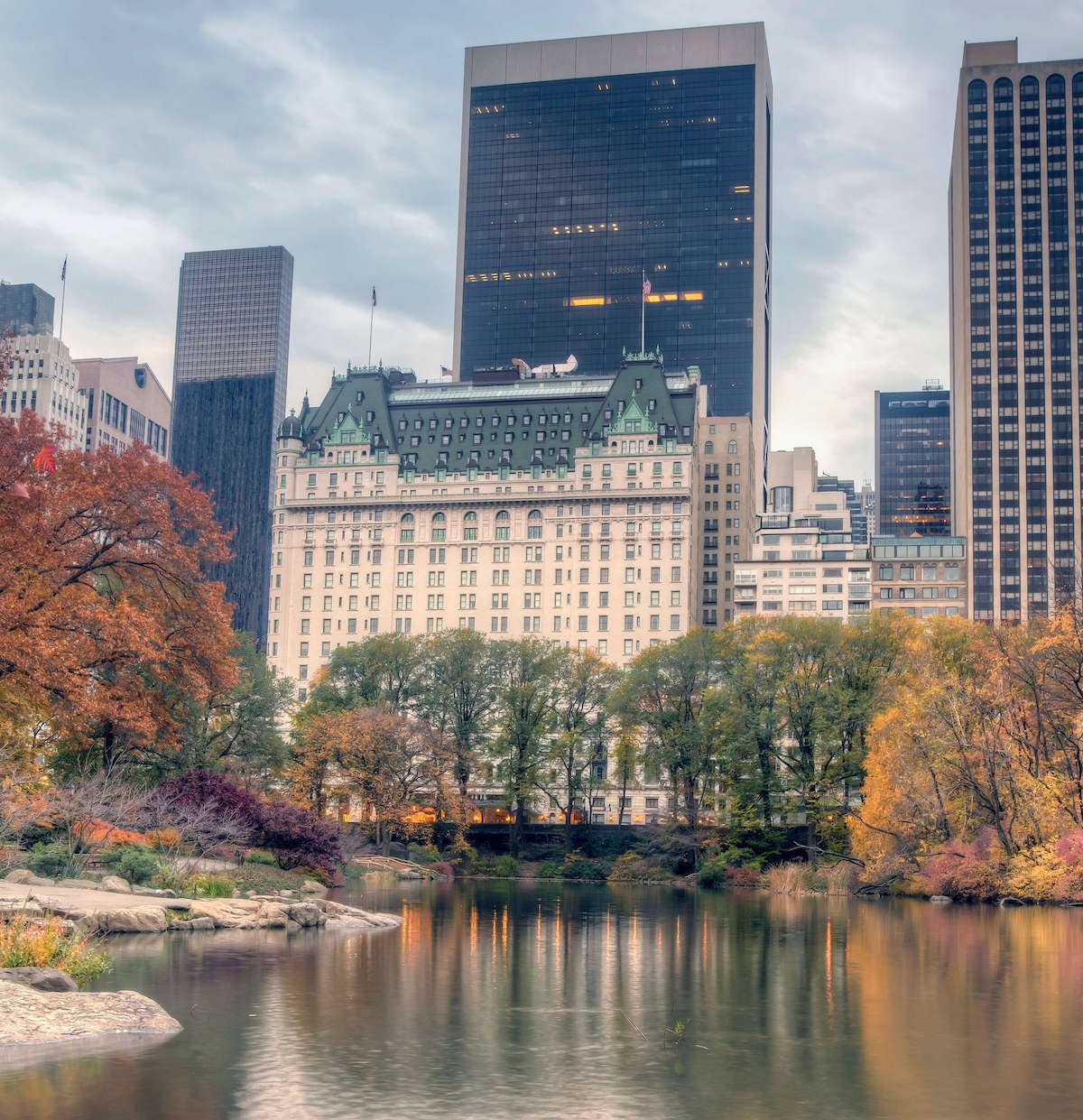
The question of “Who owned The Plaza Hotel?” is not a simple one with a single answer. Over its 117-year history, this storied establishment has changed hands numerous times, each ownership chapter adding a new layer to its rich narrative. From visionary developers and astute hoteliers to real estate moguls, international investors, and even a former United States president, the list of proprietors is as diverse and compelling as the hotel’s own legacy. Understanding these transitions offers a unique glimpse into the economic tides, real estate booms, and the ever-shifting landscape of luxury accommodation and hospitality in America and beyond. For travelers and enthusiasts of historical hotels, delving into the ownership history of The Plaza Hotel is like tracing the lineage of royalty, revealing the dedicated individuals and powerful corporations who have, at various times, held the keys to one of the world’s most famous addresses.
An Enduring Icon: The Plaza’s Genesis and Early Proprietors
The story of The Plaza Hotel begins with a grand vision for a grand city. At the turn of the 20th century, New York City was rapidly expanding, and its burgeoning elite sought sophisticated spaces for travel, social gatherings, and refined living.
Vision and Grand Opening: The Birth of a Legend
The site for what would become The Plaza Hotel was acquired by a syndicate headed by Bernhard G. Haas and Frederick Sterry. Their ambition was clear: to create the most luxurious hotel in the world, setting a new standard for urban sophistication. They commissioned the renowned architect Henry Janeway Hardenbergh, who had previously designed the Dakota Apartments and the original Waldorf-Astoria hotel, to bring their vision to life. Construction began in 1905, and just two years later, on October 1, 1907, The Plaza Hotel officially opened its doors. The initial cost of construction was a staggering $12 million, a princely sum at the time, reflecting the opulence and scale of the project.
From its inception, the hotel was owned by The Plaza Operating Company, a corporate entity formed by its founders and initial investors. This early ownership group laid the foundation for the hotel’s reputation, meticulously overseeing every detail from the elaborate ballrooms to the exquisitely furnished suites. They ensured that The Plaza quickly became the preferred destination for New York’s high society and discerning international travelers, establishing its status as a premier luxury travel destination.
The Golden Age of Hospitality: Boldt’s Influence
A pivotal figure in The Plaza Hotel’s early history was George Boldt. Known for his unparalleled success in running the original Waldorf-Astoria, Boldt purchased The Plaza in 1908, shortly after its opening. Under his ownership and management, the hotel truly flourished, solidifying its reputation for impeccable service and unparalleled elegance. Boldt brought his signature brand of hospitality to The Plaza, ensuring that every guest experience was nothing short of extraordinary. He understood the nuances of catering to an affluent clientele, from the grandeur of the Palm Court to the discrete charm of the Oak Room.
Boldt’s era is often remembered as a golden age for The Plaza, setting the benchmark for luxury hotels worldwide. His strategic vision and operational excellence helped embed The Plaza firmly into the cultural fabric of New York City. After Boldt’s death in 1916, his family continued to own the hotel for several years, maintaining the high standards he had established. This early period of ownership by seasoned hoteliers ensured that the hotel’s core identity as a symbol of sophisticated accommodation was firmly established before it began its journey through more complex corporate hands.
Post-War Transformations: Hilton, Zeckendorf, and the Winds of Change
The mid-20th century brought significant shifts in the ownership landscape of The Plaza Hotel, reflecting the post-war economic boom and the rise of large corporate entities in the hospitality sector.
The Hilton Era: Expanding the Empire
In 1943, the legendary hotelier Conrad Hilton, founder of Hilton Hotels Corporation, purchased The Plaza Hotel for $7.4 million. This acquisition marked a significant moment, as it brought one of the world’s most prestigious independent hotels into the fold of a rapidly expanding international chain. Hilton’s vision was to integrate The Plaza into his growing empire while preserving its unique character. Under Hilton’s leadership, The Plaza continued to thrive, attracting celebrities, dignitaries, and discerning travelers. The hotel benefited from Hilton’s extensive marketing reach and operational efficiency, further cementing its global reputation.
During Hilton’s ownership, The Plaza underwent various modernizations while carefully retaining its classic charm. This period saw the hotel remain a vibrant hub for social events, high-profile gatherings, and an essential component of the New York City scene, embodying the essence of sophisticated travel and lifestyle.
Financial Maneuvers: Zeckendorf’s Strategic Plays
In 1953, Conrad Hilton sold The Plaza Hotel to real estate magnate William Zeckendorf Sr. for $19.5 million. This was not a straightforward purchase, but rather a complex sale-leaseback arrangement. Zeckendorf’s company, Webb & Knapp, bought the hotel but immediately leased it back to Hilton for a long term. This innovative financial strategy allowed Zeckendorf to acquire valuable real estate while Hilton retained operational control and access to capital.
This ownership structure, though intricate, highlighted the increasing value of The Plaza Hotel’s physical asset and its prime location at Grand Army Plaza. It also underscored the evolving nature of real estate ownership, where the underlying property could be separated from the operational management of the hotel business. Zeckendorf’s involvement, though perhaps less visible to the average guest than Boldt’s or Hilton’s, represented a significant chapter in the hotel’s financial history, demonstrating its appeal as a valuable asset for major investors and developers.
The Trump Chapter: A High-Profile Ownership
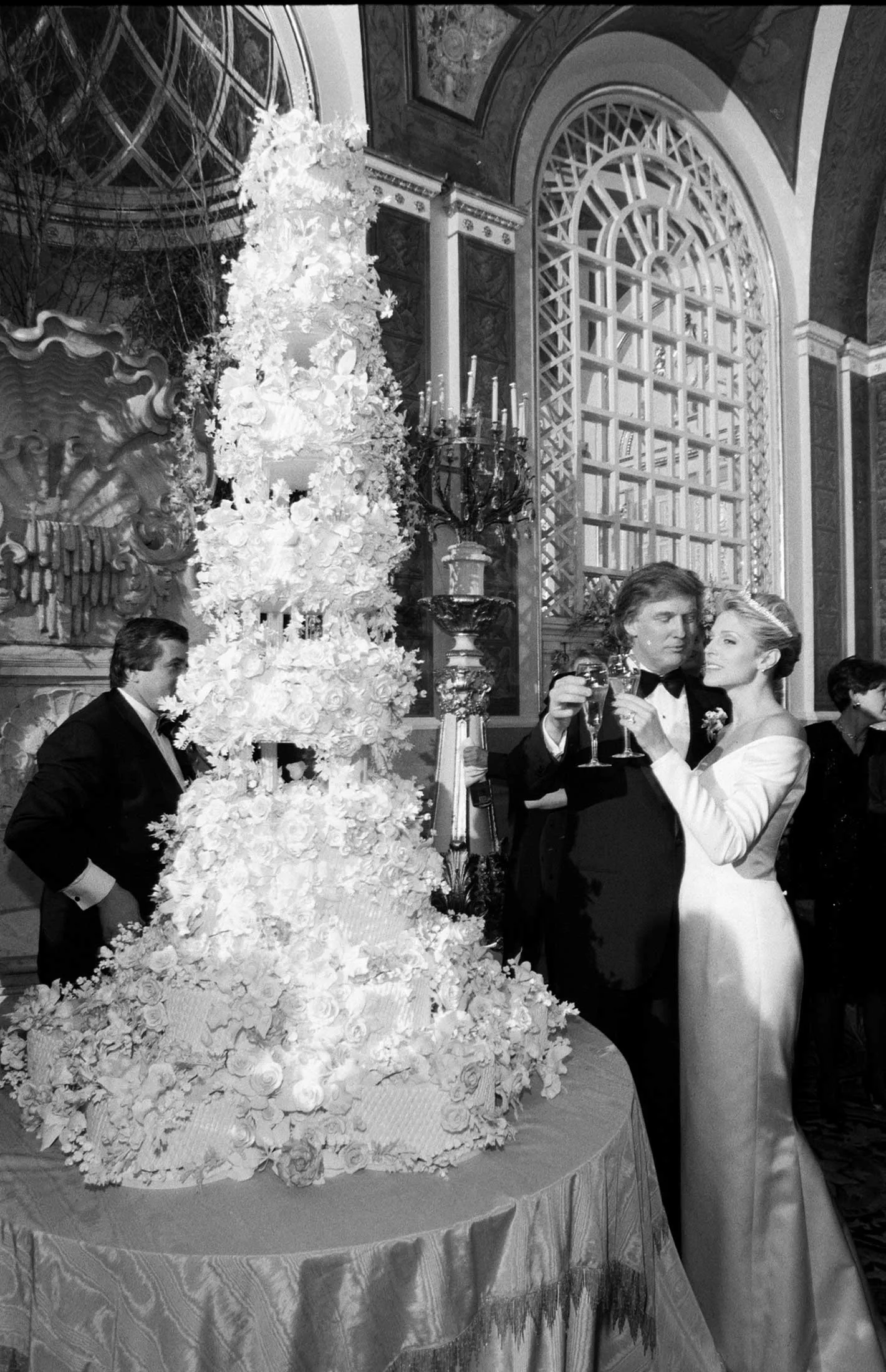
Perhaps no period of ownership garnered more public attention and media scrutiny than that of Donald Trump in the late 1980s. His acquisition of The Plaza Hotel was characterized by grand pronouncements and significant financial drama.
Donald Trump’s Grand Acquisition
In 1988, Donald Trump, then a prominent New York real estate developer, purchased The Plaza Hotel for an astonishing $407.5 million. At the time, this was one of the most expensive hotel acquisitions ever. Trump famously declared, “I haven’t purchased a building, I have purchased a masterpiece – the Mona Lisa. For the first time in my life, I have knowingly made a deal that was not in the best financial interest of my company. I did it because I could never justify not owning this building.” This quote perfectly captured his ambitious and often theatrical approach to business and property.
Under his ownership, Trump installed his then-wife, Ivanka Trump, as the hotel’s president. She embarked on a significant renovation effort aimed at restoring much of The Plaza’s historical grandeur while adding modern touches to its suites and public spaces. This era was marked by high-profile events, celebrity sightings, and a renewed buzz around the iconic hotel, reinforcing its status as a must-visit destination for luxury travelers.
The Plaza’s Financial Rollercoaster
Despite the glamour and the substantial investment in renovations, Donald Trump’s ownership of The Plaza Hotel proved to be financially challenging. The acquisition was heavily leveraged, and the debt burden, coupled with a downturn in the early 1990s real estate market, put immense pressure on the hotel’s finances. The Plaza eventually faced foreclosure proceedings, and Trump was forced to relinquish control in 1992.
A consortium of creditors, including Citibank, took over ownership. They restructured the debt, and a portion of the hotel was later sold to Prince Al-Waleed bin Talal of Saudi Arabia and Millennium & Copthorne Hotels in 1995. This marked the end of Trump’s direct ownership, highlighting the volatile nature of high-stakes real estate and the complexities involved in managing such a significant landmark. The Trump years, though tumultuous, undeniably added a dramatic and memorable chapter to The Plaza’s already storied history, further cementing its place in popular culture.
Global Investment and Modern Reimagining
The 21st century brought an era of international investment and a radical reimagining of The Plaza Hotel’s operational model, balancing its historical integrity with contemporary market demands.
From Condos to International Consortiums
Following the departure of Donald Trump, The Plaza Hotel entered a period of diverse and complex ownership structures. In 1995, a significant stake was acquired by Prince Al-Waleed bin Talal of Saudi Arabia through his firm, Kingdom Holding Company, in partnership with Millennium & Copthorne Hotels. This partnership oversaw a period of stabilization and continued its operation as a premier luxury hotel.
A monumental change occurred in 2004 when Elad Properties, an Israel-based development company, purchased The Plaza Hotel for $675 million. Elad embarked on a controversial but ultimately successful plan to convert a significant portion of the hotel into private condominiums, while retaining a smaller, but still luxurious, traditional hotel component. The conversion, completed in 2008, saw 182 private residences created alongside a 282-room hotel. This hybrid model was a strategic move to capitalize on New York City’s booming luxury real estate market, transforming a pure hotel into a mixed-use residential and hospitality landmark.
The Current Custodians: Safeguarding a Legacy
The ownership journey continued with further international investment. In 2012, Sahara India Pariwar, an India-based conglomerate led by Subrata Roy, acquired a 75% stake in The Plaza Hotel from Elad Properties for approximately $570 million, valuing the entire property at around $700 million. Kingdom Holding Company retained its 25% stake, maintaining a continuity of ownership interest for Prince Al-Waleed bin Talal.
However, Sahara India Pariwar faced significant financial and legal challenges in India, which ultimately led to the need to sell its stake. After several years of uncertainty and potential buyers, a consortium led by Shahid Khan (owner of the Jacksonville Jaguars) and then another group involving Ashkenazy Acquisition Corporation, who already owned the retail portion, were among the interested parties.
Ultimately, in 2018, Katara Hospitality, a hospitality arm of the Qatari government, purchased the 75% stake from Sahara India Pariwar for approximately $600 million. This acquisition brought The Plaza Hotel under predominantly Qatari ownership, as Katara Hospitality is a key global player in luxury hotels and resorts, known for its portfolio of iconic properties worldwide, including many in France and across Europe. Kingdom Holding Company and Ashkenazy Acquisition Corporation continue to hold minority stakes in different parts of the property, particularly the retail and some hotel components.
Today, The Plaza Hotel is managed by Fairmont Hotels and Resorts, a renowned luxury hotel brand, ensuring its continued operation as a top-tier accommodation for guests. The current ownership structure reflects the global nature of luxury real estate investment, with a diverse group of entities safeguarding the future of this irreplaceable New York City icon.
More Than Owners: The Plaza’s Lasting Impact
The intricate lineage of The Plaza Hotel’s ownership is a testament not only to its immense value as a piece of prime New York City real estate but also to its enduring symbolic power. Each owner, whether a visionary hotelier, a shrewd developer, or an international investment firm, has left an indelible mark, contributing to the hotel’s evolving narrative. From its grand opening by Bernhard G. Haas and Frederick Sterry to the golden age under George Boldt, the corporate consolidation by Conrad Hilton, the financial ingenuity of William Zeckendorf Sr., the high-profile era of Donald Trump, and the modern global consortiums led by entities like Katara Hospitality, The Plaza Hotel has truly seen it all.
Beyond the balance sheets and ownership deeds, The Plaza stands as a vibrant landmark, a character in countless books and films, and a treasured part of New York’s identity. It embodies luxury travel, historical architecture, and the timeless appeal of grand hotels. Its constantly evolving ownership history reflects the broader trends in global tourism and the increasing internationalization of prestigious real estate assets. For anyone interested in travel, hospitality, or simply the fascinating stories behind iconic places, The Plaza Hotel’s journey through various hands offers a compelling insight into how these magnificent structures are preserved and reimagined for future generations. Its legacy is not just about who owned it, but how each owner contributed to its ongoing story as one of the world’s most beloved and enduring destinations.
LifeOutOfTheBox is a participant in the Amazon Services LLC Associates Program, an affiliate advertising program designed to provide a means for sites to earn advertising fees by advertising and linking to Amazon.com. Amazon, the Amazon logo, AmazonSupply, and the AmazonSupply logo are trademarks of Amazon.com, Inc. or its affiliates. As an Amazon Associate we earn affiliate commissions from qualifying purchases.