
The name Fairmont Hotels evokes images of grandeur, historic elegance, and unparalleled luxury. From the iconic spires of Le Château Frontenac overlooking Quebec City to the opulent interiors of The Plaza Hotel in New York City, Fairmont properties are often landmarks in their own right, deeply woven into the fabric of the destinations they inhabit. For discerning travelers seeking exceptional experiences, a stay at a Fairmont is more than just accommodation; it’s an immersion in refined hospitality, often with a rich history to explore. Given their global presence and prestigious reputation, it’s natural to wonder about the entity behind this iconic brand.
So, who owns Fairmont Hotels? Today, the esteemed luxury hotel chain is part of the extensive portfolio of Accor, a leading global hospitality group based in France. This acquisition in 2016 marked a significant moment in the luxury travel landscape, bringing together some of the world’s most recognizable brands under one umbrella. To truly understand this ownership, we must journey through Fairmont’s storied past, exploring its origins, its evolution through various corporate structures, and the strategic vision that led to its current place within the Accor empire.
A Legacy of Luxury and Landmark Properties
Fairmont’s story is one intrinsically linked to pioneering hospitality and the preservation of architectural masterpieces. The brand has cultivated a reputation for properties that are not merely places to stay, but destinations in themselves, offering guests a blend of historical charm, modern amenities, and immersive local culture. This focus on unique properties has made Fairmont a favorite among luxury travelers, from those on romantic getaways to business executives seeking a distinguished stay.
The Origins of a Prestigious Brand
The roots of what we now know as Fairmont Hotels stretch back to the late 19th and early 20th centuries. The very first Fairmont property, The Fairmont San Francisco, opened its doors in 1907 in San Francisco, United States. This grand hotel quickly became synonymous with elegance and played a pivotal role in the city’s resurgence after the 1906 earthquake. It set a precedent for the brand: iconic locations, magnificent architecture, and a commitment to impeccable service.
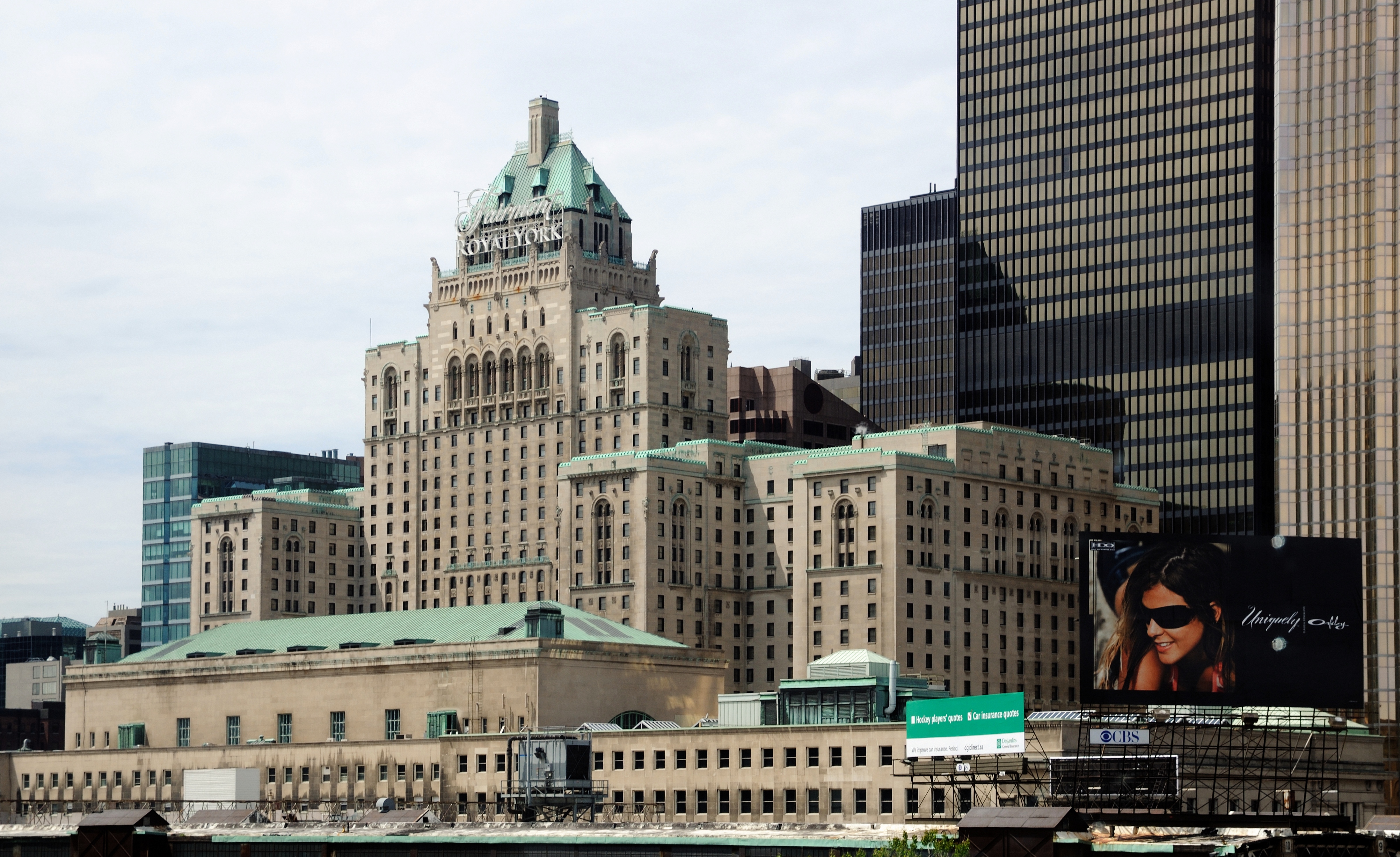
However, the brand’s expansive portfolio also owes much to the railway hotels of Canada. These magnificent structures, built by Canadian Pacific Railway in the late 19th and early 20th centuries, were designed to promote tourism and provide luxurious stops along the country’s vast rail network. Hotels like Le Château Frontenac in Quebec City, The Fairmont Banff Springs nestled in Banff National Park, and The Fairmont Royal York in Toronto were architectural marvels that quickly became national treasures. These properties, with their strategic locations and breathtaking surroundings, became the cornerstone of Fairmont’s identity, often serving as gateways to exploring stunning landscapes and rich histories.
Iconic Hotels Around the Globe
Today, the Fairmont collection boasts over 80 properties across more than 20 countries, spanning North America, Europe, Middle East, Africa, and Asia. Each hotel is designed to reflect its unique environment and culture, offering guests a distinct experience while maintaining the brand’s signature standards of luxury.
Consider the majestic The Fairmont Banff Springs, often referred to as the “Castle in the Rockies,” offering unparalleled access to the natural beauty of Banff National Park. Or The Fairmont Chateau Lake Louise, with its stunning views of Lake Louise’s emerald waters. In Asia, The Fairmont Peace Hotel on Shanghai‘s Bund stands as an art deco masterpiece, offering a glimpse into the city’s glamorous past. In the United States, The Fairmont Copley Plaza in Boston and The Fairmont Olympic Hotel in Seattle exemplify urban luxury with historical significance. For a resort experience, The Fairmont Kea Lani in Maui, Hawaii, or The Fairmont Scottsdale Princess in Scottsdale, Arizona provide tropical or desert oases. The list continues with properties like The Fairmont Empress in Victoria, Canada, The Fairmont Le Montreux Palace in Montreux, Switzerland, and The Fairmont Monte Carlo in Monte Carlo, Monaco. These hotels are not just places to sleep; they are integral to the travel experience, often serving as focal points for exploration, relaxation, and cultural immersion, attracting guests globally.

The Path to Acquisition: A Shifting Landscape
The journey of Fairmont Hotels to its current ownership under Accor is a fascinating narrative of corporate restructuring, strategic partnerships, and the consolidation of power within the global hospitality industry. Over the decades, Fairmont has seen various ownership structures, each contributing to its growth and global footprint.
Early Ownership and Expansion
For many years, the Canadian Pacific Hotels chain (the precursor to much of Fairmont’s Canadian portfolio) operated independently, growing its collection of iconic hotels. Meanwhile, the original Fairmont brand in the United States also expanded, albeit on a smaller scale. The pivotal moment for the modern Fairmont brand came in 1999 when Canadian Pacific Hotels acquired the Fairmont brand and management company from Maritz, Wolff & Co., subsequently rebranding itself as Fairmont Hotels & Resorts. This move united a significant number of landmark properties under a single, globally recognized luxury banner.
This period saw a concerted effort to expand the Fairmont presence beyond its traditional North American strongholds. The brand began to establish itself in key global cities and resort destinations, leveraging its reputation for luxury and service to attract a high-end clientele. This expansion required significant investment and strategic partnerships, laying the groundwork for future changes in ownership.

Strategic Mergers and Corporate Evolutions
The early 2000s brought further significant changes. In 2006, Fairmont Hotels & Resorts was acquired by a joint venture between Prince Al-Waleed bin Talal’s Kingdom Holding Company of Saudi Arabia and Colony Capital. This partnership aimed to further enhance the brand’s global reach and bolster its luxury positioning. Kingdom Holding Company, known for its substantial investments in premium hospitality brands worldwide, recognized the immense value and potential of the Fairmont portfolio.
A crucial development occurred in 2010 with the formation of FRHI Hotels & Resorts (Fairmont, Raffles Hotels & Resorts, Swissôtel). This new entity was created through a merger between Fairmont Hotels & Resorts, Raffles Hotels & Resorts, and Swissôtel, bringing three distinct but complementary luxury and upscale brands under one management structure. FRHI was owned by Kingdom Holding Company and Qatar-based Katara Hospitality (formerly Qatar National Hotels Company). Later, the ownership structure of FRHI shifted to be primarily held by the Saudi Arabia Public Investment Fund (58%), Qatar Investment Authority (32%), and Kingdom Holding Company (10%). This consolidation allowed for greater operational efficiency, cross-promotion, and a stronger collective presence in the competitive luxury hospitality market. It positioned FRHI as a formidable player, managing a collection of some of the world’s most prestigious properties.
Accor: The Current Steward
The most significant shift in Fairmont’s ownership history occurred in 2016, when Accor announced its acquisition of FRHI Hotels & Resorts. This monumental deal reshaped the luxury hospitality landscape and firmly established Accor as a dominant force in the high-end segment.
The Acquisition of FRHI Hotels & Resorts
In December 2015, AccorHotels (as it was then known) entered into a definitive agreement to acquire FRHI Hotels & Resorts. The transaction was completed in July 2016, valued at approximately $2.9 billion (€2.7 billion) in cash and shares. The acquisition included the three core brands of FRHI: Fairmont, Raffles, and Swissôtel.
For Accor, a company with a vast portfolio ranging from economy (like Ibis) to midscale (like Novotel and Mercure Hotels) and premium brands (like Pullman Hotels & Resorts and Sofitel), the acquisition of FRHI was a game-changer. It dramatically accelerated Accor’s strategy to strengthen its position in the luxury and upscale hotel market. The addition of these iconic brands immediately boosted Accor’s presence in key luxury travel destinations, particularly in North America, a market where Fairmont has a deep-rooted legacy. It also brought a wealth of management expertise and brand prestige that would take decades to build organically.
Synergies and Brand Integration within Accor
Since the acquisition, Fairmont has operated as a distinct luxury brand within the larger Accor ecosystem. Accor’s strategy has been to leverage its global distribution network, loyalty program (Accor Live Limitless (ALL)), and operational efficiencies to further enhance Fairmont’s performance and expand its footprint.
While integration into a larger group can sometimes dilute brand identity, Accor has largely been successful in preserving Fairmont’s unique character. The focus has been on maintaining the high standards of service, the distinct design aesthetics, and the historical integrity that guests associate with Fairmont. At the same time, Fairmont guests now benefit from access to Accor’s comprehensive loyalty program, which offers points and benefits across a diverse portfolio of hotels worldwide, enhancing the overall value proposition for frequent travelers.
The acquisition has also opened doors for Fairmont’s expansion into new markets where Accor has a strong presence, particularly in regions like Middle East and Asia Pacific. This strategic growth ensures that the Fairmont legacy continues to evolve, bringing its brand of luxury to even more destinations.
What This Means for the Fairmont Experience
For guests, the transition of Fairmont Hotels into the Accor family has largely been a positive one, reinforcing the brand’s commitment to luxury while expanding its global reach and integrated benefits. The essence of what makes a Fairmont stay special remains intact, underpinned by the vast resources of one of the world’s largest hospitality groups.
Maintaining the Brand’s Distinct Identity
One of Accor’s key objectives post-acquisition was to maintain and enhance the distinct identities of its newly acquired luxury brands. For Fairmont, this means continuing to celebrate its rich history, its connection to iconic landmarks, and its commitment to unparalleled service. Whether it’s the personalized welcome at The Fairmont Washington, D.C., the culinary excellence at The Fairmont Orchid on the Big Island of Hawaii, or the architectural splendor of Le Château Frontenac, each Fairmont property continues to deliver a unique and memorable experience tailored to its location.
Accor’s multi-brand strategy allows each hotel brand, from Sofitel to Mövenpick Hotels & Resorts and Fairmont, to thrive within its own niche, appealing to specific traveler segments. This ensures that Fairmont properties continue to attract those who seek historic charm, sophisticated amenities, and a deep sense of place. The group’s investment in preserving and upgrading these historic properties, such as the ongoing renovations at many of the Canadian castles, underscores this commitment.
Future Growth and Global Reach
Under Accor’s stewardship, Fairmont Hotels is poised for continued growth. Accor’s extensive development pipeline and global presence mean that new Fairmont properties are being planned and opened in strategic locations worldwide. This includes expansion in emerging luxury markets and strengthening its presence in established ones. Recent additions have seen the brand expand its footprint in destinations like the Middle East and Asia, offering travelers more opportunities to experience the brand’s legendary hospitality.
Furthermore, being part of the Accor network allows Fairmont to tap into advanced technology, enhanced marketing capabilities, and a global sales force. This translates into a more seamless booking experience, wider visibility, and integrated guest services, all contributing to a more robust and accessible luxury travel offering. The loyalty program, Accor Live Limitless (ALL), provides a unified platform for guests to earn and redeem points across a vast network, making luxury stays more rewarding and encouraging exploration across various Accor brands. This synergy ultimately benefits the guest, offering a broader array of destinations, experiences, and booking flexibility.
In conclusion, while the face of ownership for Fairmont Hotels has evolved over the years, its core identity as a beacon of luxury, heritage, and exceptional service remains steadfast. Today, under the powerful umbrella of Accor, Fairmont continues to thrive, delighting travelers worldwide with its iconic properties and unwavering commitment to crafting unforgettable experiences. For anyone considering a stay, knowing that Fairmont is backed by a global leader like Accor only reinforces its promise of quality, reliability, and continued innovation in the luxury hospitality sector.
LifeOutOfTheBox is a participant in the Amazon Services LLC Associates Program, an affiliate advertising program designed to provide a means for sites to earn advertising fees by advertising and linking to Amazon.com. Amazon, the Amazon logo, AmazonSupply, and the AmazonSupply logo are trademarks of Amazon.com, Inc. or its affiliates. As an Amazon Associate we earn affiliate commissions from qualifying purchases.