
Marriott International, a name synonymous with global hospitality, holds an undeniable prominence in the travel industry. When contemplating “who owns Marriott Hotels,” many might instinctively think of the founding family. While the Marriott family’s legacy and influence remain profoundly significant, the direct answer is that Marriott International is a publicly traded company. This means its ownership is distributed among a vast number of shareholders worldwide, ranging from large institutional investors and mutual funds to individual retail investors. This decentralized ownership model is a hallmark of many global corporations, reflecting a complex interplay of market dynamics, investor interests, and strategic corporate governance. Understanding this structure, alongside the company’s rich history and diverse portfolio, provides a comprehensive picture of one of the world’s leading hotelier giants.
The Ownership Structure of Marriott International: A Publicly Traded Entity
At its core, Marriott International operates as a public company, with its shares openly traded on the NASDAQ stock exchange under the ticker symbol MAR. This crucial detail defines its ownership: it’s not owned by a single individual or even solely by the Marriott family, but by its shareholders. These shareholders, in essence, own a fractional part of the company. The company’s market capitalization, reflecting the total value of all its outstanding shares, fluctuates daily based on market performance, investor confidence, and global economic indicators.
A Decentralized Model of Control and Influence
The vast pool of shareholders creates a decentralized ownership model. While the Marriott family retains a significant stake and considerable influence, particularly through family members on the board of directors, they do not hold absolute majority ownership. Instead, control is vested in a democratically elected board of directors, which oversees the company’s strategic direction and ensures accountability to all shareholders.
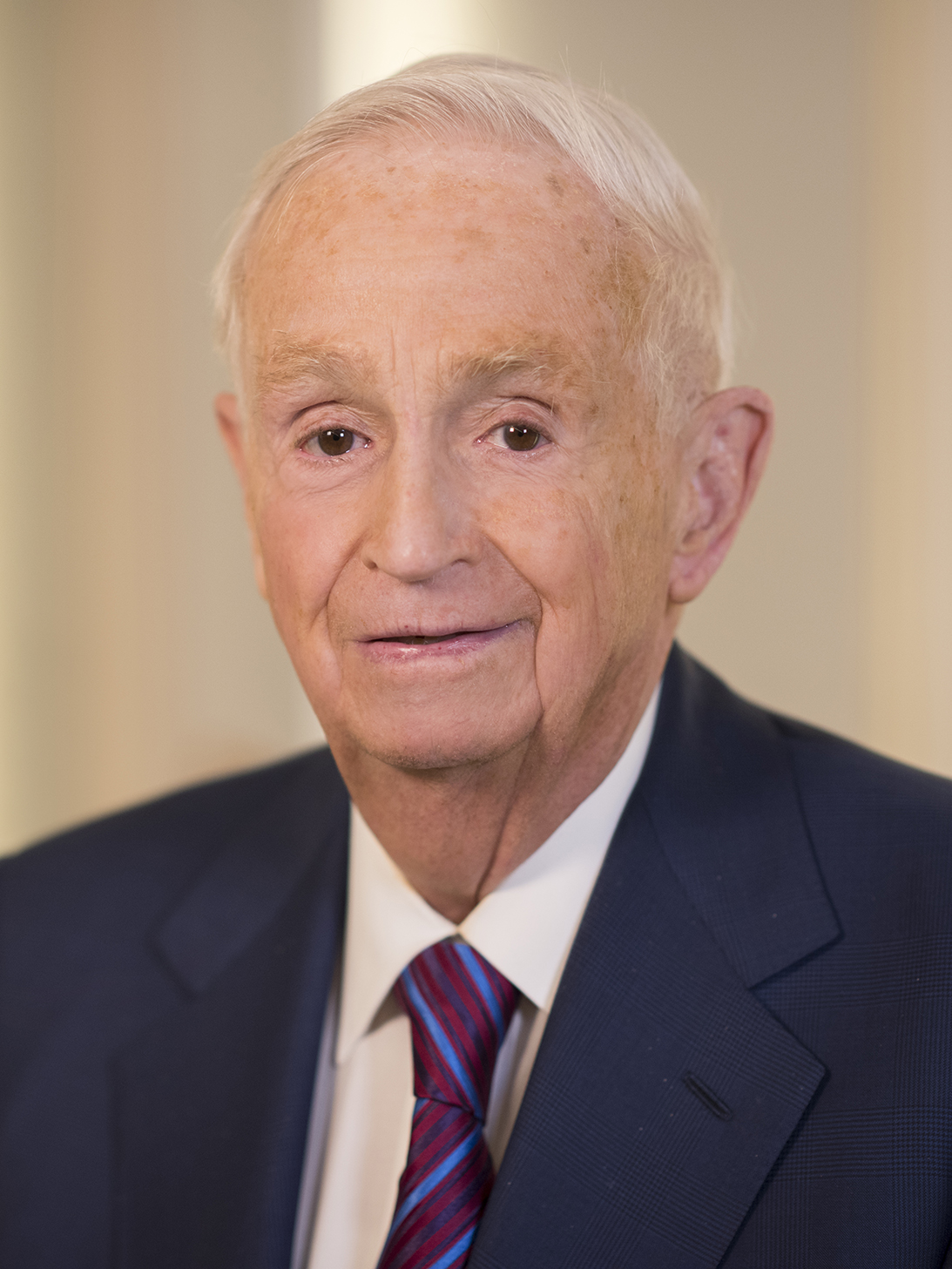
Key figures in the company’s leadership play a pivotal role in its daily operations and long-term vision. The current Chief Executive Officer (CEO), Anthony Capuano, leads the executive team in executing the company’s strategy. Furthermore, David Marriott, a member of the founding family, serves as the Chairman of the Board, providing a crucial link to the company’s heritage while guiding its future trajectory. This blend of professional management and historical stewardship ensures that Marriott International continues to uphold its foundational values while adapting to the ever-evolving demands of the global hospitality market.
Institutional investors, such as pension funds, mutual funds, and asset management firms, often hold the largest blocks of shares. Their collective influence can be substantial, shaping corporate governance and demanding strong financial performance. This public ownership structure necessitates transparency, adherence to regulatory standards, and a constant focus on delivering shareholder value, all while navigating the complexities of a global business environment.
A Legacy of Hospitality: The Journey of Marriott
The story of Marriott International is a classic American tale of entrepreneurship, vision, and relentless dedication to customer service. From humble beginnings, it has blossomed into an undisputed leader in the travel and accommodation sectors, shaping how millions experience destinations and travel around the world.
From Root Beer Stand to Global Powerhouse
The origins of Marriott International trace back to 1927, when J. Willard Marriott and his wife, Alice Sheets Marriott, opened a small root beer stand in Washington, D.C.. They named it the Hot Shoppe. Recognizing the need for quality food service among travelers, they expanded their business model to include catering and restaurant operations. Their foray into the lodging industry began three decades later, marking a pivotal moment in the company’s evolution. In 1957, the very first Marriott hotel, the Twin Bridges Marriott Motor Hotel, opened its doors in Arlington, Virginia.
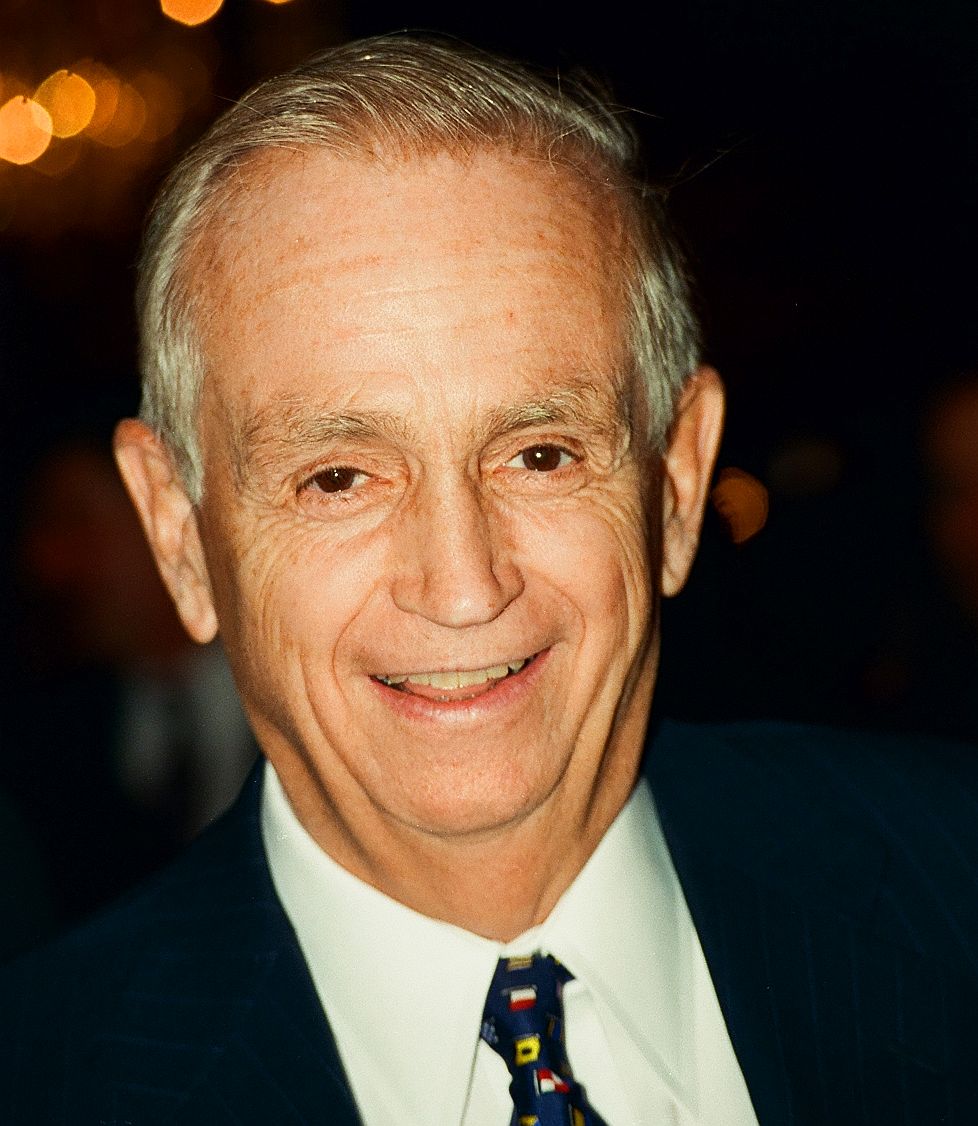
This initial venture into hotels was spearheaded by their son, Bill Marriott Jr., who took the reins and transformed the regional hotel chain into a global hospitality powerhouse. His vision, coupled with a deep understanding of customer needs and a commitment to innovation, propelled the company through decades of sustained growth and strategic diversification.
Strategic Acquisitions and Unprecedented Growth
The most significant turning point in Marriott International’s history came with a series of bold acquisitions. The purchase of Ritz-Carlton in 1995 added an iconic luxury brand to its portfolio, signaling its ambition to dominate the high-end segment of the market. However, it was the acquisition of Starwood Hotels & Resorts Worldwide in 2016 that truly cemented Marriott’s position as the world’s largest hotel company. This monumental merger brought together an unparalleled collection of diverse brands, including Sheraton, Westin, St. Regis, W Hotels, and Le Méridien, under one corporate umbrella.
These strategic moves were not merely about increasing scale; they were about broadening market reach, diversifying offerings, and leveraging a vast network to cater to every conceivable traveler segment. From the full-service comfort of a traditional Marriott hotel to the budget-friendly efficiency of a Courtyard by Marriott, the company meticulously crafted a portfolio designed to meet varied demands. This extensive growth story underscores the company’s dynamic approach to business, continuously adapting and expanding to maintain its leadership in a highly competitive industry.
The Diverse Portfolio: Catering to Every Traveler
One of Marriott International’s greatest strengths lies in its incredibly diverse portfolio of brands, each meticulously designed to cater to distinct traveler preferences, purposes, and budgets. With over 30 brands spanning across various categories, Marriott has successfully created a comprehensive ecosystem of accommodation options, ensuring that whether a guest seeks opulent luxury, practical convenience, or extended stay comfort, there is a brand to match.
Luxury and Lifestyle Brands
At the pinnacle of Marriott’s offerings are its luxury and lifestyle brands, designed for discerning travelers who seek unparalleled service, exquisite design, and unique experiences. Brands like The Ritz-Carlton and St. Regis Hotels & Resorts embody timeless elegance and bespoke service, often located in some of the world’s most iconic destinations. JW Marriott provides sophisticated luxury with an emphasis on well-being, while W Hotels offers a vibrant, design-led, and energetic experience appealing to a more fashion-forward clientele. EDITION Hotels, a collaboration with hotelier Ian Schrager, blends personalized service with innovative design and unique culinary experiences. For those seeking distinctive, independent hotels with a collective identity, The Luxury Collection curates a portfolio of world-renowned hotels and resorts.

Premium and Select Service Offerings
The premium and select service categories represent the core of Marriott’s extensive network, offering a balance of quality, service, and value. The flagship Marriott Hotels & Resorts brand itself provides full-service accommodations, often with extensive meeting facilities, restaurants, and recreational amenities, appealing to both business and leisure travelers. Brands like Sheraton and Westin are renowned for their comfortable rooms, wellness focus, and global presence, while Le Méridien offers a European-inspired, art-centric experience.
In the select service segment, brands such as Courtyard by Marriott and Fairfield by Marriott provide streamlined services, modern amenities, and consistent quality, perfect for business travelers and families seeking reliability and convenience. SpringHill Suites offers all-suite accommodations with extra space and amenities, striking a balance between comfort and affordability.
Longer Stays and All-Suite Concepts
Recognizing the growing demand for extended stays, Marriott has developed a strong lineup of brands tailored for guests needing more than just a short overnight stay. Residence Inn by Marriott and TownePlace Suites by Marriott offer spacious suites with fully equipped kitchens, ideal for week-long business trips, family vacations, or relocations. Element by Westin focuses on eco-conscious, extended-stay living, promoting a balanced and healthy lifestyle.
Beyond these traditional hotel formats, Marriott also operates Marriott Executive Apartments for corporate travelers seeking apartment-style living in major global cities, and Marriott Vacations Worldwide for vacation ownership, offering a different modality of travel and property engagement. This comprehensive and finely segmented approach allows Marriott International to capture a vast share of the global accommodation market, from the most extravagant resorts to practical, long-term lodgings.
The Business Model: A Symphony of Franchising and Management
While Marriott International is globally recognized for its hotel brands, it’s crucial to understand that the company typically does not own the vast majority of the physical hotel properties. Instead, its dominant business model revolves around franchising and management contracts, an “asset-light” strategy that has allowed for rapid expansion and efficient capital allocation. This approach means that the actual buildings and land are usually owned by independent real estate investors or development companies, while Marriott provides its brand power, operational expertise, and formidable distribution channels.
The Power of Franchising
Franchising is a cornerstone of Marriott’s growth strategy. Under this model, independent hotel owners or investment groups acquire a license to operate a hotel under one of Marriott’s brands. In exchange for a fee structure, these franchisees gain access to Marriott’s widely recognized brand names, comprehensive marketing campaigns, global booking systems, and stringent operational standards. They benefit immensely from the brand’s reputation, instant credibility, and customer loyalty fostered by programs like Marriott Bonvoy.
For Marriott International, the franchising model allows for expansive growth without the massive capital expenditure required to own every property. This reduces financial risk and enables the company to focus on its core competencies: brand development, marketing, loyalty programs, and setting service standards. It’s a symbiotic relationship where owners leverage a proven brand and system, and Marriott expands its footprint and earns revenue through fees.
Management Contracts: Expertise in Action
In addition to franchising, Marriott International also manages a significant portion of its branded hotels for third-party owners. Under a management contract, Marriott takes on the day-to-day operational responsibilities of the hotel, including staffing, marketing, revenue management, and guest services. The company provides its deep expertise, seasoned management teams, and proprietary operational systems to ensure the hotel performs optimally and maintains the brand’s high standards.
This model allows property owners to benefit from Marriott’s industry-leading operational capabilities without having to manage the complexities of hotel operations themselves. For Marriott, management contracts represent another stable revenue stream through management fees and provide a greater degree of control over brand consistency and guest experience compared to pure franchising. Both franchising and management contracts underscore Marriott International’s role not primarily as a real estate owner, but as a powerful brand manager, operator, and innovation engine in the global hospitality landscape.
Marriott’s Global Footprint and Future Trajectories
Marriott International boasts an unparalleled global presence, with over 8,000 properties across 30 distinct brands, spanning 139 countries and territories. This expansive network positions Marriott as a truly international enterprise, influencing tourism and local economies in virtually every corner of the world. From iconic skyscrapers in New York and London to luxurious resorts in Dubai and Paris, and bustling urban hotels in Tokyo and Shanghai, Marriott properties are integral to the global travel experience.
This vast footprint not only offers immense convenience for travelers but also provides Marriott with significant market intelligence and operational leverage. The ability to cater to diverse cultures, regulatory environments, and consumer preferences across continents is a testament to its adaptable business model and strong local partnerships.
Innovating for Tomorrow’s Traveler
Looking ahead, Marriott International remains at the forefront of hospitality innovation, constantly adapting to new travel trends and technological advancements. The company is heavily invested in areas such as sustainability, striving to minimize its environmental impact through energy efficiency, waste reduction, and responsible sourcing. Technology continues to play a critical role, with advancements like mobile check-in, keyless entry, and personalized digital concierge services enhancing the guest experience. Artificial intelligence is increasingly being leveraged to optimize operations and personalize recommendations.
The evolving landscape of travel, marked by the rise of remote work, increased focus on wellness, and a desire for authentic local experiences, also shapes Marriott’s future strategies. The company is exploring new concepts like flexible co-working spaces within hotels, wellness-focused amenities, and curated local activities that immerse guests in the destination’s culture and food scene. Furthermore, the power of its Marriott Bonvoy loyalty program, with its millions of members, provides invaluable data for understanding traveler preferences and tailoring future offerings. By continuously innovating and anticipating the needs of tomorrow’s traveler, Marriott International is poised to maintain its leadership position and shape the future of global hospitality.
In conclusion, “who owns Marriott Hotels?” is best answered by recognizing Marriott International as a publicly traded corporation with diverse shareholders. While the vision and legacy of the Marriott family continue to resonate, the company’s strength lies in its expansive brand portfolio, its asset-light business model of franchising and management, and its relentless pursuit of innovation. From its humble beginnings as a Hot Shoppe to its current status as a global titan, Marriott International exemplifies the dynamic and evolving nature of the modern hospitality industry. Its continued success will undoubtedly rely on its ability to adapt to changing market demands, embrace new technologies, and consistently deliver exceptional experiences for travelers across the globe.
LifeOutOfTheBox is a participant in the Amazon Services LLC Associates Program, an affiliate advertising program designed to provide a means for sites to earn advertising fees by advertising and linking to Amazon.com. Amazon, the Amazon logo, AmazonSupply, and the AmazonSupply logo are trademarks of Amazon.com, Inc. or its affiliates. As an Amazon Associate we earn affiliate commissions from qualifying purchases.