
PioneerTown, California, stands as a captivating anomaly in the vast expanse of the Mojave Desert. More than just a quirky tourist attraction or a rustic outpost, it’s a living, breathing relic of Hollywood’s Golden Age, a unique community, and an enduring testament to the Western frontier spirit. For many visitors drawn to its dusty streets and iconic facades, a fundamental question often arises: “Who actually owns this place?” The answer, much like the town itself, is far from straightforward, revealing a fascinating tapestry of private ownership, community stewardship, and a shared passion for preserving a slice of cinematic history.
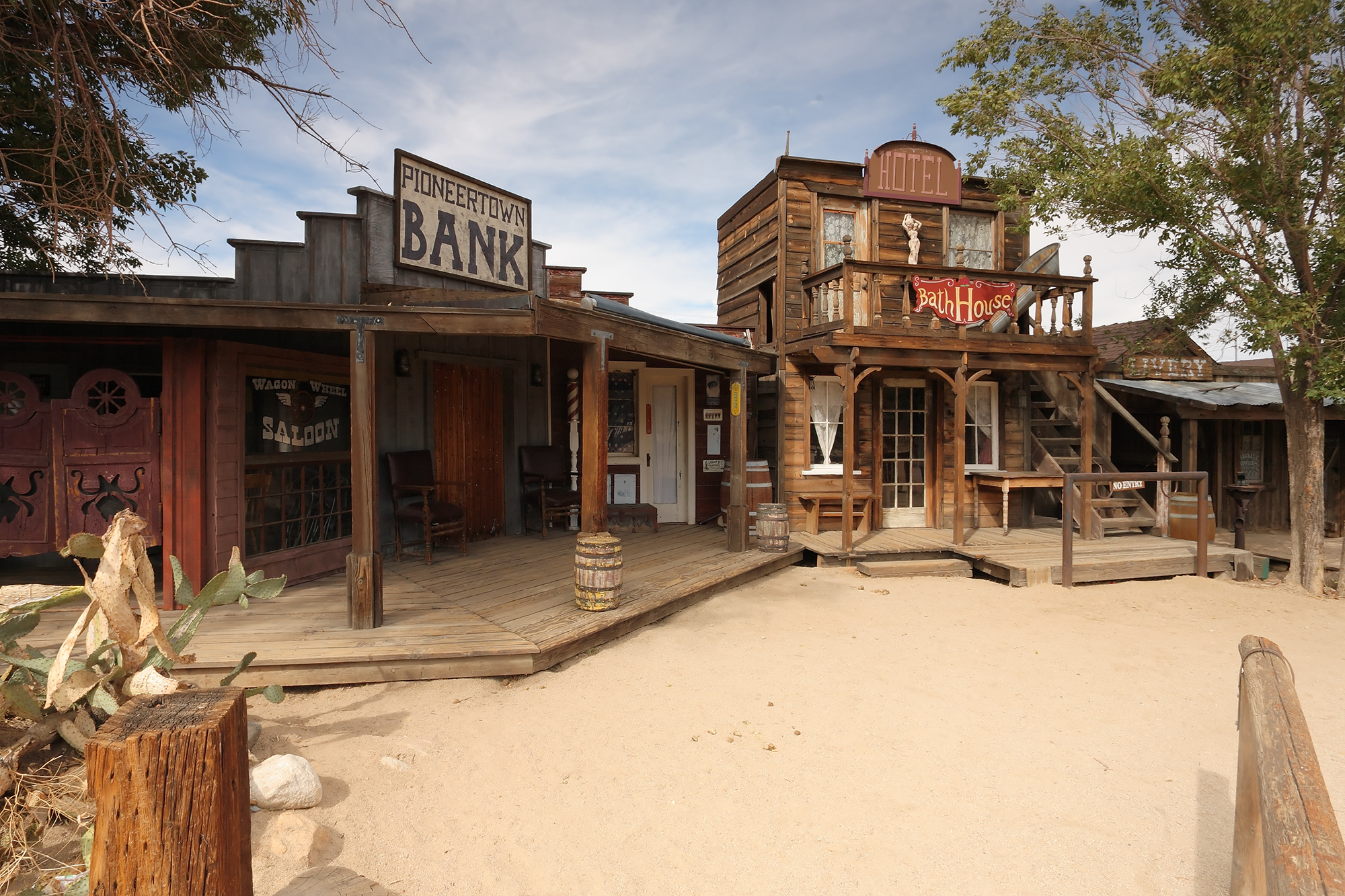
Unlike a typical resort development or a state-owned historical park, PioneerTown’s ownership is not vested in a single entity. Instead, it’s a mosaic of individual proprietors, business owners, and residents who collectively maintain the town’s distinctive character. This decentralized model contributes to its authentic charm, ensuring that each building, each shop, and each experience carries a personal touch, making it an unparalleled destination for travel enthusiasts seeking an immersive journey into the past. Understanding this complex ownership structure is key to appreciating PioneerTown’s enduring allure as both a landmark and a vibrant community.
Unraveling the Ownership Tapestry of PioneerTown
To fully grasp the intricate ownership of PioneerTown, one must delve into its origins. Conceived in 1946 by a group of Hollywood investors, including actors Roy Rogers, Gene Autry, and entrepreneur Dick Curtis, the initial vision was ambitious: to create a fully functional, 1870s-themed Western town that would serve simultaneously as a permanent movie set and a thriving residential community. The idea was that actors could live, work, and shoot films without the logistical nightmares of transporting entire crews and sets to remote locations. This fundamental concept laid the groundwork for the fragmented ownership that defines PioneerTown today.
The Visionary Founders and Early Days
The founders’ blueprint was to sell individual plots of land and properties within the planned “town” to various investors and residents. These early pioneers, ranging from business owners keen to establish themed shops to individuals simply wanting to live a Western lifestyle, purchased their specific parcels. This meant that from its very inception, there was no single “owner” of the entire town. Instead, the general store, the saloon, the livery stable, and the homes were all bought and developed by different parties, albeit under a cohesive architectural and thematic umbrella.
This initial distribution of ownership was crucial. It ensured that as the town grew and evolved, it did so organically, shaped by the diverse interests and investments of its numerous proprietors. While the initial investors undoubtedly held significant sway in the early development, their goal was to foster a community, not to own every brick and beam. This distinguishes PioneerTown from purpose-built theme parks or meticulously curated historical villages, where a single corporation or governmental body typically holds the reins. The original vision was to create a place where the lines between movie set and real life blurred, a vision sustained by its multi-faceted ownership.
A Modern-Day Community of Proprietors
Today, the spirit of individual ownership and community involvement continues to define PioneerTown. The various businesses that line Mane Street — the main thoroughfare — are privately owned and operated. From unique artisan shops selling handmade goods to the iconic Pappy & Harriet’s Pioneertown Palace, each establishment has its own owner or management team. These individuals and families are not just business operators; they are stewards of PioneerTown’s legacy, deeply invested in maintaining its historical integrity and vibrant atmosphere.
Residential properties, too, are privately owned. People live in PioneerTown, contributing to its genuine, lived-in feel. These residents, alongside the business owners, form a unique community. While there might be informal associations or collective efforts for town maintenance or event planning, there isn’t a single overarching municipal government or a corporate entity that “owns” the entire town. Instead, it operates more like a traditional small town where each landowner is responsible for their parcel, but everyone shares a collective pride and interest in the town’s overall well-being and appearance. This collaborative, yet independent, spirit is central to its enduring appeal as a destination that perfectly blends tourism with genuine local culture.
PioneerTown: A Unique Travel Destination and Landmark
Beyond the intriguing question of ownership, PioneerTown stands out as a unique travel destination and an undeniable landmark in the Southern California landscape. Its charm lies not just in its rustic aesthetics but in its rich history and the vibrant experiences it offers visitors. As a destination that straddles the line between a historical relic and a thriving cultural hub, it perfectly aligns with the interests of travelers seeking authentic experiences, a dive into local culture, and memorable encounters.
Stepping Back in Time: History and Architecture
Walking down Mane Street in PioneerTown is like stepping directly onto the set of a classic Western movie. The town’s architecture is a meticulously crafted homage to the Old West, featuring wooden boardwalks, false-front buildings, and period details that transport visitors to a bygone era. Every structure, from the old saloon to the blacksmith shop, was designed with cinematic authenticity in mind, serving as a functional backdrop for countless films and television shows of the 1940s and 50s. Actors like John Wayne and Gene Autry once roamed these very streets, bringing the Wild West to life for millions of moviegoers.
This commitment to historical detail is what makes PioneerTown a true landmark. It’s not merely a replica; it’s a preserved piece of cinematic heritage, a tangible link to the Golden Age of Hollywood. Visitors can explore the various facades, peek into the old jail, and imagine the gunfights and dramatic showdowns that unfolded here. The surrounding desert landscape, with its rugged mountains and unique flora, further enhances the illusion, making it an ideal spot for photography enthusiasts and history buffs alike. The fact that many of these original structures are still privately owned and carefully maintained speaks volumes about the community’s dedication to preserving this unique architectural and historical legacy.

The Pulse of Pioneertown: Music, Art, and Local Culture
While its historical roots are firmly planted in the past, PioneerTown is far from a stagnant museum piece. It pulses with a vibrant contemporary energy, largely thanks to its flourishing music and art scene. The undisputed heart of this cultural resurgence is Pappy & Harriet’s Pioneertown Palace. What began as a local honky-tonk has evolved into an internationally renowned music venue, drawing acclaimed artists and enthusiastic crowds from around the globe. Live music, ranging from rock and indie to country and blues, echoes through the desert air, creating an unforgettable atmosphere that blends rustic charm with cutting-edge performances.
Beyond the music, PioneerTown is also home to a burgeoning community of artists and artisans. Independent shops and galleries showcase unique handmade crafts, vintage goods, and desert-inspired art, reflecting the eclectic and creative spirit of its residents. Local culture here is a blend of rugged individualism, artistic expression, and a deep appreciation for the natural beauty of the Mojave Desert. Whether you’re savoring authentic Western cuisine, browsing quirky boutiques, or simply soaking in the bohemian atmosphere, PioneerTown offers a rich tapestry of experiences that goes far beyond its cinematic past. It’s a prime example of how a landmark can evolve, embracing new forms of tourism and lifestyle while honoring its roots.
Experiencing Pioneertown: Accommodation and Lifestyle Choices
For those drawn to the allure of PioneerTown, the question of how to experience it fully often turns to accommodation and the kind of lifestyle trip one can craft around this unique destination. Given its distinct character, visitors shouldn’t expect a typical array of hotel chains. Instead, PioneerTown and its immediate surroundings offer a curated selection of unique stays that enhance the overall immersive experience, catering to various travel lifestyles from luxury desert retreats to budget-friendly adventures.
Beyond Traditional Hotels: Unique Stays
In keeping with its independent spirit, PioneerTown offers accommodation options that lean heavily towards character and uniqueness over conventional amenities. The most iconic lodging within the town itself is the Pioneertown Motel. This historic motel, originally built to house movie crews and actors, has been lovingly restored to offer a blend of rustic charm and modern comforts. Each room tells a story, featuring vintage decor, comfortable beds, and a palpable sense of history, making it an ideal choice for those who want to sleep where legends once rested. It embodies the essence of an authentic PioneerTown experience.
Beyond the Pioneertown Motel, the surrounding Yucca Valley and Joshua Tree areas, just a short drive away, offer an abundance of alternative accommodations. Vacation rentals, particularly through platforms like Airbnb and Vrbo, are incredibly popular, ranging from meticulously designed mid-century modern homes to rustic desert cabins and even glamping sites that blend outdoor adventure with comfort. Many of these properties boast stunning desert views, unique architectural designs, and amenities like private pools or hot tubs, catering to those seeking a more luxurious or secluded experience. For travelers focused on tourism and local culture, these unique stays provide a deeper connection to the landscape and the bohemian lifestyle of the High Desert. They are not just places to sleep but integral parts of the travel experience, allowing guests to immerse themselves fully in the tranquil, star-studded nights and the vibrant, artistic days of the region.
Crafting Your Pioneertown Adventure: Lifestyle Travel
PioneerTown is a versatile destination, appealing to a wide spectrum of lifestyle travelers. For those on a budget, exploring the town is largely free, and nearby camping options in Joshua Tree National Park or BLM land offer affordable ways to extend a visit. Food options at Pappy & Harriet’s Pioneertown Palace cater to various price points, ensuring that everyone can enjoy a meal in this iconic setting.
For a more luxurious travel experience, the unique high-end vacation rentals, bespoke desert retreats, and proximity to the upscale offerings of Palm Springs and the Coachella Valley provide ample opportunities for indulgence. Imagine spending your days exploring PioneerTown and Joshua Tree National Park, then retreating to a private villa with a pool under the desert stars.
Family trips to PioneerTown are particularly memorable, with kids often delighted by the mock gunfights and the sheer novelty of a Western town. Romantic getaways can be incredibly special, with couples enjoying the quiet solitude of the desert, stargazing, and intimate dining experiences. Solo travelers and artists find inspiration in the rugged landscape and the town’s creative energy. The town also serves as an excellent base for exploring a broader range of landmarks and attractions in San Bernardino County, including the mystical Integratron and the serene Desert Christ Park, or venturing further to Big Bear Lake. Regardless of your preferred lifestyle, PioneerTown offers an adaptable canvas for crafting your perfect desert adventure, blending history, culture, and nature into an unforgettable travel experience.

The Future and Preservation of PioneerTown
The future of PioneerTown, like its ownership, rests largely in the hands of its community. The challenge lies in balancing its growing popularity as a tourist destination with the imperative to preserve its historic character and maintain its unique, independent spirit. As more visitors discover this desert gem, questions of development, commercialization, and the impact on the local environment become increasingly pertinent.
The various property owners and residents play a critical role in this ongoing preservation effort. Their commitment to maintaining their individual properties in a style consistent with the town’s Western theme is paramount. There’s a shared understanding that the authenticity of PioneerTown is its greatest asset, and any significant deviation from that could dilute its charm. Community initiatives, informal agreements, and shared pride often guide decisions about renovations, new construction, and the overall aesthetic of the town. This grassroots approach to preservation ensures that change, when it comes, is gradual and respectful of the town’s origins.
Furthermore, responsible tourism is vital for PioneerTown’s longevity. Visitors are encouraged to respect the residential areas, patronize local businesses, and appreciate the delicate desert ecosystem that surrounds the town. Organizations dedicated to the preservation of High Desert history and environment also contribute to safeguarding PioneerTown’s legacy, advocating for sustainable practices and cultural integrity. This collaborative effort—between private owners, community members, and respectful tourists—is what will ensure that PioneerTown continues to thrive as a living landmark for generations to come, a place where history, music, and the desert spirit converge in a truly extraordinary way.
In conclusion, the question “Who Owns PioneerTown, California?” reveals not a single owner, but a rich narrative of shared stewardship. It is a town owned by its history, nurtured by its diverse community of proprietors, and loved by countless visitors. This decentralized ownership is precisely what imbues PioneerTown with its authentic, unpolished charm, making it an indispensable destination for anyone seeking a genuine slice of the American West and a profound connection to a bygone era.