
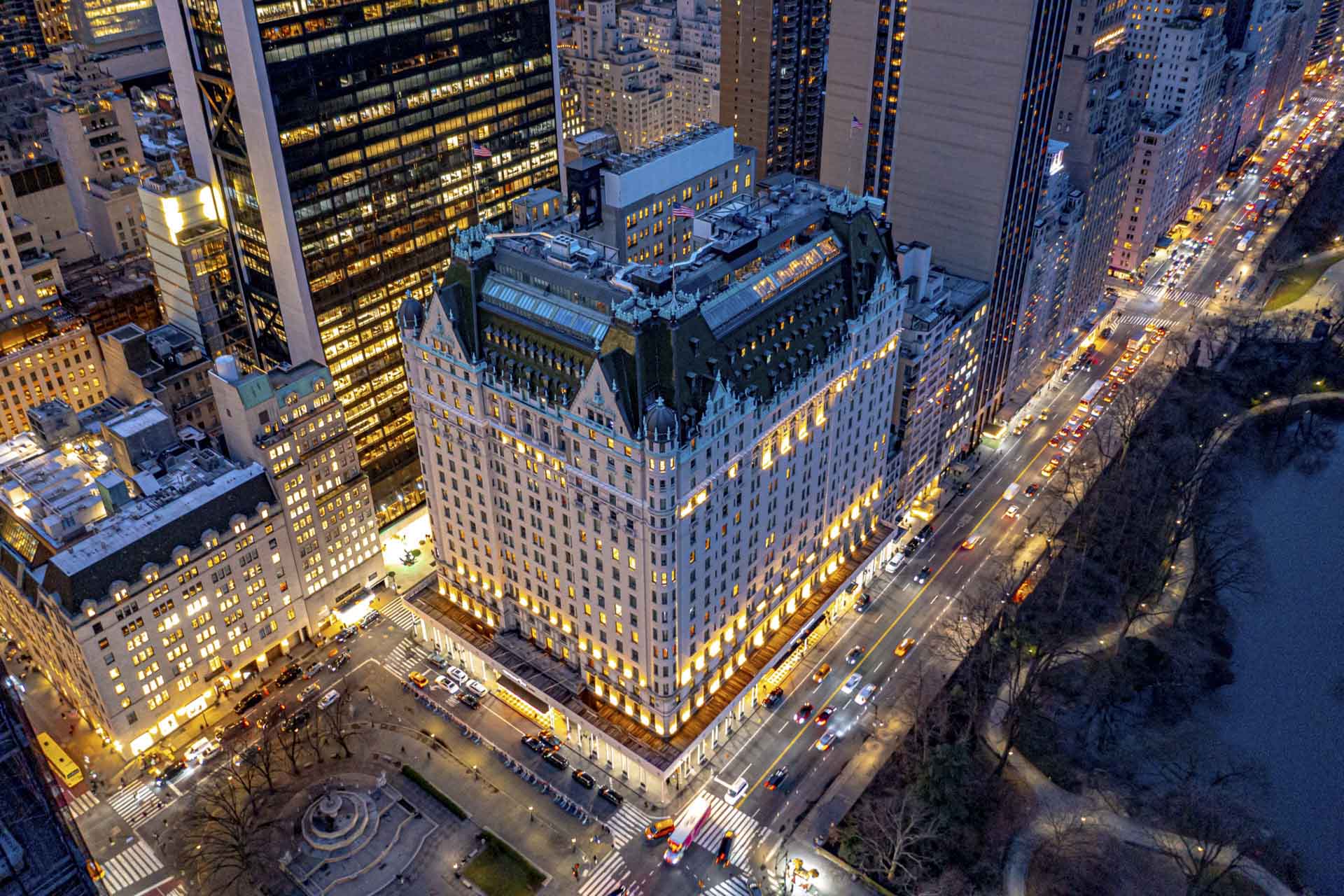
The Plaza Hotel in New York City stands as an enduring symbol of luxury, elegance, and timeless grandeur. Perched majestically at the intersection of Fifth Avenue and Central Park South, this iconic landmark has been more than just a place to stay; it has been a witness to history, a backdrop for countless stories, and a silent observer of the city’s ever-evolving narrative. For well over a century, the question of who holds the keys to this prestigious establishment has been a topic of fascination, reflecting not only the hotel’s immense value but also its profound cultural significance.
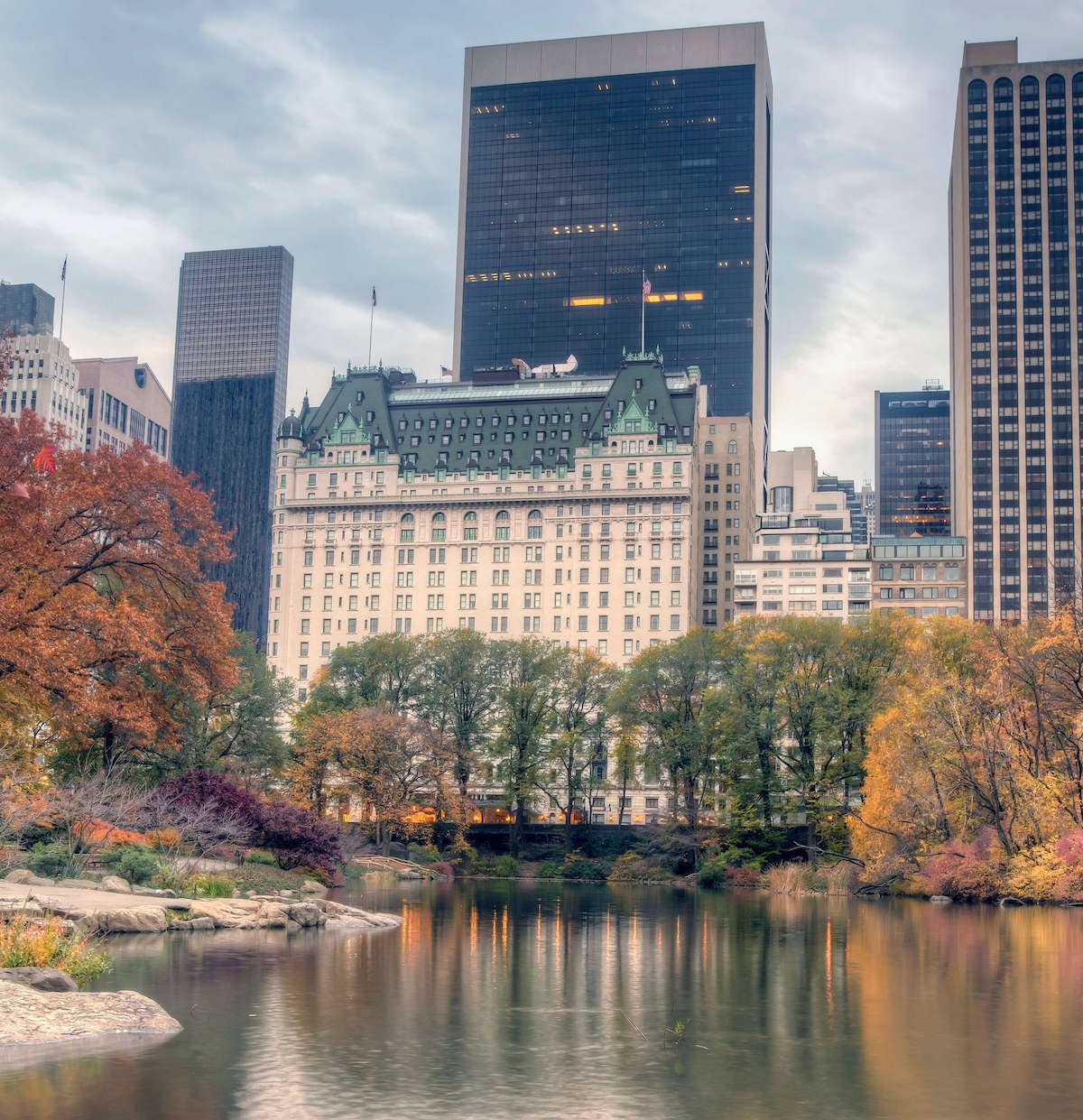
Ownership of the Plaza has changed hands numerous times since its opulent doors first opened in 1907, each transfer marking a new chapter in its storied existence. From visionary developers and astute hoteliers to international conglomerates and sovereign wealth funds, the cast of proprietors has been as diverse and influential as the guests who have graced its gilded halls. Understanding the current ownership requires a journey through a complex tapestry of high-stakes deals, strategic investments, and the continuous effort to preserve the legacy of one of the world’s most famous hotels.
Today, the Plaza Hotel is owned by Katara Hospitality, a Qatari state-owned entity known for its portfolio of luxury hotels and resorts around the globe. The hotel’s operations, however, are managed by Fairmont Hotels & Resorts, a renowned international luxury hotel brand that is part of the Accor group. This modern arrangement represents the culmination of a long and intricate history of ownership, a tale that underscores the unique blend of business, prestige, and preservation inherent in managing such a significant landmark.
The Enduring Legacy of an Iconic Landmark
Before delving into the specifics of ownership, it’s crucial to appreciate what makes the Plaza Hotel such a coveted asset. Its status as an irreplaceable landmark goes far beyond its real estate value, intertwining deeply with the fabric of New York City’s identity and global perceptions of luxury travel.
An Architectural Marvel on Fifth Avenue
Designed by Henry Janeway Hardenbergh, who also conceived The Dakota apartment building, the Plaza Hotel is an architectural masterpiece. Its French Renaissance château-style exterior, adorned with intricate detailing and crowned by a distinctive Mansard roof, immediately captures attention. Overlooking Grand Army Plaza and the verdant expanse of Central Park, its location is arguably one of the most prime in the entire world, offering unparalleled views and accessibility to Manhattan’s most exclusive shopping, cultural institutions, and entertainment.
Beyond its striking façade, the interior of the Plaza has consistently been a benchmark for opulent design. Grand ballrooms, gilded ceilings, crystal chandeliers, and meticulously preserved historical details transport guests to an era of unparalleled glamour. The Palm Court, with its stained-glass dome and lush greenery, remains a celebrated spot for afternoon tea, while the Champagne Bar offers a sophisticated setting for drinks. These spaces are not merely decorative; they are integral to the experience of staying at or visiting the Plaza, solidifying its reputation as a pinnacle of luxury accommodation.
A Cultural Tapestry: From Eloise to The Great Gatsby
The Plaza’s allure extends deeply into popular culture, making it a household name even for those who have never stepped inside. It is perhaps most famously known as the home of Eloise, the mischievous six-year-old girl from Kay Thompson’s beloved children’s book series. Eloise’s adventures throughout the hotel have charmed generations, embedding the Plaza into the collective imagination as a place of wonder and possibility.
Beyond children’s literature, the Plaza has played a starring role in numerous films, television shows, and literary works. It served as a pivotal setting in F. Scott Fitzgerald’s classic novel, “The Great Gatsby,” where the climactic confrontation between Gatsby, Daisy, and Tom Buchanan unfolds in one of its suites. Other notable appearances include “North by Northwest,” “Home Alone 2: Lost in New York,” “Scent of a Woman,” and “Bride Wars,” among many others. These cultural touchstones have cemented the Plaza’s status not just as a hotel, but as an iconic character in its own right, a magnet for tourists and a source of civic pride for New Yorkers.
Tracing the Plaza’s Ownership Through the Decades
The history of the Plaza Hotel ownership is a saga filled with ambitious visions, financial maneuvers, and the relentless pursuit of one of the world’s most prestigious addresses. Each change of hands has brought new perspectives, challenges, and transformations to the grand dame of New York.
Founding Visions and Early Proprietors
The Plaza Hotel was the brainchild of Harry S. Black, a prominent developer and president of the United States Realty and Construction Company. Built at an astonishing cost of $12 million (an astronomical sum in the early 20th century), it opened its doors on October 1, 1907. Black’s vision was to create the “greatest hotel in the world,” and for many years, his company remained involved in its management and financial oversight. Early ownership was a mix of private investors and corporate holdings, typical for large-scale developments of that era. The hotel quickly established itself as the preferred accommodation for discerning travelers and the city’s elite, setting a precedent for its exclusive reputation.
The Golden Age and Corporate Shifts: From Hilton to Sonesta
Throughout the mid-20th century, the Plaza continued to thrive, but its ownership began to shift with the evolving landscape of the hospitality industry. In 1943, hotel magnate Conrad Hilton acquired the Plaza for $7.4 million, integrating it into his rapidly expanding empire of luxury hotels. Under Hilton‘s stewardship, the hotel maintained its grandeur while benefiting from standardized management practices. Hilton famously declared the Plaza to be his favorite hotel, and his era marked a period of stability and continued prominence for the institution.
In 1953, the Plaza was sold again to A.M. Sonnabend’s Sonesta International Hotels, a company known for its boutique approach to luxury hospitality. Sonesta held the hotel for several decades, preserving its classic charm while adapting to changing guest expectations. This period solidified the Plaza’s position as a timeless icon, weathering economic shifts and social changes while remaining a beacon of sophisticated travel.
The Trump Era: High Stakes and Headlines
Perhaps one of the most high-profile and tumultuous periods in the Plaza’s ownership history came in 1988 when real estate mogul Donald Trump acquired the hotel for a staggering $407.5 million. Trump, known for his penchant for grand acquisitions and self-promotion, famously stated that he didn’t “buy the Plaza, I bought a masterpiece.” His ownership was marked by significant renovations and an aggressive marketing strategy, aiming to restore and enhance the hotel’s legendary status.
However, the Trump era was also characterized by considerable financial difficulties. The high debt burden associated with the purchase, coupled with a downturn in the luxury hotel market, led to severe financial strain. In 1992, the Plaza filed for pre-packaged bankruptcy. While Trump eventually retained a partial stake, operational control shifted to his creditors, notably a consortium of banks. This chapter highlights the inherent risks, even for the most seasoned investors, in managing a property of such immense scale and historical significance.
Transformation and Diversification: The 21st Century Plaza

The dawn of the 21st century brought further dramatic shifts in the Plaza’s ownership and its very composition, as new owners sought innovative ways to ensure its economic viability while preserving its legacy.
The El-Ad Properties Chapter: Residential Conversion and Controversy
In 1995, a consortium of investors, including Prince Al-Waleed bin Talal of Saudi Arabia‘s Kingdom Holding Company and CDL Hospitality Group (part of Millennium & Copthorne Hotels), acquired the Plaza. This partnership provided some stability, but the most transformative change came in 2004 when the hotel was sold to El-Ad Properties, an Israeli-owned real estate firm, for $675 million.
El-Ad Properties embarked on a controversial but ultimately successful plan to convert a significant portion of the hotel into luxury condominiums. This ambitious project saw 805 hotel rooms reduced to 282 hotel units, with the remaining spaces transformed into 152 private condominium residences and high-end retail outlets. While initially met with public outcry and resistance from preservationists concerned about losing a purely hotel experience, the conversion allowed the Plaza to adapt to the burgeoning luxury residential market in New York City. The condominium sales generated substantial revenue, ensuring the hotel’s financial future and funding extensive renovations that modernized its infrastructure while meticulously restoring its historic grandeur. This period demonstrated a fundamental shift in how historic luxury properties could be financially sustained in a competitive urban landscape.
The Brief Tenure of Sahara India Pariwar
Following the condominium conversion and a period of successful operation, the Plaza once again found itself on the market. In 2012, Sahara India Pariwar, an Indian conglomerate led by Subrata Roy, acquired a 75% stake in the hotel for an estimated $575 million, with Prince Al-Waleed bin Talal’s Kingdom Holding Company retaining the remaining 25%. This acquisition marked the entry of a significant Indian investor into the prime New York City luxury real estate market, underscoring the global appeal of such trophy assets.
However, Sahara India Pariwar’s ownership was fraught with challenges stemming from legal and financial troubles faced by its chairman in India. These issues severely impacted the conglomerate’s ability to maintain its overseas investments and led to immense pressure to divest assets. Despite its short duration, Sahara’s tenure highlighted the intricate global financial web within which properties like the Plaza operate, and how geopolitical and economic forces far removed from Fifth Avenue can influence their fate.
The Current Custodians: Katara Hospitality Takes the Reins
The tumultuous period under Sahara eventually led to the latest and current chapter in the Plaza’s ownership, bringing it under the stewardship of a prominent Middle Eastern investment firm.
A Qatari Investment in a Global Icon
In 2018, after extensive negotiations and competitive bidding, Katara Hospitality officially acquired the Plaza Hotel for approximately $600 million. This acquisition marked a strategic move for the Qatari state-owned company, which specializes in owning, developing, and operating luxury hotels and resorts both domestically and internationally. Katara Hospitality boasts an impressive portfolio that includes historic hotels like the Savoy Hotel in London and the Raffles Hotel in Singapore, underscoring its commitment to preserving and enhancing iconic properties.
The purchase of the Plaza by Katara Hospitality signifies the enduring appeal of the hotel as a trophy asset for global investors. For Qatar, known for its significant investments in global luxury real estate and tourism, the Plaza represents a strategic foothold in one of the world’s most competitive and prestigious markets. The acquisition was seen as a move to diversify Qatar’s investment portfolio and to associate itself with a brand synonymous with world-class hospitality and heritage.
Management by Fairmont Hotels & Resorts: A Global Luxury Standard
While Katara Hospitality owns the Plaza Hotel, the day-to-day operations and management of the hotel portion are entrusted to Fairmont Hotels & Resorts. Fairmont is a Canadian-based luxury hotel brand that operates numerous iconic properties worldwide, including the Fairmont Le Château Frontenac in Quebec City and the Fairmont San Francisco. As a subsidiary of the global hospitality giant Accor, Fairmont brings extensive expertise in managing historic, high-end hotels.
This partnership allows the Plaza to benefit from Fairmont’s global reservations system, marketing reach, and operational standards, while Katara Hospitality focuses on strategic asset management and preservation. This model of separate ownership and management is common in the luxury hotel industry, enabling specialized expertise to optimize both the asset’s value and its guest experience. Under Fairmont’s guidance, the Plaza continues to offer its signature white-glove service, exquisite dining, and unparalleled amenities, ensuring its place as a premier destination for luxury travelers.
Beyond Ownership: The Plaza’s Future as a Premier Destination
The saga of ownership changes at the Plaza Hotel reflects not only its immense monetary value but also its unique position as a cultural treasure. Regardless of who holds the deed, the custodians of the Plaza face the ongoing challenge of balancing tradition with modernity, preservation with profitability.
Maintaining Luxury in a Dynamic Market
For Katara Hospitality and Fairmont Hotels & Resorts, the future of the Plaza lies in consistently delivering an exceptional luxury experience that justifies its high prices and iconic status. This means continuous investment in maintaining its historic features, upgrading technology, and adapting services to meet the evolving demands of affluent travelers. The blending of residential units with hotel services requires careful management to ensure a seamless and exclusive experience for both residents and guests.
The Plaza competes in a highly dynamic New York City luxury hotel market, constantly challenged by new developments and innovative concepts. However, its unparalleled location, architectural beauty, and rich history provide an inimitable competitive advantage. The focus will likely remain on enhancing personalized services, curating unique guest experiences, and leveraging its cultural capital to attract a global clientele seeking more than just accommodation but a piece of New York’s legendary past.
A Landmark for New York and the World
Ultimately, the question of “Who Owns Plaza Hotel In New York City?” transcends mere legal titles. While Katara Hospitality is its official owner, the Plaza is, in a profound sense, owned by the collective memory and imagination of New York City and the world. It is a shared landmark, a symbol of aspiration and enduring elegance that continues to inspire.
For travelers planning a visit, a stay at the Plaza offers more than just a room; it provides an immersive experience in a living legend. Whether enjoying afternoon tea in the Palm Court, sipping champagne at the bar, or simply admiring its magnificent façade, guests and visitors become part of its ongoing story. The commitment of its current owners and management to preserving its heritage while operating it as a modern luxury hotel ensures that the Plaza Hotel will continue to reign supreme on Fifth Avenue for generations to come, standing as a timeless beacon of hospitality and an irreplaceable icon of global tourism.