
The name Hyatt evokes images of luxury, sophisticated design, and exceptional service in some of the world’s most desirable destinations. From bustling urban centers to serene resorts and intimate boutique hotels, Hyatt has carved out a significant niche in the global hospitality landscape. But behind this iconic brand, a question often arises for travelers, investors, and industry observers alike: who truly owns the Hyatt Hotel Group? The answer is a fascinating blend of enduring family legacy, strategic corporate evolution, and public ownership, primarily centered around the influential Pritzker family of Chicago and the publicly traded entity, Hyatt Hotels Corporation.
The narrative of Hyatt’s ownership is not a simple one-liner but a rich tapestry woven through decades of entrepreneurial vision, family dynamics, and a commitment to shaping the modern travel experience. It’s a story that began in the mid-20th century and has since grown into a sprawling international enterprise, catering to diverse travel lifestyles, from discerning luxury travelers to business guests and families seeking memorable experiences. Understanding the ownership structure offers valuable insight into the brand’s unique culture, its strategic direction, and its enduring presence across the globe.
The Pritzker Family’s Enduring Legacy
The foundation of the Hyatt Hotel Group is inextricably linked to the Pritzker family of Chicago, one of the most prominent and philanthropic families in the United States. Their journey in hospitality began with a single hotel and blossomed into a global empire, driven by a keen eye for opportunity and an unwavering dedication to quality.
A Chicago Story: From Humble Beginnings to Global Hospitality
The story of Hyatt traces its roots back to 1957 when Jay Pritzker, a visionary entrepreneur and lawyer, purchased the original Hyatt House motel located adjacent to Los Angeles International Airport. This initial acquisition, made almost on a whim, laid the groundwork for what would become one of the world’s most recognized hospitality brands. Jay, alongside his younger brother Donald Pritzker, quickly recognized the immense potential in the travel industry and embarked on an ambitious expansion strategy.
In the early years, the Pritzker brothers focused on expanding the Hyatt portfolio across California and then throughout the United States. Their innovative approach to hotel design and guest amenities set them apart. They were among the first to introduce grand atriums and distinctive architecture that became hallmarks of the Hyatt brand, particularly with the opening of the Hyatt Regency Atlanta in 1967. This property, with its soaring 21-story atrium, revolutionized hotel design and redefined what a stay could be, blending functionality with a sense of awe and elegance.
The brothers’ philosophy revolved around creating properties that offered more than just a place to sleep; they aimed to deliver a full experience. This commitment to innovation and high standards of service allowed Hyatt to rapidly grow and diversify its offerings, establishing a reputation for quality that continues to this day. Throughout the decades, the Pritzker family maintained full private ownership of the Hyatt empire, steering its growth and development with a hands-on approach.
Navigating the Transition: From Private Enterprise to Public Offering
For over half a century, the Hyatt Hotel Group remained a privately held entity, firmly under the control of the Pritzker family. This allowed for long-term strategic planning without the pressures of quarterly earnings reports or external shareholder demands. However, as the family grew and diversified its interests across various industries, and as the global financial landscape evolved, the decision was made to transition Hyatt Hotels Corporation into a publicly traded company.
The initial public offering (IPO) took place in 2009, amidst a challenging global economic climate. The shares of Hyatt Hotels Corporation were listed on the New York Stock Exchange (NYSE) under the ticker symbol H. This move served several strategic purposes. Firstly, it provided access to significant capital markets, enabling Hyatt to fund ambitious expansion plans, invest in new properties, and pursue acquisitions more aggressively. Secondly, it facilitated the complex process of distributing wealth among the numerous members of the extended Pritzker family, who had diverse financial interests and philanthropic endeavors.

Despite becoming a publicly traded entity, the Pritzker family did not relinquish its deep connection or substantial influence. Through various trusts and holding companies, members of the Pritzker family collectively retained a significant portion of the company’s shares, particularly those with enhanced voting rights. This structure ensured that while external shareholders now owned a stake in Hyatt, the family maintained a controlling interest and a powerful voice in the company’s strategic decisions, preserving their foundational vision and long-term commitment to the brand. This unique blend of public ownership with strong family governance allows Hyatt to balance the demands of the market with a steadfast adherence to its core values and heritage.
Understanding the Structure: Hyatt Hotels Corporation
When we talk about the ownership of the Hyatt Hotel Group today, we are referring to Hyatt Hotels Corporation. This is the formal corporate entity that manages, franchises, and operates a vast portfolio of hotels, resorts, and branded residences across the globe. Its structure as a publicly traded company, while still heavily influenced by its founding family, dictates its operations and expansion strategies.
A Publicly Traded Entity with Family Roots
As a publicly traded company on the New York Stock Exchange (NYSE), Hyatt Hotels Corporation is owned by its shareholders. These shareholders include institutional investors like mutual funds and pension funds, as well as individual investors from around the world. Anyone can purchase shares in Hyatt and become a partial owner of the company, albeit typically a very small one. The price of these shares fluctuates based on market performance, company news, and broader economic trends.
However, as previously mentioned, the Pritzker family retains a substantial portion of the company’s voting shares. This means that while other investors own pieces of the company, the Pritzker family still exerts significant control over major corporate decisions, such as the election of the board of directors, approval of large acquisitions, or changes to the company’s constitution. This dual ownership model provides stability and long-term vision, characteristic of family-run enterprises, while also benefiting from the capital and liquidity offered by public markets.
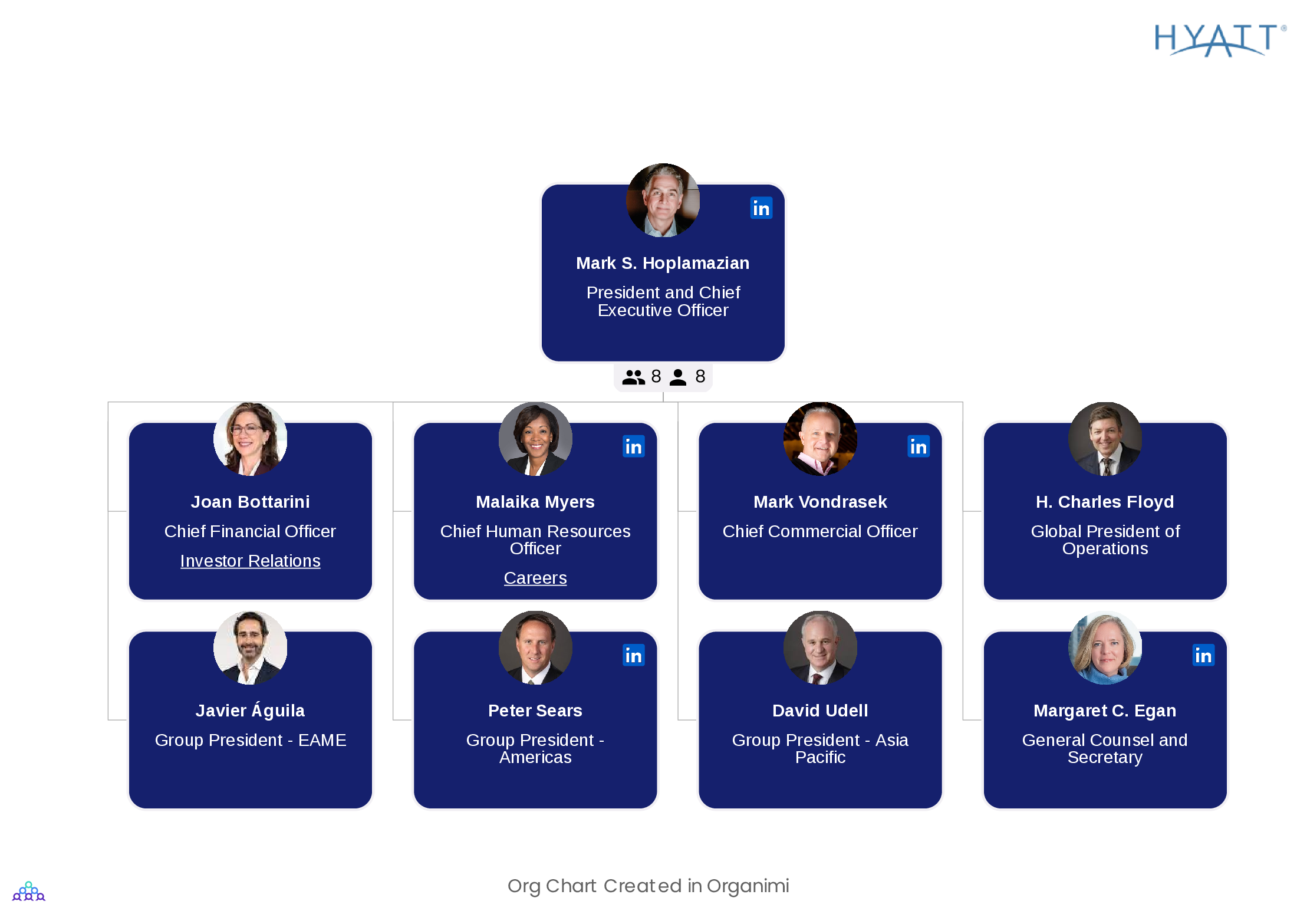
The company’s operations are overseen by a professional management team, led by its CEO and other executive officers, who are responsible for the day-to-day running of the business, implementing strategic initiatives, and ensuring the smooth operation of its thousands of properties. This management team is accountable to the board of directors, which in turn answers to the shareholders, with the Pritzker family’s representatives playing a pivotal role on the board.
The Global Footprint: A Diverse Portfolio of Brands
Hyatt Hotels Corporation’s ownership extends to a vast and diverse portfolio of brands, each designed to cater to specific types of travelers and preferences. This strategic diversification allows Hyatt to capture market share across various price points and hospitality segments, reinforcing its global footprint as a leader in accommodation.
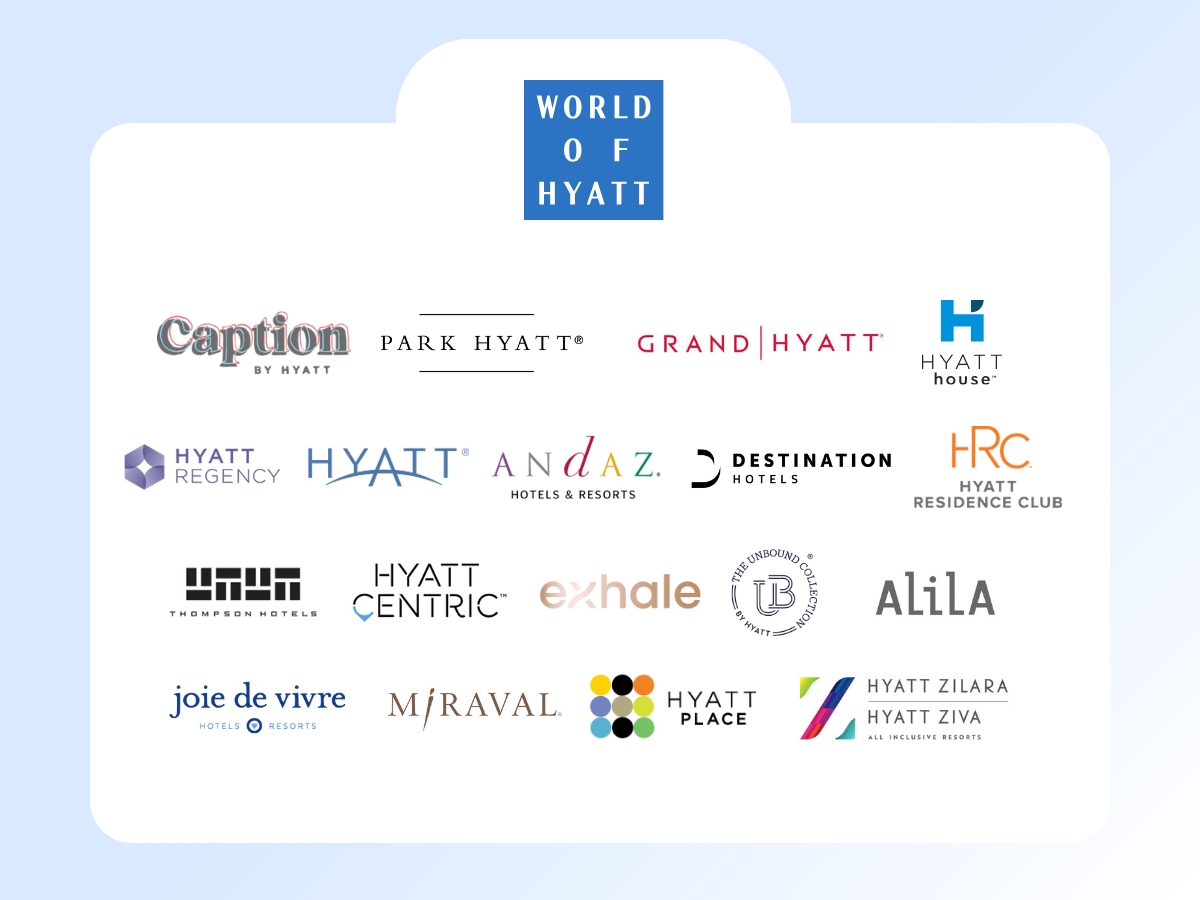
The portfolio includes some of the most recognized names in luxury and upscale hospitality:
- Park Hyatt: The pinnacle of luxury, offering sophisticated, residential-style hotels with highly personalized service in iconic cities like Paris, Tokyo, and Sydney.
- Grand Hyatt: Large-scale, dramatic hotels with world-class meeting facilities, culinary experiences, and often significant landmarks in their own right, located in major business and leisure destinations such as Beijing and Dubai.
- Hyatt Regency: Core full-service hotels catering to both business guests and leisure travelers, known for their extensive amenities and event spaces.
- Andaz: A lifestyle brand emphasizing local culture and vibrant, often art-inspired design, found in dynamic urban locations like London and Maui.
- Thompson Hotels: Known for their distinctive design, vibrant food and beverage scenes, and local flair, these hotels offer a refined bohemian lifestyle experience in places like Dallas and New York City.
- Alila: Focuses on sustainable luxury in unique locations, often blending seamlessly with the natural environment.
- Miraval Resorts: A wellness resort brand dedicated to mindfulness and personal growth, offering transformative experiences in serene settings.
- Destination by Hyatt and JdV by Hyatt: Collections of independent, upscale hotels that retain their unique identities while benefiting from Hyatt’s global distribution and loyalty program.
- Hyatt Centric: Urban lifestyle hotels designed for modern explorers who want to be in the heart of the action, close to attractions and local culture.
- Hyatt Place and Hyatt House: Cater to the upscale select-service and extended-stay segments, offering comfortable, contemporary accommodation with practical amenities for both short and long trips.
- Caption by Hyatt: A new select-service brand focused on fostering connections and conversations in vibrant, social spaces.
In 2021, Hyatt significantly expanded its presence in the all-inclusive luxury segment with the acquisition of Apple Leisure Group. This strategic move brought renowned brands like Secrets Resorts & Spas, Dreams Resorts & Spas, Breathless Resorts & Spas, Zoëtry Wellness & Spa Resorts, Sunscape Resorts & Spas, Hyatt Zilara, and Hyatt Ziva under the Hyatt umbrella, particularly strengthening its offerings in popular leisure destinations across Mexico and the Caribbean.
This extensive brand portfolio, spanning the Americas, Europe, Asia Pacific, Africa, and the Middle East, demonstrates Hyatt’s commitment to meeting the diverse needs of travelers worldwide and its continuous growth strategy under the stewardship of Hyatt Hotels Corporation.
Beyond Ownership: The Hyatt Experience and its Impact
While understanding who owns Hyatt Hotels Corporation provides insight into its corporate governance and financial structure, the true essence of Hyatt lies in the experience it offers to millions of travelers each year. The brand’s commitment to thoughtful design, personalized service, and innovative amenities has shaped its reputation and continues to drive its global appeal.
Crafting Memorable Stays: Amenities, Lifestyle, and Tourism
Hyatt’s diverse array of brands reflects a keen understanding of various travel lifestyles. From the serene wellness retreats of Miraval to the bustling business hotels of Hyatt Regency and the sophisticated urban sanctuaries of Park Hyatt, each property is designed to provide a distinct, yet consistently high-quality, experience. This focus extends to every detail, from the comfort of the suites and rooms to the quality of the dining options, the design of the common spaces, and the attentiveness of the staff.
Many Hyatt properties serve as cultural hubs, integrating local culture, food, and art into the guest experience. For instance, an Andaz hotel might feature local artists’ works, while a Grand Hyatt in Asia could offer immersive culinary workshops or traditional tea ceremonies. This approach enhances the overall tourism appeal, allowing guests to delve deeper into the destination they are visiting, whether it’s exploring the historic landmarks of Rome or enjoying the vibrant nightlife of Miami Beach from the Confidante Miami Beach, part of The Unbound Collection by Hyatt.
For families, properties like Hyatt Place or all-inclusive resorts like Dreams Resorts & Spas offer kid-friendly amenities and activities, making travel seamless and enjoyable. Business travelers benefit from well-equipped conference facilities, efficient service, and convenient locations in major business hubs such as London, New York, or Singapore. The consistency of the Hyatt brand, coupled with its tailored experiences, is a cornerstone of its success.
The Future of Hospitality: Innovation and Expansion
Hyatt Hotels Corporation continues to look towards the future, with ongoing innovation and strategic expansion being key pillars of its growth strategy. The acquisition of Apple Leisure Group underscores Hyatt’s ambition to expand its presence in the fast-growing leisure and all-inclusive segments, particularly in high-demand vacation destinations in Mexico and the Caribbean. This move diversified its revenue streams and appealed to a broader range of travelers seeking curated, hassle-free vacations.
Furthermore, Hyatt places significant emphasis on its loyalty program, World of Hyatt. This program is designed to foster deep relationships with guests by offering exclusive benefits, earning opportunities, and unique redemption options across its entire portfolio. It’s a critical tool for retaining customers and driving repeat business, ensuring that Hyatt remains a top choice for discerning travelers.
Innovation also extends to technology, sustainability, and evolving guest expectations. Hyatt is continuously exploring ways to enhance the digital guest journey, implement eco-friendly practices, and adapt to changing global tourism trends. By staying agile and forward-thinking, Hyatt Hotels Corporation aims to solidify its position as a leading global hospitality company for generations to come.
In conclusion, the ownership of the Hyatt Hotel Group is a dynamic story of a visionary Pritzker family transforming a single motel into a global hospitality powerhouse. Today, while Hyatt Hotels Corporation is a publicly traded entity owned by its shareholders, the foundational influence and significant control of the Pritzker family remain paramount. This unique structure allows Hyatt to leverage public market advantages for growth while maintaining a deep-seated commitment to its heritage of innovation, luxury, and exceptional guest experiences across its diverse portfolio of brands worldwide.
LifeOutOfTheBox is a participant in the Amazon Services LLC Associates Program, an affiliate advertising program designed to provide a means for sites to earn advertising fees by advertising and linking to Amazon.com. Amazon, the Amazon logo, AmazonSupply, and the AmazonSupply logo are trademarks of Amazon.com, Inc. or its affiliates. As an Amazon Associate we earn affiliate commissions from qualifying purchases.