
When planning a trip to the vibrant city of Chicago, travelers often focus on iconic landmarks like Millennium Park, world-class museums such as the Art Institute of Chicago, or the bustling shopping district of the Magnificent Mile. Yet, for those considering exploring the Windy City by car, an often-overlooked but crucial detail can significantly impact their experience and budget: parking. The question, “Who owns the parking meters in Chicago?” might seem niche, but its answer unravels a fascinating and, for many residents and visitors, contentious story that has reshaped urban life and tourism in one of America’s largest cities.

Unlike many municipalities where parking meters are directly managed by the local government, Chicago embarked on a unique and controversial venture in 2008. The city leased its entire parking meter system to a private entity, Chicago Parking Meters LLC (CPM), a consortium primarily led by the global financial services firm, Morgan Stanley. This 75-year lease agreement, one of the longest and most significant privatization deals of its kind in the United States, fundamentally altered how parking is managed and priced across the city. Understanding this arrangement is not just a matter of urban policy but a practical necessity for anyone traveling to, staying in, or simply navigating Chicago. It influences everything from daily commutes and local business viability to the overall cost and convenience of a tourist’s visit, making it a critical aspect of the Chicago lifestyle.
The Controversial Lease: A Deep Dive into Chicago’s Parking Meter Deal
The decision by the City of Chicago to privatize its parking meters was driven by immediate financial needs during a period of economic uncertainty. While the deal brought a substantial upfront cash infusion to the city, it came with long-term implications that continue to spark debate and affect everyday life for millions.
Unpacking the 2008 Agreement
In November 2008, under then-Mayor Richard M. Daley, the Chicago City Council approved a deal to lease the city’s approximately 36,000 parking meters to Chicago Parking Meters LLC for a lump sum payment of about $1.15 billion. The agreement granted CPM exclusive rights to operate, maintain, and collect revenue from virtually all on-street parking meters for an astonishing 75 years. This term extends far beyond the typical tenure of public-private partnerships, locking future generations into an agreement that many now view as deeply disadvantageous for the city and its residents.
The city received a significant sum, which was initially touted as a solution to budget deficits and a way to fund various public works projects. However, critics quickly pointed out that the true value of the parking meters over 75 years—projected by some analysts to be in the tens of billions—far outstripped the upfront payment. The lease also included provisions for the city to compensate CPM for lost revenue if meters were taken out of service for events, construction, or even due to public policy changes encouraging alternative transportation. This “lost revenue” clause has often put the city in the awkward position of paying millions back to the private company for its own infrastructure projects or public events, adding another layer of controversy to the agreement. For tourists and residents alike, these complexities translate directly into the cost and availability of parking, making it a pivotal factor in their urban experience.
The Players: Chicago Parking Meters LLC and Morgan Stanley
Chicago Parking Meters LLC is a private company formed specifically to manage Chicago’s parking meters. The consortium is primarily backed by financial institutions, with Morgan Stanley Investment Management leading the charge. This structure highlights a broader trend of private capital seeking stable, long-term returns from essential public infrastructure assets.
For Morgan Stanley and its partners, the Chicago parking meters represented a lucrative investment. Parking meters provide a consistent revenue stream, relatively insulated from economic downturns, as people in a major metropolis will always need to park. The 75-year term ensures a remarkably long period of profit generation, making it an attractive asset for institutional investors looking for predictable, inflation-hedged returns. From a lifestyle and tourism perspective, this means that the pricing strategy for Chicago parking is not driven by the city’s need for public service or revenue to fund local amenities, but by a private entity’s imperative to maximize shareholder value. This fundamental shift from public control to private enterprise impacts everything from where people choose to dine or shop to how they plan their visits to popular attractions.
The Immediate Impact: Rate Hikes and Public Outcry
The most immediate and palpable consequence of the privatization deal was a dramatic increase in parking rates across Chicago. Within months of the deal’s finalization, meter rates in the Loop and central business district soared, often quadrupling from $1.00 to $4.25 per hour, and eventually reaching $7.00 per hour in some prime areas. Rates in other zones also saw significant hikes, often doubling or tripling.
This sudden and steep surge in costs ignited widespread public outcry. Residents, local businesses, and visitors alike expressed frustration and anger over the exorbitant fees. Small businesses, in particular, voiced concerns that high parking costs deterred potential customers, impacting their bottom line. The feeling of being exploited by a private entity managing a previously public service fueled a strong sense of dissatisfaction. Politically, the deal has been a persistent source of criticism, with subsequent mayoral administrations attempting to mitigate its effects or find ways to recover some control, largely without success due to the ironclad nature of the contract. For those planning a trip, these rate hikes are a significant budget consideration, pushing many to reconsider driving and explore alternative transportation options when visiting Chicago’s diverse neighborhoods and attractions like the Shedd Aquarium or the Field Museum.
Navigating Chicago’s Parking Landscape: What Travelers Need to Know
For travelers coming to Chicago, understanding the parking meter situation is essential for a smooth and enjoyable trip. The city offers a myriad of experiences, from culinary adventures to architectural tours, and how you choose to get around can profoundly impact your budget and convenience.
Parking Meter Realities for Visitors
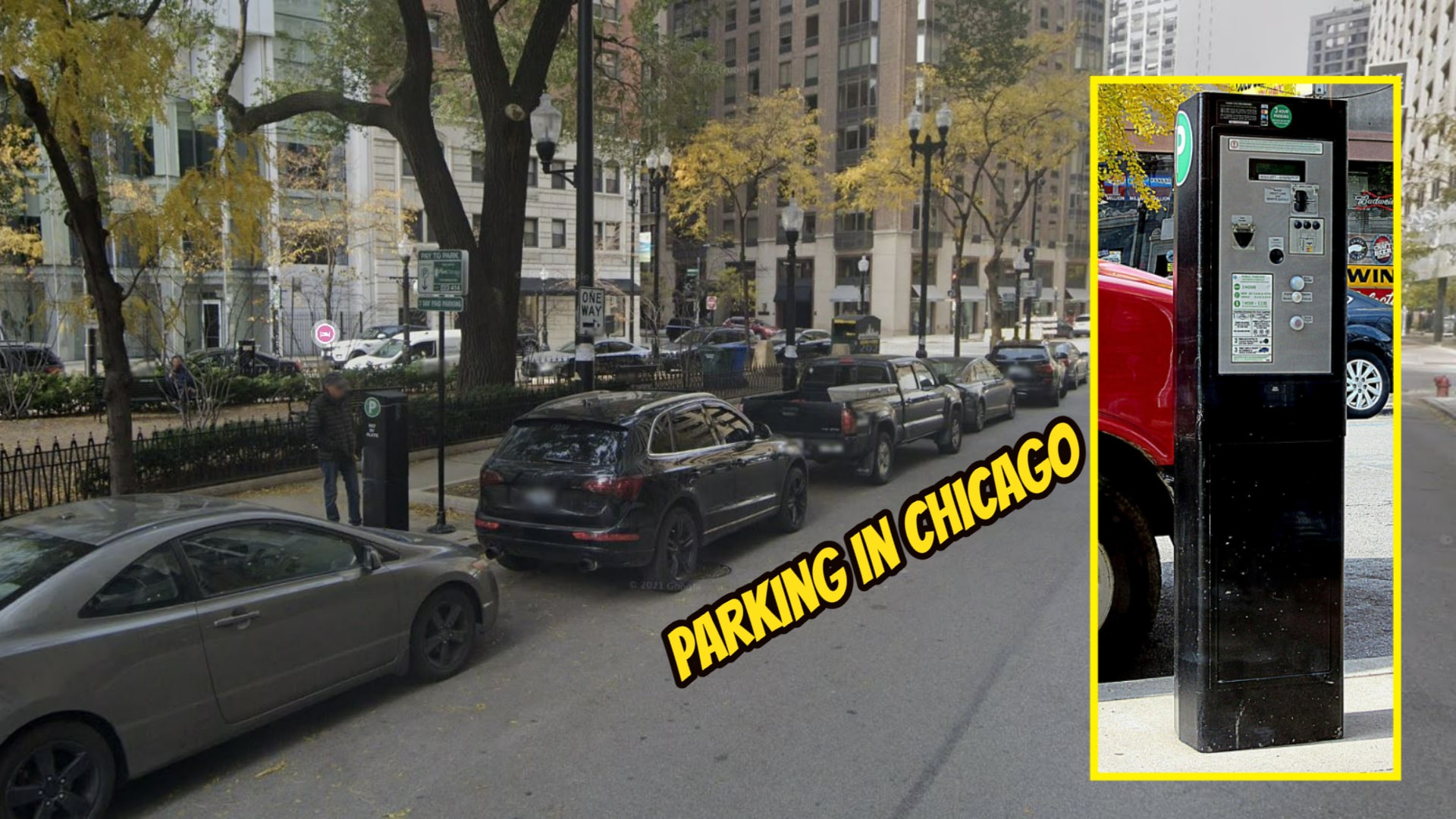
Given the private ownership of Chicago’s parking meters, visitors should be prepared for some of the highest on-street parking rates in the United States. In the downtown core, including popular areas near the Willis Tower or Navy Pier, hourly rates can be prohibitively expensive. Even in neighborhoods slightly outside the central business district, rates are considerably higher than in many other major cities.
Meters typically accept credit cards and sometimes coins, but increasingly, they rely on mobile payment apps, which can be convenient but also require an initial setup. It’s crucial to pay attention to parking signs, as restrictions (e.g., no parking during rush hour, permit parking zones) are strictly enforced, and tickets are costly. Overstaying your meter can quickly turn a fun day of sightseeing into an expensive headache. The goal for any smart traveler visiting Chicago is to minimize reliance on street parking, especially for extended periods, and to factor in parking costs explicitly when budgeting for their trip. While convenient for quick stops, the economics of street parking often make it impractical for a full day of exploring Chicago’s vibrant cultural scene or enjoying a long meal.
Alternative Parking Solutions and Their Costs
While street parking is an option, many visitors find it more practical to explore alternatives.
- Parking Garages: Chicago boasts numerous parking garages, particularly in the downtown area and near major attractions. These can range from small, independent lots to multi-story structures associated with hotels or commercial buildings. While garage rates can also be high, especially for prime locations, booking in advance through apps like SpotHero or ParkWhiz can often secure significant discounts. For example, a full day of parking in a downtown garage might cost anywhere from $20 to $60, depending on location and booking method. Many hotels in Chicago also offer valet parking, which provides convenience but typically comes at a premium, often upwards of $70 per night. Comparing these rates to meter parking for a multi-day stay reveals that garages, despite their cost, might still be a more predictable and sometimes cheaper option than constantly feeding a meter.
- Hotel Parking: If you are staying at a hotel, inquire about their parking options. Many hotels in Chicago offer valet parking, which can be expensive but often includes in-and-out privileges, providing convenience if you plan to use your car frequently. Some hotels also partner with nearby garages, offering discounted rates. When booking accommodation, particularly in downtown Chicago or near tourist hotspots, it is always wise to factor in parking costs as part of your overall hotel budget. This is particularly relevant for those on a luxury travel itinerary where convenience is key, or for family trips where ease of access with children and luggage is paramount.
Embracing Public Transportation: A Smart Traveler’s Choice
Given the challenges and costs associated with driving and parking, embracing Chicago’s extensive public transportation system is often the most efficient and economical way for travelers to explore the city.
- CTA (Chicago Transit Authority): The CTA operates a comprehensive network of ‘L’ trains and buses that cover virtually every corner of the city, including direct service to both O’Hare International Airport and Midway International Airport. The ‘L’ train system is particularly effective for reaching major attractions like the Art Institute of Chicago, Millennium Park (home to Cloud Gate), the Magnificent Mile, and even neighborhoods like Wrigleyville for a baseball game. A Ventra Card, which can be purchased at any ‘L’ station or convenience store, allows for easy tap-and-go access to both trains and buses, often offering multi-day passes that provide unlimited rides for a fixed price, making it an excellent budget travel option.
- Ride-Sharing and Taxis: Services like Uber and Lyft are readily available and can be a convenient option for specific trips, especially during off-peak hours or when traveling with luggage. Taxis are also plentiful, particularly in high-traffic areas. While more expensive than public transit, these options eliminate the hassle of parking entirely and can be a good choice for those who prioritize convenience over cost or need to reach destinations not directly served by the CTA. For business stays or those on a tighter schedule, the predictability of a ride-share service can be invaluable.
By opting for public transportation, visitors not only save money on parking fees and potential fines but also gain a more authentic experience of Chicago’s urban rhythm, navigating its distinct neighborhoods and blending in with local commuters.
Beyond the Meters: The Broader Implications for Tourism and Lifestyle in the Windy City
The privatization of Chicago’s parking meters is more than just a financial transaction; it’s a social and economic experiment with far-reaching consequences that touch upon the city’s character, its appeal to tourists, and the daily lives of its residents.
Economic Ripple Effects on Local Businesses
The significant increase in parking costs has been a consistent point of contention for Chicago’s small businesses. Many local establishments, from boutique shops to beloved restaurants, rely on street parking for their customers. When parking becomes too expensive or difficult to find, potential patrons may choose to visit suburban malls with free parking or simply opt for businesses located in areas with better accessibility. This economic pressure can be particularly hard on independent ventures, contributing to higher turnover rates and potentially eroding the unique local culture that draws tourists in the first place.
While the city initially sought to alleviate financial woes, the long-term effect on local commerce raises questions about the true cost-benefit analysis of such a deal. A thriving local business scene is integral to the overall tourism experience, offering unique shopping, dining, and cultural activities. When these businesses struggle due to parking issues, the city’s appeal as a diverse and vibrant destination can inadvertently diminish. This makes parking not just a logistical challenge but a strategic consideration for the city’s broader tourism policy.
How Parking Influences Chicago Experiences
The ownership of parking meters in Chicago fundamentally alters the visitor experience. For instance, a family planning a day out at the Lincoln Park Zoo might now factor in considerable parking costs or decide to take the bus instead of driving. A couple planning a romantic evening out might think twice about driving to a restaurant in a bustling neighborhood if parking adds a significant expense or an inconvenient hunt.
This leads to a subtle but important shift in travel habits and lifestyle choices. While it might encourage greater use of public transportation—a positive outcome for environmental sustainability and urban congestion—it also introduces a layer of complexity for those who prefer the flexibility of a personal vehicle, especially families with young children or travelers with specific accessibility needs. The convenience factor, often a hallmark of luxury travel or family-friendly excursions, becomes a trade-off against cost and effort. For many, navigating Chicago now requires a more deliberate approach to transportation planning, with accommodation choices often being influenced by proximity to transit lines or availability of affordable parking.

Planning Your Chicago Adventure: Accommodation and Mobility
For prospective visitors, the parking meter saga in Chicago underscores the importance of comprehensive trip planning. When researching destinations and attractions, consider how you’ll get there and what the associated costs will be.
- Accommodation Choices: If driving is essential for your trip, prioritize hotels or apartments that offer included or reasonably priced parking. When comparing different accommodation options in Chicago, such as suites in the Loop or villas in a quieter neighborhood, factor in the hidden cost of parking. Some hotels located slightly outside the immediate downtown area might offer better parking deals, potentially balancing out a slightly longer commute via public transit. Utilizing hotel comparison sites to filter for “parking included” or checking specific hotel websites for their parking policies can save significant money and stress.
- Travel Guides and Experiences: Integrate transportation planning into your daily itineraries. Use online travel guides that focus on Chicago’s public transit system or walking tours. Explore experiences that are easily accessible via the ‘L’ train or bus. Many of Chicago’s most famous landmarks, from the shores of Lake Michigan to the architectural marvels downtown, are incredibly walkable once you arrive at a central location via transit.
- Budget Travel vs. Luxury Travel: For budget travelers, public transportation is undeniably king. For those indulging in luxury travel, private car services or taxis can offer unparalleled convenience, circumventing parking concerns entirely. Family trips might necessitate a car, but smart planning around parking garages or transit hubs can still mitigate costs.
In conclusion, while the question “Who owns the parking meters in Chicago?” might initially seem like a trivial detail, its answer reveals a complex interplay of finance, urban planning, and daily life. The privatization deal of 2008 left the city’s parking meters in the hands of Chicago Parking Meters LLC, leading to higher rates and continuous debate. For travelers, this means a need for careful consideration of transportation options and budgeting. By understanding this unique aspect of the Windy City, visitors can better plan their stay, make informed choices about accommodation and mobility, and ultimately ensure a more enjoyable and stress-free Chicago adventure. Whether you choose to ride the iconic ‘L’ trains or navigate the city streets by car, awareness is key to unlocking the best of what Chicago, Illinois, has to offer.