
The very name The Plaza Hotel New York evokes images of timeless elegance, historical grandeur, and quintessential New York City luxury. Standing proudly at the intersection of Fifth Avenue and Central Park South, this iconic landmark has been much more than just a place to stay; it’s a cultural touchstone, a symbol of opulence, and a coveted destination for travelers worldwide. Its distinctive Beaux-Arts architecture, opulent interiors, and unparalleled service have cemented its status as one of the world’s most famous hotels. Yet, beneath its glittering facade and storied past lies a complex tale of ownership, one that has seen it pass through the hands of various moguls, corporations, and international investors.
For anyone planning a trip to New York or simply fascinated by the world of luxury accommodation and landmarks, understanding who owns The Plaza is more than just a trivial detail. It reflects the global nature of real estate investment, the challenges of maintaining historic properties, and the ever-evolving landscape of the hospitality industry. The question “Who owns The Plaza Hotel New York?” is not as straightforward as it might seem, encompassing a blend of private residences, hotel operations, and international investment firms. This article delves into the fascinating history of The Plaza’s ownership, tracing its journey from its inception to its current custodians, exploring how these changes have shaped its identity and its enduring appeal as a premier travel destination.
A Legacy of Grandeur: The Plaza’s Enduring Appeal
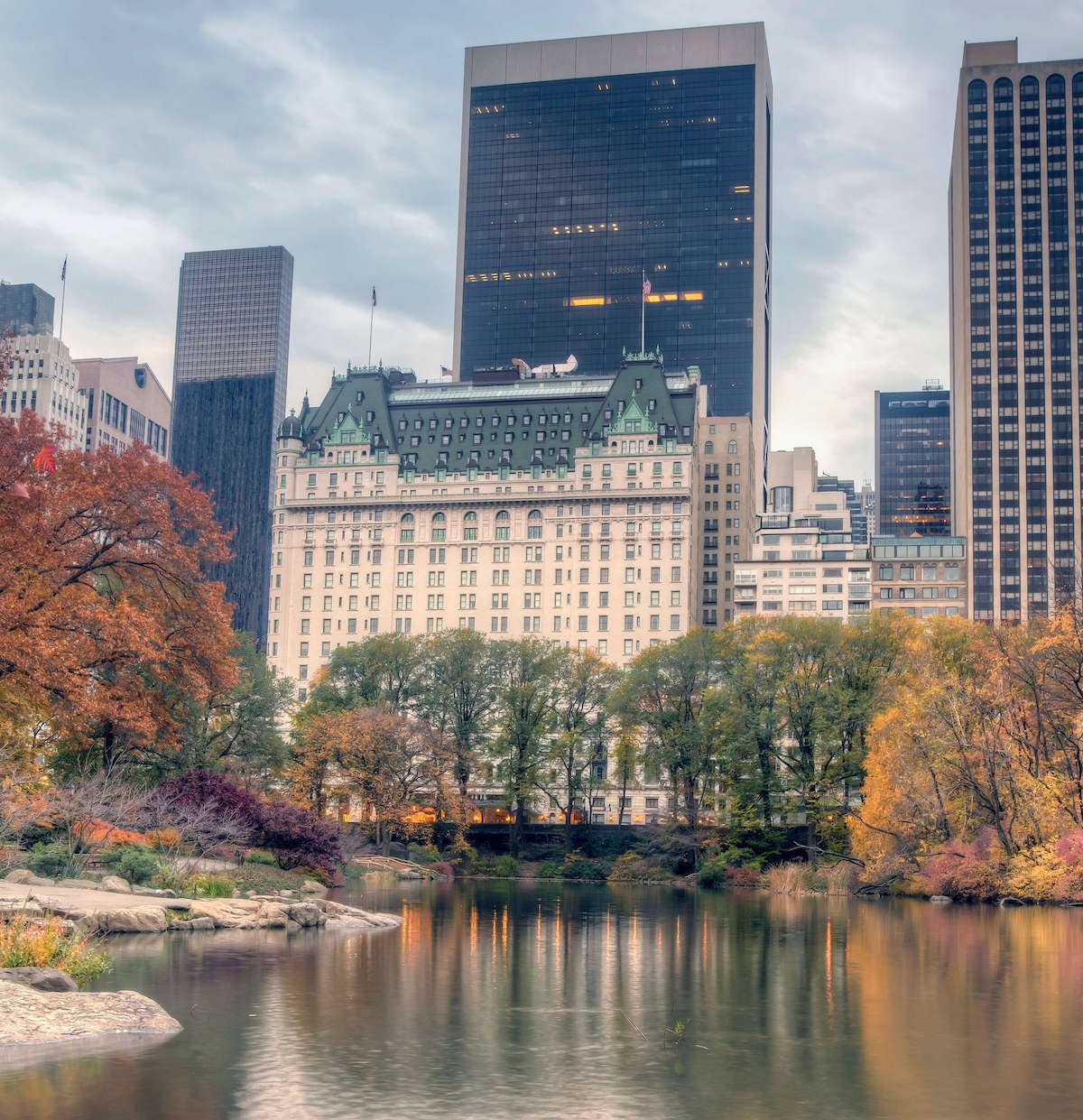
Opened in 1907, The Plaza was immediately recognized as an architectural marvel and a symbol of New York’s booming prosperity. Designed by Henry Janeway Hardenbergh, who also conceived the Dakota Building, its distinctive French Beaux-Arts style set a new standard for urban luxury. From its elegant facade to its lavish interior, featuring marble, crystal chandeliers, and intricate detailing, The Plaza was conceived as a “hotel for the rich,” offering unparalleled service and amenities that attracted the social elite, celebrities, and discerning travelers from around the globe.
Its initial construction cost of $12 million (equivalent to hundreds of millions today) underscored the ambition behind the project. It was the brainchild of developer Harry S. Black, with funding from a consortium of wealthy investors. From day one, it was destined to be a place where history was made, where grand balls were held, and where discreet deals were sealed. Its prime location, overlooking Central Park and facing Grand Army Plaza, instantly made it a focal point of the city, a place where the pulse of New York could be felt most keenly.
Architectural Marvel and Historical Significance
The Plaza Hotel’s architecture is a testament to the gilded age, a period of immense wealth and extravagant tastes. Its sixteen stories rise majestically, capped by its iconic copper-topped turrets. Inside, the opulence continues with the famed Palm Court, a glass-enclosed atrium that has hosted countless afternoon teas, and the elaborate Grand Ballroom, a setting for some of the city’s most memorable events. The suites, designed with a blend of classic elegance and modern comforts, offer a glimpse into a bygone era of luxury. Themes like Louis XVI and English Baroque furnish the rooms, ensuring that every stay is an immersive experience in refined lifestyle.
Beyond its physical beauty, The Plaza has been the stage for countless historical moments and cultural events. It was declared a New York City Landmark in 1969 and a National Historic Landmark in 1986, recognizing its profound impact on American architecture and culture. Literary legends like F. Scott Fitzgerald found inspiration within its walls, famously featuring it in “The Great Gatsby.” It has hosted everyone from The Beatles to foreign dignitaries, becoming synonymous with the city itself. Its role in popular culture, including its appearances in films like “North by Northwest,” “Breakfast at Tiffany’s,” and “Home Alone 2,” further cemented its status, making it a dream destination for tourists drawn to its cinematic allure.
Central Park South: A Coveted Address
The strategic location of The Plaza Hotel New York on Central Park South is arguably one of its most valuable assets. Overlooking the lush expanse of Central Park to the north and the bustling energy of Midtown Manhattan to the south, it offers guests and residents unparalleled views and immediate access to the city’s premier attractions. This prime real estate not only contributes to its iconic status but also significantly influences its value and the dynamics of its ownership.
The address provides a unique blend of urban excitement and serene park views, making it ideal for both tourism and long-term stays. Guests can step out onto Fifth Avenue for world-class shopping, explore the cultural institutions nearby, or simply cross the street to enjoy a leisurely stroll through Central Park. This combination of historical significance, architectural splendor, and an unbeatable location has ensured The Plaza’s enduring appeal, making it a coveted property that has attracted a succession of ambitious owners.
Unraveling the Ownership Tapestry: A Journey Through Time
The question of “Who owns The Plaza Hotel New York?” is a narrative woven through more than a century of real estate deals, corporate shifts, and personal ambitions. Unlike many hotels that remain under consistent family or corporate management for decades, The Plaza’s ownership history is a dynamic and colorful saga, reflecting broader economic trends and the changing landscape of global hospitality. Each change in ownership has left an indelible mark, sometimes leading to significant renovations, new management philosophies, or even radical transformations of its business model.
Early Visionaries and Early 20th-Century Tycoons
From its grand opening in 1907, The Plaza was an instant success, albeit an expensive one to maintain. Its initial developer, Harry S. Black, soon found himself in financial straits, leading to a quick succession of early owners. In 1943, a pivotal moment arrived when legendary hotelier Conrad Hilton purchased The Plaza for $7.4 million. Hilton’s acquisition brought the iconic property under the umbrella of a burgeoning international hotel empire, leveraging its prestige to enhance his brand. Under Hilton’s stewardship, The Plaza continued to thrive, maintaining its reputation for luxury and attracting a global clientele.
Throughout the mid-20th century, The Plaza saw a few more corporate transitions. In the 1950s, Acoustic Development Corporation acquired the property, continuing its tradition of high-end hospitality. Later, in the 1970s, it became part of Western International Hotels, which would later rebrand as Westin. These corporate owners generally upheld The Plaza’s legacy, understanding its unique position in the New York City landscape and its appeal to a specific, affluent market segment. Each transition, while administrative, allowed The Plaza to adapt to changing market conditions while preserving its historical essence.

From Conrad Hilton to Donald Trump: A Rollercoaster of Ownership
Perhaps one of the most famous, and certainly the most flamboyant, periods of The Plaza’s ownership was under Donald Trump. In 1988, Trump purchased The Plaza for $407.5 million, famously declaring it “the greatest real estate transaction I’ve ever made.” Trump’s ownership brought a new level of public scrutiny and celebrity association to the hotel. He placed his then-wife, Ivana Trump, in charge of its management, and the hotel became a backdrop for his lavish lifestyle and business dealings. While his tenure was marked by financial struggles that eventually led to a restructuring and sale in the early 1990s, it undoubtedly added another captivating chapter to The Plaza’s already rich narrative.

Following Trump’s era, The Plaza continued its journey through various hands. In 1995, it was acquired by a consortium led by Prince Al-Waleed bin Talal of Saudi Arabia and Millennium & Copthorne Hotels. This marked a significant shift towards international investment in prime New York City properties, a trend that would only intensify in the coming decades. These owners, while less publicly visible than Trump, were instrumental in maintaining The Plaza’s standing as a luxury destination, continuing to draw affluent travelers and solidify its reputation on the global stage for discerning guests seeking an exceptional hotel experience.
The Current Custodians: Living the Plaza Dream Today
The most significant transformation in The Plaza’s ownership and operational model occurred in the mid-2000s, fundamentally reshaping the answer to “Who owns The Plaza Hotel New York?” This era saw the introduction of a hybrid concept, blending traditional luxury hotel rooms with ultra-exclusive private residences, catering to both transient guests and permanent occupants seeking the ultimate in New York City luxury living. This model reflects a growing trend in the hospitality industry, where iconic properties are partially converted into residential units to maximize value and appeal to a broader, high-net-worth demographic.
The Elad Properties Era and the Condo-Hotel Model
In 2004, The Plaza was acquired by Elad Properties, an Israeli-owned real estate development company, for an estimated $675 million. This acquisition marked a turning point, as Elad embarked on an ambitious and controversial two-year, $400 million renovation and conversion project. The plan was to transform 80% of the hotel into 150 private condominium apartments and just 130 traditional hotel rooms, along with a collection of branded “Plaza Residences” that could be rented out as part of the hotel’s inventory.
This condo-hotel model was designed to capitalize on the soaring New York City real estate market, offering individuals the chance to “own a piece of The Plaza.” The private residences, ranging from lavish apartments to penthouses, offered unparalleled luxury, access to all hotel services (concierge, room service, housekeeping), and the prestige of the Plaza address. While initially met with some resistance from preservationists and hotel employees, the conversion proved to be a financial success, with the residential units selling for record-breaking prices, cementing The Plaza’s status as a premier address for luxury travel and living.
Qatari Investment and the Future of an Icon
Today, the ownership structure of The Plaza Hotel New York is multifaceted. While the condominium units are individually owned by various private entities and individuals from around the world, the actual hotel operations and the remaining 130 guest rooms are primarily owned by a consortium of investors. The dominant player in this consortium is Katara Hospitality, the hospitality arm of the sovereign wealth fund of Qatar.
Katara Hospitality acquired the majority stake in the hotel portion of The Plaza from Sahara India Pariwar in 2018 for approximately $600 million. This acquisition underscores the growing trend of Middle Eastern sovereign wealth funds investing in iconic global landmarks and luxury properties in major cities like New York, Paris, and London. Katara Hospitality is known for its portfolio of luxury hotels and resorts across Europe, Africa, and Asia, including famous properties in Geneva, Milan, and Doha, Qatar. Their involvement ensures that The Plaza remains a benchmark for luxury service and maintains its prestigious reputation on the international stage.
The daily operations of the hotel are managed by Fairmont Hotels and Resorts, a luxury brand known for its distinctive properties around the world. Fairmont itself is part of AccorHotels, one of the world’s largest hospitality groups. This management agreement ensures that while the ultimate ownership rests with Katara Hospitality and the individual condo owners, the guest experience is consistently delivered to the highest standards, reflecting The Plaza’s century-long commitment to luxury and impeccable service. Thus, the question of ownership is not singular but a tapestry of corporate investment, residential ownership, and professional hotel management, all working in concert to preserve and enhance the legacy of this extraordinary New York institution.
Beyond Ownership: The Plaza’s Cultural and Economic Impact
While the legal and financial aspects of who owns The Plaza Hotel New York are complex, its cultural and economic impact extends far beyond its deeds and balance sheets. The Plaza is not merely a piece of real estate; it is a living monument, a vibrant hub of tourism, and a significant contributor to the global image of New York City. It embodies a certain aspirational lifestyle, attracting visitors from all walks of life who wish to experience a slice of its legendary grandeur, whether for a quick afternoon tea, a luxurious overnight stay, or a permanent residence.
The continuous investment by various owners, from Conrad Hilton to Donald Trump and now Katara Hospitality, underscores its enduring value not just as a property, but as a brand. Each owner has, in their own way, contributed to its preservation and evolution, ensuring that The Plaza remains relevant in a rapidly changing world while staying true to its historic roots. Its continued operation as a premier hotel and residential building also supports numerous jobs, stimulates the local economy, and sustains the luxury tourism sector in Manhattan.
A New York Icon in Pop Culture
The Plaza Hotel’s cultural footprint is immense. It has been immortalized in literature, film, and television, making it instantly recognizable to people worldwide. From F. Scott Fitzgerald’s “The Great Gatsby,” where the climactic confrontation between Tom Buchanan and Jay Gatsby unfolds in a Plaza suite, to its starring role in the classic children’s book series “Eloise” by Kay Thompson, the hotel has captivated imaginations for generations. The mischievous adventures of Eloise, the six-year-old girl who lives in the “room at the very top,” made The Plaza a fantasy destination for countless children.
In cinema, its elegant facades and opulent interiors have served as backdrops for iconic scenes in movies such as “Breakfast at Tiffany’s,” “North by Northwest,” “Crocodile Dundee,” and arguably most famously, “Home Alone 2: Lost in New York.” These appearances have imbued The Plaza with a mythical quality, turning it into more than just an accommodation option but a character in the grand narrative of New York City itself. Its global recognition as a cultural symbol ensures its continued appeal as a unique destination for travelers seeking to walk in the footsteps of their favorite fictional characters or cinematic heroes.
The Plaza Experience: Luxury and Lifestyle
For many, a stay at The Plaza Hotel New York is the epitome of luxury travel. It’s an experience that transcends mere accommodation, offering a glimpse into a world of refined elegance and impeccable service. The hotel’s amenities, from its exquisite dining options to its world-class spa and fitness center, are designed to cater to the most discerning tastes. Whether it’s enjoying afternoon tea in the Palm Court, sipping cocktails in the Rose Club, or simply relaxing in one of its lavish suites, guests are immersed in an atmosphere of unparalleled sophistication.
The condo-hotel model, in particular, caters to a specific lifestyle – that of ultra-luxury living with the convenience of hotel services. Residents and guests alike benefit from the legendary concierge service, private butler options, and exclusive access to the building’s facilities. This seamless integration of private living and high-end hospitality ensures that The Plaza continues to define a certain standard of opulent urban existence. For those exploring destinations with an eye for historical landmarks and unforgettable experiences, The Plaza remains a top choice, promising not just a room, but a journey into the heart of New York’s enduring glamour. Its current ownership, a blend of international investment and individual residential stakes, is committed to preserving this legacy, ensuring that The Plaza Hotel New York continues to be a beacon of luxury and an iconic destination for generations to come.
LifeOutOfTheBox is a participant in the Amazon Services LLC Associates Program, an affiliate advertising program designed to provide a means for sites to earn advertising fees by advertising and linking to Amazon.com. Amazon, the Amazon logo, AmazonSupply, and the AmazonSupply logo are trademarks of Amazon.com, Inc. or its affiliates. As an Amazon Associate we earn affiliate commissions from qualifying purchases.