
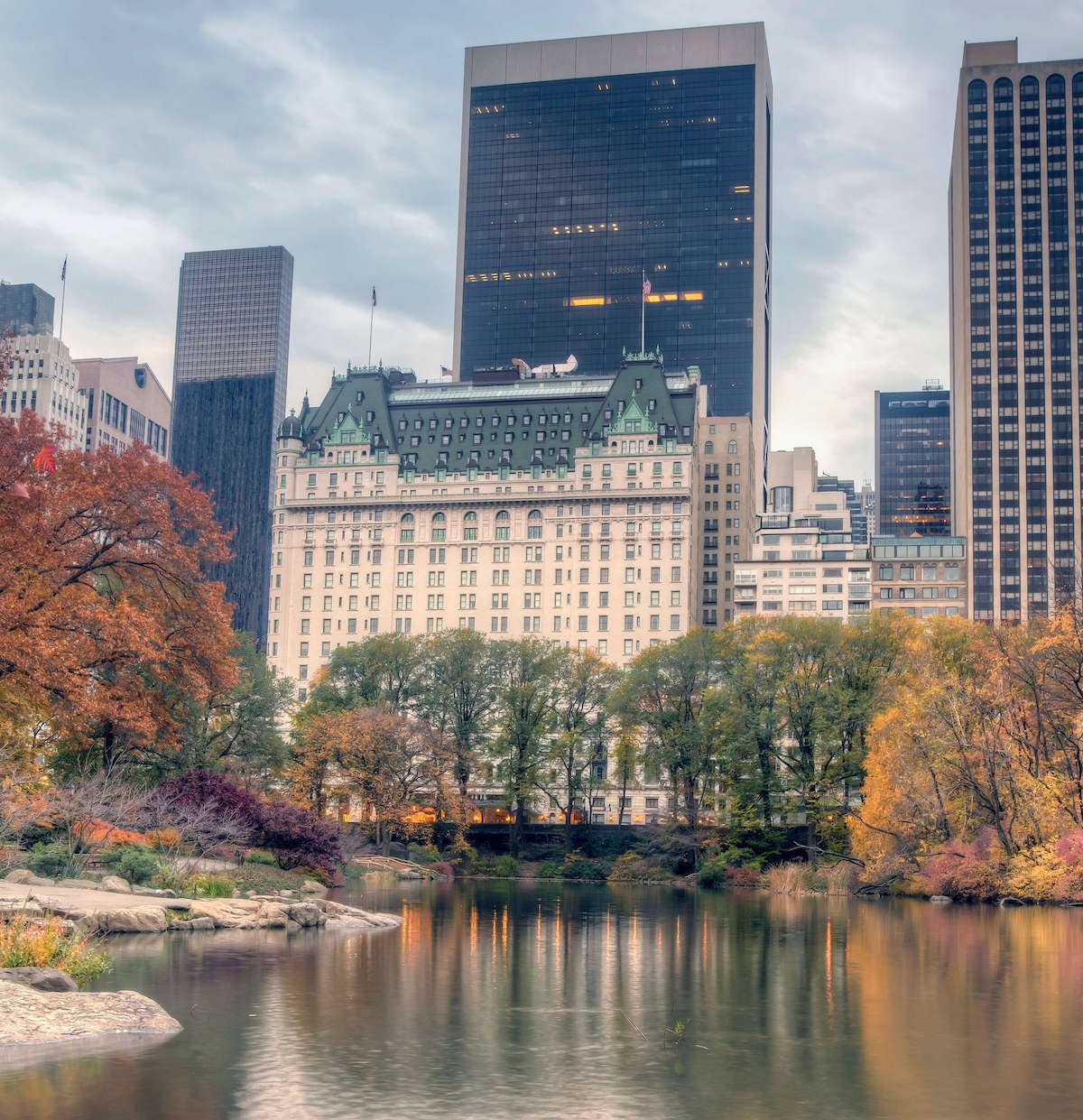
Perched majestically at the nexus of Fifth Avenue and Central Park in the heart of Manhattan, The Plaza Hotel stands not merely as a New York City landmark but as a global icon of luxury, grandeur, and timeless elegance. Its distinctive French Renaissance château-style architecture, intricate history, and cameo appearances in countless films and literature have cemented its place in the collective imagination as the epitome of sophisticated New York lifestyle. For over a century, The Plaza has welcomed dignitaries, celebrities, and discerning travelers from around the world, offering an unparalleled experience in hospitality and accommodation.
However, beneath its unwavering facade of luxury lies a captivating and often complex narrative of ownership, a tale that mirrors the dynamic shifts in global finance, real estate, and the evolving nature of luxury travel itself. From visionary founders to entrepreneurial titans, international conglomerates, and sovereign wealth funds, the custodianship of The Plaza has changed hands numerous times, each transition adding another intriguing chapter to its rich legacy. Understanding “who owns The Plaza Hotel New York?” is not just about identifying the current proprietors; it’s an exploration into the enduring value and universal allure of one of the world’s most famous hotels. For those planning a trip to the Big Apple, or simply fascinated by the history of iconic destinations, unraveling The Plaza’s ownership saga offers a deeper appreciation for this magnificent structure.
A Glimpse into The Plaza Hotel’s Storied Past
Before delving into the intricate web of its modern ownership, it’s essential to understand the foundation upon which The Plaza was built – both literally and figuratively. Its very inception was marked by an ambition to create something extraordinary, a testament to New York City’s burgeoning status as a global metropolis.
The Birth of a New York Icon
The Plaza Hotel first opened its grand doors on October 1, 1907. Designed by the renowned architect Henry Janeway Hardenbergh, who also crafted the original Waldorf-Astoria Hotel, it was constructed at an astronomical cost for its time – $12.5 million. This colossal investment was a clear indicator of the founders’ vision: to build the grandest hotel in the world. Situated directly across from Central Park and at the entrance to Grand Army Plaza, its location was strategically chosen to offer unparalleled views and access to the city’s most exclusive districts. From the moment it welcomed its first guests, The Plaza became an instant symbol of American luxury and architectural prowess, a beacon for high society and a must-visit attraction for tourism in New York. Its opulent interiors, featuring glittering chandeliers, marble staircases, and lavish public spaces like the famous Palm Court, immediately set a new standard for urban resorts.
A Beacon of Luxury and Grandeur
Throughout its history, The Plaza has consistently maintained its reputation as a haven of luxury and refined experiences. Its opulent suites have hosted everyone from F. Scott Fitzgerald and Frank Lloyd Wright to The Beatles and numerous heads of state. It has served as the backdrop for iconic scenes in cinema, most notably in Alfred Hitchcock’s “North by Northwest,” “Breakfast at Tiffany’s,” “Home Alone 2: Lost in New York,” and “The Way We Were.” These cultural touchstones have woven The Plaza into the fabric of global pop culture, elevating it beyond a mere hotel to a living legend.
Its world-class amenities, from the elegant Champagne Bar to the exquisite shops in The Plaza Retail Collection, offer a complete lifestyle experience. Whether guests are seeking a romantic getaway, a family trip, or a sophisticated business stay, The Plaza consistently delivers on its promise of unparalleled service and an unforgettable ambiance. This enduring appeal has made it not only a highly sought-after destination for luxury travel but also a property of immense value, attracting a succession of ambitious owners.

The Shifting Sands of Ownership: A Chronological Journey
The journey of The Plaza Hotel through the hands of various owners is a fascinating saga, each chapter reflecting different economic climates, investment strategies, and personal ambitions. Each sale and acquisition has shaped the hotel’s destiny, from maintaining its historical integrity to adapting to modern demands.
Early Visionaries and the Hilton Era
Following its grand opening, The Plaza was initially owned by a consortium of investors. However, it wasn’t until 1943 that the hotel experienced one of its most significant ownership changes with the acquisition by Conrad Hilton, the visionary founder of Hilton Hotels Corporation. Hilton famously purchased The Plaza for $7.4 million, a shrewd investment at the time. Under Hilton’s leadership, The Plaza underwent significant renovations and modernization, solidifying its status as one of the world’s premier hotels. This period saw the hotel thrive, welcoming a new generation of guests and cementing its position as a symbol of New York’s post-war prosperity. For over three decades, Hilton successfully managed and enhanced the property, maintaining its legacy of excellence in hospitality.
Donald Trump’s Moment in the Spotlight
One of the most publicized and talked-about ownership periods began in 1988 when real estate magnate Donald Trump acquired The Plaza for an astounding $407 million. Upon purchasing the hotel, Trump famously declared, “I haven’t purchased a building, I have purchased a masterpiece – the Mona Lisa. For the first time in my life, I have knowingly made a deal that was not economic – for I can never afford to tear down this particular masterpiece.” His acquisition was a bold statement, reflecting his penchant for iconic properties and high-profile ventures.
Under Trump’s ownership, his then-wife Ivana Trump took on the role of president, overseeing significant interior redesigns aimed at restoring its gilded grandeur. Despite the initial enthusiasm, this era was fraught with financial challenges. The high price tag, combined with a downturn in the real estate market and increasing debt, led to financial difficulties. By 1995, Trump was forced to cede control of the hotel to a consortium of creditors, including Prince Al-Waleed bin Talal of Saudi Arabia’s Kingdom Holding Company (KHC) and CDL Hotels International. This transition marked a shift towards more international investment in iconic American properties.
International Investment and the KHC Influence
The mid-1990s saw a new chapter for The Plaza under the partial ownership of Prince Al-Waleed‘s Kingdom Holding Company and CDL Hotels International. KHC, a major global investor in luxury hotels and resorts, brought a wealth of international hospitality experience. They partnered with Fairmont Hotels and Resorts for the management of the property, leveraging Fairmont’s expertise in operating high-end accommodations.
A more radical transformation occurred in 2004 when The Plaza was acquired by Elad Properties, an Israeli real estate development company, for $675 million. This acquisition ushered in a controversial era of conversion. Elad embarked on an ambitious plan to convert many of the hotel rooms into private luxury condominiums. While maintaining approximately 282 traditional hotel rooms, the majority of the original 805 rooms were sold off as residential apartments and villas. This move sparked debate among preservationists and New Yorkers alike, concerned about the erosion of a historic hotel’s identity. However, it also underscored the immense value of Manhattan real estate and the growing demand for ultra-luxury residential lifestyle offerings. The conversion was completed in 2008, fundamentally altering the nature of The Plaza from a pure hotel to a mixed-use residential and hotel property, managed by Fairmont Hotels and Resorts.

The Sahara India Pariwar Chapter
In 2012, The Plaza Hotel once again changed hands, with Sahara India Pariwar, an Indian conglomerate, purchasing a controlling 75% stake from Elad Properties for $570 million. The remaining 25% was retained by Ashkenazy Acquisition Corporation, which had been a minority partner in the Elad deal. This acquisition marked a significant entry into the New York luxury market for an Indian company, signaling the increasing global interest in prime American assets.
However, Sahara India Pariwar’s ownership was tumultuous. The company’s chairman, Subrata Roy, faced severe legal and financial troubles in India, leading to his arrest and efforts to sell off assets to raise funds. This period saw repeated attempts to refinance or sell The Plaza and other international properties. The uncertainty surrounding its ownership and the ongoing legal battles created a challenging environment for the iconic hotel, though its day-to-day operations continued to uphold its high standards. The saga highlighted the volatile nature of high-stakes international real estate and the complexities that can arise from global business dealings.
Current Custodianship: A Dual Ownership Structure
Today, the ownership structure of The Plaza Hotel New York is primarily divided between two entities, demonstrating a continuing trend of international investment in New York City’s most prized assets. In 2018, Katara Hospitality, a leading global hotel owner, developer, and operator based in Qatar, acquired a 75% stake in The Plaza from Sahara India Pariwar for approximately $600 million. Katara Hospitality is known for its impressive portfolio of iconic hotels across Europe, Africa, and the Middle East, including properties in Doha, Paris, London, and Geneva. Their acquisition reflects a strategic investment in premier luxury destinations worldwide.
The remaining 25% ownership stake is held by Ashkenazy Acquisition Corporation, a private real estate investment firm based in New York. Ashkenazy has a diverse portfolio of retail, hotel, and office properties, and their continued involvement ensures a strong local presence and understanding of the New York market. This dual ownership combines international investment power with domestic expertise, aiming to preserve and enhance The Plaza’s legacy. While the hotel portion is managed by Fairmont Hotels and Resorts, the luxury condominiums within the building are privately owned, creating a multifaceted property that serves both transient guests and permanent residents.
Beyond Ownership: The Plaza’s Enduring Legacy and Appeal
Despite the constant flux of ownership, The Plaza Hotel’s core essence – its grandeur, its history, and its unparalleled service – has remained remarkably consistent. It continues to be much more than just a place to stay; it is an experience, a destination in itself.
An Unforgettable Landmark and Destination
For discerning travelers and enthusiasts of architecture and history, The Plaza is an essential attraction when visiting New York City. Its facade, a designated New York City landmark, draws admirers daily. Inside, guests can explore the famed Palm Court, renowned for its exquisite afternoon tea, or enjoy sophisticated cocktails at the Champagne Bar. The Rose Club offers a cozy yet elegant setting for evening relaxation. These iconic spaces are not merely dining establishments; they are cultural institutions that contribute significantly to the vibrant tourism landscape of New York.
The hotel’s prime location, overlooking Central Park and adjacent to high-end Fifth Avenue shopping, places it at the epicenter of Manhattan’s best offerings. Whether guests are interested in cultural pursuits, luxury shopping, or simply soaking in the energy of the city, The Plaza provides an ideal base. Its historical significance and ongoing relevance make it a constant source of fascination and a must-include on any comprehensive travel guide to New York.
A Lifestyle Destination for Every Traveler
While steeped in tradition, The Plaza Hotel has also masterfully adapted to the modern expectations of luxury travel. Its suites and guest rooms seamlessly blend historical elegance with cutting-edge technology and amenities, ensuring both comfort and convenience. For those seeking an opulent stay, the vast array of suites, including the famous Royal Suite, offers an unparalleled residential experience, complete with private butlers and breathtaking views. This commitment to delivering bespoke experiences caters to a diverse clientele, from honeymooners desiring romantic getaways to families looking for an unforgettable vacation that might even include a nod to “Eloise at The Plaza.”
Beyond the traditional hotel offerings, the presence of luxury condominiums within The Plaza caters to those seeking a long-term stay or a permanent residence within this iconic structure. This unique blend positions The Plaza as more than just a hotel; it’s a vibrant ecosystem of luxury lifestyle. When considering accommodation booking, whether one chooses a traditional room or one of the residential offerings, guests can consult reviews and comparisons to fully appreciate the distinctive appeal of this legendary establishment. Its inclusion in categories ranging from hotels to resorts and even high-end apartments (due to its residential components) speaks to its multifaceted nature and broad appeal in the hospitality market.
In conclusion, the question “Who owns The Plaza Hotel New York?” reveals a rich tapestry of financial maneuvering, global ambition, and the enduring power of a truly iconic property. Currently, Katara Hospitality and Ashkenazy Acquisition Corporation are the primary custodians of this New York treasure. Yet, regardless of who holds the title deeds, The Plaza Hotel’s spirit remains unchanged. It continues to stand as a symbol of aspiration and elegance, a timeless beacon for travelers and residents alike, forever ingrained in the cultural landscape of New York City and the world. Its legacy is a testament to its intrinsic value, a masterpiece that transcends transient ownership and continues to captivate generations.
LifeOutOfTheBox is a participant in the Amazon Services LLC Associates Program, an affiliate advertising program designed to provide a means for sites to earn advertising fees by advertising and linking to Amazon.com. Amazon, the Amazon logo, AmazonSupply, and the AmazonSupply logo are trademarks of Amazon.com, Inc. or its affiliates. As an Amazon Associate we earn affiliate commissions from qualifying purchases.