
The question of who owns the Texas Renaissance Festival, often abbreviated as TRF, leads to a story as rich and vibrant as the festival itself. Unlike many large-scale entertainment venues or theme parks which might be corporately owned or publicly traded, the Texas Renaissance Festival is the brainchild and long-held private property of one man: George Coulam. His vision, dedication, and entrepreneurial spirit have transformed a modest, humble gathering in rural Texas into one of the largest and most successful renaissance festivals in the United States, attracting hundreds of thousands of visitors annually.
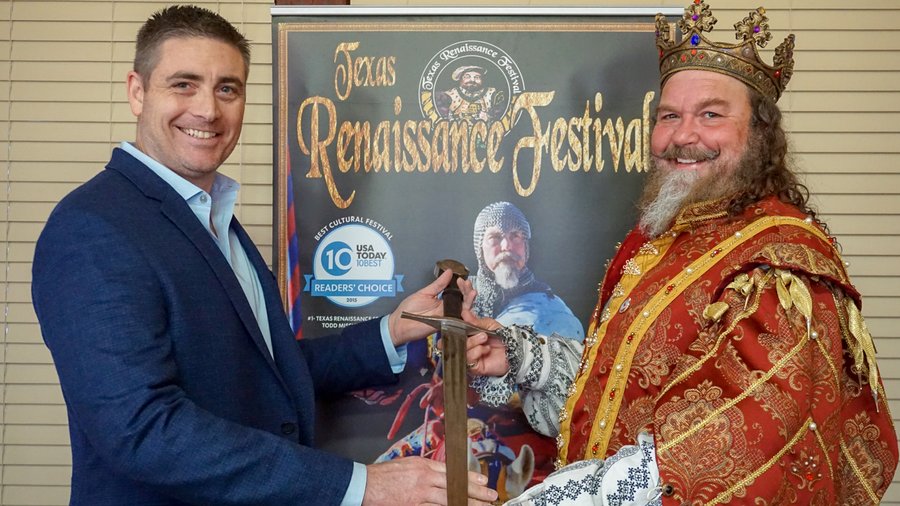
Coulam’s ownership is more than just a legal designation; it’s the heart of the festival’s unique character, its commitment to immersive historical fantasy, and its evolution over the past five decades. His personal stamp is evident in every detail, from the meticulously designed permanent structures to the distinct atmosphere that sets TRF apart. For travelers seeking authentic, immersive experiences and looking to delve into the fascinating world of themed entertainment, understanding the private ownership structure of an attraction like the Texas Renaissance Festival offers valuable insight into its operational philosophy and enduring appeal. It highlights how a singular vision can cultivate a landmark destination that significantly contributes to local tourism and provides unparalleled opportunities for unique travel and accommodation experiences.
The Visionary Behind the Realm: George Coulam and His Legacy
The story of the Texas Renaissance Festival truly begins with George Coulam. A true pioneer in the world of themed entertainment, Coulam embarked on an ambitious journey in 1974 when he purchased 15 acres of land near Plantersville, Texas, approximately an hour north of Houston. His initial investment and unwavering belief in creating a fully immersive 16th-century European village laid the groundwork for what would become an iconic annual event and a significant landmark in its own right.
From its very first season, Coulam was hands-on, crafting the festival grounds, recruiting performers, and curating an experience that would transport visitors out of their modern lives and into a world of knights, jesters, kings, and queens. His private ownership has allowed for a level of creative control and long-term strategic planning that might be more challenging within a larger corporate framework. This autonomy has enabled the continuous expansion and refinement of the festival, transforming it from a seasonal event into a sprawling, permanently constructed village that is perpetually evolving.
From Humble Beginnings to a Global Phenomenon
The early days of the Texas Renaissance Festival were characterized by a grassroots effort, fuelled by Coulam’s passion and the dedicated work of a growing community of artisans and performers. What started with a few thousand attendees has blossomed into an eight-weekend extravaganza, drawing over half a million visitors each year. This remarkable growth didn’t happen overnight; it was the result of consistent investment, strategic marketing, and a relentless pursuit of authenticity and spectacle. The festival now encompasses over 70 acres of permanent structures, including shops, stages, taverns, and even a jousting arena, all meticulously designed to evoke the period.
For travel enthusiasts, the evolution of TRF represents a fascinating case study in destination development. It’s an example of how a unique attraction, born from a singular vision, can become a major driver for tourism, influencing travel itineraries, accommodation choices, and local economic development for an entire region. Travelers from across the United States and even internationally plan their autumn vacations around the festival, highlighting its status as a must-visit attraction.
A Lifelong Dedication to Fantasy and Immersion
George Coulam’s enduring ownership reflects a profound dedication not just to entertainment, but to the art of immersion. He has famously stated his desire to create a world where visitors can truly forget their everyday lives, even for a few hours. This philosophy is deeply embedded in every facet of the festival, from the period costumes worn by all staff and many attendees, to the themed weekends that offer varied experiences, and the intricate storylines that unfold daily across the grounds.
This dedication to immersion extends beyond the festival gates. For visitors, planning a trip to TRF often involves embracing the theme fully, which might include sourcing period attire or booking unique accommodations that complement the experience. Many attendees opt for camping or glamping nearby, extending their medieval adventure beyond daylight hours. This commitment to an all-encompassing experience is a hallmark of Coulam’s ownership and is a primary reason for the festival’s consistent popularity among those who appreciate detailed, high-quality themed travel. It’s a testament to how one individual’s vision can shape not just an event, but an entire subculture of travel and lifestyle.
A Kingdom Built on Creativity: The Festival’s Unique Structure
The Texas Renaissance Festival is far more than a temporary gathering of tents and performers; it is a permanent village, meticulously constructed and continuously maintained. This unique structure is a direct consequence of George Coulam’s long-term private ownership. Instead of dismantling and rebuilding annually, Coulam invested heavily in creating durable, authentic-looking buildings that stand year-round, allowing for ongoing enhancements and the cultivation of an ever-more realistic medieval environment. This distinguishes TRF from many other Renaissance fairs which operate on temporary setups.
The festival grounds in Todd Mission, Texas, are a vibrant testament to this approach. Over the decades, new “kingdoms” or themed areas have been added, each with its own architectural style, performance stages, and unique artisan shops. This organic growth, guided by a single proprietor, allows for a coherent vision and ensures that new additions seamlessly integrate into the existing landscape, enhancing the overall visitor experience.
More Than Just an Event: A Permanent Attraction
While the gates of the Texas Renaissance Festival open only for a limited season each fall, the infrastructure that supports it is a permanent fixture. This permanent nature makes TRF a unique landmark and a distinct destination in its own right, not merely a fleeting event. The hundreds of skilled artisans and craftspeople who operate businesses within the festival grounds often have dedicated, custom-built storefronts that they return to year after year. This fosters a sense of community and continuity that enriches the visitor experience, offering high-quality, handcrafted goods that are themselves attractions.
For those interested in unique travel destinations, TRF exemplifies how a specialized attraction can build an enduring legacy. It demonstrates that long-term investment in physical infrastructure, coupled with a consistent creative vision, can yield a robust and highly sought-after tourist draw. The sheer scale and permanence of the festival grounds mean that a visit requires significant planning, often involving multi-day stays, further cementing its status as a major regional attraction comparable to a small theme park or historical site.
The Business Model of a Renaissance Realm

George Coulam’s private ownership also shapes the business model of the Texas Renaissance Festival. As a privately held entity, the festival can operate with a degree of agility and responsiveness that might be difficult for a publicly traded company. Decisions about expansion, entertainment, vendor selection, and pricing can be made directly by Coulam and his management team, allowing for quick adaptations to visitor feedback and market trends.
The revenue streams are diverse, including ticket sales, food and beverage concessions, merchandise, and vendor fees from the hundreds of independent artisans and merchants who set up shop. The festival also generates income through special events, such as its popular King’s Feast and themed weddings, providing additional luxury travel experiences. This robust business model allows for continuous reinvestment into the festival, ensuring its longevity and ongoing enhancement. Understanding this model is key for travelers who appreciate the quality and scale of the experience, recognizing that the price of admission contributes to the preservation and expansion of this fantastical realm. It’s a testament to sustainable tourism where a unique cultural experience is maintained through thoughtful financial management under a singular, dedicated leadership.
The Economic and Tourism Impact of a Medieval Marvel
The Texas Renaissance Festival is not just a cultural phenomenon; it is a significant economic engine and a major tourism draw for Southeast Texas. Its annual operation, spanning two months in the fall, creates thousands of jobs, directly and indirectly, and injects millions of dollars into the local economy. From the performers and artisans who entertain and sell their wares, to the local businesses that cater to the influx of visitors, TRF’s impact reverberates far beyond its medieval gates.
For travelers, this economic impact translates into a vibrant tourism ecosystem around the festival. The demand for accommodation, dining, and related services surges during the festival season, providing a diverse array of options for different budgets and travel styles. This includes everything from luxury hotel suites in nearby cities to quaint bed and breakfasts, and extensive camping and RV park facilities closer to the grounds. The festival thus becomes a focal point for travel planning, influencing routes, durations of stay, and secondary activities in the broader Texas region.
Driving Local Economies and Drawing Global Visitors
The sheer volume of visitors the Texas Renaissance Festival attracts—exceeding half a million annually—makes it a cornerstone of local tourism. Businesses in Todd Mission, Magnolia, Waller, and even larger metropolitan areas like Houston experience a significant boost. Local restaurants see increased patronage, gas stations thrive, and small shops benefit from the spillover effect. The festival provides employment for thousands of seasonal workers, including performers, security, food service staff, and artisans, offering a unique job market within the entertainment industry.
Beyond direct economic benefits, TRF enhances the cultural landscape of Texas, putting Todd Mission on the map as a unique travel destination. It draws visitors not only from across the United States but also from international locales, eager to experience one of the world’s premier renaissance festivals. This influx of global visitors broadens the reach of Texas tourism, encouraging exploration of other state landmarks and attractions. For instance, many visitors combine their TRF trip with visits to Houston’s Museum District, the Space Center Houston, or even road trips to Austin, Dallas, or San Antonio.
Accommodation and Travel: Planning Your Journey to the Past
Planning a trip to the Texas Renaissance Festival involves careful consideration of accommodation and travel logistics, especially given the festival’s remote location. The demand for lodging options within a reasonable driving distance of Todd Mission is high during the season. This has led to a proliferation of choices, catering to a diverse range of traveler preferences and budgets.
For the most immersive experience, many attendees opt for camping at the official campgrounds adjacent to the festival, known as “The Fields of New Market.” This offers a unique opportunity for long-term stay and community building, with many campers creating their own elaborate, themed setups. For those seeking more traditional comforts, hotels in nearby towns like Magnolia, Waller, and Tomball offer a range of options, from budget-friendly inns to more upscale resorts. Houston, being the closest major city, provides an even wider selection of luxury hotels, boutique apartments, and family-friendly suites, though it requires a longer commute to the festival grounds. When booking accommodation, travelers should compare options, read reviews, and book well in advance, particularly for peak weekends and popular themed events. This planning is crucial for ensuring a smooth and enjoyable travel experience to this unique historical landmark.
Experiencing the Magic: What Makes TRF a Top Destination?
The enduring success and status of the Texas Renaissance Festival as a premier travel destination can be attributed to its unparalleled commitment to immersion and the sheer breadth of experiences it offers. Under George Coulam’s continuous ownership, the festival has cultivated an atmosphere where every detail, from the architecture to the street performers, aims to transport visitors directly into the heart of a 16th-century European village. This dedication to authenticity and spectacle makes TRF more than just an event; it’s a living, breathing landmark that draws people seeking unique cultural and entertainment experiences.
Whether you’re a seasoned “Ren faire” enthusiast or a first-time visitor, the festival offers something for every type of traveler. Its diverse appeal spans various lifestyle interests, from family-friendly adventures and romantic getaways to specialized group trips centered around specific historical periods or fantasy themes. The ability to engage with artisans, witness dramatic jousting tournaments, enjoy period music, and savor themed culinary delights collectively creates a memorable travel experience that few other destinations can replicate.
Beyond the Gates: Nearby Attractions and Extended Stays
While the Texas Renaissance Festival is undoubtedly the main draw, its location in Southeast Texas provides ample opportunities for extended stays and exploration of other regional attractions. Many travelers choose to combine their festival visit with excursions to Houston, a vibrant metropolis offering world-class museums, diverse culinary scenes, and the famous Space Center Houston. For nature lovers, nearby state parks like Huntsville State Park or the Sam Houston National Forest offer opportunities for hiking, camping, and wildlife observation.
Families often plan multi-day itineraries that balance the immersive excitement of the festival with other educational or recreational activities. Couples might seek out romantic boutique hotels in Old Town Spring or Montgomery for a quieter retreat after a day of revelry. The existence of these complementary destinations enhances the overall travel experience, allowing visitors to craft a comprehensive vacation that caters to various interests beyond the medieval theme alone. This strategic integration of the festival within a broader tourism framework makes it an ideal anchor for longer, more enriching trips to Texas.

A Lifestyle Choice: Tailoring Your TRF Adventure
Visiting the Texas Renaissance Festival often transcends a simple travel plan; for many, it becomes a lifestyle choice. Enthusiasts meticulously plan their costumes, research performances, and even partake in specialized workshops offered during the off-season. The festival caters to a wide array of lifestyle preferences, allowing each visitor to tailor their adventure.
For budget travelers, packing picnics, choosing more affordable accommodation options like camping, and focusing on the free street performances can make for an economical yet enriching trip. Luxury travelers, on the other hand, might opt for premium seating at the joust, exclusive access to the King’s Feast, and stays at high-end resorts in Houston or boutique hotels closer to the grounds. Family trips benefit from the wide array of kid-friendly activities, rides, and shows, while adult groups might prefer the numerous taverns and more mature entertainment options. The themed weekends, such as “Roman Bacchanal” or “Highland Fling,” allow for repeat visits throughout the season, each offering a distinct cultural immersion. This versatility, cultivated under George Coulam’s ownership, ensures that the Texas Renaissance Festival remains a dynamic and appealing destination, continually inviting travelers to step into a world of fantasy and create their own unforgettable memories.
LifeOutOfTheBox is a participant in the Amazon Services LLC Associates Program, an affiliate advertising program designed to provide a means for sites to earn advertising fees by advertising and linking to Amazon.com. Amazon, the Amazon logo, AmazonSupply, and the AmazonSupply logo are trademarks of Amazon.com, Inc. or its affiliates. As an Amazon Associate we earn affiliate commissions from qualifying purchases.