
The question “Who owns Wyndham Hotels?” delves into the fascinating world of corporate structure, global hospitality, and the diverse ecosystem of hotel brands that shape our travel experiences. In an industry dominated by massive conglomerates, understanding the ownership of a major player like Wyndham Hotels & Resorts provides invaluable insight into its operational philosophy, market positioning, and the vast range of accommodation options it offers travelers worldwide. Far from being owned by a single individual or a small private entity, Wyndham Hotels & Resorts is a publicly traded company, meaning its ownership is distributed among a multitude of shareholders, from institutional investors to individual stock purchasers. This structure allows the company to leverage capital markets for growth, expansion, and continuous innovation, influencing the travel and tourism sectors across numerous destinations.
The journey of Wyndham Hotels & Resorts to its current status is a story of strategic acquisitions, brand diversification, and a steadfast commitment to catering to an expansive spectrum of guest needs. From its humble beginnings to its position as one of the world’s largest hotel franchisors, Wyndham has meticulously built a portfolio that spans various segments, ensuring that whether you’re a budget-conscious backpacker, a family on a road trip, or a business executive seeking premium amenities, there’s a Wyndham property designed to meet your expectations. This intricate ownership model, combined with a clear vision for hospitality, underpins its pervasive presence in the global accommodation landscape.

The Corporate Structure Behind Wyndham Hotels & Resorts
Understanding the ownership of Wyndham Hotels & Resorts begins with recognizing its identity as a publicly traded corporation. Unlike private companies or family-owned businesses, a publicly traded company’s ownership is dispersed among shareholders who buy and sell its stock on major exchanges like the New York Stock Exchange (NYSE). This means that theoretically, anyone can become an owner of Wyndham Hotels & Resorts by purchasing shares. The company itself acts as an independent entity, managed by a board of directors and an executive leadership team who are accountable to these shareholders. This corporate governance structure is designed to promote transparency, strategic growth, and long-term value creation.
The split from its former parent company, Wyndham Worldwide, in 2018 was a pivotal moment. This strategic move created two distinct, publicly traded companies: Wyndham Hotels & Resorts, focusing on the hotel franchising business, and Wyndham Destinations (now part of Travel + Leisure Co.), concentrating on vacation ownership and exchange. This separation allowed Wyndham Hotels & Resorts to sharpen its focus on its core hospitality offerings, streamline operations, and invest more directly in the growth of its extensive hotel brand portfolio. The corporate headquarters in Parsippany, New Jersey, serves as the nerve center for its global operations, orchestrating the activities of thousands of franchised properties and supporting millions of guests annually.
From Hospitality Giant to Publicly Traded Powerhouse
The roots of Wyndham Hotels & Resorts can be traced back through a complex history of mergers, acquisitions, and divestitures that shaped the modern hospitality landscape. Initially, the Wyndham brand itself emerged from Wyndham Hotel Corporation, founded in Dallas, Texas, in 1981. Over the decades, it grew through strategic expansions, including its acquisition by Cendant Corporation in 2005. Cendant later spun off its various businesses, giving birth to Wyndham Worldwide in 2006, which housed not only hotels but also vacation exchange and car rental operations. This lineage highlights a continuous evolution, adapting to market demands and streamlining its vast portfolio.
The 2018 spin-off was a defining moment, solidifying Wyndham Hotels & Resorts as a pure-play hotel company dedicated solely to franchising and managing hotels. This move was celebrated by investors and analysts who saw the potential for more focused growth and increased shareholder value. The company’s strategic vision post-spin-off has centered on organic growth, enhancing its loyalty program (Wyndham Rewards), and selectively acquiring brands that complement its existing portfolio, further strengthening its position in the fiercely competitive global accommodation market. This transformation from a component of a larger conglomerate to an independent, publicly traded hospitality powerhouse underscores its resilience and strategic foresight.
Key Figures and Leadership
While ownership is diffuse among shareholders, the direction and operational success of Wyndham Hotels & Resorts are guided by its executive leadership team and board of directors. These individuals are responsible for setting strategic goals, making key business decisions, and ensuring the company’s financial health and market competitiveness. The CEO, along with other senior executives, plays a crucial role in shaping the company’s culture, driving innovation, and fostering relationships with franchisees and partners around the globe.
The board of directors, comprising a mix of independent directors and executive members, provides oversight and governance, ensuring that the company acts in the best interests of its shareholders. Their collective expertise in hospitality, finance, technology, and global markets is instrumental in navigating the complexities of the industry. This leadership structure ensures accountability and provides the strategic guidance necessary for a company of Wyndham’s scale, allowing it to maintain its reputation as a leader in value-driven hospitality and a significant contributor to the travel economy. The stability and vision provided by strong leadership are critical factors in the long-term success and growth trajectory of any publicly traded entity.

A Diverse Portfolio: Understanding the Wyndham Brand Ecosystem
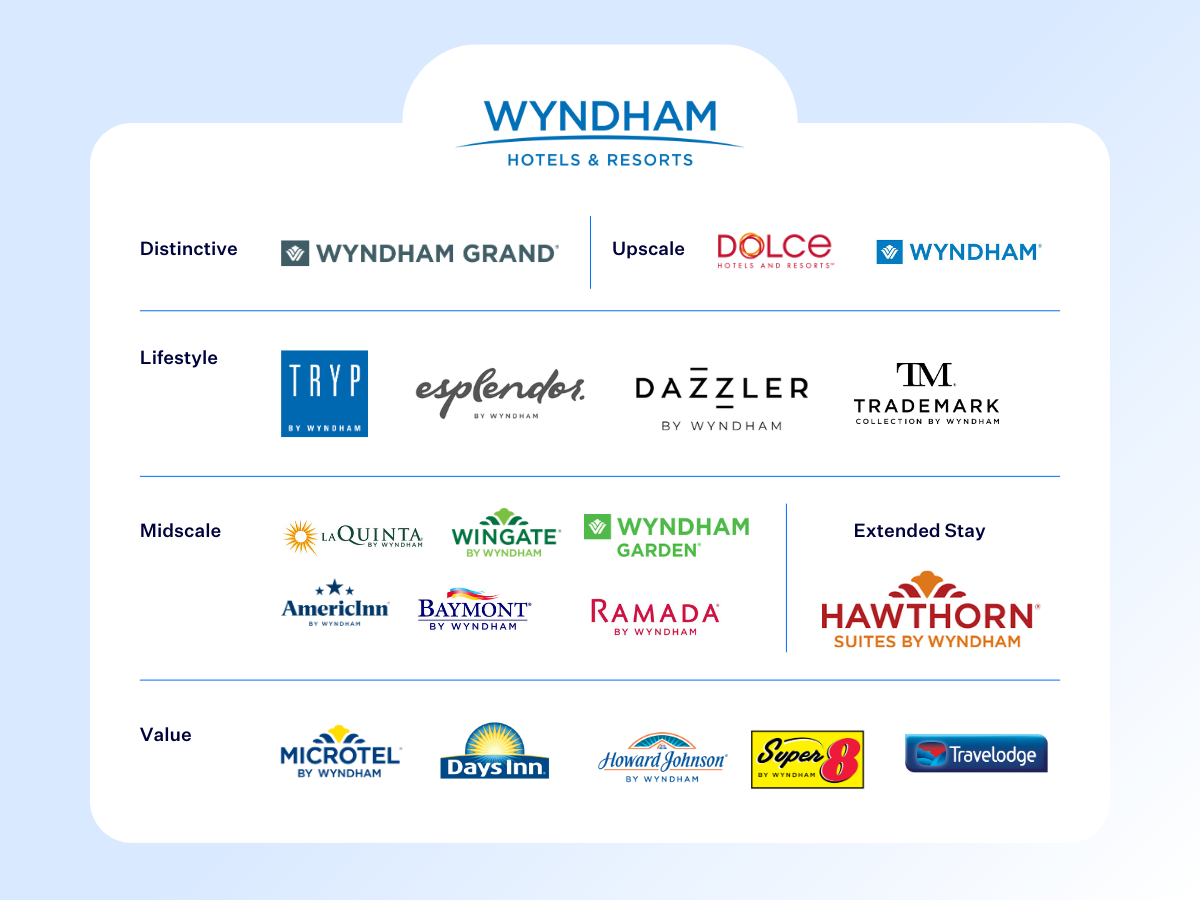
One of the most compelling aspects of Wyndham Hotels & Resorts is its expansive and highly diversified portfolio of hotel brands. This “brand ecosystem” is meticulously designed to capture every segment of the travel market, from the budget-conscious traveler seeking a simple, clean room to the luxury seeker desiring an opulent resort experience. This strategic diversification is a cornerstone of Wyndham’s business model, allowing it to maintain a robust market presence and appeal to a vast array of guests with differing needs, preferences, and budgets. The portfolio comprises over 20 distinct brands, each with its own identity, service level, and target demographic, collectively boasting approximately 9,000 hotels in over 95 countries.
This wide-ranging appeal directly taps into the various categories of travel and lifestyle identified by our website’s main topics. For instance, brands like Super 8 by Wyndham and Days Inn by Wyndham are synonymous with budget travel and roadside convenience, serving those on family trips or cross-country drives. On the other end of the spectrum, Wyndham Grand and Registry Collection Hotels cater to the luxury travel segment, offering upscale amenities, sophisticated design, and exceptional service often found in prime urban or resort destinations. This ability to pivot between different market segments allows Wyndham to maintain relevance and competitiveness across the entire hospitality spectrum.
Economy to Upscale: Catering to Every Traveler
Wyndham’s brand architecture is thoughtfully segmented to address specific traveler needs, providing clarity for guests and a defined target market for franchisees.
- Economy Brands: This segment is the backbone of Wyndham’s extensive footprint, particularly in North America. Brands like Days Inn, Super 8, Howard Johnson by Wyndham, Travelodge by Wyndham (US/Canada), and Microtel by Wyndham offer essential amenities at an affordable price point. They are often found along major highways and in smaller towns, providing convenient accommodation for road-trippers, budget-conscious families, and business travelers looking for value.
- Midscale Brands: Bridging the gap between economy and upscale, midscale brands offer enhanced services and amenities without a significant jump in price. Ramada by Wyndham, Baymont by Wyndham, and Wingate by Wyndham are prominent examples. These brands often feature complimentary breakfast, fitness centers, and business services, appealing to a broader range of travelers, including those on business stays or extended family trips.
- Upscale and Upper-Midscale Brands: This segment targets travelers seeking more sophisticated amenities and a higher level of service. La Quinta by Wyndham, AmericInn by Wyndham, and Hawthorn Suites by Wyndham (often catering to long-term stay guests with suites and kitchenettes) fall into this category. They typically offer more spacious rooms, upgraded bedding, and a wider array of on-site services, often situated near major attractions or business districts.
- Lifestyle and Premium Brands: At the top of the portfolio are brands designed for discerning travelers, including Wyndham, Wyndham Grand, Dolce Hotels and Resorts by Wyndham, and the luxurious Registry Collection Hotels. These properties provide premium amenities, exquisite dining options, spa services, and often boast unique architectural designs or historic significance, frequently located in iconic landmarks or breathtaking resort destinations. They cater to those seeking exceptional experiences and a touch of luxury travel.
This comprehensive brand strategy allows Wyndham to capture a significant market share and provide tailored accommodation solutions across diverse travel needs and financial considerations.
Global Reach: Where Wyndham Makes Its Mark
Wyndham Hotels & Resorts’ ownership model, heavily reliant on franchising, has enabled it to achieve an impressive global reach. While its strongest presence is historically in the United States and Canada, the company has aggressively expanded into international markets, making its brands recognizable in Europe, Asia, the Middle East, Africa, Latin America, and the Caribbean. This global footprint is crucial for attracting international travelers and supporting worldwide tourism.
The international expansion is often tailored to regional market demands. In emerging markets, Wyndham’s midscale and economy brands may be the first point of entry, providing reliable, globally recognized lodging options. In more established markets, the company might focus on its upscale and lifestyle brands, targeting specific niches within those vibrant travel landscapes. For example, a Wyndham Grand might grace a major city center in Shanghai or Dubai, while a Days Inn provides convenient lodging on a highway in rural Germany. This strategic geographic diversification not only strengthens the company’s revenue streams but also enhances the brand recognition of Wyndham Rewards, its award-winning loyalty program, making it a compelling choice for frequent travelers across borders. This extensive network means that no matter where your travels take you, there’s a good chance you’ll find a Wyndham property ready to welcome you.
Wyndham’s Impact on the Global Travel & Tourism Landscape
The vast network and diverse portfolio of Wyndham Hotels & Resorts exert a significant influence on the global travel and tourism landscape. By offering a wide array of accommodation choices, from basic motels to luxurious resorts, Wyndham plays a critical role in making travel accessible to a broader demographic. This accessibility fuels local economies, supports job creation, and facilitates cultural exchange as travelers explore new destinations. Moreover, the company’s focus on franchising empowers local entrepreneurs, allowing them to operate under globally recognized brands while retaining local ownership and management. This balance contributes to the vibrancy and diversity of the hospitality industry worldwide.
Wyndham’s strong presence in secondary and tertiary markets, often overlooked by more luxury-focused chains, makes it a vital part of regional tourism infrastructure. These properties serve as essential bases for visitors exploring national parks, historical landmarks, local festivals, or attending events in smaller communities. The company’s consistent brand standards, even across its economy segments, provide a level of reliability that travelers value, helping them plan trips with confidence, regardless of their budget or destination.
The Accommodation Spectrum: From Roadside Motels to Luxurious Resorts
The concept of accommodation has evolved dramatically, and Wyndham Hotels & Resorts exemplifies this evolution by mastering the entire spectrum. At one end, its economy hotels provide fundamental necessities for the transient traveler. These hotels are lifelines for road-trippers, offering a safe, clean place to rest and recharge. They embody the spirit of accessibility, ensuring that travel remains within reach for many, enabling countless family trips and solo adventures across vast distances.
Moving up the spectrum, Wyndham’s midscale and upscale brands cater to a more discerning guest, offering enhanced amenities such as swimming pools, fitness centers, meeting rooms, and on-site dining. These properties are often strategically located near business parks, airports, or popular attractions, making them ideal for both business stays and leisure travelers seeking comfort and convenience. The presence of suites and extended-stay options like Hawthorn Suites by Wyndham further demonstrates Wyndham’s understanding of varied traveler needs, including those requiring long-term stay options for work relocations or extended vacations.
At the pinnacle, Wyndham Grand and Registry Collection Hotels represent the epitome of luxury travel within the portfolio. These properties are often distinguished by their unique architecture, prime locations in iconic cities or serene resort settings, and exceptional service that promises memorable experiences. They attract guests looking for more than just a room – they seek a destination within a destination, complete with gourmet dining, spa treatments, and personalized concierge services. This comprehensive range ensures that whether a traveler is looking for a quick overnight stop or an indulgent week-long escape, a Wyndham brand can provide the ideal setting.
Lifestyle and Travel: How Wyndham Meets Modern Demands
Modern travel is deeply intertwined with lifestyle choices, and Wyndham Hotels & Resorts is adept at aligning its offerings with these evolving demands. The company recognizes that travelers today are not just looking for a place to sleep; they are seeking experiences that complement their personal values, interests, and preferred way of life.
For the adventure seeker or culture enthusiast, Wyndham’s strategically located properties serve as gateways to local cultures and attractions. Guests can use these hotels as a base to explore nearby landmarks, sample local food, or participate in unique activities recommended by hotel staff, providing authentic tourism experiences. For family trips, many brands offer family-friendly amenities like connecting rooms, kid-friendly dining, and pools, ensuring comfort and convenience for all ages.
The rise of bleisure travel (mixing business with leisure) and digital nomadism also finds a home within the Wyndham portfolio. Properties with robust Wi-Fi, comfortable workspaces, and accessible locations cater to those who blend work and vacation. Furthermore, the Wyndham Rewards loyalty program plays a significant role in shaping traveler lifestyles, offering points and perks that encourage repeat stays and foster a sense of belonging to the Wyndham community. This program incentivizes guests to explore different brands within the portfolio, discover new destinations, and enjoy exclusive benefits, enhancing their overall travel experience. By understanding and adapting to diverse lifestyles, Wyndham remains a relevant and attractive choice for a broad spectrum of modern travelers.
Investing in the Future of Hospitality
As a publicly traded entity, Wyndham Hotels & Resorts is continuously focused on future growth and adapting to the evolving demands of the hospitality industry. This forward-looking approach involves significant investment in technology, guest experience enhancements, and sustainable practices. The underlying ownership structure, driven by shareholder expectations for long-term value, mandates a proactive strategy for innovation and market leadership. The company’s commitment to these areas ensures that it remains competitive, relevant, and attractive to both guests and potential franchisees globally, solidifying its position in the dynamic world of travel and accommodation.
Future investments also include expanding its global footprint, particularly in high-growth tourism markets, and continuing to refine its brand portfolio to meet niche demands. The focus isn’t just on increasing the number of hotels but on enhancing the quality and consistency of the guest experience across all brands. This long-term vision is crucial for a company of Wyndham’s scale, ensuring its continued impact on local economies and its role in shaping global travel trends.
Innovation and Guest Experience
In today’s digital age, technological innovation is paramount to delivering a seamless and personalized guest experience. Wyndham Hotels & Resorts is actively investing in digital tools and platforms to enhance every touchpoint of the guest journey. This includes improvements in online booking systems, mobile check-in capabilities, smart room technology, and personalized communications based on guest preferences and past stays. The goal is to make accommodation not just convenient but intuitively responsive to individual needs.
The Wyndham Rewards program is a prime example of this focus on the guest experience. It’s designed to be simple, generous, and flexible, allowing members to earn and redeem points easily across the entire portfolio. This loyalty program fosters a strong connection with guests, encouraging repeat business and promoting exploration of different Wyndham brands and destinations. By prioritizing innovation in guest service and digital engagement, Wyndham aims to stay ahead in a competitive market, continually offering compelling reasons for travelers to choose its brands. The feedback from reviews and direct guest interactions is also critical, driving continuous improvements in service standards and amenities across the entire network.
Sustainable Practices and Community Engagement
Beyond profit, modern corporate ownership increasingly entails a responsibility towards environmental sustainability and community welfare. Wyndham Hotels & Resorts recognizes its role in promoting sustainable tourism practices and engaging positively with the communities where its hotels operate. Initiatives often focus on reducing energy consumption, minimizing waste, conserving water, and sourcing locally where possible. These efforts not only align with global environmental goals but also appeal to a growing segment of travelers who prioritize eco-friendly accommodation options.
Community engagement is another cornerstone of Wyndham’s philosophy. This includes supporting local businesses, creating employment opportunities, and participating in charitable initiatives. By investing in local infrastructure and fostering positive relationships, Wyndham properties become integral parts of their respective communities, contributing to local economic vitality and enhancing the overall tourism appeal of destinations. This commitment to sustainability and community reflects a broader understanding of responsible corporate ownership and its long-term benefits for all stakeholders, from shareholders to guests and the planet itself.
In conclusion, “Who owns Wyndham Hotels?” is answered by looking at the millions of shareholders who collectively hold a stake in this global hospitality leader. Its identity as a publicly traded company allows it to continually evolve, invest in its future, and maintain its sprawling portfolio of brands that cater to virtually every type of traveler. From its economy motels to its luxury resorts, Wyndham Hotels & Resorts remains a pivotal force in shaping how we travel, where we stay, and the experiences we create around the world.
LifeOutOfTheBox is a participant in the Amazon Services LLC Associates Program, an affiliate advertising program designed to provide a means for sites to earn advertising fees by advertising and linking to Amazon.com. Amazon, the Amazon logo, AmazonSupply, and the AmazonSupply logo are trademarks of Amazon.com, Inc. or its affiliates. As an Amazon Associate we earn affiliate commissions from qualifying purchases.