
The tapestry of American history is woven with countless pivotal moments, but few captured the raw emotion and ignited the fervor for independence quite like the Boston Massacre of March 5, 1770. This tragic event, which saw British soldiers fire upon a crowd of unarmed colonists in Boston, Massachusetts, quickly became a symbol of tyrannical oppression and a rallying cry for the burgeoning American Revolution. However, the narrative of the Boston Massacre was not solely shaped by eyewitness accounts or legal proceedings; it was profoundly influenced by a single, powerful image. This iconic engraving, depicting the brutal confrontation, became one of the most effective pieces of propaganda in American history, turning public sentiment decisively against British rule.
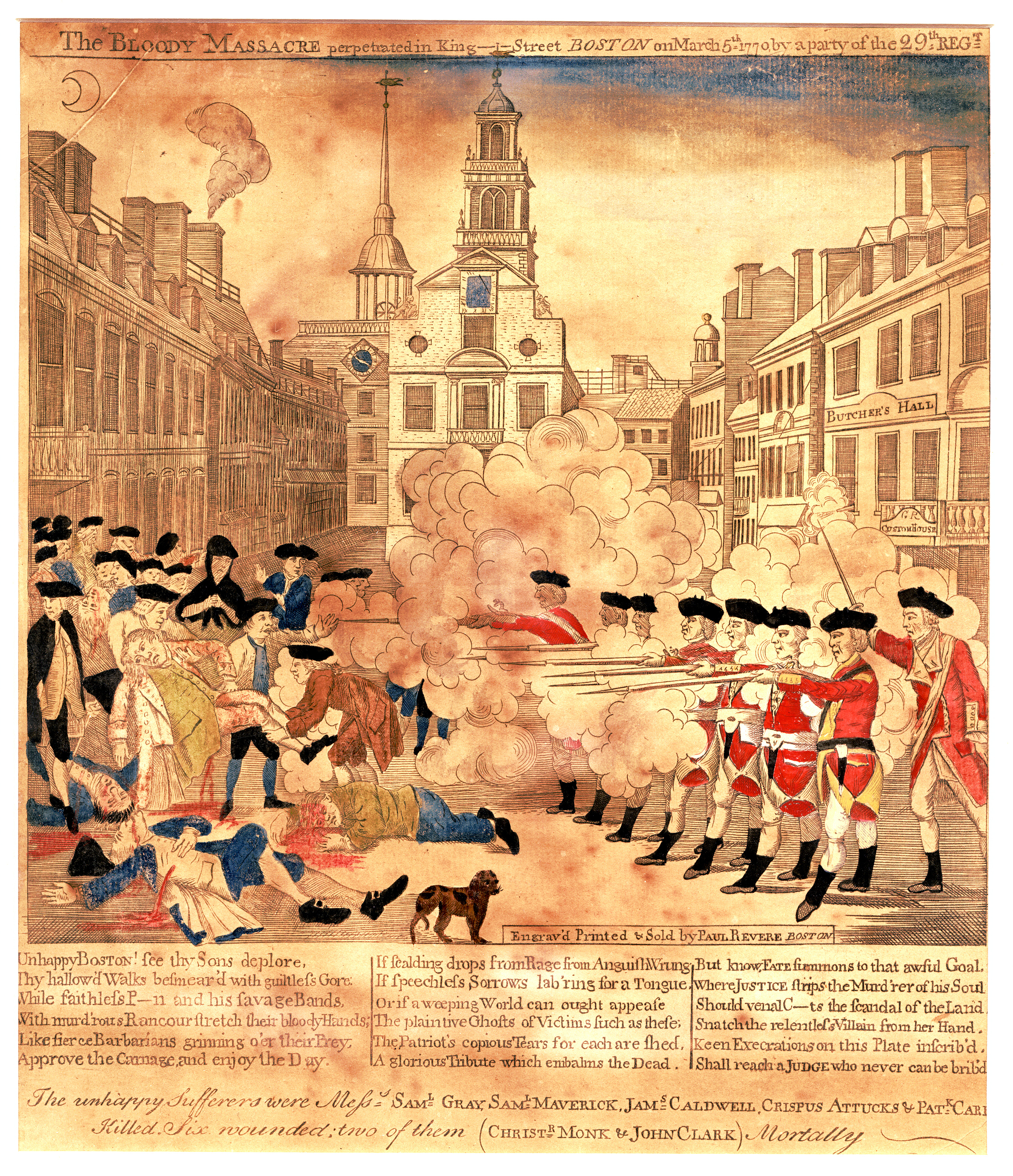
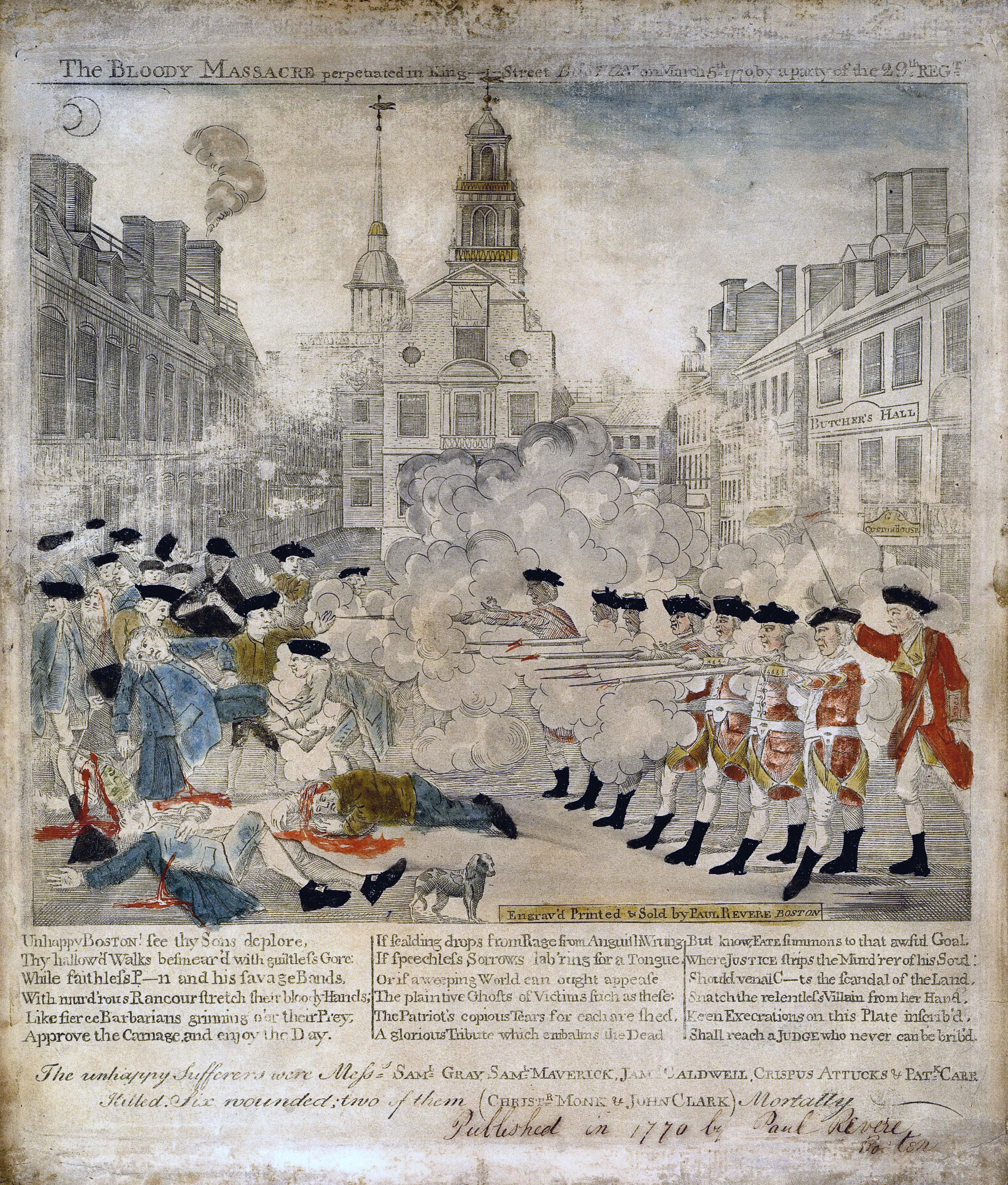
The question of who published this incendiary image is central to understanding its impact. While several individuals played a role in disseminating the story, the most widely recognized and influential engraving, titled “The Bloody Massacre Perpetrated in King Street Boston on March 5th 1770 by a Party of the XXIXth REG,” was published by none other than Paul Revere. A silversmith, engraver, and ardent patriot, Revere’s rendition of the event was not merely a historical record but a deliberate and highly effective piece of political commentary, designed to inflame anti-British sentiment across the colonies. His contribution went beyond artistic creation; it was an act of journalism and activism that indelibly stamped the Boston Massacre into the collective consciousness of a nation on the cusp of revolution.
The Iconic Image and its Creator: Paul Revere’s Enduring Legacy
The name Paul Revere often conjures images of his midnight ride, a heroic dash through the Massachusetts countryside to warn of approaching British troops. However, his contributions to the American Revolution were far more diverse, extending into the realm of political art and propaganda. Revere’s engraving of the Boston Massacre stands as a testament to the power of visual media, even in an era long before digital communication. It was a potent weapon in the ideological war that preceded the armed conflict, swaying public opinion and galvanizing support for the cause of independence.
Unpacking the Artistry and Propaganda
Paul Revere’s engraving, published just weeks after the tragic event, depicts a chaotic and brutal scene. The British soldiers are shown in a neat, organized line, firing directly into a defenseless crowd, their faces stern and unforgiving. The colonists, meanwhile, appear as innocent victims, many falling to the ground, with prominent figures like Crispus Attucks highlighted among the dead. The sky above is dark, menacing, and the Old State House in the background is conspicuously labeled “Butcher’s Hall,” a blatant indictment of British authority.
Historians have widely acknowledged that Revere’s depiction was not entirely accurate. It intentionally exaggerated certain aspects and omitted others to create a specific emotional response. For instance, the engraving fails to show the unruly mob of colonists who had been harassing the soldiers, throwing snowballs, ice, and rocks. It portrays the soldiers as initiating fire without provocation, rather than reacting to a hostile crowd. The composition, designed to elicit sympathy and outrage, transformed a complex street brawl into a clear-cut case of military brutality against innocent civilians. This deliberate distortion served a crucial purpose: to unify colonial sentiment and paint the British as an oppressive force.

Interestingly, Revere was not the first to create an image of the massacre. Another engraver, Henry Pelham, had produced his own version, which Revere is believed to have copied, with slight modifications, before Pelham‘s could be widely distributed. This swift action allowed Revere’s version to dominate the public imagination, securing its place as the definitive visual representation of the Boston Massacre. Pelham later accused Revere of plagiarism, highlighting the intense competition and urgency surrounding the dissemination of information during this volatile period.
The Immediate Impact and Distribution
Upon its publication, Paul Revere’s engraving was quickly and widely distributed throughout the colonies. Printed on copper plates, copies were sold cheaply or circulated in newspapers, ensuring that its message reached a broad audience, including those who were illiterate. The visual nature of the propaganda made it incredibly effective, bypassing language barriers and directly appealing to emotion. It offered a tangible, albeit biased, representation of the events, giving colonists a shared visual narrative of British oppression.
The engraving’s impact was immediate and profound. It became a powerful tool for anti-British agitators, fueling arguments for self-governance and crystallizing the grievances that would eventually lead to the declaration of independence. For many colonists, who might have otherwise remained neutral or loyal to the crown, the image served as a stark reminder of the potential dangers of continued British rule. It transformed a local incident in Boston into a symbol for the entire colonial struggle, solidifying the idea that British soldiers were not protectors but oppressors. The image endured, becoming an iconic symbol of the fight for liberty and a testament to Paul Revere’s skill as both an artist and a revolutionary.
The Boston Massacre Site: A Journey Through Time in Boston
For those drawn to the intricate narratives of history, visiting the very ground where such pivotal events unfolded offers an unparalleled experience. The site of the Boston Massacre, once known as King Street and now State Street, remains a poignant landmark in the heart of Boston. Modern-day travelers can immerse themselves in the rich tapestry of American history by exploring not just the exact spot of the massacre but also the broader historical landscape that shaped the American Revolution. Boston is a city where every cobblestone seems to whisper tales of the past, making it an essential destination for history buffs and curious travelers alike.
Walking the Freedom Trail and Key Landmarks
The Boston Massacre site is an integral stop along the Freedom Trail, a 2.5-mile red-lined path that winds through downtown Boston, connecting 16 historically significant sites. Beginning at Boston Common and ending at the Bunker Hill Monument in Charlestown, the Freedom Trail offers an exceptional self-guided or guided tour experience.
At the heart of the Boston Massacre site, directly in front of the Old State House, a cobblestone circle embedded in the pavement marks the spot where the tragedy unfolded. Standing here, with the impressive 1713 Old State House — the oldest public building in Boston and the center of colonial government — looming overhead, one can almost feel the echoes of the past. This landmark, which still bears the lion and unicorn statues symbolizing British royalty, stood witness to the growing tensions between colonists and the Crown. Inside the Old State House museum, visitors can find artifacts and exhibits detailing the massacre, including a copy of Paul Revere’s engraving, offering a direct connection to the propaganda that shaped the revolutionary narrative.
Beyond the immediate massacre site, the Freedom Trail leads travelers to other critical landmarks that contextualize the era. Faneuil Hall, known as the “Cradle of Liberty,” was where impassioned debates and town meetings took place, fueling the revolutionary spirit. A short walk brings visitors to the Old North Church, from whose steeple the famous “one if by land, two if by sea” lanterns were hung, signaling the movement of British troops and initiating Paul Revere’s legendary ride. These sites, meticulously preserved, offer more than just historical facts; they provide a tangible link to the places and events that defined a nascent nation’s struggle for freedom. Exploring these landmarks through guided tours or at one’s own pace allows for a deep, reflective engagement with the origins of the United States.
Immersive Historical Experiences for Travelers
Boston’s commitment to preserving and presenting its history extends beyond static markers and museum exhibits. The city offers a range of immersive experiences designed to transport travelers back in time. For families, these historical attractions are particularly enriching, offering educational content delivered in engaging ways. Walking tours led by costumed guides, often portraying historical figures, bring the stories of the Revolution to life, recounting tales of the Boston Massacre, the Boston Tea Party, and other pivotal moments with vivid detail.
Beyond the formal tours, simply wandering through historic neighborhoods like the North End, with its narrow cobblestone streets and vibrant Italian-American culture, or the elegant, gas-lit avenues of Beacon Hill, offers a sense of connection to Boston’s past. Visiting historic taverns and restaurants, such as the Union Oyster House, America’s oldest continuously operating restaurant, allows travelers to dine in establishments that once served revolutionary figures. These culinary experiences are a delightful way to blend tourism with a taste of history, providing a unique perspective on colonial life. Boston’s museums also offer incredible depth, with institutions like the Museum of Fine Arts and the Isabella Stewart Gardner Museum providing cultural breadth beyond the revolutionary period, showcasing the city’s broader artistic and intellectual heritage.
Planning Your Historical Exploration: Where to Stay and What to See
A trip to Boston to explore its revolutionary roots, especially the site of the Boston Massacre, promises a journey rich in discovery and reflection. To fully appreciate the experience, careful planning regarding accommodation and further exploration is key. Boston, as a premier travel destination, offers a wide range of hotels, suites, and unique lodging options that cater to every preference, from luxury resorts to charming boutique stays, ensuring that your visit is as comfortable as it is enlightening.
Accommodations Reflecting Boston’s Charm
When choosing where to stay in Boston, travelers are spoilt for choice. For those seeking a blend of historical ambiance and modern luxury, hotels within walking distance of the Freedom Trail and major landmarks are ideal. The Omni Parker House, for example, stands as a testament to Boston’s enduring history, having hosted literary giants and political figures since 1855. Its location, just steps from Boston Common and mere minutes from the Old State House, makes it perfect for immersing oneself in the city’s past.
For a more contemporary yet equally luxurious experience, properties like The Langham Boston, housed in the former Federal Reserve Bank building, offer exquisite amenities and a prime location near the waterfront and downtown attractions. Travelers looking for boutique charm might consider hotels in the picturesque Beacon Hill neighborhood, famous for its Federalist-style rowhouses, narrow streets like Acorn Street, and gas lamps. Properties like The Godfrey Hotel Boston offer modern comforts with a nod to Boston’s sophisticated urban lifestyle, often providing excellent value for budget-conscious luxury travelers or families. Booking in advance, especially during peak tourist seasons, is always advisable to secure the best rates and preferred locations, whether you’re seeking a hotel suite, a cozy apartment, or a full-service resort experience.
Beyond the Engraving: Further Historical Immersion
While the Boston Massacre and Paul Revere’s engraving are fascinating entry points, Boston offers much more for the history enthusiast. A day trip to Cambridge, home to Harvard University and its historic campus, provides a glimpse into the intellectual heart of New England. Further afield, the towns of Lexington and Concord, where the “shot heard ’round the world” officially sparked the Revolutionary War, are easily accessible and offer powerful historical parks and battle sites.
For those interested in maritime history, the Boston Tea Party Ships & Museum provides an interactive experience, allowing visitors to relive the famous act of defiance against British taxation. The USS Constitution Museum in Charlestown offers insights into America’s naval heritage, showcasing “Old Ironsides,” the oldest commissioned warship afloat in the world. Each of these sites contributes to a holistic understanding of the period, demonstrating how a series of events, including the widely publicized Boston Massacre and its vivid visual representation, culminated in the birth of a nation. Whether you’re interested in the grand sweep of history or the intimate details of daily colonial life, Boston offers an unparalleled journey into the past, enriched by its vibrant present and exceptional tourism infrastructure.
The impact of Paul Revere’s engraving of the Boston Massacre cannot be overstated. It was more than an image; it was a catalyst, a powerful piece of visual rhetoric that shaped public opinion and propelled the colonies toward independence. For modern travelers, the opportunity to visit Boston and stand on the very ground where these pivotal events unfolded is a profoundly moving experience. By exploring the Freedom Trail, delving into the city’s museums, and enjoying its unique blend of historical charm and contemporary amenities, visitors can connect directly with the narratives that forged a nation, understanding not just who published that iconic image, but why it mattered so deeply then, and why its legacy continues to resonate today.
LifeOutOfTheBox is a participant in the Amazon Services LLC Associates Program, an affiliate advertising program designed to provide a means for sites to earn advertising fees by advertising and linking to Amazon.com. Amazon, the Amazon logo, AmazonSupply, and the AmazonSupply logo are trademarks of Amazon.com, Inc. or its affiliates. As an Amazon Associate we earn affiliate commissions from qualifying purchases.