
Navigating the complexities of healthcare access in the Sunshine State can be a significant concern for many residents. Understanding who qualifies for Medicaid in Florida is crucial for individuals and families seeking affordable health coverage. While Florida’s specific eligibility criteria can be nuanced and subject to change, this guide aims to demystify the process, outlining the key requirements and categories of individuals who may be eligible. This exploration will touch upon how healthcare needs can impact travel plans, the importance of reliable accommodation, and how lifestyle choices can influence healthcare considerations, all within the context of Florida’s unique landscape.
The Medicaid program in the United States is a joint federal and state program that provides health insurance to millions of Americans, including eligible low-income adults, children, pregnant women, elderly adults, and people with disabilities. In Florida, the program is administered by the Agency for Health Care Administration (AHCA), which sets forth the specific rules for eligibility within the state. The core principle of Medicaid is to offer a safety net for those who cannot afford private health insurance, ensuring access to essential medical services.
Understanding Eligibility Pathways in Florida
Eligibility for Medicaid in Florida is primarily determined by income, household size, disability status, and specific demographic categories. Unlike some other states, Florida has not expanded its Medicaid program under the Affordable Care Act to cover all adults with incomes up to 138% of the federal poverty level. This means that for many childless adults without a disability, qualifying for Medicaid can be more challenging.
Specific Eligibility Groups
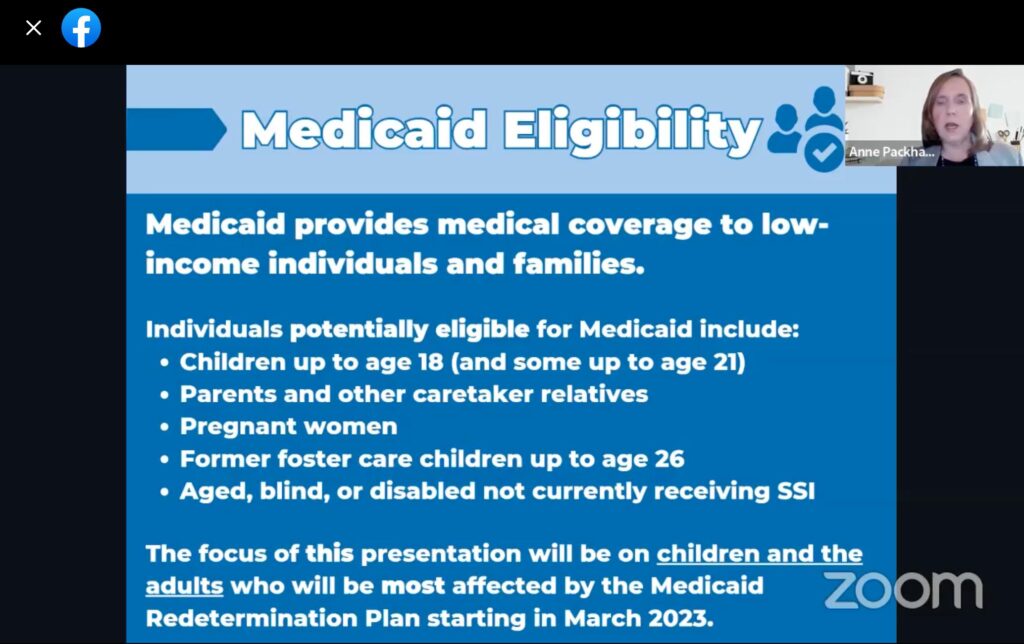
Medicaid in Florida typically covers specific groups of individuals, each with their own set of income and asset limitations. These groups are designed to target those most in need of assistance.
Children and Pregnant Women
One of the most straightforward pathways to Medicaid eligibility in Florida is for children and pregnant women. Families with low incomes are often able to secure coverage for their children through programs like Medicaid or the Children’s Health Insurance Program (CHIP), known in Florida as MediKids. The income thresholds for these programs are generally more generous than those for adults without children.
For pregnant women, Medicaid coverage is available from the beginning of the pregnancy until 60 days postpartum, provided they meet the income requirements. This ensures that expectant mothers receive necessary prenatal care, delivery services, and postpartum support, which are vital for the health of both mother and child. The specific income limits can vary, but they are typically set at a level that allows women with moderate incomes to qualify.
The importance of this coverage extends to planning family trips or even extended stays in Florida for medical reasons. For instance, a family planning a vacation to Orlando or a longer visit to see relatives in Miami might need to understand how their current health insurance, or lack thereof, impacts their ability to access care during their stay, especially if a pregnancy is involved. Having Medicaid can provide peace of mind, knowing that essential medical services are accessible without incurring catastrophic costs. This is particularly relevant for those considering long-term accommodation or exploring the numerous family-friendly attractions Florida has to offer.
Seniors and Individuals with Disabilities
Seniors (generally aged 65 and older) and individuals with disabilities are another significant group eligible for Medicaid in Florida. This coverage can supplement Medicare benefits, helping to pay for services not covered by Medicare, such as long-term care, dental care, vision care, and prescription drugs.
To qualify based on age or disability, individuals often need to meet both income and asset limitations. The asset test looks at countable resources like bank accounts, stocks, and bonds. However, certain assets, such as the primary residence and a vehicle, are typically excluded from the calculation. For those requiring long-term care, such as assisted living facilities or nursing homes, Medicaid is often the primary payer, even for individuals who were not low-income prior to needing such care.
Consider a scenario where an elderly couple, perhaps looking to retire in a resort community like Naples, finds themselves needing extensive medical care. If their Medicare coverage is insufficient for long-term nursing care, Medicaid could be their lifeline. Understanding the eligibility for such services is as critical as finding suitable accommodation, whether it’s a luxurious suite at a high-end resort or a more budget-friendly apartment for a longer stay. The Florida Agency for Health Care Administration provides detailed information on the specific financial limits for these categories.
Low-Income Adults (Limited Expansion)
As mentioned earlier, Florida has not implemented the full Medicaid expansion, which significantly impacts low-income adults without dependent children and without a disability. In Florida, the primary pathways for adults to qualify for Medicaid are:
- Parents of dependent children: Adults who are the primary caregivers of minor children may qualify if their household income falls within the eligibility limits. The eligibility is often based on the household size and the number of children.
- Individuals with disabilities: As detailed above, those who meet the federal definition of disability and have limited income and assets can qualify.
- Pregnant women: Coverage is available for pregnant women who meet the income requirements.
For many low-income childless adults who are not disabled, access to Medicaid is limited. This demographic often finds themselves in a healthcare coverage gap, unable to afford private insurance and not qualifying for Medicaid. This situation can influence lifestyle choices, including where they choose to live, work, and how they plan for travel or leisure activities. For example, someone living in Tampa who relies on gig economy work and has no children might face significant challenges in securing affordable healthcare if they do not qualify for Medicaid.
Income and Asset Limits
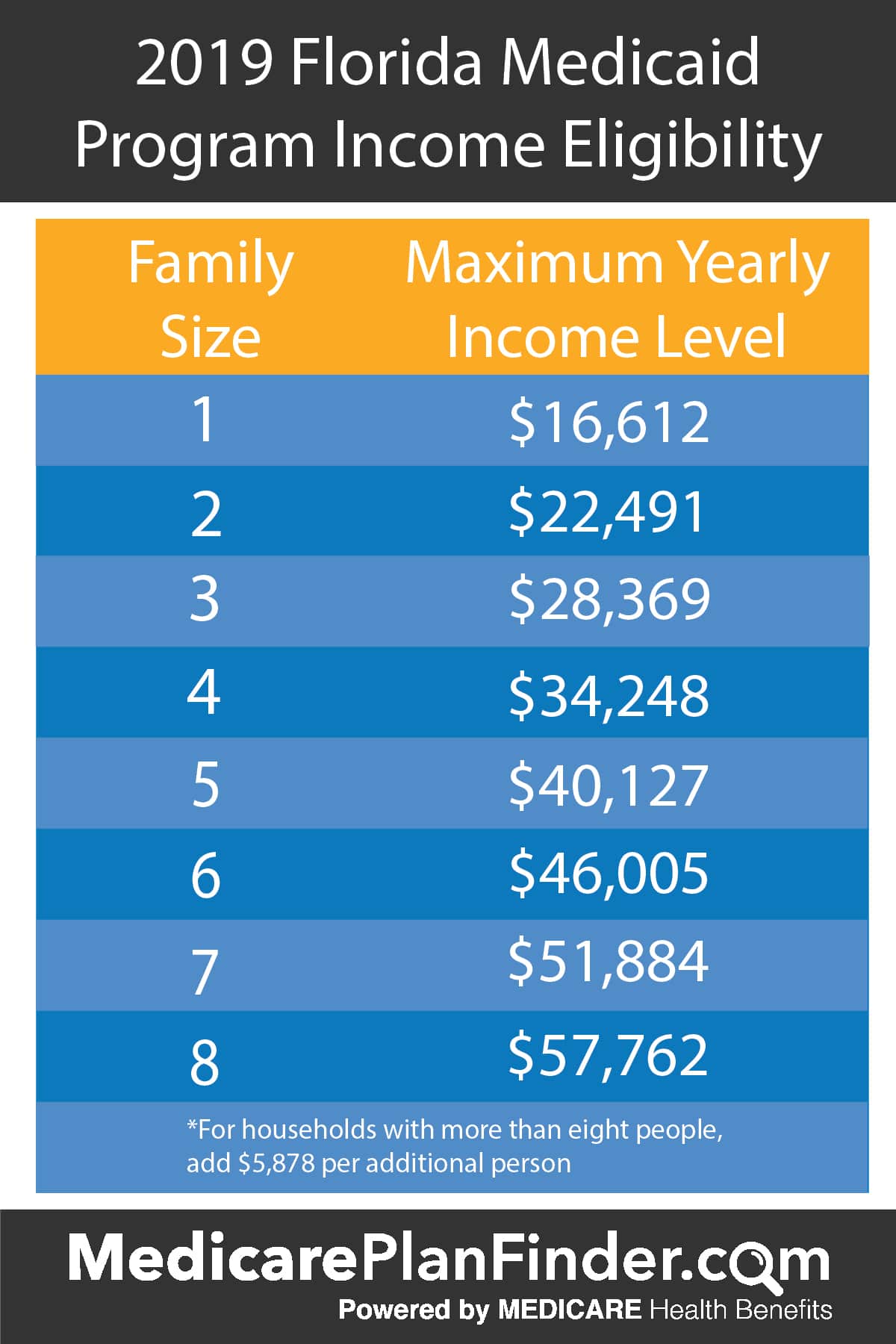
The exact income and asset limits for Medicaid eligibility in Florida are determined by federal poverty levels and are updated annually. These limits vary based on the category of eligibility (e.g., child, pregnant woman, disabled individual, parent). It is essential to consult the official AHCA website or contact a Medicaid caseworker for the most current figures.
Generally, Medicaid programs are designed for those with very low incomes. However, “low income” is a relative term that changes with family size and federal guidelines. For example, a single adult with no children and an income above 138% of the federal poverty level would not qualify for Medicaid in Florida under the current expansion status.
The financial scrutiny for eligibility can be rigorous. Applicants are typically required to provide documentation such as pay stubs, tax returns, bank statements, and proof of any other income or assets. This process underscores the importance of financial planning, especially for those who might be considering a move to Florida for its tourism or lifestyle opportunities, such as exploring the unique natural beauty of the Everglades or enjoying the vibrant culture of Key West.
Navigating the Application Process
Applying for Medicaid in Florida involves a specific process managed by the state’s social services. Understanding these steps can streamline the application and reduce potential frustration.
Where to Apply
The primary entity responsible for processing Medicaid applications in Florida is the Department of Children and Families (DCF). Applications can typically be submitted online through the DCF website, in person at local DCF service centers, or by mail. Having access to a computer or visiting a service center can be crucial for individuals who may not have a permanent address or consistent internet access, a common challenge for those facing economic hardship or those on the move exploring different tourism destinations.
Required Documentation
When applying for Medicaid, applicants will need to provide a comprehensive set of documents to verify their identity, residency, income, and household composition. Common requirements include:
- Proof of identity (e.g., driver’s license, passport, birth certificate)
- Proof of Florida residency (e.g., utility bills, lease agreements)
- Proof of income (e.g., pay stubs, unemployment benefits statements, Social Security benefit statements)
- Information about household members, including birth certificates and Social Security numbers for all applicants
- For pregnant women, a doctor’s confirmation of pregnancy.
- For individuals with disabilities, documentation from a healthcare provider or the Social Security Administration confirming disability status.
Gathering all necessary documents can sometimes be a significant undertaking, particularly for individuals who are transient or lack a stable living situation. This is where resources like community centers or local Medicaid outreach programs can be invaluable. For someone planning an extended stay in a vacation rental in the Florida Keys, ensuring they have all their documentation in order before their arrival is paramount.
What to Expect After Applying
After submitting an application, the DCF will review the provided information. They may request additional documentation or clarification. Applicants will be notified of the decision regarding their eligibility. If approved, they will receive information about their coverage, including how to select a Medicaid health plan (most Medicaid beneficiaries in Florida are enrolled in managed care plans) and where to find healthcare providers. If denied, the notification will usually explain the reasons for the denial and provide information on how to appeal the decision.
The waiting period for a decision can vary. It is advisable for applicants to continue seeking healthcare coverage through other means if possible, or to be aware of emergency care options while their Medicaid application is pending. This is especially important if one is in the midst of planning a significant travel itinerary, perhaps involving multiple destinations within Florida, from the theme parks of Orlando to the beaches of Clearwater.
Healthcare Access and Lifestyle in Florida
The accessibility of healthcare, particularly through programs like Medicaid, has a profound impact on the lifestyle choices of Florida residents. From where individuals can afford to live to their ability to pursue certain types of employment or engage in leisure activities, healthcare coverage plays a foundational role.
The Impact of Limited Expansion
The absence of full Medicaid expansion in Florida creates a significant gap for many working-class and low-income adults. This can lead to:
- Delayed or forgone medical care: Individuals without insurance may put off routine check-ups or doctor visits, leading to more serious health issues down the line.
- Higher healthcare costs: When medical problems do arise, those without coverage often end up in emergency rooms, which are the most expensive form of care. This can lead to substantial medical debt.
- Employment limitations: Some individuals may be hesitant to take jobs that offer no health benefits or pay just above the Medicaid eligibility threshold, opting for more flexible but less stable work in the gig economy.
- Housing instability: High medical costs can contribute to financial strain, potentially leading to housing insecurity. This can affect the ability to book accommodation, whether it’s a short-term stay in a Miami apartment or a longer lease in a more affordable rural area.
For those who are eligible for Medicaid, it opens up possibilities for a healthier lifestyle. They can more readily access preventative care, manage chronic conditions, and receive treatment for acute illnesses. This allows them to participate more fully in various aspects of Florida life, from enjoying local culinary experiences to engaging in outdoor activities like visiting Biscayne National Park.

Planning for Travel and Stays
For travelers or those planning extended stays in Florida, understanding Medicaid eligibility is important, especially for residents moving to the state or for visitors who may have specific health needs. Medicaid is state-specific, meaning coverage obtained in another state generally does not transfer to Florida. Therefore, new residents must apply for Florida Medicaid upon establishing residency.
The interplay between healthcare access and the vibrant tourism industry in Florida is undeniable. For instance, someone planning a trip to experience the theme parks in Orlando or to explore the historical charm of St. Augustine might need to consider their health insurance status. While Medicaid primarily serves residents, understanding eligibility can inform personal healthcare decisions that impact one’s ability to travel safely and affordably.
Moreover, the availability of diverse accommodation options, from luxury resorts in Palm Beach to budget-friendly hotels near Clearwater Beach, is often influenced by the economic stability of the local population. For Florida residents who rely on Medicaid, the affordability of healthcare directly impacts their disposable income and their ability to patronize these establishments or participate in various tourism activities.
In conclusion, understanding who qualifies for Medicaid in Florida is a critical piece of information for many residents. The eligibility criteria, primarily based on income, household size, and specific demographic categories, can be complex, especially with the state’s limited Medicaid expansion. By focusing on the needs of children, pregnant women, seniors, and individuals with disabilities, Florida’s Medicaid program aims to provide a vital safety net. However, for many low-income adults, the lack of broader coverage presents significant challenges that influence their lifestyle, employment, and overall well-being. Navigating the application process and staying informed about the latest eligibility requirements through the Agency for Health Care Administration are essential steps for those seeking to access this crucial healthcare resource.